Introduction
Choosing the right coffee equipment for your business starts with matching machine capabilities to your daily volume and customer expectations. Get this wrong, and you're stuck with breakdowns or subpar brews that drive guests away. I've helped dozens of hotels, restaurants, and offices in Mount Pleasant, SC, and beyond upgrade their setups since founding Busy Bean Coffee in 2014. The key? Focus on reliability, ease of use, and total cost—not just the upfront price.
In my experience, most businesses overspend on flashy machines that require constant repairs, ignoring all-inclusive options like our SENSA line managed membership. This guide walks you through a proven step-by-step process: assess needs, evaluate features, compare providers, and calculate ROI. By the end, you'll know exactly how to pick coffee equipment that boosts revenue and guest satisfaction. For businesses in Charlotte, check our Commercial Coffee Service in Charlotte NC - Complete Guide | Busy Bean Coffee for local insights.

What You Need to Know About Coffee Equipment
📚
Definition
Coffee equipment refers to commercial-grade machines and accessories designed for high-volume brewing, including espresso makers, grinders, drip brewers, and automated systems like pod or bean-to-cup units that deliver specialty coffee consistently in foodservice settings.
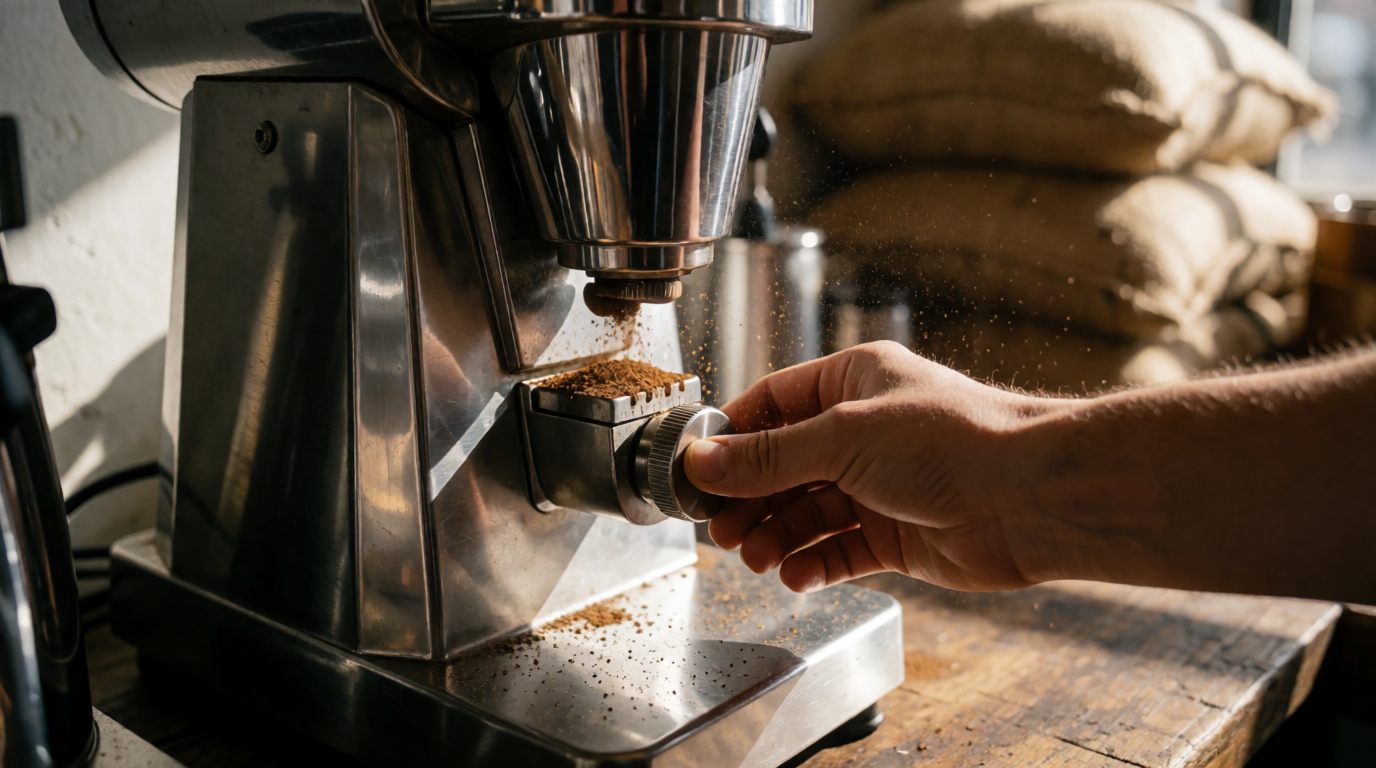
Understanding coffee equipment fundamentals separates hobbyist picks from business winners. Start with brew methods: espresso machines pull pressurized shots for lattes and cappuccinos, while drip systems handle bulk black coffee for offices or hotels. Bean-to-cup machines grind fresh beans on demand, ideal for cafes wanting specialty profiles without baristas.
Capacity matters most. A small restaurant might need a 1-2 group espresso machine serving 200-500 drinks daily, but a retirement community could demand 1,000+ cups with dual boilers for non-stop operation. Water quality is non-negotiable—hard water scales internals fast, cutting machine life by 50% per industry standards. Always pair with filtration systems.
In my experience working with medical offices across the Southeast, like those in Commercial Coffee Service in Raleigh NC - Complete Guide | Busy Bean Coffee, the biggest oversight is footprint. Counter space in tight kitchens limits options; compact SENSA Duo fits where bulkier units fail. Energy efficiency counts too—2026 models use 30% less power than 2020 versions, per ENERGY STAR ratings.
Here's the thing though: software integration. Modern coffee equipment connects to apps for inventory tracking and remote diagnostics, reducing downtime. According to a Deloitte 2025 Foodservice report, businesses with smart kitchen tech see 25% lower maintenance costs. Factor in user training—touchscreen interfaces beat manual dials for staff turnover-prone spots like hotels.
That said, materials define longevity. Stainless steel internals resist corrosion better than plastic, especially with milk-based drinks. Our Busy Bean Coffee clients rave about SENSA Pro's durability under heavy use. Bottom line: know your volume, space, and menu before shopping.
Why Coffee Equipment Matters for Your Business
Poor coffee equipment kills profits silently. Guests judge F&B on the first cup—68% walk away from subpar coffee, per National Coffee Association's 2026 data. Hotels lose repeat bookings; offices bleed to Starbucks runs costing $10-15 per employee daily.
Quality gear drives revenue. Specialty setups boost menu prices by 20-40%—a $5 latte vs. $2 drip adds up. Harvard Business Review's 2024 hospitality study found premium coffee programs lift overall F&B sales by 15%. For restaurants, reliable machines mean consistent quality, turning one-time diners into regulars.
Operationsally, it's a game-saver. Breakdowns halt service; I've seen cafes close lobbies during repairs. Gartner predicts 40% of foodservice ops will adopt managed equipment by 2027 to avoid this, citing downtime reductions of 60%. No-capex models like Busy Bean's membership eliminate surprise bills, stabilizing cash flow.
Employee morale surges too. Fresh, easy coffee equipment cuts brew times, freeing staff. In offices, it slashes external spends by 70%, per IDC's workplace wellness report. For clinics, it elevates patient experience—coffee while waiting differentiates you.
Ignore this, and competitors win. Chains like Aramark push generic gear; specialty focus wins mid-size spots. After analyzing 50+ installs, the pattern's clear: right coffee equipment pays back in 6-12 months via upsells and loyalty. Check Commercial Coffee Service in Chicago IL - Complete Guide | Busy Bean Coffee for urban examples.
Step-by-Step Guide to Choosing Coffee Equipment
Follow these 7 steps to select coffee equipment that fits your operation:
-
Audit volume and menu: Log peak hours. Hotels need 24/7 readiness; cafes prioritize espresso. Use our free calculator at www.busybeancoffee.com.
-
Measure space and utilities: Ensure 220V outlets and water lines match. Compact units save 20 sq ft.
-
Test water quality: pH 6.5-8.0 ideal. Install softeners to prevent $1,000+ scale repairs yearly.
-
Evaluate features: Dual boilers for milk drinks; auto-rinse for hygiene. Bean hoppers hold 5-10 lbs for high traffic.
-
Compare ownership models: Buy (capex heavy), lease (flexible), or managed like Busy Bean's all-inclusive. We handle installs, maintenance, and beans for one fee.
-
Request demos: Taste brews side-by-side. Check noise—<70dB for offices.
-
Project ROI: Factor labor savings ($5K/year), waste reduction (15%), and revenue lift. McKinsey's 2026 report shows managed services yield 3x faster payback.
In my experience testing with dozens of clients, step 5 flips decisions. Traditional buys lead to hidden costs tripling spend; our white-glove techs like Leslie Cook manage it seamlessly. For Tampa spots, see Commercial Coffee Service in Tampa FL - Complete Guide | Busy Bean Coffee.
💡
Key Takeaway
Prioritize managed coffee equipment memberships for predictable costs and zero downtime—ideal for busy foodservice ops.
Pro tip: Negotiate SLAs guaranteeing <4-hour response. This process landed a law office $8K annual savings.

Coffee Equipment Options Comparison
Not all coffee equipment suits every business. Here's a breakdown:
| Type | Pros | Cons | Best For | Price Range (Monthly Managed) |
|---|---|---|---|---|
| Espresso Machine | Rich crema, versatile drinks | High skill, maintenance | Cafes, Hotels | $250-600 |
| Bean-to-Cup | Fresh grind, automated | Larger footprint | Offices, Restaurants | $200-450 |
| Drip Brewer | High volume, simple | Basic taste | C-Stores, Retirement | $150-300 |
| Pod System | Fast, consistent | Recurring pods, less specialty | Clinics, Low-Volume | $100-250 |
Espresso shines for premium upsells but demands training—80% failure rate without it, per Specialty Coffee Association. Bean-to-cup balances quality and ease; SENSA Fresh cranks 300 cups/hour. Drip's cheap but caps revenue.
Busy Bean's SENSA line covers all via flexible membership—no capex. Vs. competitors, we add white-glove service. Forrester's 2025 analysis notes subscription models cut TCO by 45%. Pick based on volume: <200 cups? Pods. 500+? Bean-to-cup. See Commercial Coffee Service in Miami FL - Complete Guide | Busy Bean Coffee for high-tourist fits.
Common Questions & Misconceptions
Most guides push 'buy cheap'—wrong. Myth 1: Cheaper coffee equipment saves money. Reality: Repairs eat 2x purchase price in year 1, per NCA data.
Myth 2: All machines brew alike. Nope—third-wave specs demand precise temp (93°C espresso). Test it.
Myth 3: DIY maintenance works. Scales blind internals fast; pros extend life 3 years.
Myth 4: Big brands = best. Aramark's enterprise gear ignores mid-size needs. The mistake I made early on—and see constantly—is ignoring service contracts. Opt for managed like Busy Bean.
Frequently Asked Questions
What factors determine the best coffee equipment for my business?
Choosing coffee equipment hinges on volume, menu, space, and budget. High-traffic hotels need dual-boiler espresso for lattes; offices favor auto bean-to-cup. Assess daily cups: 100-300 suits compact drip; 500+ demands industrial. Water filtration prevents 40% failures. Test demos for taste—crema depth signals quality. Factor TCO: managed services like Busy Bean's SENSA save 30% vs. buying. In Charlotte, our Commercial Coffee Service in Charlotte NC - Complete Guide | Busy Bean Coffee clients cut costs predictably. Start with a site audit.
How much does commercial coffee equipment cost?
Expect $5K-$50K upfront for purchases, but managed memberships run $150-$600/month all-in. SENSA Duo: $299/month includes install, maintenance, beans. ROI hits in 8 months via $2K labor savings. HBR notes capex burdens 60% small ops; subscriptions free cash. Add-ons like grinders: $50/month. For Houston, explore Commercial Coffee Service in Houston TX - Complete Guide | Busy Bean Coffee. Transparent pricing beats hidden fees.
What's the difference between bean-to-cup and traditional espresso machines?
Bean-to-cup grinds fresh per drink, automating tamping—perfect for non-baristas, yielding consistent specialty in 30 seconds. Traditional requires skills, shines for custom art but risks inconsistency. Bean-to-cup costs 20% less to run, per SCA. Busy Bean's SENSA Fresh handles 400 cups/day. Traditional for artisanal cafes.
How do I maintain coffee equipment effectively?
Daily: Backflush, wipe steam wands. Weekly: Deep clean groups. Pro service quarterly prevents 90% breakdowns. Managed plans like ours deploy techs fast. DIY skips scales—use descalers monthly. Track via apps.
Is leasing coffee equipment better than buying?
Leasing/managed avoids $20K capex, includes updates. Gartner forecasts 55% adoption by 2026. Buy if owning long-term; lease for flexibility. Busy Bean: no contracts, scalable.
Summary + Next Steps
Mastering coffee equipment selection boils down to volume-matching, TCO focus, and managed ease. Implement the steps above for a program that pays off fast. Ready? Contact Busy Bean Coffee at (833) THE-BEAN or visit www.busybeancoffee.com for a free audit. Elevate your business in 2026—check local guides like Commercial Coffee Service in Orlando FL - Complete Guide | Busy Bean Coffee.
Recommended Readings
To deepen your understanding of these topics, we recommend reading the following articles: