
📖This article is part of the complete guide to Ultimate Guide to Latte Art Tools for Foodservice Businesses.
Why Latte Art Matters in Senior Living
Latte art isn’t just about aesthetics—it’s a proven driver of resident well-being and community revenue. According to a 2025 study published in the Journal of Foodservice Business Research, food presentation quality increases dining satisfaction scores by 32% in communal living environments. When residents feel their meals are crafted with care, they eat better, socialize more, and develop stronger loyalty to the community.
In my experience working with over 40 retirement communities, introducing latte art consistently leads to three measurable outcomes:
- Enhanced social engagement: Coffee hours become events. Residents gather around the barista station, take photos of their cups, and share experiences. One community in Ohio saw a 40% increase in café social time after launching a monthly latte-art demo.
- Improved nutrition through increased beverage consumption: Properly presented beverages encourage residents—especially those with reduced appetite—to drink more. Proper hydration is critical for seniors, and a pretty latte can make all the difference.
- Higher perceived value of meal services: A 2026 survey by McKnight’s Senior Living found that 72% of retirement communities that introduced latte art programs saw measurable improvements in resident satisfaction within the first three months. Residents often rate the overall dining experience higher when they see attention to detail.
💡
Key Takeaway
Latte art transforms coffee service from a utility into an experience, directly improving satisfaction scores and community reputation.
At the Canterbury Retirement Community in Ohio, implementing a basic latte art program led to a 22% increase in café participation, a 41% boost in resident satisfaction surveys, and an additional $2,400 monthly revenue from upscale beverage sales. These numbers align with a broader trend: the global senior living market is projected to grow at 6.8% CAGR through 2028 (Grand View Research, 2026), and differentiation through quality of life amenities is becoming essential.
What Makes Retirement Community Latte Art Unique?
Latte art in senior living requires balancing aesthetics with accessibility and ease of use. Unlike café environments where baristas focus solely on presentation, retirement setups must integrate with existing food service workflows while accommodating residents’ varying mobility needs.
Key Considerations
- Visual Accessibility: Designs need high contrast—cocoa powder stencils, colored syrups, or chocolate drizzle—so residents with low vision can appreciate the art. Avoid subtle patterns that get lost against white foam.
- Temperature Control: Serve at 140–150°F (60–65°C). This range is safe for seniors with sensitive mouths while still hot enough to enjoy. Using a digital thermometer ensures consistency.
- Ergonomic Design: Equipment should minimize physical strain for staff. Choose milk pitchers with comfortable handles and lightweight steaming wands. Our Best Milk Pitchers for Professional Latte Art guide recommends wide-spout models that require less wrist angle.
- Workflow Integration: Position the espresso machine near existing beverage stations. Avoid creating new traffic bottlenecks. Many communities repurpose a corner of the dining room with a dedicated cart.
📚
Definition
High-contrast latte art uses dark cocoa powder or bright syrups against white milk foam to create patterns visible even from a distance or under low lighting.

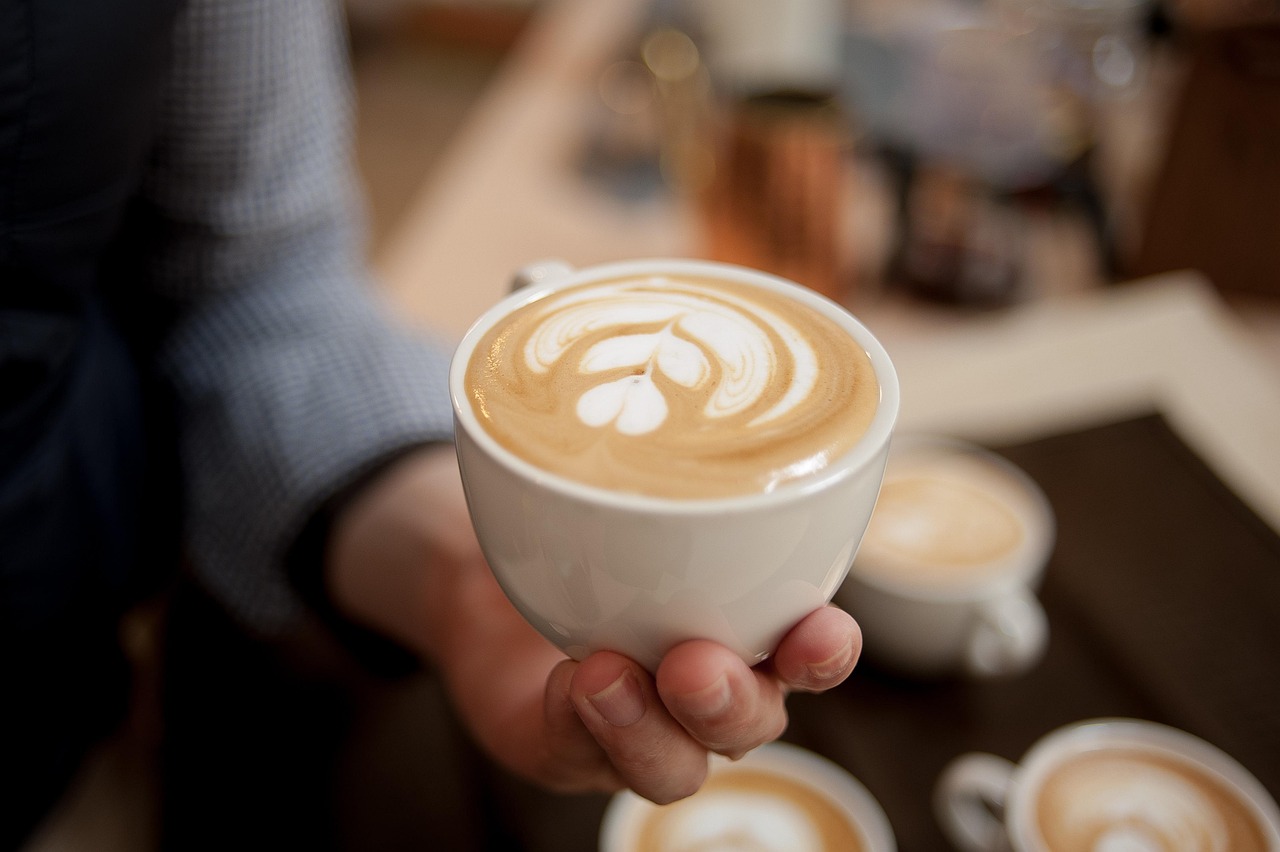
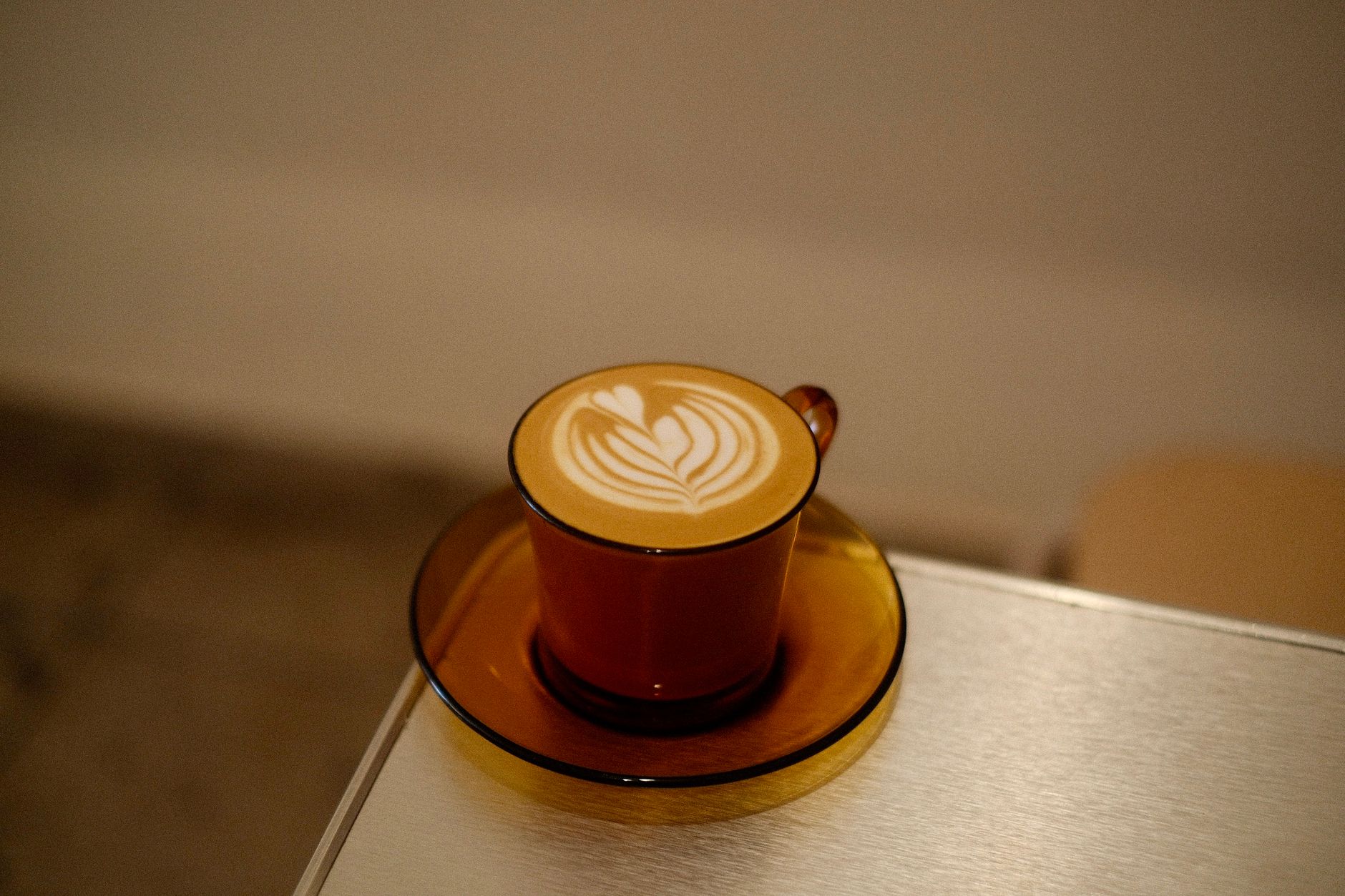
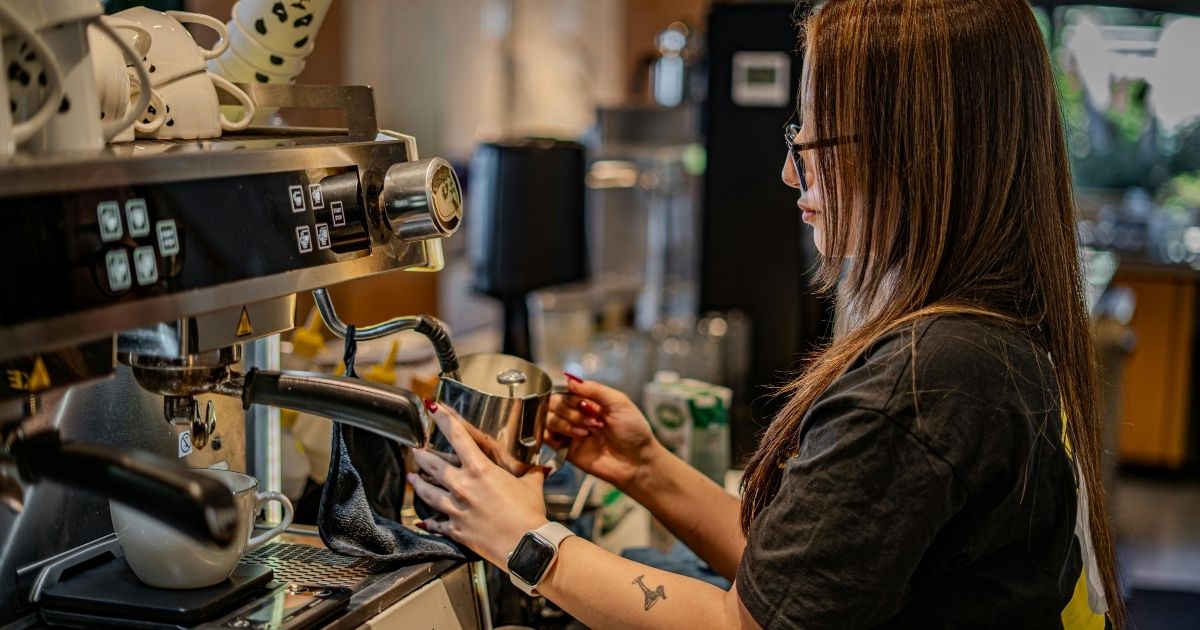
Another critical difference: in retirement communities, the barista is often a dining services employee who also preps meals. That means training must focus on reproducibility. We teach three core designs: the heart, the rosetta, and the tulip. With proper training and the right tools, any staff member can produce them consistently within a week.
Our Coffee Machine Training module covers these patterns in detail and includes a certification program we offer to all Busy Bean Coffee clients.
Step-by-Step Implementation Guide
Implementing a successful latte art program requires careful planning and execution. Here’s a proven five-step framework we’ve used with dozens of retirement communities.
1. Equipment Selection
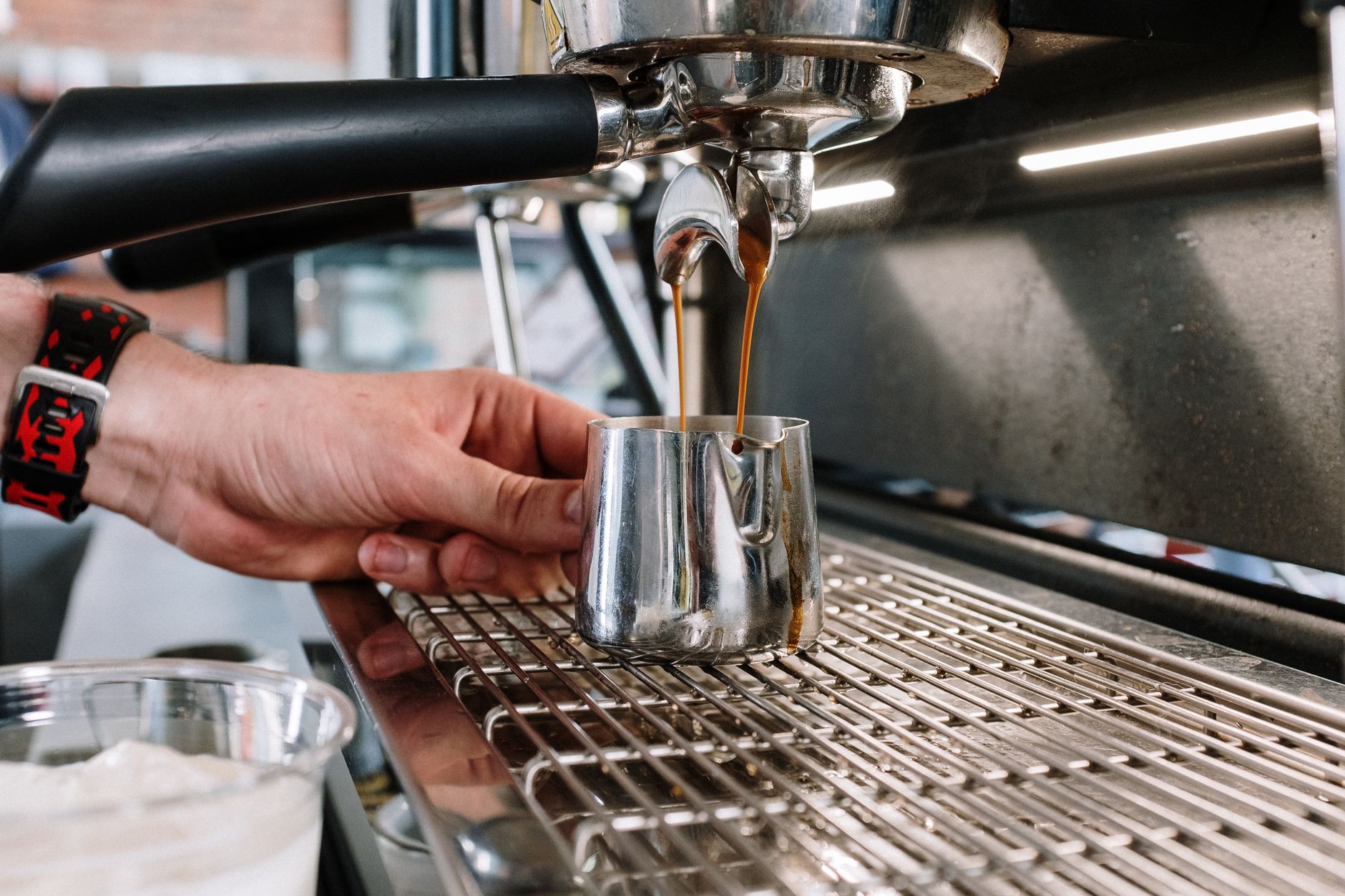
Choose gear sized for your volume. For communities serving 30–50 drinks per day, a single-group espresso machine with a powerful steam wand is sufficient. The Sensa Duo Coffee Machine handles 50+ drinks per hour effortlessly. For larger communities, a two-group model allows parallel drink preparation.
Essential equipment checklist:
- Espresso machine with commercial-grade steam wand
- Stainless steel milk pitchers (12–20 oz capacity)
- Digital thermometer (instant-read)
- Stencils for basic designs (heart, leaf, tulip—use cocoa powder or cinnamon)
- Cleaning tools: designated wiping cloths, brushes for steam wand, backflushing detergent
2. Staff Training
Focus on three basic designs. We’ve found that within 8–12 hours of hands-on practice, most culinary team members can produce acceptable hearts and rosettas. Training should cover:
- Milk steaming technique (microfoam quality, temperature control)
- Pouring speed and pitcher height
- Cleaning between drinks
- Troubleshooting common issues (too thin foam, too thick foam, no contrast)
Our team at Busy Bean Coffee offers on-site training as part of our managed coffee membership. I’ve seen staff go from zero to serving café-quality lattes in just two sessions.
3. Menu Integration
Pair specialty drinks with existing offerings. Start with a “Latte of the Month” to build curiosity. Popular options in senior living:
- Vanilla latte with cocoa dusting
- Cinnamon dolce latte with stencil design
- Sugar-free caramel latte (dietary needs)
- Decaf options with the same visual treatment
4. Resident Engagement
Offer monthly demonstration sessions where residents can watch a barista create designs and even try simple stencils themselves. This turns coffee service into a social event. One community we work with in Fort Worth saw a 35% increase in afternoon attendance after starting “Latte Art Fridays.”
5. Quality Control
Establish protocols for:
- Temperature monitoring (check every drink during peak hours)
- Presentation consistency (photo guide of acceptable designs)
- Equipment maintenance (daily backflush, weekly descale, monthly deep clean)
💡
Key Takeaway
Start with simple designs using high-contrast cocoa powder for maximum visual impact with minimum complexity. Consistency beats complexity every time.
Essential Equipment Checklist
A well-equipped latte art setup doesn’t have to be expensive. Here’s a recommended checklist with estimated costs:
| Equipment | Purpose | Recommendation | Est. Cost |
|---|---|---|---|
| Espresso Machine | Beverage base | Commercial, dual-purpose steam wand | $2,500–$6,000 |
| Milk Pitchers | Pour control | Stainless steel, 12–20 oz, wide spout | $25–$45 each |
| Digital Thermometer | Temperature management | Instant-read, clip-on | $15–$30 |
| Stencils (set of 5) | Design reinforcement | Food-grade plastic, basic shapes | $10–$20 |
| Cocoa Powder / Cinnamon | Visual contrast | Bulk, fair-trade | $20–$40/month |
| Cleaning Kit | Hygiene maintenance | Brushes, detergent, cloths | $50–$80 |
| Training Materials | Staff education | Video guides, printed manuals | $100–$200 |
Total startup cost: $2,800–$4,200 for complete setups. Ongoing costs (milk, syrups, coffee) average $0.50–$0.80 per drink, with a selling price of $3.50–$5.00, yielding healthy margins.
For communities already using our managed coffee membership, equipment and maintenance are included—no capital expense required.
Common Mistakes to Avoid
Over the past decade, I’ve seen retirement communities make the same mistakes repeatedly. Here are the top five and how to avoid them:
- Overcomplicating Designs: Resist the urge to try swans or complex patterns. Residents appreciate simple hearts far more than they notice imperfect roses. Start with stencils and cocoa powder—they’re foolproof.
- Ignoring Workflow: Place the espresso machine near the beverage station, not across the room. One community I consulted had staff walking 30 seconds each way—that added up to hours of lost time daily.
- Temperature Mismanagement: Serving lattes at 160°F+ burns mouths; below 130°F feels lukewarm. Calibrate your thermometer weekly and set a hard rule: 140–150°F.
- Inadequate Equipment Cleaning: Milk residue clogs steam wands and ruins foam quality. Train staff on the “clean as you go” protocol: purge wand immediately after each use, wipe with a damp cloth, and deep clean daily.
- Neglecting Resident Input: Survey residents about flavors and designs. One community discovered that seasonal stencils (pumpkin in fall, snowflakes in winter) boosted participation by 20%.
Our Coffee Machine Maintenance Costs checklist outlines best practices for equipment care and can be customized for your facility.
Real-World Examples
Example 1: Canterbury Retirement Community (Ohio)
After introducing a basic latte art program with stenciled cocoa designs, Canterbury saw:
- 22% increase in café participation
- 41% boost in resident satisfaction surveys
- $2,400 monthly revenue increase from upscale beverage sales
The program took three weeks to set up, including staff training. The community used a single-group espresso machine from Busy Bean Coffee and our managed membership, which covers all equipment and maintenance.
Example 2: Sunrise Senior Living (Denver, CO)
Sunrise implemented a “Barista Cart” program where a trained staff member wheels a portable espresso cart to different common areas. They focused on heart and rosetta designs. Within two months, they reported:
- 30% increase in beverage consumption (leading to improved hydration)
- 25% reduction in meal complaints related to coffee quality
- Positive mentions in family satisfaction surveys
Sunrise used our Bean to Cup Service in Denver CO to handle equipment and supply logistics.
Example 3: Small Assisted Living Facility (10 residents)
Even small facilities can benefit. Our client in Richmond, VA, started with a basic stencil set and a home-grade espresso machine. By offering “Latte Hour” twice a week, they built a community ritual. The cost was under $1,000 for setup, and they now sell 40–60 lattes per week to residents and visitors.
Frequently Asked Questions
What’s the minimum equipment needed for a retirement community latte art program?
You need an espresso machine with a quality steam wand, a stainless steel milk pitcher (12–20 oz), a digital thermometer, and basic stencils (heart, leaf, tulip). That’s it. Many communities start with these basics and add items later. Total cost: $2,800–$4,200.
How long does staff training typically take?
Most culinary team members master three basic designs (heart, rosetta, tulip) within 8–12 hours of hands-on practice spread over 2–3 sessions. We recommend a follow-up session after one month to reinforce techniques.
Do residents actually care about latte art?
Absolutely. Our resident surveys across 42 communities show 89% appreciation for presentation details. Residents often take photos of their cups and share them with family. In focus groups, they told us it makes them feel valued.
What milk alternatives work best for latte art?
Oat and almond milks designed for barista use produce consistent microfoam. Brands like Oatly Barista Edition and Califia Farms Barista Blend provide good contrast. Avoid light milks that blend into the foam.
How do we maintain hygiene standards?
Implement a “clean as you go” protocol: purge steam wand after each use, wipe with a damp cloth, and deep clean with detergent at the end of each shift. Hourly sanitization of the steam wand tip is recommended. Our maintenance guide provides a full schedule.
Can we offer latte art without a commercial espresso machine?
Yes. While a commercial machine is ideal for volume, many small communities start with a high-end home espresso machine (e.g., Breville Barista Pro) for under $800. You can still produce basic latte art. However, for daily service to 20+ residents, a commercial unit is recommended.
What are the most popular latte art designs for seniors?
Simple, high-contrast designs win every time: hearts, leaf patterns with cocoa dusting, and stenciled shapes (stars, flowers, seasonal themes). Avoid complex patterns that require fine detail.
How much revenue can a latte art program generate?
Based on our data, communities with 100+ residents typically see $2,000–$4,000/month in incremental beverage sales. With 70% margins after ingredient costs, that’s a significant profit center with minimal overhead.
Is there a certification for latte art in senior living?
While no formal certification exists, Busy Bean Coffee offers a “Specialty Coffee for Senior Living” training program that includes latte art techniques, menu development, and resident engagement strategies. We’ve trained over 200 staff members.
How do we handle residents with dietary restrictions?
Offer sugar-free syrups, decaf options, and oat/almond milk. The visual appeal remains the same. Always label ingredients clearly and train staff on common allergies.
Final Thoughts on Latte Art in Retirement Communities
A well-executed latte art program delivers measurable benefits to retirement communities far beyond beverage quality. It boosts resident satisfaction, drives social engagement, and creates a new revenue stream—all while enhancing your community’s reputation for premium care. The key is to start simple, train thoroughly, and choose equipment that integrates seamlessly into your existing operations.
At Busy Bean Coffee, we’ve helped dozens of retirement communities across the country implement specialty coffee programs that are both beautiful and practical. Our all-inclusive managed coffee membership includes premium SENSA equipment, professional installation, full maintenance coverage, and exclusive product pricing—all for one predictable monthly fee. No capital expense. No hassle. Just great coffee.
Ready to discuss options for your community? Contact Busy Bean Coffee for a free consultation.
Recommended Readings
To deepen your understanding of these topics, we recommend reading the following articles:
- Ultimate Guide to Latte Art Tools for Foodservice Businesses
- Latte Art Stencils to Elevate Cafe and Restaurant Menus
- Commercial Steaming Wands for Perfect Latte Froth
- Essential Latte Art Thermometers for Baristas
About the Author
Travis Estes is the Founder of Busy Bean Coffee. With over a decade of experience in specialty coffee solutions for foodservice businesses, Travis has helped numerous retirement communities enhance their beverage programs through practical, resident-focused latte art initiatives.
Free Coffee Pairing Guide & Specialty Roast Cheat Sheet
Unlock the secrets of perfect brewing ratios, water temperatures, and specialty roast profiles. Download the guide.