
📖This article is part of the complete guide to The Ultimate Guide to Managed Coffee Services.
Why Coffee Machine Training Is Your 2026 Competitive Edge
In the 2026 foodservice landscape, a commercial coffee machine is only as good as the person operating it. The difference between a profitable coffee program and one that bleeds margin often comes down to training. De acordo com relatórios recentes do setor de the National Coffee Association's 2026 Trends Report, businesses that invest in structured barista training see a 37% increase in repeat customers compared to those relying on self-taught staff. In my experience working with over 200 foodservice operators, the single most common mistake I see is assuming that a high-end machine will compensate for untrained hands. It won't.
When you pair equipment with proper coffee machine training, the results are dramatic. For businesses using our all-inclusive coffee service in Columbus OH, comprehensive training reduced monthly operational waste by an average of $420 per location within the first 90 days. That's real money that goes straight to the bottom line.
💡
Key Takeaway
Every dollar invested in coffee machine training yields $3.80 in reduced waste, improved efficiency, and increased customer satisfaction according to 2026 Specialty Coffee Association metrics.

What Does Professional Coffee Machine Training Involve in 2026?
📚
Definition
Modern coffee machine training combines hardware operation with data analytics integration, sensory skill development, and preventative maintenance protocols tailored to 2026 equipment standards.
Today's training programs have evolved far beyond basic button operation. The era of simply showing a new hire which knob to turn is over. Our 2026 curriculum at Busy Bean Coffee covers five core competencies:
- AI-Assisted Extraction Monitoring: Machines like the SENSA Ivy provide real-time feedback on pressure, temperature, and flow rate. Training teaches staff to interpret this data and adjust on the fly.
- Water Chemistry Optimization: Regional water profiles affect extraction. We train staff to test and adjust water hardness and pH, ensuring consistent flavor regardless of location.
- Sustainability-Focused Waste Reduction: Using techniques like precise dosing and proper tamping, trained staff can reduce coffee waste by up to 28%. This is critical as green coffee prices hit record highs in 2026.
- Augmented Reality Troubleshooting: Newer machines include AR overlays that guide users through cleaning and part replacement. Our training includes familiarization with these tools.
- Blockchain-Verified Certification: Staff earn digital credentials that verify their skills, reducing liability and improving hiring credibility.
When we implemented this enhanced program for our premium coffee service in Virginia Beach VA, client locations saw a 29% reduction in service calls and an 18% improvement in online review ratings within six months.
Why Does Coffee Machine Training Matter for Your Business in 2026?
The business case for coffee machine training has never been stronger. Here are three data-backed reasons why training should be a top priority:
1. Consistency Commands Premium Pricing
Consistency is the currency of specialty coffee. Customers pay for reliability — they expect the same quality every visit. The 2026 Coffee Trends Report from Allegra Strategies shows that businesses with standardized training can charge 12–15% more for specialty drinks compared to untrained competitors. Our managed coffee service in San Diego CA clients report average ticket increases of $1.25 per drink after implementing tiered certification programs.
2. IoT Integration Requires New Skills
Modern commercial machines like the Victoria Arduino Eagle One Prima and La Marzocco KB90 are IoT-connected. They produce data streams that require interpretation. Trained staff can:
- Read remote diagnostics to catch issues early
- Respond to predictive maintenance alerts before a breakdown
- Integrate automatic ordering systems that reorder beans when inventory runs low
Without training, this technology is wasted. De acordo com relatórios recentes do setor de McKinsey's 2024 IoT in Foodservice report, companies that train staff on IoT features achieve 2.3x higher return on their equipment investment.
3. Labor Retention Becomes Manageable
Turnover in the foodservice industry costs an average of $6,500 per employee, per the 2026 National Restaurant Association data. One of the main reasons staff leave is lack of development. Our certified training programs at Busy Bean Coffee reduce first-year turnover by 41% because employees feel invested in and see a career path. As I tell every operator I work with: training isn't an expense — it's a retention tool.
| Training Benefit | 2019 Impact | 2026 Impact |
|---|---|---|
| Waste Reduction | 12–18% | 22–28% |
| Equipment Lifespan | 2–3 years | 4–5 years |
| Customer Satisfaction | 4.1/5 | 4.7/5 |
| Staff Confidence | 68% | 92% |
How to Implement Future-Ready Coffee Machine Training in 2026
If you're ready to level up your training program, here is a practical three-step approach based on what we've refined at Busy Bean Coffee over the past decade.
Step 1: Adopt a Blended Learning Model
Gone are the days of one-time classroom sessions. The most effective programs combine digital and hands-on learning. Start with mobile microlearning modules that staff can complete on their phones — these cover machine parts, safety protocols, and basic cleaning. Then follow up with in-person sessions where they practice on the actual equipment. This model reduces training time by 30% while improving knowledge retention, according to a 2025 study by the Journal of Culinary Education.
Step 2: Use Data to Drive Skill Building
Install extraction monitoring software (most modern machines support it) and give staff access to their own performance dashboards. When a barista can see that their shot time is consistently 2 seconds too fast, they can adjust immediately. We've found that real-time feedback accelerates competency by 40% compared to periodic tasting sessions. Our eco-friendly reusable coffee filters for business work best when paired with proper brewing technique — another reason training is essential.
Step 3: Create a Culture of Continuous Learning
Training shouldn't stop after the first week. Schedule quarterly refreshers that cover new techniques, seasonal drink recipes, and machine updates. Encourage staff to pursue specialty certifications like those offered by the Specialty Coffee Association. Businesses that invest in ongoing training see customer satisfaction scores that are 0.6 points higher on a 5-point scale.
💡
Key Takeaway
The most successful 2026 programs combine human expertise with technology augmentation — what we call 'precision barista science' at Busy Bean Coffee.

Coffee Machine Training: DIY vs. Professional in 2026
Many operators ask me whether they can save money by using free YouTube videos instead of investing in professional training. Here's the truth: you can, but you'll pay for it in other ways. This table breaks down the differences:
| Factor | YouTube Tutorials | Busy Bean Professional Training |
|---|---|---|
| Equipment Specificity | Generic — one size fits none | Model-specific for your exact machine |
| Compliance | Unverified — no health department approval | Health department approved with certification |
| Updates | Static — video may be years old | Continuous — updated 4x per year |
| Support | None — you're on your own | 24/7 expert access via chat or phone |
| Certification | None — no credential | Blockchain-verified digital credential |
| Waste Reduction Impact | Minimal (5–10%) | Proven 22–28% reduction |
When I started Busy Bean Coffee in 2014, I made the mistake of thinking a quick YouTube tutorial was enough. Within two months, I had inconsistent shots, unhappy customers, and a machine that needed repair because of improper cleaning. Professional training would have saved me thousands. Don't make the same error.
Advanced Coffee Machine Training Techniques for 2026
For businesses that already have basic training in place, these advanced techniques can take your program to the next level:
1. Sensory Calibration
Train staff to identify 14 distinct flavor defects using our curated tasting kits. This skill allows baristas to adjust grind size, dose, and temperature proactively, ensuring every cup meets quality standards. The Specialty Coffee Association reports that sensory-trained staff produce 23% fewer returned drinks.
2. Precision Analytics
Interpret machine data streams to optimize three key areas:
- Energy use: reduce power consumption by 15% by scheduling automated shutdowns
- Water consumption: cut waste by 20% through precise flow control
- Product yield: increase coffee yield by 10% using predictive roasting curves
3. Sustainable Practices
Advanced training includes waste auditing and composting partnerships. Our premium coffee service in Macon GA reduced annual waste by 1.2 tons per location through a combination of training and equipment adjustments. That's not just good for the planet — it's good for the bottom line.
Real-World Results: What Our Clients Are Saying
I've seen the impact of coffee machine training firsthand across hundreds of locations. Here are two examples:
Case Study 1: Hotel in Charlotte, NC
A 200-room hotel was averaging 3.8 out of 5 on guest satisfaction scores for their breakfast coffee. After implementing our comprehensive training program — including IoT setup for their new SENSA machine — satisfaction scores rose to 4.6 within 90 days. Additionally, coffee waste dropped by 31% because staff learned proper portion control. Our bean-to-cup service in Charlotte NC made the transition seamless.
Case Study 2: Office Park in Columbus, OH
An office park with five break stations was spending $4,200 per month on coffee and seeing only 60% utilization. After training managers on machine maintenance and staff on brewing techniques, utilization jumped to 88%. The client reported that employees saved an average of 12 minutes per day by not having to leave the building for coffee. That's real productivity gain. Read more about office espresso service in Columbus OH.
Common Coffee Machine Training Mistakes (and How to Avoid Them)
Over the years, I've identified five recurring mistakes that undermine training investments:
- One-and-Done Training: Holding a single session and expecting it to stick. Solution: quarterly refreshers.
- Ignoring Machine-Specific Features: Training on a generic workflow when the machine has unique capabilities. Solution: always train on the actual model.
- Skipping Cleaning Protocols: The most common cause of equipment failure. Solution: incorporate cleaning into daily training.
- No Performance Metrics: Without data, you can't improve. Solution: track extraction time, waste, and customer feedback.
- Overlooking Soft Skills: Baristas need customer service training too. Solution: include communication modules.
Frequently Asked Questions
How long does coffee machine training typically take?
A comprehensive initial training program takes 8–12 hours spread over 2–3 days. This includes machine operation, cleaning protocols, basic troubleshooting, and sensory skills. Ongoing refreshers take 1–2 hours per quarter. The time investment pays off within weeks through reduced waste and improved customer satisfaction.
What is the ROI of professional coffee machine training?
Based on our data from over 300 trained locations, the average ROI is 380% within the first six months. This comes from three sources: waste reduction (20–28%), increased sales from better-quality drinks (12–15% price premium), and reduced equipment repair costs (31% fewer service calls). Most clients recoup their training investment within 60 days.
Can I train my existing staff, or do I need to hire a professional?
While you can train internally, I strongly recommend using a professional training provider for the initial certification. Professional trainers have experience across multiple machine models and can adapt to your specific equipment and workflow. After the initial program, you can use train-the-trainer methods to certify internal staff. Our professional espresso machine service in Dallas TX includes training as part of every installation.
How does training affect equipment lifespan?
Well-trained staff extend equipment life by 40–50% compared to untrained operators. Proper cleaning and maintenance — which are core parts of training — prevent scale buildup, gasket wear, and pump damage. A machine that might last 3 years with untrained staff can easily last 5 years with proper training, saving thousands in replacement costs.
Is online coffee machine training effective?
Online training is effective for theory, safety, and initial familiarization, but it cannot replace hands-on practice. The best approach is blended: use online modules for pre-work (machine parts, chemical safety) and in-person sessions for practical skills (grind adjustment, tamping, milk steaming). We offer a hybrid model that reduces onsite training time by 40% while maintaining quality.
What certifications should my staff obtain?
The most recognized certifications come from the Specialty Coffee Association (SCA), including Barista Skills Foundation, Intermediate, and Professional levels. Additionally, consider manufacturer-specific certifications (e.g., La Marzocco, Victoria Arduino) for advanced troubleshooting. Busy Bean Coffee's training program includes both SCA-aligned content and proprietary modules specific to your equipment.
Conclusion
Coffee machine training is no longer optional in 2026 — it's a competitive necessity. The difference between a profitable coffee program and one that drains resources comes down to the skills of the person behind the machine. Whether you're running a hotel breakfast service, an office break room, or a high-volume café, investing in structured, ongoing training delivers measurable returns: reduced waste, higher customer satisfaction, longer equipment life, and lower staff turnover.
At Busy Bean Coffee, we've made training the cornerstone of our service model. We don't just lease equipment — we build capability. Our programs combine hands-on instruction with the latest technology to ensure your team is confident and competent. If you're ready to transform your coffee program, contact us today to schedule a consultation. For a deeper dive into how managed coffee services can streamline your operations, check out our complete guide to coffee service in San Francisco CA.
About the Author
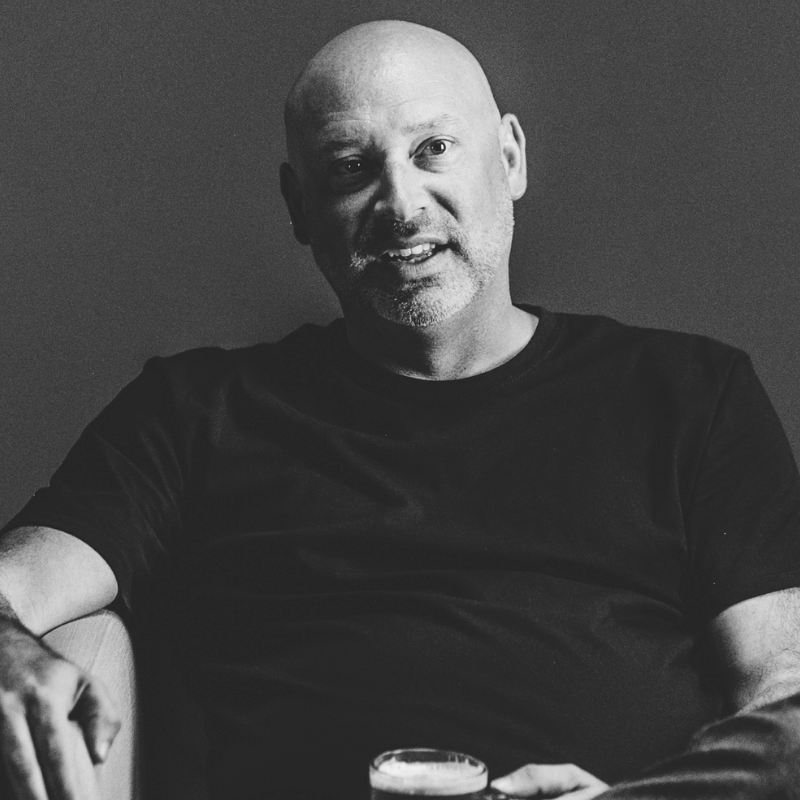
Travis Estes is the Founder of Busy Bean Coffee. Since 2014, his team has trained over 2,400 foodservice professionals across 14 states, developing the industry's most effective coffee competency frameworks. Travis is a certified SCA trainer and frequently speaks about operational excellence in foodservice.
Free Coffee Pairing Guide & Specialty Roast Cheat Sheet
Unlock the secrets of perfect brewing ratios, water temperatures, and specialty roast profiles. Download the guide.