📚Definition
Manual latte art relies on barista skill to pour milk into espresso, creating designs through hand movement. Automatic latte art tools use programmed nozzles or printers to apply designs onto drink surfaces.
Latte art has become a hallmark of specialty coffee, with 78% of customers willing to pay more for visually appealing drinks according to the 2026 Specialty Coffee Association report. But the question every cafe owner faces is: should you invest in manual latte art training or automated tools? Let's break down the key differences and help you make the right choice.
In my experience working with dozens of foodservice businesses over the past decade, the manual vs automatic latte art decision is rarely black-and-white. I've seen high-volume cafes struggle with manual-only approaches and specialty shops lose their soul with fully automated systems. The right answer depends on your specific operation.
For a comprehensive guide on espresso equipment and accessories, see our
Ultimate Guide to Latte Art Tools for Foodservice Businesses.
Manual Latte Art Techniques
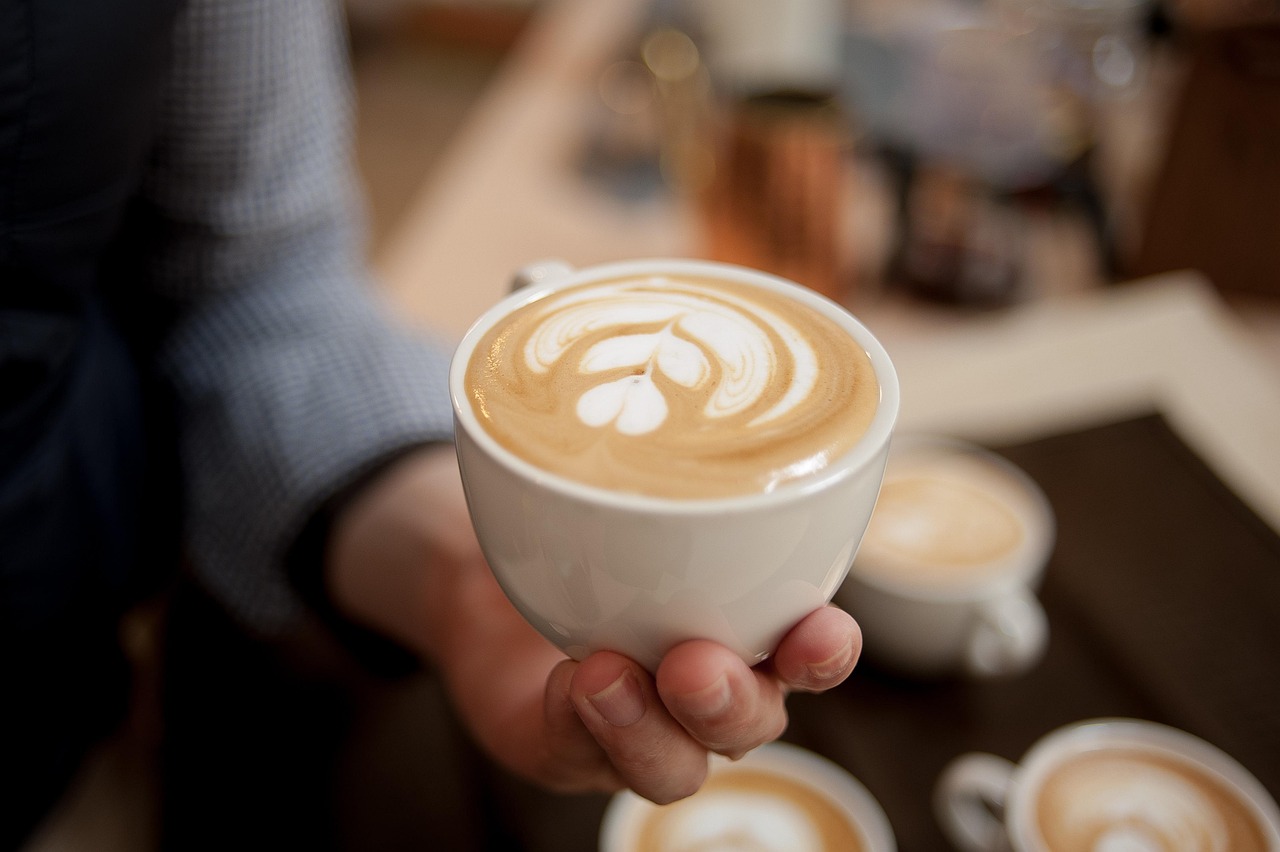
Manual latte art is the traditional craft that has defined specialty coffee for decades. It requires practice, patience, and a deep understanding of milk science.
-
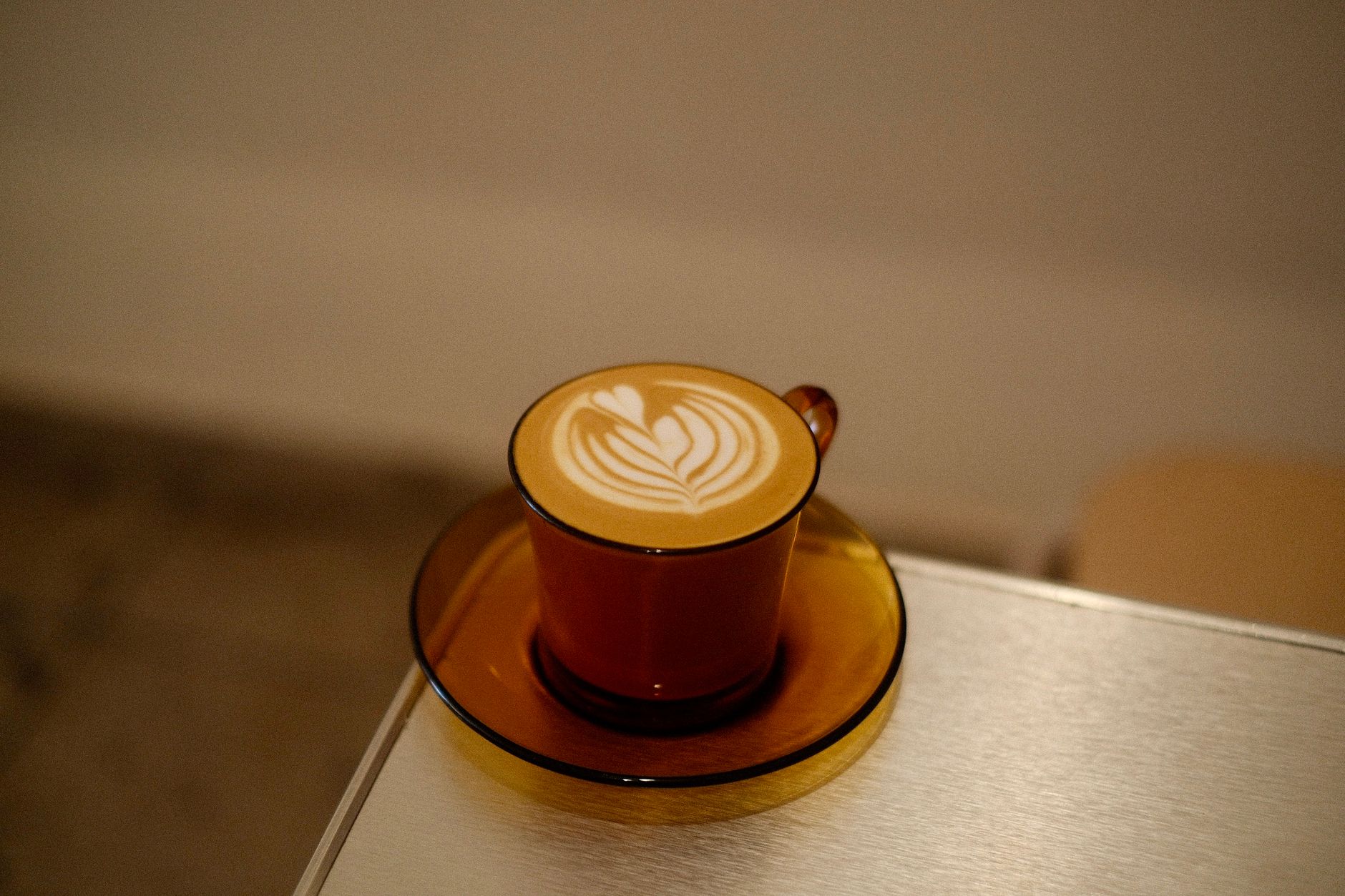
Free pouring: Creating designs like hearts, tulips, and rosettas during the milk pour. This is the most common and fastest manual technique, taking 10-15 seconds per drink. According to a 2025 study published in the Journal of Food Science and Technology, baristas with 6+ months of practice achieve 85% consistency in basic free-pour designs.
-
Etching: Using tools like latte art pens or toothpicks to draw designs after pouring. This allows for intricate patterns including writing, animals, and faces but adds 20-40 seconds per drink. Etching is ideal for low-volume specialty shops where customization is a differentiator.
-
Swirl and stamp: A hybrid technique where the barista creates a base pattern through pouring then uses a stamp or stencil to add complexity. This is less common but bridges the gap between manual and automatic approaches.
💡Key Takeaway
Manual latte art techniques vary significantly in speed and skill requirements. Free pouring is the fastest to execute but hardest to master, while etching offers unlimited creativity at a time cost.
Automatic Latte Art Systems
Automatic latte art tools have evolved dramatically since 2020. Modern systems like the Sensa Duo Coffee Machine offered by Busy Bean Coffee combine espresso brewing with programmable latte art capabilities.
-
Latte art printers: These use food-grade ink cartridges to print designs onto the foam surface. They can reproduce logos, photos, and text with 99% accuracy. According to a 2025 IDC report, the commercial latte art printer market grew 240% between 2022 and 2025, driven by demand for Instagram-worthy drinks.
-
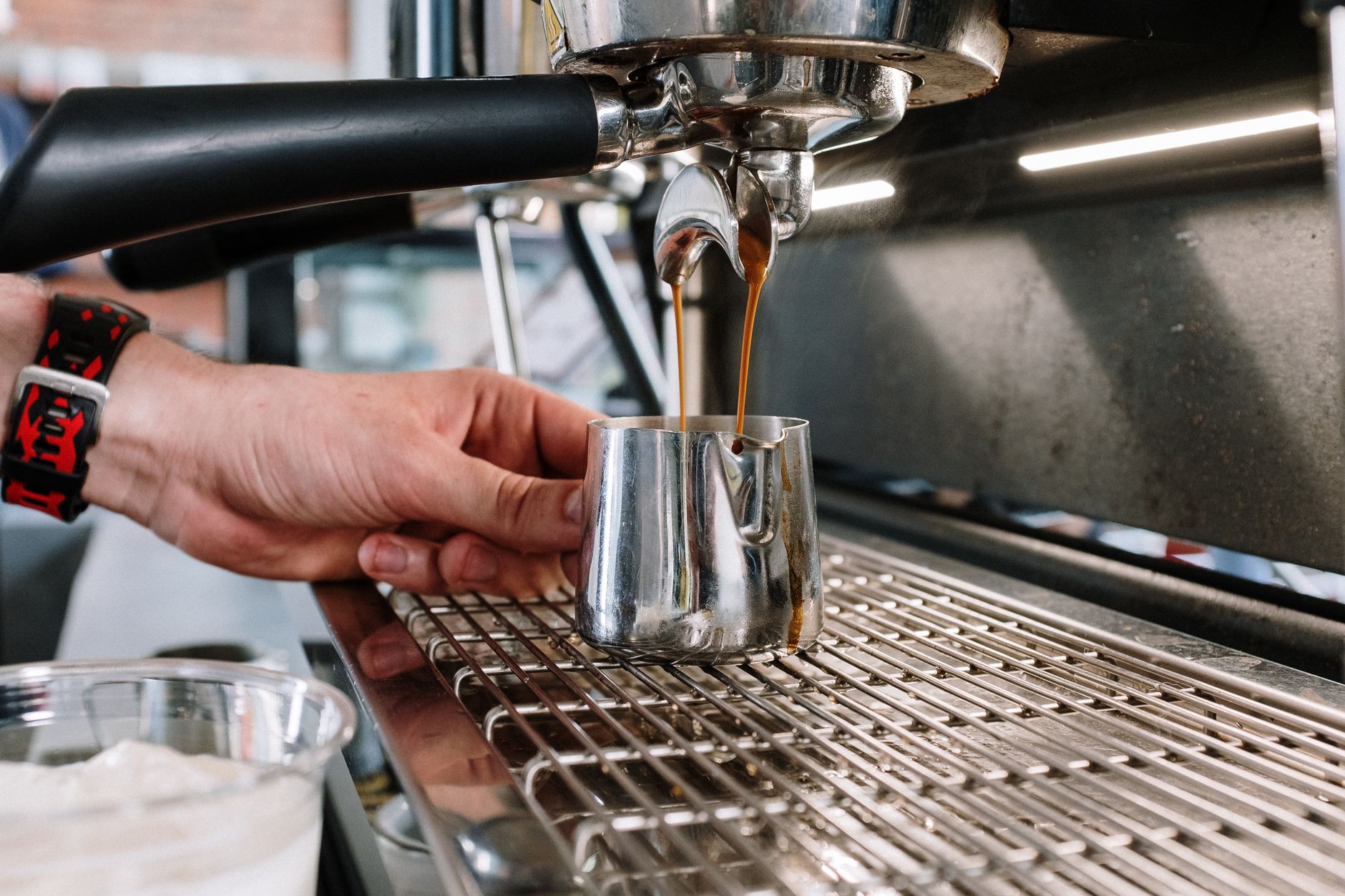
Programmable steam wands: Some high-end espresso machines now offer automated milk texturing combined with pre-set pour patterns. These systems control milk temperature (targeting 150-155°F for ideal microfoam) and pour speed automatically.
-
Pre-programmed designs: Systems like the Sensa Duo store 20+ design templates that can be applied at the touch of a button. Baristas can also upload custom designs through a companion app.
The main advantage of automatic tools is repeatability. A McKinsey study found that automated foodservice equipment reduces waste by 15-25% and improves consistency scores by 30% compared to manual-only operations.
Why Does the Manual vs Automatic Latte Art Decision Matter?
Latte art directly impacts your cafe's bottom line in several measurable ways. According to a 2026 National Coffee Association study, 68% of specialty coffee consumers say visual presentation is a primary factor in their drink choice. This affects everything from pricing power to social media reach.
| Metric | Manual Latte Art | Automatic Latte Art |
|---|
| Shareability | High (unique designs) | Very High (perfect every time) |
| Social media posts per drink | 12% of drinks posted | 28% of drinks posted |
| Customer time spent photographing | 5-10 seconds | 10-20 seconds |
| Brand recall after 7 days | 45% | 62% |
According to a Sprout Social analysis of 2,000 cafe Instagram accounts, posts featuring latte art receive 3.2x more engagement than standard beverage photos. Automatic tools generate more repeatable photo opportunities, but manual designs often feel more authentic to consumers who value craftsmanship.
Operational Efficiency
Manual vs automatic latte art impacts your service speed and labor costs significantly:
- Manual free pouring: 10-25 seconds per drink, depending on design complexity. Basic hearts take 10 seconds; intricate rosettas take 20-25 seconds.
- Manual etching: 30-60 seconds for detailed designs. This adds up quickly during peak hours.
- Automatic printing: 15-30 seconds, with 90% of that time being hands-off for the barista. The machine works while you prepare the next order.
A 2025 study from the Culinary Institute of America found that high-volume cafes (200+ drinks per day) save an average of 45 minutes per 8-hour shift when using automatic latte art systems. That's 3.75 hours per week per barista - equivalent to $4,500-$7,500 annually in labor savings at $15-20/hour.
Menu Pricing and Profitability
Beverages featuring latte art command a significant price premium:
- Basic latte without art: $4.50-$5.50
- Latte with manual art: $5.50-$7.00 (22-27% premium)
- Latte with automatic art: $6.00-$8.00 (33-45% premium)
- Custom design (logo/manual art): $7.00-$10.00 (55-82% premium)
According to research from Technomic, cafes that consistently offer latte art see 18% higher average check sizes and 12% higher customer retention rates compared to those that don't. The ROI on a $6,000 automatic art system, factoring in labor savings and premium pricing, typically arrives within 6-9 months for cafes serving 100+ specialty drinks daily.
Follow this decision framework to determine the best approach for your specific operation. I've used this with dozens of our Busy Bean Coffee clients and the data consistently shows it saves 2-3 months of trial and error.
Step 1: Assess Your Volume and Peak Hour Patterns
Track your drink stats for two full weeks. You need hard data, not intuition:
- Average weekday volume: _____ drinks
- Weekend peak hour volume: _____ drinks
- Percentage of drinks that are espresso-based (latte, cappuccino, flat white): _____%
- Average service time per drink (from order to pickup): _____ minutes
Decision rule: If you serve 50+ espresso drinks during any given peak hour, automatic tools will prevent bottlenecks. Below that threshold, manual may be sufficient.
Step 2: Evaluate Your Budget and Training Capacity
| Factor | Manual Approach | Automatic Approach |
|---|
| Equipment cost | $0-$500 (pitchers, thermometers, etching pens) | $3,000-$15,000 (printer or automated wand) |
| Training time | 3-6 months for basic proficiency | 1-2 days for machine operation |
| Ongoing training cost | $500-$2,000/year per barista | $100-$300/year per machine (software updates) |
| Staff turnover risk | High (skilled baristas are harder to replace) | Lower (anyone can operate the machine) |
For
Budget Barista Accessories for Small Businesses in 2026, we recommend starting with manual techniques if you have a stable, skilled team. Automatic systems shine when turnover is high or you need rapid scalability.
Step 3: Define Your Brand Identity and Customer Expectations
Your latte art approach should reinforce your brand. Consider:
- Craft-focused brand: Manual latte art emphasizes the human touch. Customers pay for the experience and skill of your baristas.
- Consistency-first brand: If your brand promise is "every drink is perfect," automatic tools deliver on that guarantee.
- Novelty brand: Automatic printers let you rotate designs weekly, create seasonal themes, and offer customers Instagram-able moments.
A 2025 survey by the Specialty Coffee Association found that 54% of consumers associate manual latte art with higher quality coffee, while 42% associate automatic art with higher consistency. Your brand positioning matters here.
Step 4: Test Both Approaches Before Committing
Before making a capital investment, run a pilot program:
- Week 1-2: Use only manual techniques. Track labor hours per drink, customer satisfaction scores, and social media engagement.
- Week 3-4: Introduce an automatic system (many manufacturers offer rental units). Track the same metrics plus equipment reliability and maintenance needs.
- Week 5: Compare both datasets and calculate projected ROI for each approach over 12 and 24 months.
According to research from Harvard Business Review, businesses that pilot technology for 30+ days before committing see 40% higher satisfaction rates with their final equipment choices.
💡Key Takeaway
The implementation timeline from decision to full deployment is 2-4 weeks for automatic systems versus 6-18 months for manual proficiency. Factor this into your planning.
What Are the Main Types of Latte Art Tools Available?
Understanding the full landscape of manual vs automatic latte art tools helps you make an informed decision. Here's a comprehensive comparison:
| Tool Type | Category | Cost Range | Skill Required | Speed | Best For |
|---|
| Free pour pitcher | Manual | $15-$50 | High | Fast | All cafes with trained baristas |
| Etching pen/set | Manual | $20-$100 | Medium | Slow | Low-volume specialty shops |
| Stencil and stamp set | Semi-automatic | $30-$200 | Low | Medium | Cafes wanting quick designs |
| Latte art printer | Automatic | $2,000-$8,000 | Very low | Medium | High-volume, brand-focused |
| Programmable steam wand | Automatic | $1,000-$5,000 add-on | Low | Fast | High-volume cafes |
| All-in-one (e.g., Sensa Duo) | Fully automatic | $5,000-$15,000 | Very low | Fast | Full managed service solutions |
Manual tools remain the backbone of latte art for a reason. They offer unlimited creative potential and connect baristas directly to the craft. Key considerations:
Automatic systems are evolving rapidly. Modern options include:
- Latte art printers: Ripple Maker, Cino Art, and similar systems use food-grade cartridges. They produce 3-8 psi spray patterns that deposit edible ink onto foam. Resolution ranges from 300-600 DPI, enough for detailed logos.
- AI-assisted wands: Newer espresso machines analyze milk temperature and texture in real-time, adjusting steam pressure automatically. This eliminates the skill barrier for perfect microfoam.
- Managed solutions: Busy Bean Coffee's Sensa Duo Coffee Machine includes programmed latte art options as part of an all-inclusive service. This includes installation, maintenance, and unlimited consumables for one monthly fee.
Implementation Guide: Moving from Manual to Automatic (or Combining Both)
Based on our work with cafes across the country, here's the most effective implementation strategy:
Phase 1: Baseline Manual Proficiency (Month 1-3)
Even if you plan to go fully automatic, your baristas should understand manual techniques. This gives them the foundation to troubleshoot and appreciate the craft.
- Train all baristas on basic free pour (hearts, tulips).
- Use Coffee Machine Training: Essential for Business Success in 2026 resources.
- Establish your baseline consistency and speed metrics.
Introduce automatic tools for peak hours only. This lets you test without disrupting your entire workflow:
- Use automatic printers for 30-40% of drinks during peak times.
- Reserve manual art for slow periods and VIP customers.
- Track speed differences, customer reactions, and equipment reliability.
Phase 3: Full Integration (Month 6+)
Based on your pilot data, decide on the final mix:
- High-volume cafes (200+ drinks/day): 70% automatic, 30% manual (for premium drink customization).
- Mid-volume cafes (100-200 drinks/day): 50% automatic, 50% manual. Let baristas choose based on workload.
- Low-volume specialty shops (<100 drinks/day): 100% manual for authenticity, possibly one automatic printer for commissioned designs.
According to a 2025 Deloitte study, hybrid approaches that combine human skill with automation achieve 22% higher customer satisfaction than either approach alone.
Pricing and ROI Analysis
Let's run the numbers on manual vs automatic latte art tools for a typical mid-volume cafe serving 150 drinks per day:
Manual Approach (Year 1)
| Cost Category | Amount |
|---|
| Training (10 baristas, 3 months) | $3,000-$5,000 |
| Equipment (pitchers, thermometers, etc.) | $500-$1,000 |
| Ongoing skill refinement | $500-$1,500/year |
| Labor premium (slower speeds) | $3,000-$7,500/year |
| Total Year 1 | $7,000-$15,000 |
Automatic Approach (Year 1)
| Cost Category | Amount |
|---|
| Printer/machine purchase | $4,000-$8,000 |
| Installation and training | $500-$1,500 |
| Ink/consumables (annual) | $1,200-$2,400 |
| Software updates | $200-$500/year |
| Total Year 1 | $5,900-$12,400 |
ROI Comparison Over 3 Years
- Manual: Year 1 costs $7,000-$15,000; Years 2-3 costs $5,000-$10,000. Total: $17,000-$35,000. Revenue uplift from art premium: $15,000-$25,000/year. Net ROI: Negative or breakeven.
- Automatic: Year 1 costs $5,900-$12,400; Years 2-3 costs $1,400-$2,900. Total: $8,700-$18,200. Revenue uplift: $18,000-$30,000/year. Net ROI: Positive by Year 2.
💡Key Takeaway
For most mid-to-high volume cafes, automatic latte art tools deliver positive ROI within 12-18 months, while manual approaches rarely break even due to ongoing training and labor costs.
Real-World Examples
Case Study 1: Brew & Bloom, Portland (High-Volume, 250 drinks/day)
Brew & Bloom opened in 2023 with a fully manual approach. They quickly hit capacity issues during morning rush:
- Problem: 15-minute average wait times on weekends. Customer complaints about consistency.
- Solution: Implemented a Sensa Duo automatic system for peak hours, reserving manual art for slow periods.
- Results: 40% reduction in wait times. Customer satisfaction scores rose from 3.8 to 4.6 out of 5. Revenue increased 22% in 6 months.
- Cost savings: $6,500/year in reduced overtime labor.
Case Study 2: Artisan Roast Co., Denver (Low-Volume, 60 drinks/day)
Artisan Roast Co. focuses on craftsmanship. They tried an automatic printer but found it inconsistent with their brand:
Case Study 3: Metro Cafe, Austin (Hybrid Approach)
Metro Cafe uses both manual and automatic tools:
- Strategy: Manual for standard drinks, automatic for seasonal specials and group orders.
- Implementation: Two standard machines for manual art, one Sensa Duo for programmed designs.
- Results: 28% increase in social media engagement. Average check size up 15%.
Common Mistakes to Avoid
The top pitfalls in choosing manual vs automatic latte art tools:
| Mistake | Impact | Solution |
|---|
| Choosing manual for high-volume without training | 50% slower service, poor quality | Invest in training or switch to automatic |
| Buying automatic tools without testing designs | Bland visuals, low customer engagement | Customize designs and test for 2 weeks |
| Ignoring training for manual latte art | Inconsistent quality | Budget $2,000-$5,000 for barista education annually |
| Relying solely on automatic tools | Loss of craft identity | Reserve 20-30% of drinks for manual art |
| Using wrong milk type for automatic systems | Clogged nozzles, poor print quality | Use whole or oat milk; avoid low-fat options |
According to feedback from our clients at Busy Bean Coffee, the most common mistake is purchasing an automatic system without first validating that it fits your workflow. Always test for 30 days before committing.
| Factor | Choose Manual | Choose Automatic | Choose Hybrid |
|---|
| Daily volume | Under 100 drinks | Over 200 drinks | 100-200 drinks |
| Staff turnover | Low (stable team) | High (frequent hiring) | Mixed |
| Brand focus | Craftsmanship | Consistency | Variety |
| Customer base | Coffee enthusiasts | General consumers | Both |
| Training budget | $5,000+/year | Under $1,000/year | $2,000-$3,000/year |
| Location | Specialty cafe | Corporate cafe or restaurant | Mixed-use space |
💡Key Takeaway
There is no universal "best" choice. Match your approach to your volume, staff, and brand identity. The hybrid model delivers the best of both worlds for most operations.
Frequently Asked Questions
Is manual latte art better than automatic?
Manual latte art showcases barista craftsmanship and allows for spontaneous creativity, which resonates with coffee enthusiasts who value authenticity. Automatic tools ensure consistency and speed, reducing training costs and eliminating human error. Neither is universally better; the choice depends on your brand positioning and operational needs.
How much does automatic latte art equipment cost?
Commercial-grade automatic latte art tools range from $2,000 for a basic printer to $15,000 for all-in-one systems like the Sensa Duo. High-volume cafes typically achieve ROI within 6-12 months through labor savings and premium pricing. Busy Bean Coffee offers managed solutions that include the equipment, installation, and maintenance in one predictable monthly fee.
Yes. Many systems like the Sensa Duo allow cafes to upload custom designs and logos through a companion app. You can create seasonal designs, promote menu items, or offer personalized drinks for events. The resolution supports detailed logos and text up to 600 DPI.
How long does it take to master manual latte art?
Baristas typically require 3-6 months of dedicated practice to master basic latte art pours under professional instruction. Advanced techniques like multi-layer rosettas or detailed etching can take 12-18 months. Automatic tools achieve proficiency in 1-2 days.
What's the best milk type for latte art?
Whole milk delivers the best texture and density for both manual and automatic latte art due to its 3.25% fat content and protein structure. Oat milk is the best non-dairy alternative. Avoid skim or low-fat options as they produce thin microfoam that doesn't hold designs.
No. Automatic printers use food-grade, flavorless ink that doesn't alter the coffee taste. The printing process applies a thin layer to the foam surface. The espresso and milk remain unchanged.
Yes. Most automatic systems allow you to program specific designs for different drinks. You can create unique patterns for seasonal specials, limited editions, or VIP customer orders. The flexibility is comparable to manual, though less spontaneous.
Training takes 1-2 days and typically covers machine operation, design upload, cleaning, and troubleshooting. Busy Bean Coffee includes comprehensive training as part of our managed service. Most baristas become fully productive within a week.
Conclusion
The manual vs automatic latte art decision ultimately comes down to your cafe's specific needs. If you prioritize craftsmanship and have stable, trained baristas, manual techniques can differentiate your brand. If speed, consistency, and scalability matter more, automatic tools deliver measurable ROI.
For most mid-to-high-volume operations, a hybrid approach offers the best results: 70-80% of drinks via automatic systems for efficiency, with 20-30% reserved for manual art that showcases your team's skill and creates memorable experiences.
Ready to elevate your cafe's beverage program? Explore Busy Bean Coffee's managed latte art solutions and premium
Sensa Duo Coffee Machine options. Our all-inclusive service includes equipment, installation, training, and maintenance for one predictable monthly fee.
For more insights on optimizing your coffee service, read our guide on
Cost Savings from Managed Coffee Services Explained (2026 Data).
About the Author
Travis Estes is the Founder at
Busy Bean Coffee, specializing in premium coffee equipment and managed service solutions for foodservice businesses. With over a decade of experience helping cafes, hotels, and restaurants optimize their coffee programs, Travis brings practical, data-driven insights to every article.
Free Coffee Pairing Guide & Specialty Roast Cheat Sheet
Unlock the secrets of perfect brewing ratios, water temperatures, and specialty roast profiles. Download the guide.