Why Milk Frothing Quality Makes or Breaks Your Cafe
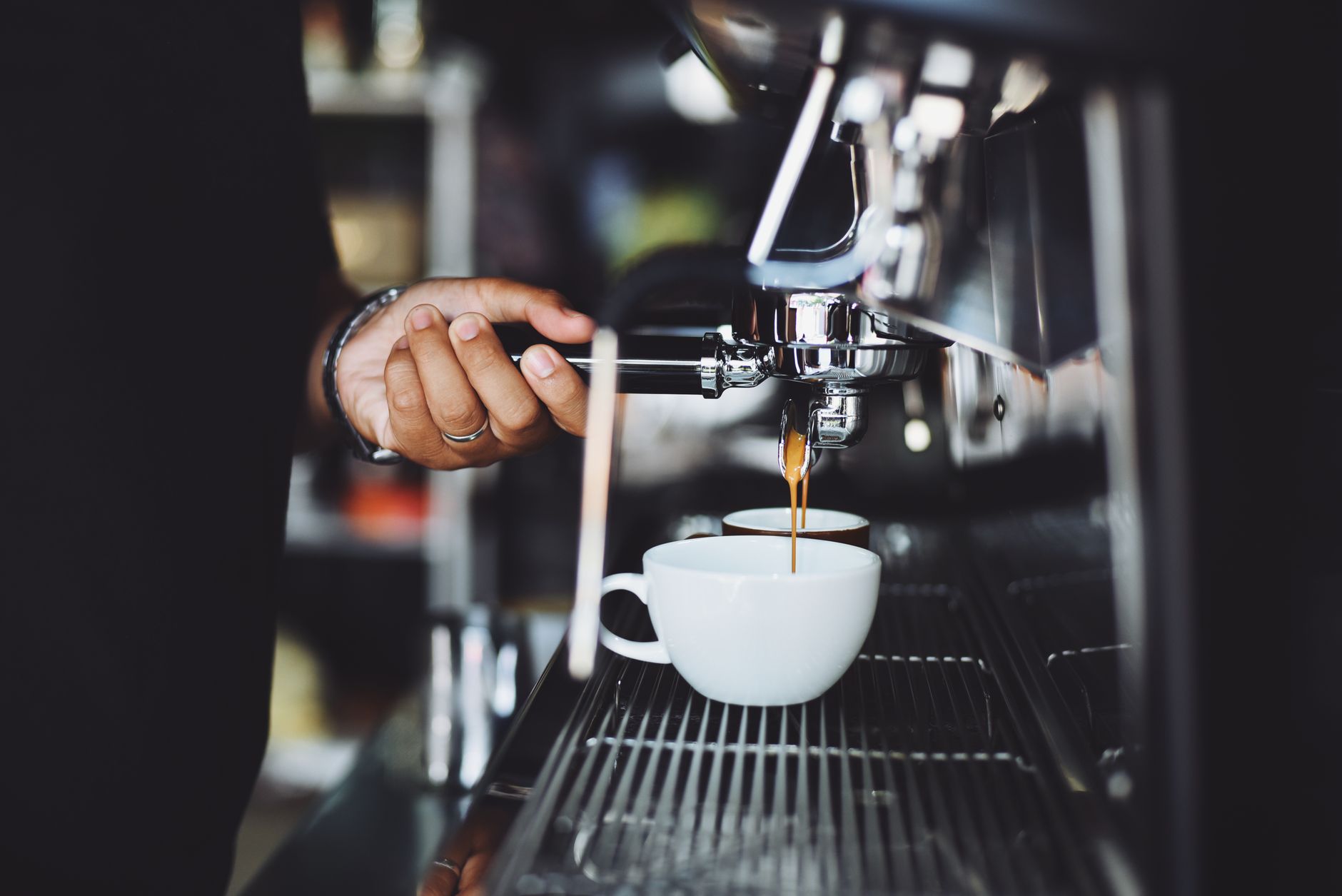
The right frothing wand impacts three key business metrics: customer satisfaction (fewer remakes), service speed (28% faster drink preparation), and equipment ROI (quality wands last 5x longer).
What Defines a Professional-Grade Frothing Wand?
A commercial milk frothing wand is a handheld immersion heater with precisely engineered whisk attachments that introduce microbubbles (0.1-0.2mm diameter) into milk while heating it to the ideal 60-65°C (140-150°F) temperature range for premium latte preparation.
- Variable temperature control (1500W minimum): Essential for adapting to different milk types
- Surgical-grade 316 stainless steel whisk heads: Resists milk protein buildup and corrosion
- Precision bubble dispersion technology: Creates uniform 0.13mm microbubbles
- Ergonomic commercial grip: Reduces barista fatigue during high-volume service
- IP67 waterproof rating: Withstands daily cleaning and steam exposure
The 2026 Expert's Choice: Top 5 Frothing Wands
| Model | Wattage | Key Innovation | Barista Rating | Best For |
|---|---|---|---|---|
| SENSA ProFroth 2000 | 2000W | Dual-helix whisk with variable aeration | 9.8/10 | High-volume cafes (100+ drinks/day) |
| BaristaCraft X9 Pro | 1800W | Auto shutoff sensor + heat curve memory | 9.5/10 | Training environments |
| Miroco CM02 Plus | 1500W | Magnetic stand with temperature display | 9.2/10 | Compact bars & mobile setups |
| WPM UniFroth 1700 | 1700W | Interchangeable whisk heads | 9.0/10 | Multi-concept operations |
| Fellow Eddy Pro | 1650W | Silent operation mode | 8.8/10 | Quiet cafe environments |

The True Cost of Budget Frothing Wands
- Material fatigue: Aluminum whisk heads warp after ~300 uses (vs 3000+ cycles for commercial steel)
- Temperature inaccuracy: Fixed settings often exceed 70°C (158°F), denaturing milk proteins
- Structural weakness: Plastic housings crack under commercial workloads within 4-6 months
The total cost of ownership for a professional wand is typically lower than budget options when factoring in replacement frequency, drink consistency, and labor efficiency.
Advanced Frothing Techniques for 2026
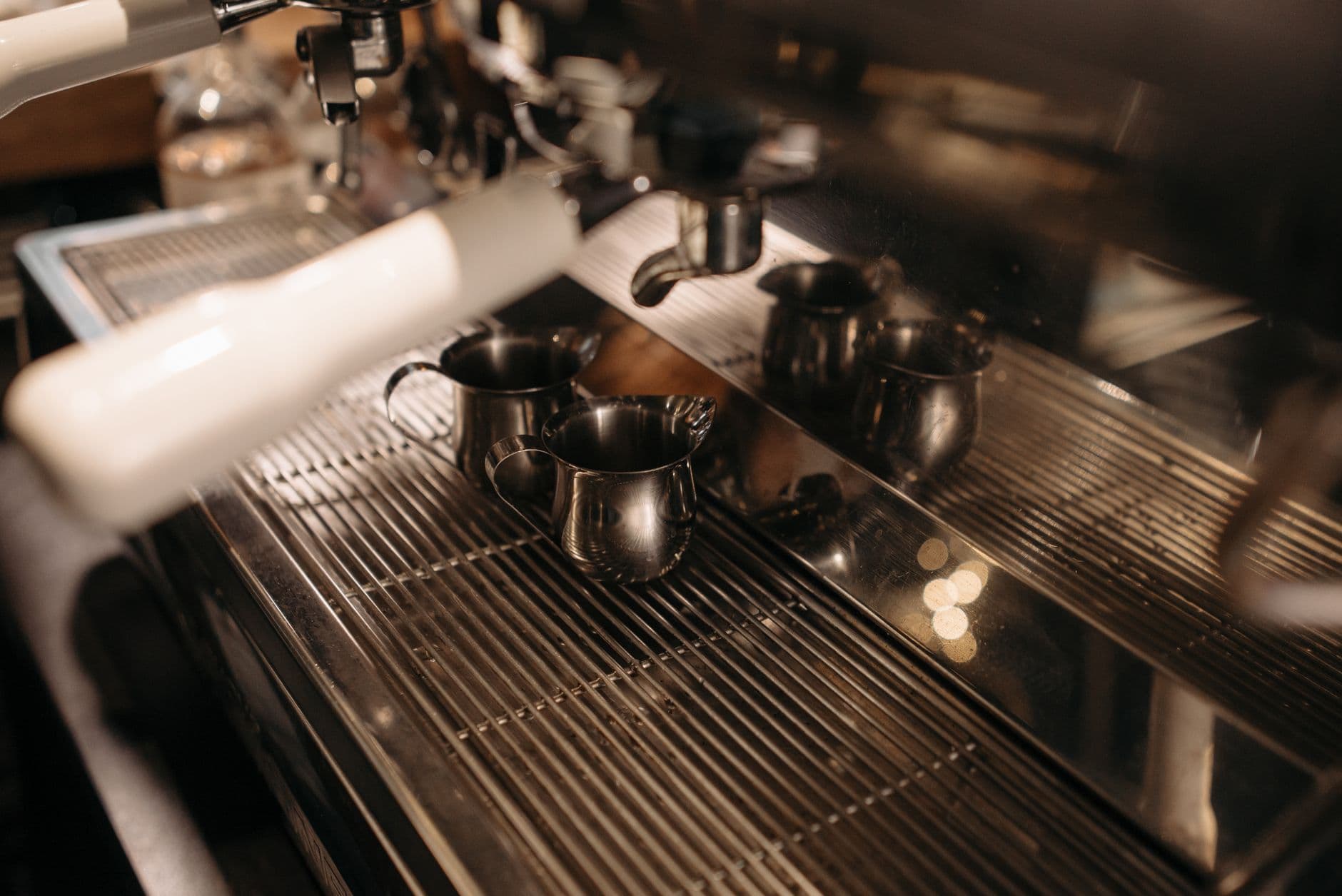
- Pre-chill pitchers - Refrigerate 350ml stainless steel pitchers for 30 minutes (improves foam stability by 15%)
- Depth control - Maintain 1cm submersion for ideal air incorporation (deeper creates larger bubbles)
- Vortex mastery - Tilt pitcher 20° while maintaining circular motion (critical for microfoam)
- Temperature precision - Stop exactly at 65°C (149°F) using infrared thermometers like the TrueBrew TD12
- Milk science - Different fats require different techniques:
- Whole milk: 25% volume increase
- Oat milk: 35% volume increase
- Skim milk: 20% volume increase maximum
Frothing Wand Maintenance Schedule
| Component | High-Volume (100+/day) | Medium-Volume (30-99/day) | Low-Volume (<30/day) |
|---|---|---|---|
| Whisk head cleaning | After each use | After each use | After each use |
| Full dismantle clean | Weekly | Bi-weekly | Monthly |
| Gasket replacement | Quarterly | Biannually | Annually |
| Full service | Biannually | Annually | Every 18 months |
Frothing Wand vs. Automatic Steam Wand vs. Manual Pump Frothers
| Feature | Standalone Frothing Wand | Built-in Steam Wand | Manual Pump Frother |
|---|---|---|---|
| Bubble size | 0.1-0.2mm (microfoam) | 0.3-0.5mm | 0.8-1.2mm (macrofoam) |
| Temperature control | Precise (±1°C) | Variable (±5°C) | None |
| Speed | 45-60 seconds | 30-45 seconds | 90-120 seconds |
| Durability | 5-7 years | 3-5 years | 1-2 years |
| Best use case | Specialty cafes | General cafes | Home use only |
Frequently Asked Questions
Why does my latte foam collapse after pouring?
How can I test my frothing wand's performance?
What's the optimal milk temperature for specialty drinks?
How often should commercial wands be replaced?
Can plastic pitchers be used with commercial wands?
Final Thoughts on Professional Frothing in 2026
- Drink quality consistency (reduced remake requests)
- Service speed optimization (28% faster drink prep)
- Equipment longevity (5-7 year lifespan vs 6-12 months for consumer models)
- Staff satisfaction (reduced frustration with unreliable tools)
Further Reading
- Commercial Milk Frothing Pitchers: The 2026 Guide
- Latte Art Techniques for High-Volume Cafes
- Bean-to-Cup Equipment for Busy Cafes
- Temperature Control in Specialty Coffee
Recommended Readings
- Ultimate Guide to Barista Accessories for Foodservice Pros
- Best Barista Tampers for Professional Espresso
- Reliable Barista Knock Boxes for Busy Kitchens
- Precision Scales for Barista Coffee Dosing
Free Coffee Pairing Guide & Specialty Roast Cheat Sheet
Unlock the secrets of perfect brewing ratios, water temperatures, and specialty roast profiles. Download the guide.