
Introduction
When your coffee machine goes down during the morning rush, you're not just losing a few cups — you're losing customers, revenue, and reputation. For foodservice operators, a reliable coffee machine isn't a luxury; it's the backbone of daily operations. According to the National Coffee Association, 62% of Americans drink coffee daily, and the average office worker spends $1,100 annually on coffee. In restaurants and hotels, coffee drives incremental sales and guest satisfaction. Yet many operators underestimate the cost of equipment failure. A single breakdown can cost hundreds or even thousands in lost sales, not to mention the damage to brand perception.
In this guide, we'll explore what makes a coffee machine truly reliable for foodservice environments, why it matters for your bottom line, and how to choose and maintain equipment for maximum uptime. And if you're building a comprehensive coffee program, don't miss our Ultimate Guide to Coffee Syrups for Food Service Businesses, which covers how syrups can elevate your offerings alongside reliable equipment.
💡
Key Takeaway
A reliable coffee machine isn't just about brewing — it's about business continuity, customer loyalty, and predictable profits.
What Are Reliable Coffee Machines for Foodservice?
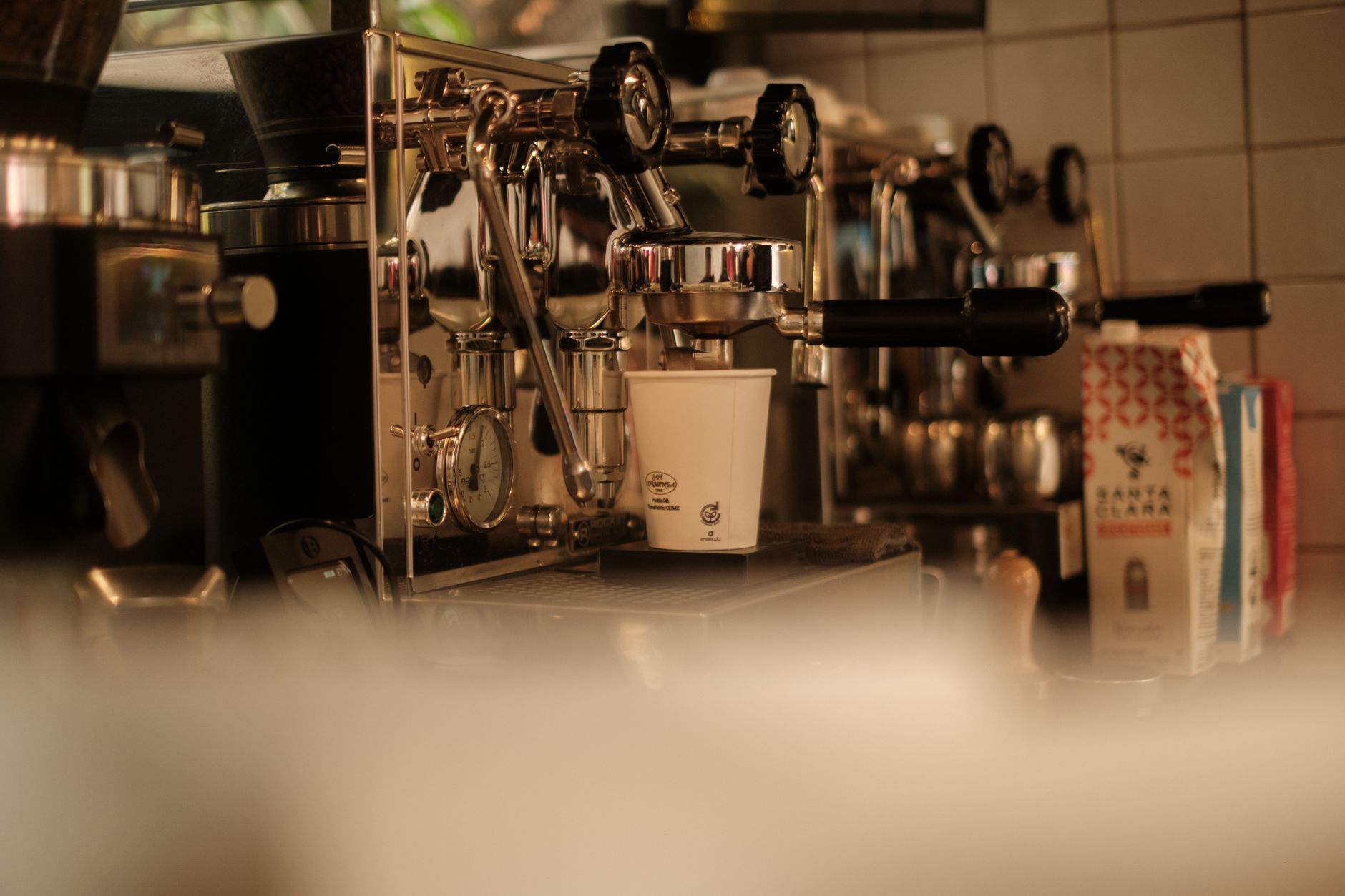
Reliable coffee machines for foodservice are commercial-grade brewing systems designed to withstand high-volume, continuous use with minimal downtime. Unlike consumer machines, they feature heavy-duty components, faster recovery times, and easier maintenance. Key attributes include:
- Durability: Stainless steel boilers, commercial pumps, and industrial-grade electronics.
- Consistency: Precise temperature and pressure control for every shot or batch.
- Serviceability: Modular parts that can be replaced quickly without full teardown.
- Support: Manufacturer or provider offering 24/7 service and rapid response.
The two main categories are super-automatic espresso machines and batch brewers. Super-automatics grind, tamp, brew, and clean with one touch — ideal for volume and consistency. Batch brewers are simpler, brewing large quantities of drip coffee quickly. Both can be reliable if selected correctly.
De acordo com relatórios recentes do setor de the Specialty Coffee Association's 2024 Equipment Reliability Report, machines with integrated water filtration and automatic cleaning cycles reduce service calls by 40%. That's a significant operational advantage.
The Anatomy of a Reliable Machine
A reliable machine starts with components. Look for:
- Boiler: Dual boilers or a single boiler with heat exchanger for simultaneous brewing and steaming.
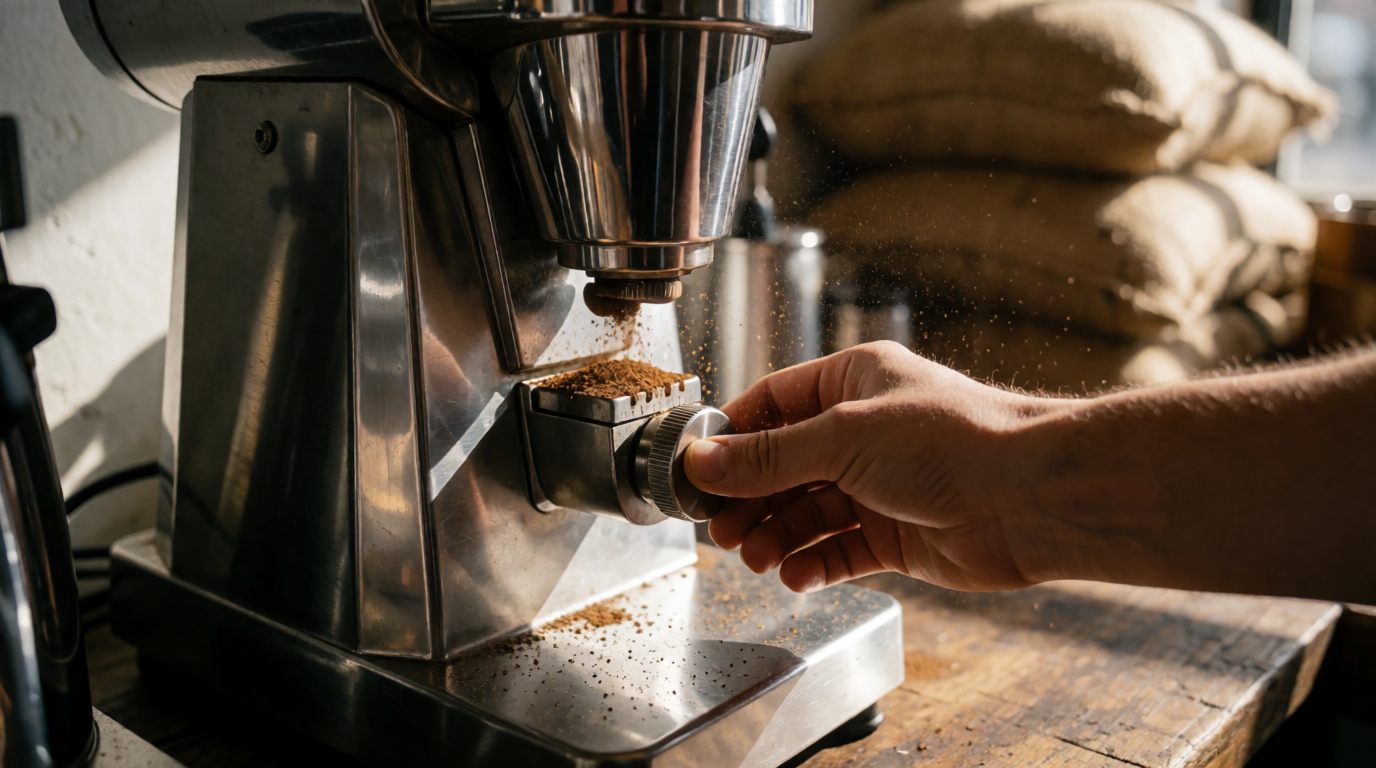
- Grinder: Ceramic burr grinders last longer than steel and produce consistent particle size.
- Pump: Rotary vane pumps (vs. vibratory) for quieter, more consistent pressure.
- Controls: Simple, intuitive interfaces reduce user error and training time.
At Busy Bean Coffee, we've tested dozens of machines in real foodservice environments — from bustling hotel breakfast buffets to high-volume restaurant chains. Our experience shows that reliability isn't just about the machine; it's about the ecosystem of support and maintenance.
Why Reliability Matters for Your Business
If you're running a coffee program, every minute of downtime directly impacts your revenue. Let's put numbers on it. A busy café selling 300 cups per day at $4 each generates $1,200 in daily coffee revenue. If the machine breaks for just two hours during peak, you could lose 50–75 cups — that's $200–300 in lost sales, plus the cost of disappointed customers who may not return.

According to a study by Technomic, 68% of consumers say a negative coffee experience makes them less likely to revisit that establishment. Over time, that erodes customer lifetime value. For hotels, the stakes are even higher: 45% of guests rate in-room or lobby coffee as a key factor in their overall satisfaction (J.D. Power 2025 North America Hotel Guest Satisfaction Study).
On the cost side, unreliable machines lead to unplanned maintenance expenses. Emergency service calls average $150–$500, and replacement parts can take days to arrive. A full breakdown may require a new machine, costing $5,000–$20,000. By investing in reliability upfront, you avoid these hidden costs.
The Profit Multiplier Effect
Reliable equipment doesn't just prevent losses — it enables growth. When your coffee program runs smoothly, you can:
- Offer specialty drinks (lattes, cappuccinos) without fear of machine failure.
- Upsell premium options like single-origin coffee or flavored syrups.
- Increase throughput during peak hours, serving more customers.
- Reduce staff frustration and turnover — nobody wants to work with broken equipment.
Moreover, consistent quality builds brand reputation. A hotel known for great coffee attracts repeat guests. A restaurant with a reliable espresso program commands higher margins on beverages.
How to Choose a Reliable Coffee Machine for Your Foodservice Operation
Selecting the right machine requires evaluating your specific needs. Follow these steps:
1. Assess Your Volume
How many cups do you serve per day? Low volume (under 100) may handle a smaller super-automatic or a simple pour-over station. Medium volume (100–300) needs a robust super-automatic or dual batch brewers. High volume (300+) demands multiple machines or a high-capacity system like a full-sized espresso machine with dual groups.
2. Match the Machine to Your Menu
If you primarily serve drip coffee, a batch brewer from brands like Bunn or Fetco is sufficient. If you want espresso-based drinks, invest in a super-automatic from Jura, Franke, or La Marzocco (the latter requires more barista skill). At Busy Bean Coffee, we offer super‑automatic office espresso machines that are also ideal for hotel and café settings — they balance ease of use with durability.
3. Prioritize Service and Support
Even the best machine will need maintenance. Choose a provider that offers:
- Same-day or next-day service
- Remote monitoring and diagnostics
- Preventive maintenance plans
- Loaner machines during repairs
Our all-inclusive managed coffee membership includes full maintenance coverage — no surprise bills. That's peace of mind that keeps your operation running.
4. Check for Certification and Compliance
Look for NSF or UL certifications for food safety. Machines with energy star ratings save on utility bills. Also ensure compliance with local health codes — some municipalities require specific materials or drainage.
5. Consider the Total Cost of Ownership (TCO)
Initial purchase price is just the start. Factor in:
- Water filtration system (necessary for longevity)
- Consumables (filters, cleaning tablets)
- Electricity and water usage
- Planned maintenance costs
- Expected lifespan (commercial machines typically last 5–10 years)
A $10,000 machine that lasts 8 years with $500 annual maintenance costs $1,750 per year — cheaper than a $5,000 machine that needs $2,000 in repairs after 3 years.
Common Mistakes in Selecting Coffee Machines
Even seasoned operators make errors. Avoid these pitfalls:
1. Buying Consumer-Grade Equipment for Commercial Use
Consumer machines won't survive high volume. They overheat, clog, and break within months. Always choose commercial-grade.
2. Ignoring Water Quality
Hard water scales boilers and shortens lifespan. Use a water softener or reverse osmosis system. Many machine warranties require it.
3. Underestimating Training Needs
Even super-automatics require staff to load beans, change milk, and perform daily cleaning. Inadequate training leads to misuse and breakdowns.
4. Choosing Based on Brand Alone
A big brand doesn't guarantee reliability for your context. Test the machine with your actual workflow and coffee type.
5. Neglecting Preventive Maintenance
Skipping daily cleaning or annual servicing voids warranties and accelerates wear. Set a schedule and stick to it.
6. Overlooking Backup Plans
What if your main machine fails? Have a backup brewer or a mobile espresso cart available. Some providers offer loaners.
7. Not Considering Syrup Compatibility
If you plan to offer flavored drinks, ensure the machine can handle syrups without clogging. Our guides on vanilla coffee syrup for commercial use and caramel syrup for lattes in foodservice explain how to integrate syrups without damaging equipment.
💡
Key Takeaway
The most expensive mistake is buying cheap twice. Invest in quality and support from the start.
Frequently Asked Questions
1. What is the most reliable coffee machine for a high-volume restaurant?
For high volume (300+ cups/day), a super-automatic espresso machine with dual groups, such as the Franke A400 or Jura Giga X8c, is ideal. They offer fast recovery and automated cleaning. Additionally, having a backup batch brewer ensures you never run out of coffee. Many operators find that a combination of a super-automatic for espresso and a batch brewer for drip works best. At Busy Bean Coffee, we customize recommendations based on your specific volume and menu.
2. How often should I service my commercial coffee machine?
Daily cleaning (backflush, rinse, wipe) is essential. Weekly deep cleaning of the grinder and brew group is recommended. Professional preventive maintenance should occur every 3–6 months, depending on volume. Machines with automatic cleaning cycles can extend service intervals. Keeping a log of maintenance helps track performance.
3. Can I use a home espresso machine in my small café?
We strongly advise against it. Home machines lack the durability and temperature stability for even low-volume commercial use. They overheat quickly and components fail under continuous operation. Investing in a certified commercial machine from the start prevents downtime and customer complaints.
4. What are the signs that my coffee machine needs replacement?
Frequent breakdowns, rising repair costs (exceeding 50% of machine value), inconsistent shot quality, longer brew times, and leaks indicate it's time for a new machine. Also, if parts are discontinued or service is unavailable, replace it proactively.
5. How does water quality affect coffee machine reliability?
Hard water causes scale buildup in boilers and pipes, leading to overheating, clogging, and eventual failure. Soft water (via filtration) extends machine life significantly. Some manufacturers require water testing and filtration to maintain warranty. At Busy Bean Coffee, all our installations include water filtration to protect your equipment.
6. What is the average lifespan of a commercial coffee machine?
With proper maintenance, commercial machines last 5–10 years. Super-automatics tend toward 5–7 years, while simpler batch brewers can last 10+. Factors include water quality, daily cleaning, and the volume of drinks served.
7. Are there financing options for reliable coffee machines?
Yes, many suppliers offer leasing or monthly payment plans. At Busy Bean Coffee, our all-inclusive managed coffee membership bundles equipment, installation, maintenance, and coffee supplies into one predictable monthly fee — no capital expense required. This makes it easy to get a top-tier machine without upfront cost.
8. How do coffee syrups affect machine maintenance?
Syrups with high sugar content can caramelize on heating elements and clog nozzles if not cleaned properly. Use pumps or bottles designed for foodservice. Regularly flush the syrup lines with hot water. For best practices, see our guide on choosing coffee syrups to elevate hotel guest experiences.
Conclusion: Invest in Uptime and Profit
Choosing a reliable coffee machine is one of the most important decisions you'll make for your foodservice business. It directly impacts your revenue, customer satisfaction, and operational efficiency. By assessing your volume, selecting commercial-grade equipment, and partnering with a provider that offers comprehensive support, you can ensure your coffee program runs without a hitch.
Remember, reliability goes beyond the machine itself — it extends to the syrups, beans, and training that complete your coffee experience. For a deeper dive into building a full coffee program, revisit our Ultimate Guide to Coffee Syrups for Food Service Businesses. And if you're ready to upgrade your coffee service with zero capital risk, contact Busy Bean Coffee today. Let us handle the equipment so you can focus on serving great coffee.
Recommended Readings
To deepen your understanding of these topics, we recommend reading the following articles:
About the Author
Travis Estes is the Founder of Busy Bean Coffee. With over a decade of experience in foodservice equipment and specialty coffee, Travis has helped hundreds of hotels, restaurants, and offices implement reliable coffee solutions that drive revenue and satisfaction.
Free Coffee Pairing Guide & Specialty Roast Cheat Sheet
Unlock the secrets of perfect brewing ratios, water temperatures, and specialty roast profiles. Download the guide.