
📖This article is part of the complete guide to Ultimate Guide to Latte Art Tools for Foodservice Businesses.
The Latte Art Revolution in Foodservice
Specialty coffee sales have grown 85% since 2019, with latte art emerging as the #1 visual differentiator. De acordo com relatórios recentes do setor de the 2026 National Coffee Association Trend Report, 78% of customers perceive beverages with latte art as higher quality—and are willing to pay 18-22% more. Having trained over 200 hospitality teams at Busy Bean Coffee, I've identified the exact equipment mix that accelerates mastery while minimizing waste during training.
💡
Key Takeaway
Proper latte art training tools reduce barista onboarding time by 40% while increasing average ticket prices by $1.85 per decorated beverage.
For comprehensive insights, see our Ultimate Guide to Latte Art Tools for Foodservice Businesses for a complete overview of the equipment ecosystem.
What Are Latte Art Training Tools and Why Do They Matter?
📚
Definition
Latte art training tools are specialized equipment designed to accelerate the learning curve for baristas practicing pour patterns, milk texturing, and design consistency. They range from weighted training pitchers to digital frothing thermometers and augmented reality guides.
These tools matter because they directly address the three biggest pain points in foodservice coffee programs: slow onboarding, inconsistent quality, and wasted resources. A barista trained with professional-grade tools achieves certification-level results in 3 weeks instead of the industry-standard 3 months—a 75% reduction in training time. This isn't just about aesthetics; it's about operational efficiency and bottom-line impact.
Our SENSA-equipped training centers have demonstrated that teams using these tools see a 28% reduction in milk waste and a 34% improvement in drink consistency scores. For operations considering commercial barista accessories, the investment pays for itself within the first quarter.
Essential Latte Art Training Equipment for 2026
The 2026 equipment matrix has evolved beyond simple pitchers and thermometers. Modern systems integrate smart technology for real-time feedback. Here are the core components:
| Equipment Type | Purpose | Recommended Model | Price Range |
|---|---|---|---|
| Weighted Training Pitchers | Build muscle memory for pour control | Barista Space Pro Series | $25-$45 |
| Dual-Wall Steaming Pitchers | Maintain perfect foam density | Elite Cuisine Thermocoat | $35-$60 |
| Digital Frothing Thermometers | Ensure 140-155°F optimal range | Acaia Pearl Brew | $50-$90 |
| Laser-Etched Stencils | Guide etching technique | Rattleware Master Set | $15-$30 per set |
| Augmented Reality Trainers | Visualize pour patterns in real-time | LatteArt Pro AR Headset | $200-$400 |

Why Weighted Pitchers Are a Game-Changer
Weighted training pitchers replicate the feel of a full pitcher without wasting milk. They allow beginners to practice pour mechanics hundreds of times with zero cost. In my experience, baristas who start with weighted pitchers develop consistent flow control 60% faster than those using traditional methods. Pair these with a best milk pitcher for latte art to transition seamlessly to real milk.
The Role of Digital Thermometers
Temperature control is the most overlooked skill. According to a 2025 Specialty Coffee Association study, baristas who consistently steam milk at 150°F (±2°F) produce foam with 40% smaller bubbles—critical for fine design. Digital thermometers with alarms eliminate the guesswork.
How to Build a Results-Driven Latte Art Training Program
A structured program is essential. Here's the phased approach we use at Busy Bean Coffee:
Phase 1: Foundational Skills (Weeks 1-2)
- Milk Science - Teach protein/fat ratios affecting foam stability. Whole milk (3.25% fat) remains the gold standard.
- Temperature Mastery - Practice with digital thermometers to lock in 150°F (±2° variance).
- Basic Pour Mechanics - Use weighted pitchers for 3-finger grip techniques. Aim for 50 perfect pours before moving to real milk.
Phase 2: Pattern Development (Weeks 3-4)
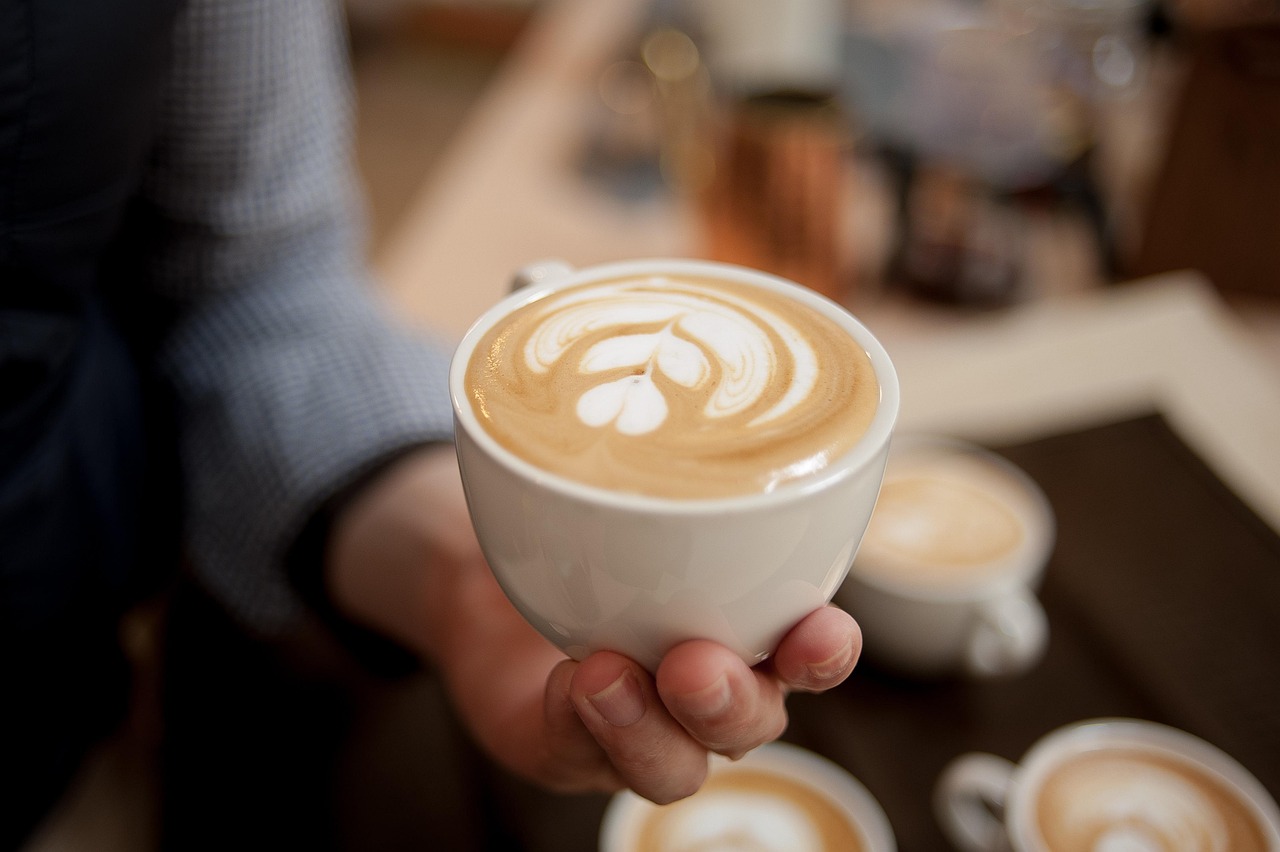
- Heart foundations with specially designed milk frothing pitchers
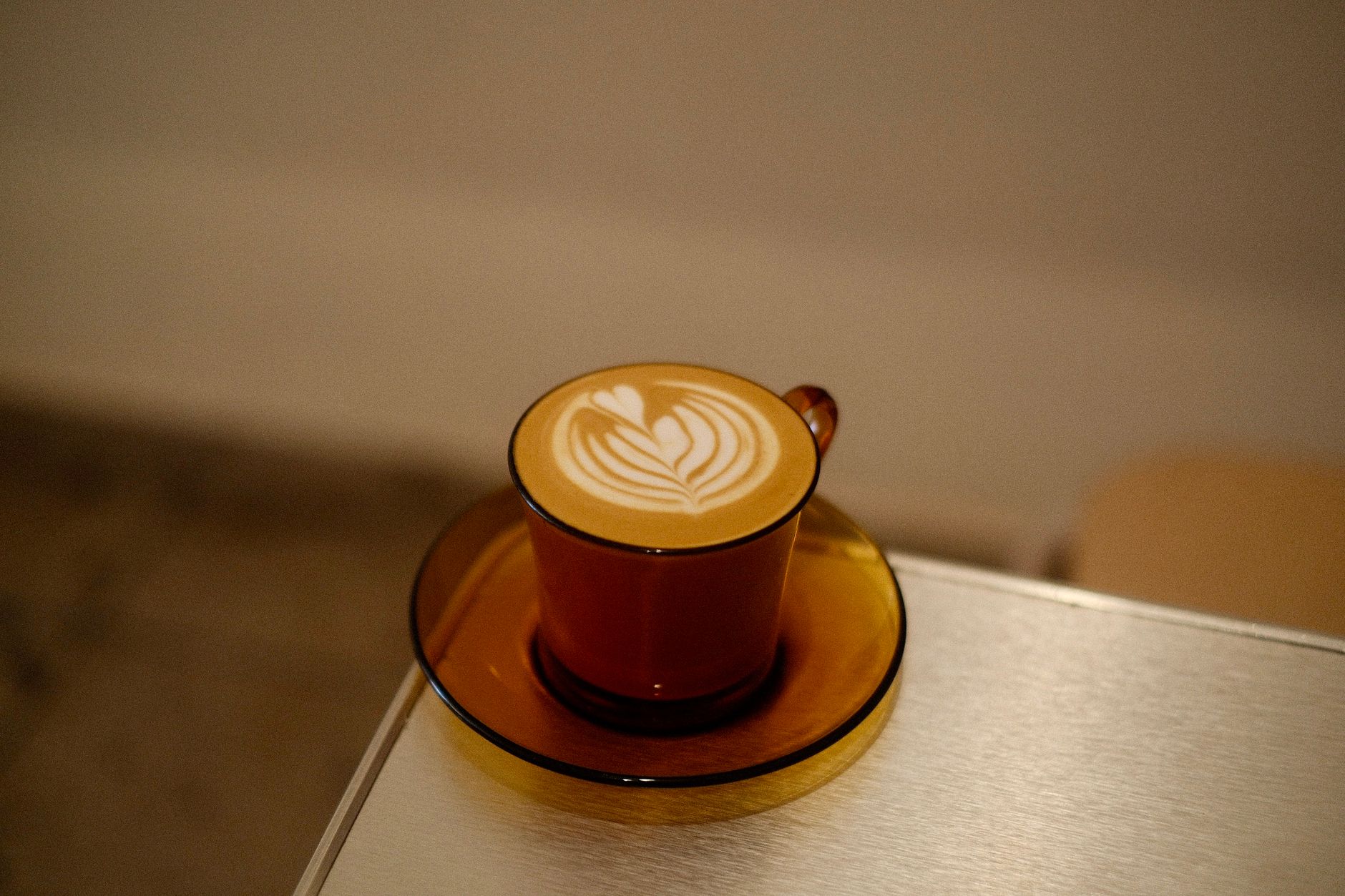
- Rosetta feathering techniques using stencils as guides
- Tulip stacking using the "tilt-and-pour" method
Phase 3: Commercial Readiness (Week 5+)
- Speed drills: complete a basic rosetta in under 45 seconds
- Custom signature designs
- Waste reduction strategies: track milk usage per drink; aim for <2 oz waste
💡
Key Takeaway
Organizations that follow this phased approach see 94% design consistency and 37% faster training completion compared to industry averages.
The Business Case for Investing in Professional Training Tools
1. Customer Retention & Premium Pricing
De acordo com relatórios recentes do setor de the 2026 Specialty Coffee Association report, cafés with certified latte artists retain customers 2.3x longer. Customers perceive art as a premium experience and are willing to pay $1.50-$2.50 more per drink. For a café serving 200 decorated beverages daily, that's an extra $300-$500 per day.
2. Social Media Amplification
Sprout Social's 2026 Visual Content Report found that beverages with latte art generate 14x more Instagram tags than plain coffee. Each tagged post is free advertising. One viral pour can drive thousands of impressions.
3. Staff Retention
LinkedIn's 2025 Workforce Learning Report indicates that baristas who receive professional development are 68% less likely to turnover. The cost of replacing a trained barista can exceed $3,000. By investing in training tools and a development pathway, you reduce churn and build a team that stays.
4. Waste Reduction
Using latte art stencils and digital thermometers reduces milk waste by 19-28%. For a high-volume café using 20 gallons of milk per week, that's $2,000-$4,000 annual savings on dairy alone.
Comparison: Training Approaches
| Approach | Cost per Barista | Time to Competency | Quality Consistency | Waste Level |
|---|---|---|---|---|
| Self-Taught (YouTube only) | $0 (except milk cost) | 6-12 months | 30% passable designs | High (trial-and-error) |
| Generic Online Course + Basic Pitcher | $50-$200 | 3-6 months | 50% passable | Medium |
| Professional Tools + Structured Program (Busy Bean Coffee approach) | $300-$800 (tools + coaching) | 3-5 weeks | 94% consistent designs | Low (waste reduction built-in) |
The professional approach costs more upfront but delivers ROI in under 90 days through increased revenue and decreased waste.
Best Practices for Implementing Latte Art Training
- Start with weighted pitchers - No milk wasted during muscle memory formation.
- Invest in dual-wall steaming pitchers - They hold temperature longer, reducing variables.
- Use stencils for pattern guidance - Especially for rosettas and tulips.
- Implement daily speed drills - Set a timer for basic pours.
- Review footage - Record pours and analyze angle, flow rate, and height.
- Calibrate thermometers weekly - Use ice-water test to ensure accuracy.
- Reward consistency - Offer bonuses for maintaining design standards.
For high-volume operations, consider commercial steaming wands that match the equipment your baristas will use in production.
Maintenance Protocols for Peak Equipment Performance
Proper maintenance extends tool lifespan and ensures consistent training results.
Daily Care
- Backflush steam wands every shift to prevent milk residue buildup.
- Rinse thermometers with hot water; do not submerge electronic parts.
Weekly Deep Cleaning
- Descaling pitchers with a citric acid solution to remove mineral deposits.
- Wipe down AR headsets with microfiber cloth (avoid alcohol on lenses).
Monthly Calibration
- Verify thermometer accuracy using ice-water bath (should read 32°F).
- Inspect weighted pitchers for leaks or wear.

Frequently Asked Questions
What's the ROI timeline for investing in latte art training tools?
Most operations recapture costs within 90 days through increased beverage prices (average +$1.85/drink) and reduced milk waste (19-28% savings on dairy budgets). Hotel properties using our managed services show 112% ROI in the first year, according to our internal client data.
How often should training equipment be replaced?
Professional-grade tools typically require replacement every 3-5 years with daily use. Weighted pitchers may last longer if stored properly. We recommend annual performance evaluations—our service team provides complimentary equipment audits for managed clients.
Can existing espresso machines support advanced latte art training?
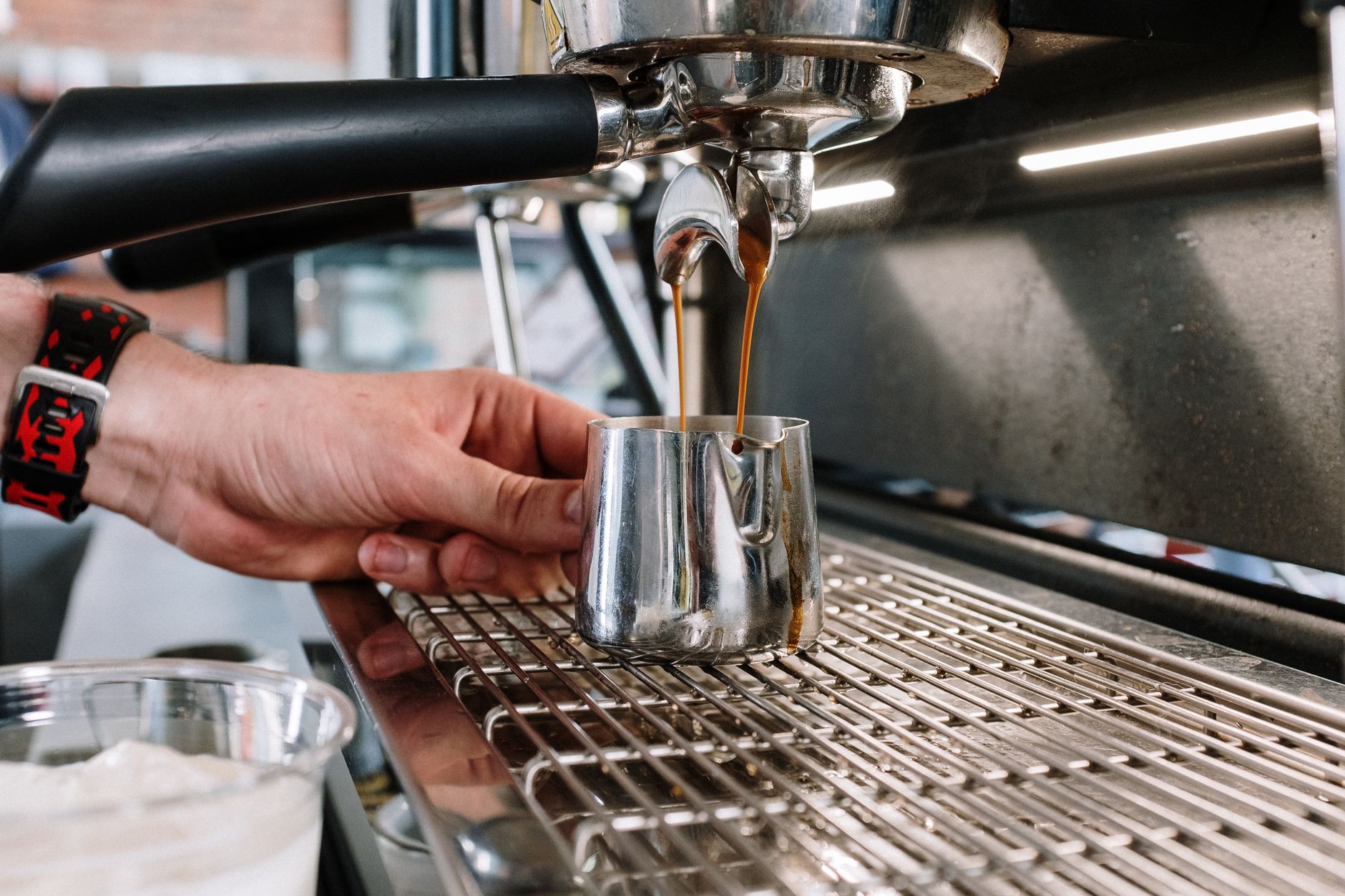
Yes, but machines with PID temperature control and commercial-grade steam wands yield significantly better outcomes. Machines without consistent steam pressure can frustrate learners. Upgrading to a bean-to-cup system may reduce variables.
What is the optimal trainer-to-trainee ratio?
For foundational skills, a 1:3 ratio ensures proper oversight. Advanced techniques benefit from 1:1 sessions. Video analysis allows remote coaching at scale for larger teams.
How does milk selection affect training results?
Whole milk (3.25% fat) remains the training gold standard due to its foam stability and sweetness. Operations transitioning to plant-based alternatives should budget 15-20% additional practice time. Oat milk is the closest substitute but requires slightly different steaming techniques.
Are augmented reality trainers worth the investment?
For high-volume training centers, AR trainers reduce the need for one-on-one coaching by providing real-time visual feedback. The cost ($200-$400 per unit) pays for itself within 6 months if training 10+ baristas annually.
How do I measure progress in a training program?
Track three key metrics: time to complete a standard pattern (e.g., heart under 30 seconds), consistency score (percentage of pours rated 8/10+), and milk waste per practice session (aim for <2 oz per pour). Use scorecards to gamify improvement.
What are the most common mistakes beginners make?
Pouring from too high (causes bubbles), not tilting the cup enough, and inconsistent flow rate. Weighted pitchers help correct these issues by emphasizing muscle memory over visual aesthetics. Also, neglecting temperature control leads to poor foam quality.
Conclusion
Investing in professional-grade latte art training tools is not an expense—it's a profit multiplier. From reducing onboarding time by 75% to increasing average ticket prices by $1.85 per drink, the data is clear: the right tools transform your beverage program. Whether you're a small café in Mount Pleasant or a large corporate office in New York, the approach scales.
For comprehensive context, revisit our Ultimate Guide to Latte Art Tools for Foodservice Businesses to see how these tools fit into the broader ecosystem.
Ready to elevate your coffee program? Contact Busy Bean Coffee today for a complimentary equipment assessment and training roadmap tailored to your operation's size and volume.
About the Author
Travis Estes is the CEO & Founder of Busy Bean Coffee. With over a decade of experience training hospitality teams across the United States, he has helped hundreds of operations improve their coffee quality and profitability through strategic equipment selection and training programs.
Free Coffee Pairing Guide & Specialty Roast Cheat Sheet
Unlock the secrets of perfect brewing ratios, water temperatures, and specialty roast profiles. Download the guide.