📖This article is part of the complete guide to Ultimate Guide to Specialty Coffee Beans for Businesses.
What Is Brewing Equipment for Specialty Coffee Beans?
📚
Definition
Brewing equipment for specialty coffee beans refers to the tools and machines used to extract coffee from high-quality, often single-origin beans, preserving their unique flavor profiles. Unlike generic coffee makers, specialty-grade equipment allows precise control over water temperature (195–205°F), grind size, and brew time.
Brewing specialty coffee is an art and science. According to the Specialty Coffee Association (SCA), the ideal water temperature for extraction is between 195°F and 205°F (90–96°C), and brew time should be 2–4 minutes for most methods. In my experience working with dozens of foodservice businesses, the most common mistake is underestimating how critical equipment choice is. A high-end espresso machine can make a $20/lb bean taste like mud if the temperature fluctuates. Conversely, a well-calibrated pour-over setup can turn a reasonably priced single-origin into a customer favorite.
For businesses, the goal is consistency. Manual methods like pour-over are great for showcasing craft, but they require skilled staff. Automatic systems, such as super-automatic espresso machines or commercial drip brewers, offer repeatable quality without specialized training. That’s where Busy Bean Coffee’s all-inclusive managed coffee solutions shine – we provide commercial-grade equipment with full maintenance, so you never have to worry about calibration.

The Science of Extraction
Brewing specialty coffee is fundamentally about extraction—dissolving soluble compounds from ground coffee into water. The SCA has established that optimal extraction occurs when 18–22% of the coffee's mass is dissolved. This “golden cup” standard requires tight control over four variables: water temperature, brew time, grind size, and water quality.
Water temperature is the most critical. A study from the UC Davis Coffee Center found that a temperature variation of just 2°F can change extraction yield by up to 1.5%, significantly altering flavor balance (source: UC Davis Coffee Center). PID controllers, standard on commercial espresso machines, maintain temperature within ±0.5°F, ensuring consistency shot after shot.
Grind size determines surface area. For espresso, fine grinds (200–300 microns) create high resistance, requiring 9 bars of pressure. For pour-over, medium grinds (500–800 microns) allow water to flow through in 2–4 minutes. Using a burr grinder rather than a blade grinder ensures uniform particle size, which prevents uneven extraction. Burr grinders are essential for specialty coffee; blade grinders produce fines and boulders that lead to bitter and sour notes simultaneously.
Water quality is often overlooked but critical. The SCA recommends water with 150 ppm total dissolved solids and a pH of 7.0. Hard water can scale equipment and mute flavors. Soft water can cause over-extraction. Investing in a commercial water filtration system is a best practice that also extends equipment life.
Why the Right Equipment Matters for Specialty Coffee
Investing in brewing equipment for specialty coffee directly impacts your bottom line. Here’s why:
1. Flavor Extraction
Specialty beans are graded 80+ on the SCA scale. To unlock their notes (fruity, floral, chocolaty), you need equipment that holds steady temperature and pressure. A University of California, Davis study found that temperature variances of just 2°F can significantly alter extraction yield (source: UC Davis Coffee Center). Commercial espresso machines with PID controllers maintain ±0.5°F accuracy.
2. Cost Efficiency
Specialty coffee costs $12–$30 per pound wholesale. Wasting even 10% due to poor extraction eats margins. Benefits of Specialty Coffee Beans for Businesses explains how proper equipment reduces waste and increases per-cup profitability. In my experience, businesses using reliable grinders and brewers save 15–20% on bean costs annually.
3. Customer Satisfaction
A consistent cup builds loyalty. Trusted brands like La Marzocco and Nuova Simonelli are used by top cafés because they deliver shot after shot. For hotels and offices, automatic brewers from Bunn or Fetco offer batch consistency. Busy Bean Coffee’s White Glove Coffee Service in Chesapeake VA ensures every machine is set up for peak performance.
4. Operational Efficiency
Commercial equipment is built for high volume. A fully automatic espresso machine can produce 100+ shots per hour with minimal waste. Busy Bean Coffee’s managed solutions include remote monitoring, so issues are detected before downtime occurs.
💡
Key Takeaway
The right brewing equipment transforms high-cost beans into a premium product. Skimping on gear undermines your coffee quality and brand reputation.
How to Choose Brewing Equipment for Specialty Coffee
Selecting brewing equipment for specialty coffee depends on your business type and volume. Follow these steps:
- Assess volume: A café serving 200+ cups/day needs a two-group espresso machine. A small office with 20 employees might prefer a bean-to-cup model. For high-volume hotels, a super-automatic machine like the Bravilor Bonamat can handle 100 cups per hour.
- Consider skill level: Manual methods require training; automatic machines minimize labor. If you have experienced baristas, a traditional espresso machine offers more control.
- Check water quality: Specialty coffee needs filtered water. Hard water destroys equipment and ruins flavor. Install a commercial filtration system.
- Evaluate space: Counter space and electrical requirements matter. Some super-automatic machines require 220V.
- Think about service: Commercial equipment needs regular maintenance. Reliable Office Espresso Service and Support Options highlights why managed service saves headaches. Busy Bean Coffee offers full maintenance in their membership.
- Test drive: If possible, demo the machine with your chosen beans. Taste differences can be dramatic.
For foodservice businesses, I recommend starting with a super-automatic espresso machine from brands like Jura or UNIC. These offer programmable recipes and minimal waste. For a deeper dive, read Types of Specialty Coffee Beans for Foodservice and How to Source Specialty Coffee Beans for Restaurants.
Top Brewing Methods and Their Equipment
Espresso Machines
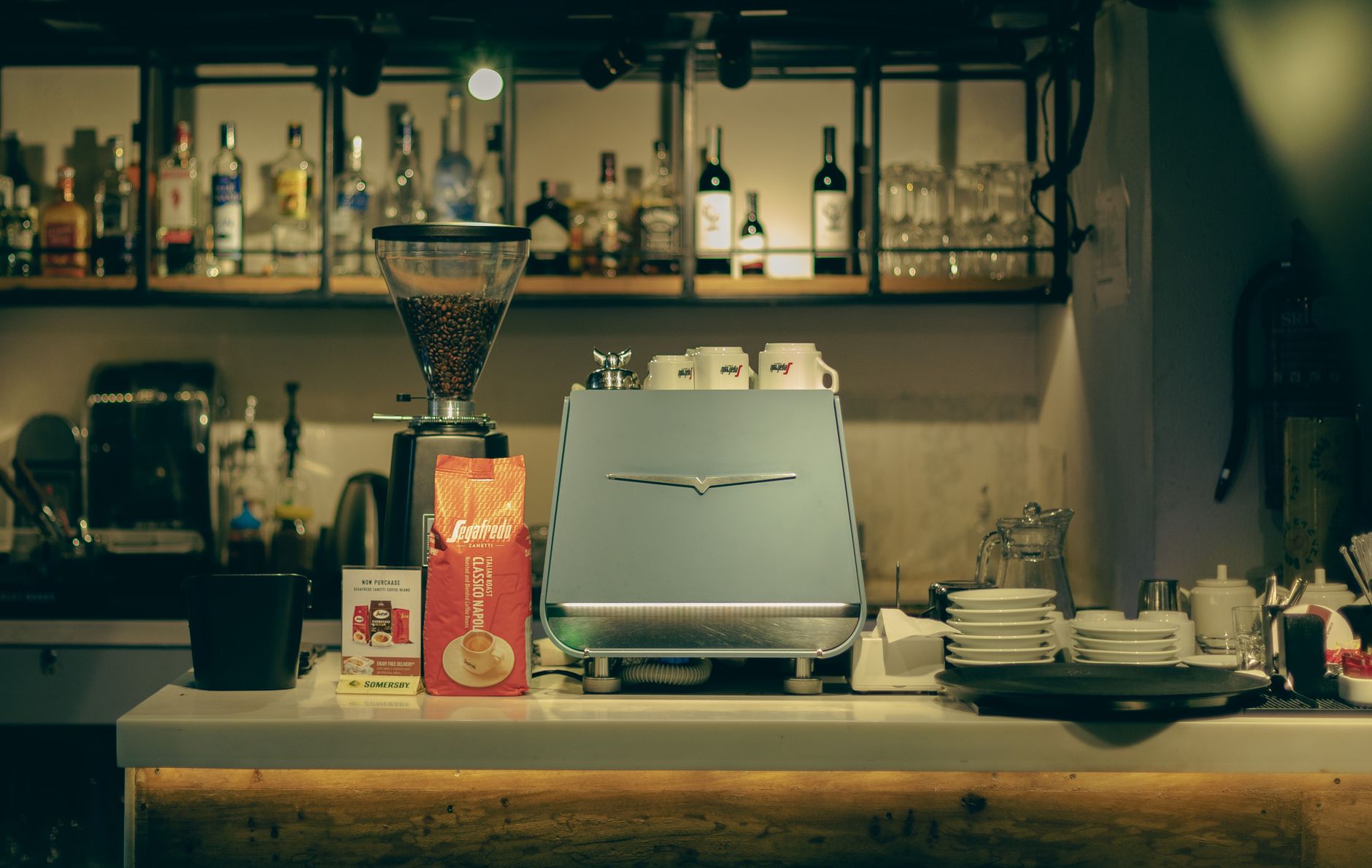
Espresso is the backbone of modern coffee culture. Commercial machines use 9-bar pressure to extract a concentrated shot. Office Espresso Machines vs Traditional Drip Coffee compares the two. For high volume, consider a multi-group machine with separate steam boilers. Brands like La Marzocco, Nuova Simonelli, and Rancilio are industry standards. Busy Bean Coffee uses SENSA equipment, which features PID temperature control and programmable pre-infusion.
Pour-Over
Pour-over methods like Chemex or Hario V60 highlight clarity and brightness. They require gooseneck kettles and digital scales. Ideal for specialty coffee shops that want to showcase single origins. However, pour-over is labor-intensive and slow, so it’s best for slow-brew environments.
French Press
French press is simple and inexpensive. It produces a full-bodied cup but leaves sediment. Popular in hotels for in-room coffee. For larger volumes, consider a commercial French press urn.
Automatic Drip Brewers
SCA-certified drip brewers (e.g., Moccamaster, Fetco) maintain optimal temperature and spray pattern. Best for offices and hotel breakfast buffets. The All-inclusive Coffee Service in Houston TX offers these machines with full management.
Bean-to-Cup Machines
These all-in-one units grind, tamp, and brew with a button press. Bean to Cup Office Espresso Machines Explained covers their benefits. Busy Bean Coffee’s SENSA line is fully managed.

Brewing Equipment vs. Alternative Gadgets
| Aspect | Specialty Brewing Equipment | Generic Coffee Makers |
|---|---|---|
| Temperature Control | PID, accurate ±1°F | Thermostat, ±5°F |
| Pressure | 9 bar (espresso) | None |
| Grind Consistency | Built-in burr grinder | Blade grinder (uneven) |
| Maintenance | Commercial-scale parts | Consumer parts |
| Cost per Cup | $0.20–$0.50 (optimal extraction) | $0.30–$0.60 (waste) |
| Durability | 5–10 years with proper care | 1–3 years |
| Warranty | 2+ years parts/labor | 1 year limited |
Cost Considerations: Buying vs. Leasing
For many businesses, the upfront cost of commercial brewing equipment can be daunting. A two-group espresso machine can cost $10,000–$20,000. However, leasing or managed services like Busy Bean Coffee’s membership eliminate capital expense. Our all-inclusive plan covers equipment, installation, preventive maintenance, and even premium beans for a predictable monthly fee. This model is especially popular for offices and hotels that want high-quality coffee without operational hassle. Lease vs Buy: Office Espresso Machines Compared provides a detailed analysis.
When making the decision, consider total cost of ownership. Equipment maintenance alone can run $500–$2,000/year. Broken machines lead to lost sales and frustrated customers. Managed services ensure uptime and often include free replacement units.
Best Practices for Brewing Specialty Coffee
- Use fresh, filtered water – Chlorine affects flavor. Install a commercial filtration system.
- Grind just before brewing – Pre-ground coffee loses aromatics in minutes. Invest in a quality burr grinder.
- Match grind size to method – Espresso: fine, pour-over: medium, French press: coarse.
- Scale your recipe – Use a 1:15 to 1:18 coffee-to-water ratio. Adjust to taste.
- Clean your equipment daily – Oils go rancid. Office Espresso Maintenance Tips and Best Practices offers a schedule.
- Train your staff – Consistency requires standardized procedures. A single bad shot can ruin a customer’s impression.
- Monitor water temperature – Use a thermometer or PID readout. Even 5°F deviation will alter flavor.
- Taste regularly – Cup your coffee weekly to ensure quality. Make adjustments as beans age.
💡
Key Takeaway
Best practices are non-negotiable for specialty coffee. Even the best equipment fails without proper technique.
Frequently Asked Questions
What is the best brewing equipment for specialty coffee beans?
The best equipment depends on your needs. For cafés, a commercial espresso machine (like La Marzocco Linea PB) is essential. For offices, a super-automatic bean-to-cup machine offers convenience. For showcasing flavor nuances, a pour-over setup is unbeatble. Busy Bean Coffee provides tailored recommendations for foodservice businesses, ensuring equipment matches the specific beans you serve.
How does brewing equipment affect specialty coffee taste?
Brewing equipment controls water temperature, pressure, and extraction time – all critical for specialty beans. Inconsistent temperature leads to under- or over-extraction, causing sour or bitter flavors. Commercial machines with PID controllers maintain precise heat. A study by World Coffee Research (source: WCR) showed that temperature stability correlates directly with cup score.
Should I buy or lease brewing equipment for my business?
Leasing is often better for businesses with limited capital. It includes maintenance, upgrades, and service. Lease vs Buy: Office Espresso Machines Compared details pros and cons. Busy Bean Coffee’s all-inclusive membership covers equipment, installation, and maintenance for one monthly fee – no capital expense.
What is the easiest brewing equipment for specialty coffee maintenance?
Super-automatic machines have self-cleaning cycles and require minimal daily care. Pour-over and French press need more manual cleaning. For high-traffic businesses, invest in equipment with automatic backflush and descaling alerts. Office Espresso Maintenance Tips and Best Practices provides a comparison.
Can I use regular coffee makers for specialty coffee beans?
Yes, but you won't unlock their full potential. Regular makers often brew at too low a temperature (below 195°F), resulting in under-extraction. They also lack pressure control for espresso. For best results, use SCA-certified commercial equipment. Busy Bean Coffee’s SENSA line is designed specifically for specialty beans.
What is the difference between a super-automatic and traditional espresso machine?
Super-automatic machines grind, tamp, and brew automatically. Traditional machines require a barista to dose and tamp. Super-automatics are ideal for offices and high-volume settings where consistency and speed are key. Traditional machines offer more control for specialty coffee shops that want to fine-tune each shot.
How often should I descale my commercial espresso machine?
Frequency depends on water hardness. With moderate hardness, descale every 3–6 months. Hard water may require monthly descaling. Many machines have indicators. Busy Bean Coffee’s managed service includes regular descaling as part of preventive maintenance.
Conclusion
Choosing the right brewing equipment for specialty coffee is critical to delivering a premium experience. From espresso machines to pour-overs, each method offers unique benefits. By investing in quality gear and following best practices, your business can maximize flavor consistency and customer loyalty.
For comprehensive context on sourcing and selecting beans, see our Ultimate Guide to Specialty Coffee Beans for Businesses. And remember, Busy Bean Coffee’s managed coffee solutions take the guesswork out of equipment – we handle installation, maintenance, and even provide premium beans. Contact us to start your journey toward exceptional coffee every day.
About the Author
Travis Estes is the (Founder) at Busy Bean Coffee. With over a decade of experience in the specialty coffee industry, Travis has helped hundreds of foodservice businesses streamline their coffee programs and delight customers with consistently excellent brews.
Free Coffee Pairing Guide & Specialty Roast Cheat Sheet
Unlock the secrets of perfect brewing ratios, water temperatures, and specialty roast profiles. Download the guide.