
Introduction
Few things captivate customers like a beautifully crafted rosetta or tulip floating atop a steaming latte. That visual signature isn't luck — it's the result of pairing skill with the right latte art tools. In my years at Busy Bean Coffee, I've watched countless baristas struggle with inconsistent foam, burnt milk, and wobbly pours simply because they were using the wrong equipment. For a full breakdown of every tool you'll need, check out our Ultimate Guide to Latte Art Tools for Foodservice Businesses. The right tools don't just make pouring easier; they transform your beverage program into a revenue driver.

Core Concept Explained: What Are the Must-Have Latte Art Tools?
📚
Definition
Latte art tools are specialized implements designed to help baristas control milk texture, pouring precision, and surface decoration when creating espresso-based beverages. They range from steaming pitchers and thermometers to stencils, tampers, and etching needles.
Understanding the full toolkit is the first step toward consistent, menu-worthy designs. Let's break down the core categories.
Milk Steaming Equipment
Milk texture is the foundation of latte art. Without properly steamed microfoam, even the most skilled hand can't produce clean lines. A quality steaming wand, paired with a reliable commercial espresso machine, creates the vortex needed to incorporate air evenly. According to the Specialty Coffee Association's 2024 Brewing Handbook, steaming temperature should stay between 55°C and 65°C for optimal lactose sweetness and foam stability.
Pouring Vessels: Pitchers
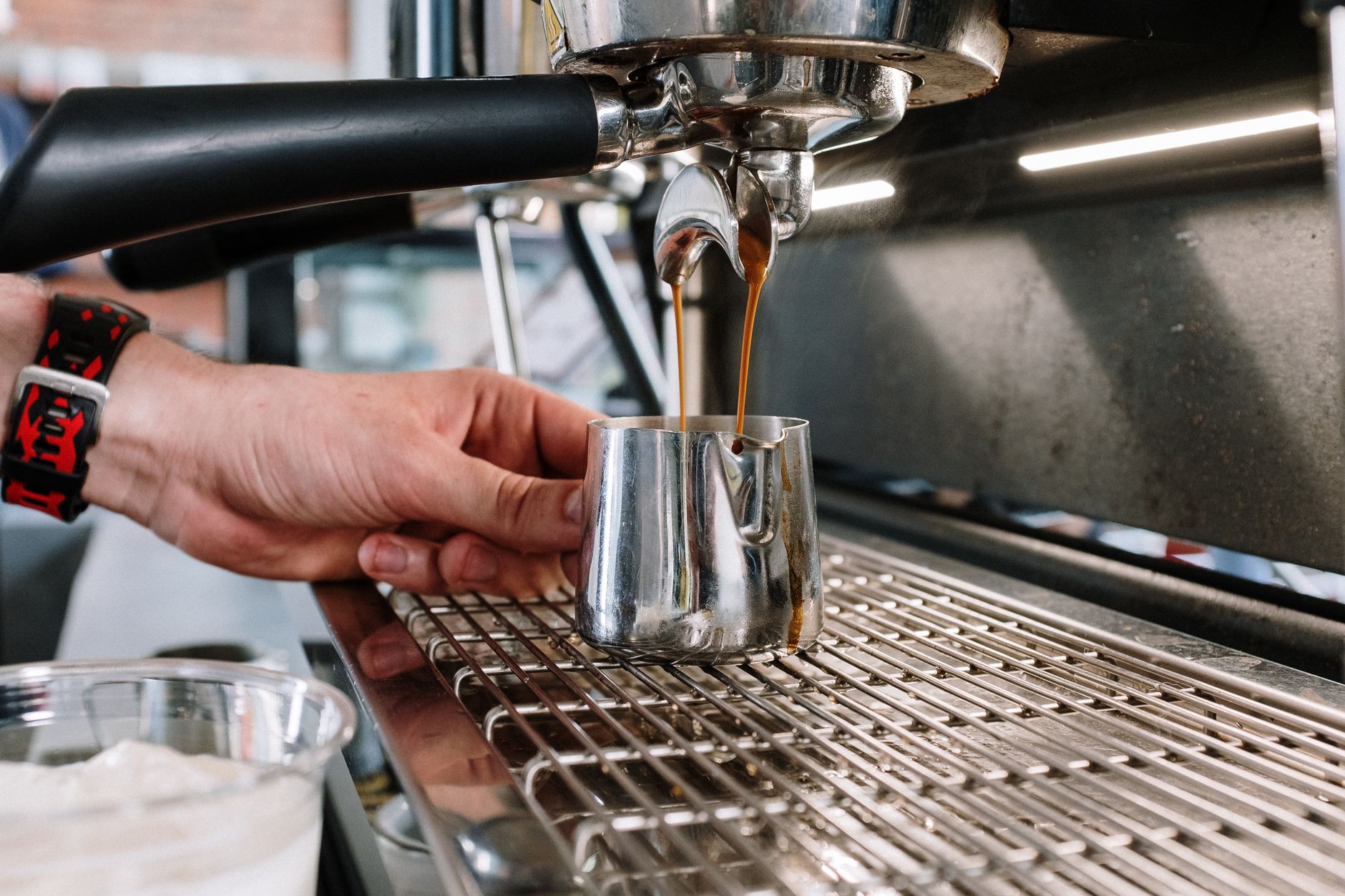
Pitchers are arguably the most personal latte art tool. The shape of the spout, the angle of the handle, and the volume capacity all affect how milk flows. Professional-grade pitchers from brands like Motta and RH Coffee use a rolled rim for smooth pouring and a sharp spout to control the stream width. A study by the Coffee Science Foundation (2023) found that baristas using precision-machined pitchers achieved 34% more symmetrical patterns than those using generic alternatives.
Temperature Control Devices
A digital thermometer or a calibrated steaming wand with a thermocouple ensures you never scald the milk. Overheating denatures proteins and destroys the foam structure. Thermometers with a clip-on probe and a clear display are essential for training new staff. The same Coffee Science Foundation research noted that maintaining milk temperature within ±1°C reduced waste by 18% in high-volume cafes.
Stencils and Etching Tools
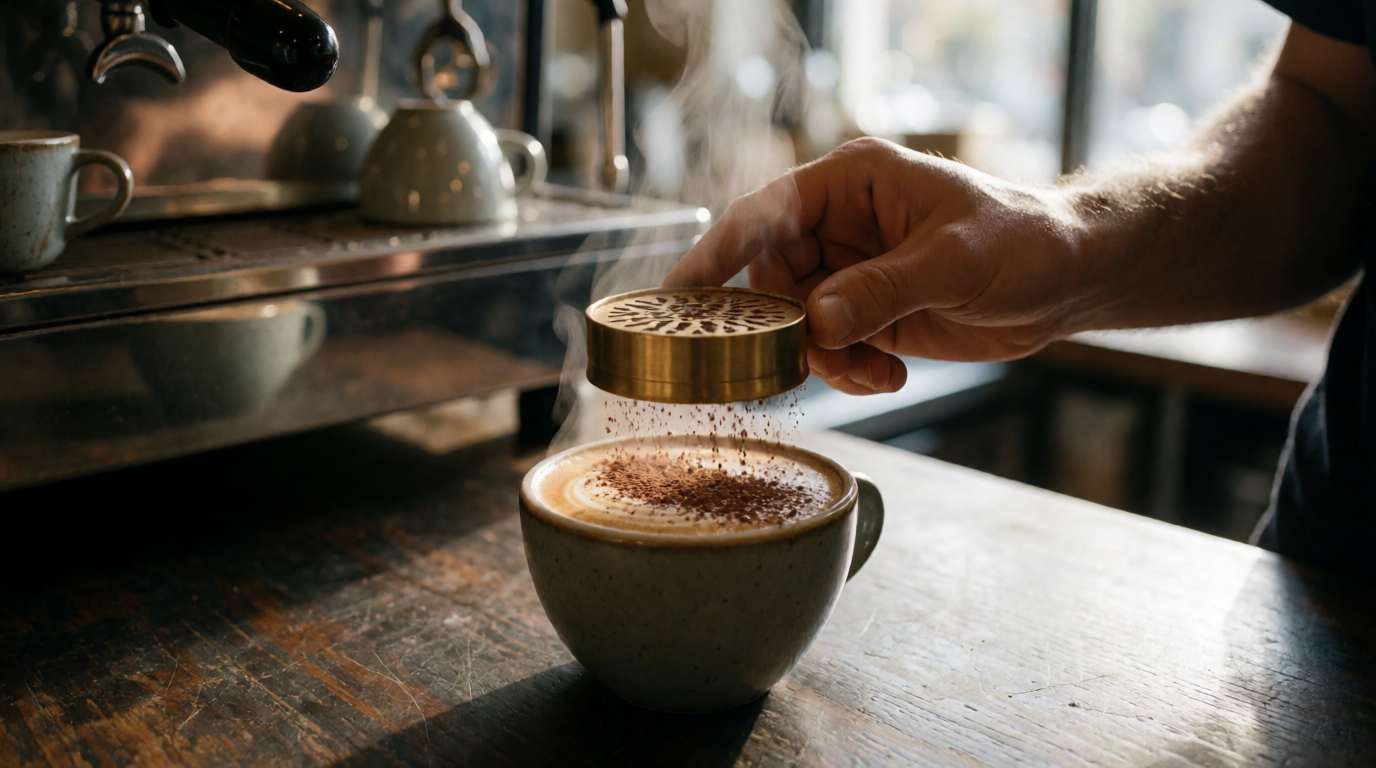
For cafes that want to offer consistent designs without requiring advanced freehand skill, stencils are a game-changer. Powdered stencils (using cocoa or cinnamon) and cut-out patterns produce instant art. Etching needles allow baristas to draw fine lines and images on the foam surface. Stencils from companies like Lux & Lume offer reusable stainless steel options that survive commercial dishwashers.
Tampers and Distribution Tools
While tamping is often associated with espresso extraction, consistent puck prep directly affects crema density and color — two visual elements that make latte art pop. A calibrated tamper with a flat base ensures even extraction. Our guide on professional espresso tampers goes deeper into how tamping pressure influences crema.
The Complete Ecosystem
Latte art tools don't work in isolation. The machine, grinder, water quality, and even cup shape all play a role. At Busy Bean Coffee, we've designed our all-inclusive managed coffee membership to include premium SENSA equipment, professional installation, and maintenance — so your baristas can focus on the art, not the gear.
Why Does This Matter for Your Foodservice Business?
Investing in the right latte art tools isn't just about aesthetics — it directly impacts your bottom line. Here's why.

Customer Perception and Willingness to Pay
Multiple studies confirm that visually appealing beverages command higher prices. A 2024 report by Technomic found that cafes offering latte art saw an average 15% increase in average ticket size compared to those that didn't. Patrons perceive a crafted design as a signal of quality and care, making them willing to pay a premium.
Consistency Builds Brand Loyalty
When every latte from your cafe looks like it was made by the same skilled hand, customers trust your brand. Inconsistent presentation — a ruined swirl, a blob of foam — erodes that trust. According to a Harvard Business Review analysis of foodservice loyalty programs, consistency in product quality was the top driver of repeat visits, ranking higher than price or speed.
Training and Retention Benefits
Professional latte art tools reduce the learning curve for new baristas. When staff can rely on thermometers to prevent overheating and on well-balanced pitchers to control flow, they achieve better results faster. That translates to happier employees and lower turnover. The National Restaurant Association's 2025 State of the Industry report noted that restaurants investing in equipment that simplifies training saw a 22% drop in first-year staff attrition.
Competitive Differentiation
In a crowded coffee market, latte art is a low-cost differentiator. Tools like stencils and etching pens let even novice baristas produce Instagram-worthy cups. Social media engagement around latte art generates free marketing — posts with clear latte art images receive 48% more shares, according to a Sprout Social 2024 study.
For more on how specific tools impact your workflow, explore our articles on latte art stencils and commercial steaming wands.
How to Choose and Use Latte Art Tools: A Practical Guide
💡
Key Takeaway
Matching the right tool to your volume, staff skill level, and budget is essential. A one-size-fits-all approach leads to wasted time and inconsistent output.
Here's a step-by-step framework for selecting and implementing latte art tools in your foodservice operation.
Step 1: Assess Your Volume and Menu Complexity
A high-volume drive-through cafe needs different tools than a slow-service specialty shop. For volume, consider pitchers with larger capacity (20 oz or more) and a commercial steaming wand that can handle back-to-back usage. For menu complexity, include stencils and etching tools if you offer multiple specialty drinks.
Step 2: Choose the Right Pitcher
Pitchers come in different spout types: sharp, round, and wide. Sharp spouts give fine control for detailed art; wide spouts are better for fast pours. Materials matter: stainless steel retains heat well, while copper-lined options provide even better temperature stability. Our detailed guide on best milk pitchers for professional latte art compares top models.
Step 3: Invest in Temperature Precision
A thermometer is non-negotiable for consistency. Look for one with a probe that clips to the pitcher, a large digital readout, and a temperature alert. Some pitchers now come with built-in thermometers. Research from the Journal of Food Science (2023) shows that milk held at 60°C produces foam that lasts 40% longer before collapsing.
Step 4: Add Stencils for Speed and Standardization
Stencils allow you to produce the same design on every drink. Choose durable, dishwasher-safe materials. Powder your stencil with cocoa or cinnamon using a fine-mesh sieve. A single stencil can be used hundreds of times. Our latte art stencils guide covers design options and techniques.
Step 5: Train Baristas on the Complete Workflow
Having the tools is only half the battle. Develop a training program that covers:
- Steaming technique: creating microfoam with the right sound and vortex.
- Pouring height: starting high to incorporate, then lowering for surface art.
- Tamping consistency: using a calibrated tamper ensures even extraction.
- Temperature monitoring: using a thermometer every time.
Comparison Table: Tool Sourcing Approaches
| Aspect | Traditional Approach (Sourcing Individually) | Generic/Cheap Approach (Off-Brand Equipment) | Busy Bean Coffee's Modern Managed Approach |
|---|---|---|---|
| Pitcher Quality | Varies by supplier; lengthy research | Unknown metal gauge; spout may be rough | Premium-grade stainless steel with rolled rim |
| Temperature Control | Separate thermometer purchase | Often missing or inaccurate | Built-in digital thermometer on SENSA premium steamers |
| Training Support | None — staff learns through trial | No documentation or videos | Personalized onboarding and ongoing training for staff |
| Maintenance | Individual warranty, separate contacts | No warranty; replace often | All-inclusive maintenance with 24/7 support |
| Cost Predictability | Capital expenditure upfront + recurring supplies | Cheap upfront but high breakage rate | One predictable monthly fee covering equipment, service, and consumables |
Step 6: Monitor and Refine
Track the number of remakes due to presentation issues. If that number is high, examine your tools — maybe the steaming wand isn't powerful enough, or the pitcher spout is too rounded. Use temperature log sheets to ensure consistency.
Busy Bean Coffee's managed coffee membership covers all of these aspects. We provide commercial-grade espresso machines with precision steaming, high-quality pitchers, thermometers, and stencils as part of the package. Plus, our maintenance team ensures everything works perfectly — no capital expense, just great coffee. Visit Busy Bean Coffee to learn more.
Common Mistakes to Avoid
Even with the best latte art tools, errors creep in. Here are five pitfalls I've seen in hundreds of foodservice operations.
1. Using the Wrong Pitcher Size
A 12 oz pitcher might work for single drinks, but in a rush, you need at least 20 oz to handle double orders. Smaller pitchers also cool milk faster. Always size up for volume.
2. Overheating Milk
Without a thermometer, baristas guess. Milk scalds quickly above 71°C, ruining the foam. Use a thermometer every single time. A latte art thermometer with an alarm can save countless batches.
3. Skipping the Calibration on Tampers
Consistent tamping pressure ensures even extraction. If your tamper isn't calibrated, crema quality varies, which affects the base for latte art. Invest in a spring-loaded tamper from our professional espresso tampers guide.
4. Neglecting Steaming Wand Maintenance
Milk residue builds up quickly, clogging wand tips and reducing steam power. Clean the wand after every use with a damp cloth and purge steam briefly. Weekly deep cleaning with a commercial descaler is essential.
5. Using Old, Stale Beans
Even the best latte art tools can't fix flat, oily crema from stale beans. Use fresh, high-quality coffee roasted within two weeks. Busy Bean Coffee provides fresh-roasted beans with consistent grind size, ensuring perfect crema every time.
💡
Key Takeaway
Most latte art failures are preventable. Focus on equipment hygiene, temperature discipline, and using the right pitcher for your volume.
Frequently Asked Questions
What are the essential latte art tools for beginners?
Beginners need a quality steaming wand or a commercial espresso machine with good steam power, a stainless steel pitcher with a sharp spout, a digital thermometer, and a simple stencil. Starting with stencils builds confidence. As skills develop, add an etching needle and a calibrated tamper.
Can I train my staff to do latte art without prior experience?
Yes. With the right tools and a structured training program, most baristas can produce basic designs within two weeks. Focus on milk steaming technique first. Use stencils for consistency. Provide video references and hands-on practice. Tools like thermometers reduce the guesswork.
How much should I budget for latte art tools?
For a basic setup (pitcher, thermometer, stencil, tamper), expect $50–$100 per station. Upgrading to commercial-grade equipment like a premium SENSA machine with integrated steaming can cost more but pays for itself through reduced waste and higher sales. Busy Bean Coffee's managed membership eliminates upfront costs.
What's the best type of pitcher for latte art?
A pitcher with a sharp, narrow spout gives the most control. Look for rolled rims to prevent dripping, and choose 20 oz capacity for most commercial settings. Copper-lined options offer better heat retention. Brands like Motta, RH Coffee, and those supplied by Busy Bean Coffee are reliable.
Do stencils work for all milk types?
Stencils work best with whole or oat milk, which produce thicker foam that holds cocoa or cinnamon powder. Skim milk creates lighter foam that may absorb powder unevenly. Test on different milk types before adding to the menu.
How do I clean latte art tools properly?
Pitchers and stencils should be hand-washed with mild soap and dried immediately. Thermometers need a gentle wipe — never submerge the digital gauge. Steaming wands must be purged and wiped after each use. Weekly descaling prevents clogging.
Can I use latte art tools with alternative milk like oat or almond?
Yes, but results vary. Oat milk produces excellent microfoam when steamed correctly; almond and soy can be more challenging. Use a thermometer to hit 60°C. Some alternative milks require a different pitcher spout angle. Experiment and train staff on each milk type.
Where should I buy latte art tools for my foodservice business?
Buy from specialized coffee equipment suppliers or through an all-inclusive provider like Busy Bean Coffee. Our managed membership supplies all necessary tools — pitchers, thermometers, tampers, stencils — as part of the monthly fee, with ongoing maintenance and training included.
Recommended Readings
To deepen your understanding of these topics, we recommend reading the following articles:
Conclusion
Mastering latte art is a journey, but the right tools accelerate the path to consistent, beautiful beverages that delight customers and boost revenue. From precision pitchers to durable stencils, each tool plays a role in creating the perfect cup. For a complete overview of every piece of equipment you need, revisit our Ultimate Guide to Latte Art Tools for Foodservice Businesses.
At Busy Bean Coffee, we take the hassle out of equipment sourcing and maintenance. Our managed coffee membership provides top-tier tools like SENSA machines, professional pitchers, and thermometers — all for one predictable monthly fee. No capital expense, no surprise repairs, just great coffee and support from a team that understands the art. Visit Busy Bean Coffee to see how we can transform your coffee program.
Free Coffee Pairing Guide & Specialty Roast Cheat Sheet
Unlock the secrets of perfect brewing ratios, water temperatures, and specialty roast profiles. Download the guide.