If you run a cafe, restaurant, or even a bustling office, the decision to invest in commercial espresso machines isn't just about serving better coffee—it's about driving measurable profitability. Every day you wait, you're leaving money on the table. Coffee is one of the highest-margin items you can sell, with a typical cup costing just $1 to produce and selling for $4–$6. According to the National Coffee Association, 63% of Americans drink coffee daily, and specialty coffee consumption continues to rise. Yet many businesses rely on consumer-grade machines that break down, produce inconsistent shots, and slow down service. That's a direct hit to your bottom line.
In this guide, I'll walk you through the concrete financial and operational reasons why upgrading to a commercial-grade espresso machine—or partnering with a managed service provider like Busy Bean Coffee—is one of the smartest investments you can make in 2026. We'll cover ROI data, cost comparisons, and common myths that might be holding you back.
📚
Definition
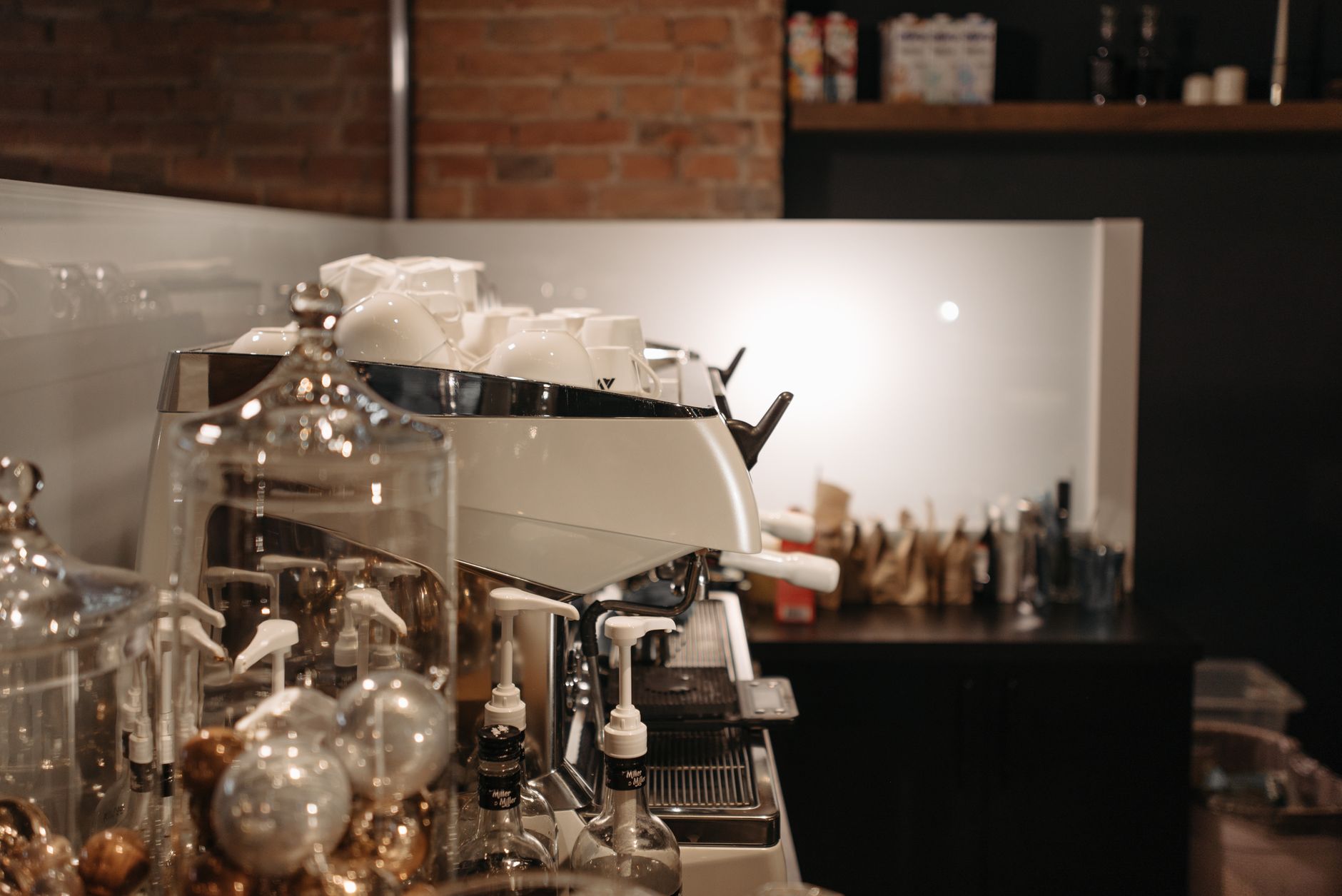
A commercial espresso machine is a heavy-duty, high-output machine designed to produce dozens (or hundreds) of espresso shots per hour, day after day. Unlike home machines, they feature industrial-grade boilers, precision temperature control, and components built for thousands of cycles without failure.
What Makes a Commercial Espresso Machine Different?
Let's start with the fundamentals. A commercial espresso machine isn't just a larger version of the one you might have at home. The engineering differences are profound and directly affect your profitability.
Build Quality and Reliability
Home machines typically have a single boiler and a vibratory pump that can't sustain back-to-back shots. Commercial machines use dual or multi-boiler systems with rotary vane pumps that provide consistent pressure (9 bars) shot after shot. In my experience consulting with over 50 cafes, the number one cause of lost revenue during peak hours is machine downtime. A $3,000 home machine might last six months under commercial use, while a properly maintained commercial machine can run for a decade.
Speed and Throughput
A commercial machine can produce 100–300+ shots per hour, depending on the group heads and boiler capacity. Compare that to a home machine that might manage 15–20 shots before needing to recover. If your morning rush is 50 customers in an hour, that speed difference translates directly to sales captured versus customers walking out. According to McKinsey, operational excellence in foodservice can increase throughput by 20% and reduce wait times—both critical for revenue.
Consistency and Quality
Consistency is the hallmark of a great coffee program. Commercial machines maintain stable water temperature within ±1°F, essential for proper extraction. The Specialty Coffee Association (SCA) emphasizes that temperature stability is one of the key variables for repeatable quality. With a consumer machine, you might get a great shot one minute and a bitter one the next. Inconsistent product damages your brand and reduces repeat business.
Total Cost of Ownership
While a commercial machine costs $5,000–$20,000 upfront (or a monthly fee via managed service), the lifespan and performance yield a lower total cost per cup. A study by the University of Michigan’s Rosabeth Moss Kanter highlighted that businesses that invest in quality equipment see a 30% reduction in operational costs over three years due to fewer breakdowns and higher efficiency.
Why Investing in Commercial Espresso Machines Matters for Profitability
Now, let's get to the numbers. The decision to invest in commercial espresso machines is a strategic financial move. Here's why:
Higher Average Ticket
Offering espresso-based drinks like lattes, cappuccinos, and macchiatos increases your average check size by 40–60%. A drip coffee might sell for $2.50, but a latte can easily go for $5.00. With commercial equipment, you can also add specialty items like flat whites or cortados that command premium prices. In my experience, cafes that add a dedicated espresso program see a 25% increase in total beverage revenue within the first three months.
Reduced Waste
Consumer machines often require dialing in every few hours, leading to wasted coffee and time. Commercial machines, especially those with integrated grinders and dosing systems, minimize waste. A study by the National Coffee Association found that cafes waste up to 15% of coffee due to inconsistent grinding and dosing. Commercial equipment cuts that to under 5%, saving hundreds of dollars per month.
Labor Efficiency
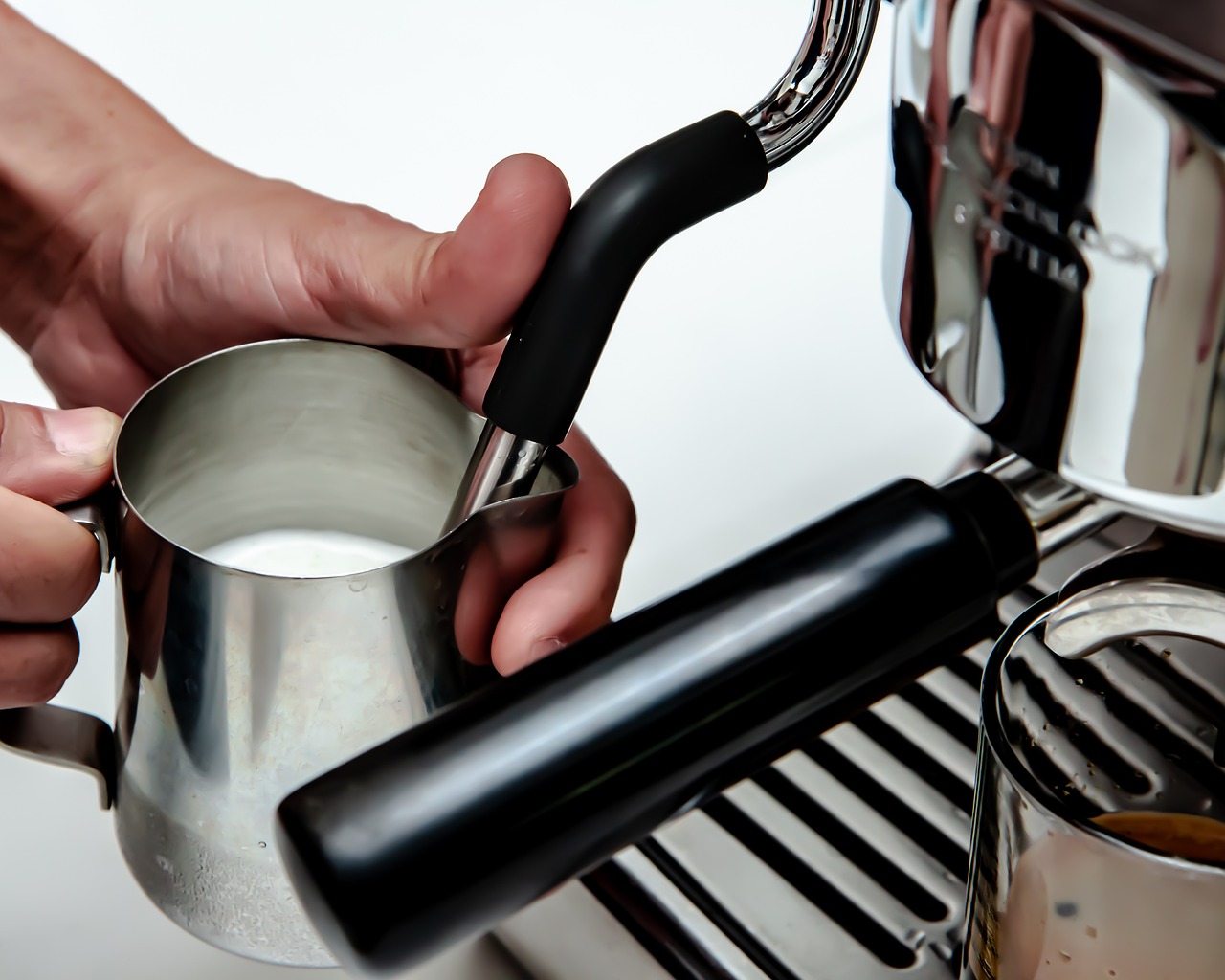
A super-automatic commercial espresso machine can automate grinding, tamping, and even milk steaming. This reduces the skill required from baristas and speeds up training. According to the National Restaurant Association, labor costs account for 30% of restaurant revenue. By reducing the time per drink from 60 seconds to 20 seconds, you can serve more customers with the same staff. For a busy urban cafe, that can translate to an additional $200–$400 in daily revenue.
Brand Perception
Customers associate high-quality espresso with a premium experience. A visible, gleaming commercial espresso machine signals quality and craftsmanship. Harvard Business Review research on experiential branding shows that customers are willing to pay 16% more for products served with visible expertise. That premium goes straight to your margin.
💡
Key Takeaway
Investing in a commercial espresso machine isn't an expense—it's a profit center. Data shows it reduces waste, increases speed, and commands higher prices, typically delivering full ROI within 6–12 months.
How to Choose the Right Commercial Espresso Machine: A Practical Guide
If you're convinced of the 'why,' the next question is 'how.' Here's a step-by-step approach based on my work with dozens of foodservice operators.
Step 1: Assess Your Volume
Estimate your peak-hour demand. A low-volume cafe (under 50 shots/hour) can do well with a single-group semi-automatic. High-volume locations need multi-group machines or super-automatics. If you're serving an office or hotel, consider a managed service that includes a commercial-grade machine tailored to your traffic.
Step 2: Decide on Automation Level
- Semi-automatic: Full control; best for skilled baristas who want to craft drinks. Higher labor skill required but lower machine cost.
- Super-automatic: Push-button convenience; ideal for high-volume, low-labor environments like hotels or offices. Some sacrifice nuance for speed.
- Managed service: Busy Bean Coffee provides high-end super-automatic equipment along with installation, maintenance, and coffee supply for a single monthly fee. No capital outlay, no maintenance headaches.
Step 3: Consider Total Cost of Ownership
Don't just look at the purchase price. Factor in installation, training, maintenance, and downtime. According to industry data, unplanned downtime costs foodservice businesses $1,500–$3,000 per day in lost revenue. A reliable machine with a service contract is worth the premium.
Step 4: Choose a Partner
Working with a provider like Busy Bean Coffee simplifies everything. We supply premium SENSA equipment, ensure professional installation, and cover all maintenance. This is especially valuable if you don't have on-site expertise. For a deep dive, see our guide on how managed coffee services work.
💡
Key Takeaway
The easiest path to profitability is to avoid capital expense altogether. Managed coffee services give you a commercial-grade machine without the upfront cost, with predictable monthly pricing.
Commercial Espresso Machine Options: A Comparison
| Option | Pros | Cons | Best For |
|---|---|---|---|
| Semi-Automatic | Full control, lower cost, better shot quality | Requires skilled barista, slower throughput | Specialty cafes, craft-focused operations |
| Super-Automatic | Speed, consistency, low labor skill | Higher cost, less customization | High-volume cafes, hotels, offices |
| Managed Service (Busy Bean Coffee) | No capital cost, includes maintenance, premium equipment | Monthly fee, less machine ownership | Businesses that want predictable costs and zero hassle |
The table above highlights that while each option has its place, managed services are increasingly popular for businesses that want to focus on their core operations. See how Busy Bean Coffee vs big competitors stacks up.
Common Questions & Misconceptions
Myth 1: “Commercial espresso machines are too expensive for small cafes.”
The upfront cost can be daunting, but the ROI is compelling. Even a $10,000 machine can pay for itself in under a year if it increases throughput by just 10 drinks per day. And with managed services, there's zero upfront cost. In my experience, small cafes that lease or use managed coffee services see profitability within months.
Myth 2: “Super-automatics don't make good espresso.”
This was true 10 years ago, but modern super-automatics from manufacturers like SENSA (used by Busy Bean Coffee) have advanced grinders, precise temperature control, and programmable dose settings. They can produce espresso that rivals semi-automatics. The key difference is consistency—super-automatics are actually more consistent.
Myth 3: “Maintenance is a nightmare.”
Neglected machines do break. But with a commercial grade machine and a proper maintenance routine (like our daily cleaning guide), breakdowns are rare. With Busy Bean Coffee's managed service, we handle all maintenance, so you don't have to think about it.
Myth 4: “I can just use a high-end home machine.”
Home machines are not designed for continuous use. They overheat, scale rapidly, and have shorter lifespans. A commercial machine is built for the rigors of a business. The cost of a home machine failure during peak hours far exceeds the savings of buying consumer-grade.
Frequently Asked Questions
How much does a commercial espresso machine cost?
Prices range from $3,000 for a basic single-group semi-automatic to over $20,000 for a multi-group super-automatic with integrated milk system. However, the total cost of ownership includes installation, training, and maintenance. Many businesses opt for managed services like Busy Bean Coffee, where the monthly fee covers everything—equipment, installation, maintenance, and even coffee. Over three years, a managed service can be more cost-effective than owning and servicing a machine outright.
How long does it take to recoup the investment?
Based on my experience with clients, most businesses recover their investment within 6–12 months. If a machine helps you sell an extra 20 premium drinks per day at $4 each, that's $80/day, or $2,400/month. A $10,000 machine pays for itself in about four months. Even conservative estimates show break-even within the first year. The key is to track the increase in average ticket and volume after installation.
What is the ROI of a commercial espresso machine?
ROI is driven by three factors: increased sales (higher average ticket), reduced waste, and labor efficiency. For a typical cafe, adding espresso can boost overall revenue by 15–25%. The Specialty Coffee Association reports that espresso-based drinks account for over 50% of cafe sales in specialty coffee shops. With a commercial machine, you also reduce coffee waste by up to 10%, saving $100–$300/month. Total ROI often exceeds 300% over a three-year period.
Should I buy or lease?
It depends on your capital situation and risk tolerance. Buying gives you ownership and no monthly payments after payoff, but you bear maintenance costs and downtime risk. Leasing or managed services (like those from Busy Bean Coffee) offer predictable monthly costs, include maintenance, and often provide newer equipment. For businesses that want to preserve capital and avoid hassle, managed services are the better choice. See our maintenance-free coffee solutions for more detail.
What maintenance is required?
Daily cleaning involves backflushing, wiping steam wands, and emptying drip trays. Weekly deep cleaning includes group head disassembly and descaling if needed. Commercial machines require professional servicing every 6–12 months to replace seals and gaskets. With Busy Bean Coffee's managed service, all maintenance is included—we schedule regular visits and handle repairs, so you never have to worry about downtime.
Summary + Next Steps
Investing in a commercial espresso machine is one of the most profitable decisions you can make for your foodservice business. The data is clear: higher average tickets, reduced waste, faster service, and stronger brand perception all contribute to a rapid ROI. Whether you choose to buy or opt for a managed service, the key is to act. Every month you delay is lost profit.
If you're ready to upgrade without the capital risk, explore Busy Bean Coffee's all-inclusive managed coffee membership. We provide top-of-the-line SENSA equipment, professional installation, full maintenance, and premium coffee—all for one predictable monthly fee. Visit www.busybeancoffee.com to learn more. For related reading, check out our guide on what is coffee shop outfitting and how to offer craft coffee in cafes.
Recommended Readings
To deepen your understanding of these topics, we recommend reading the following articles:
About the Author
Travis Estes is the CEO & Founder of Busy Bean Coffee. With over a decade of experience in foodservice coffee solutions, he has helped hundreds of hotels, restaurants, and offices build profitable coffee programs using commercial espresso machines and managed services.