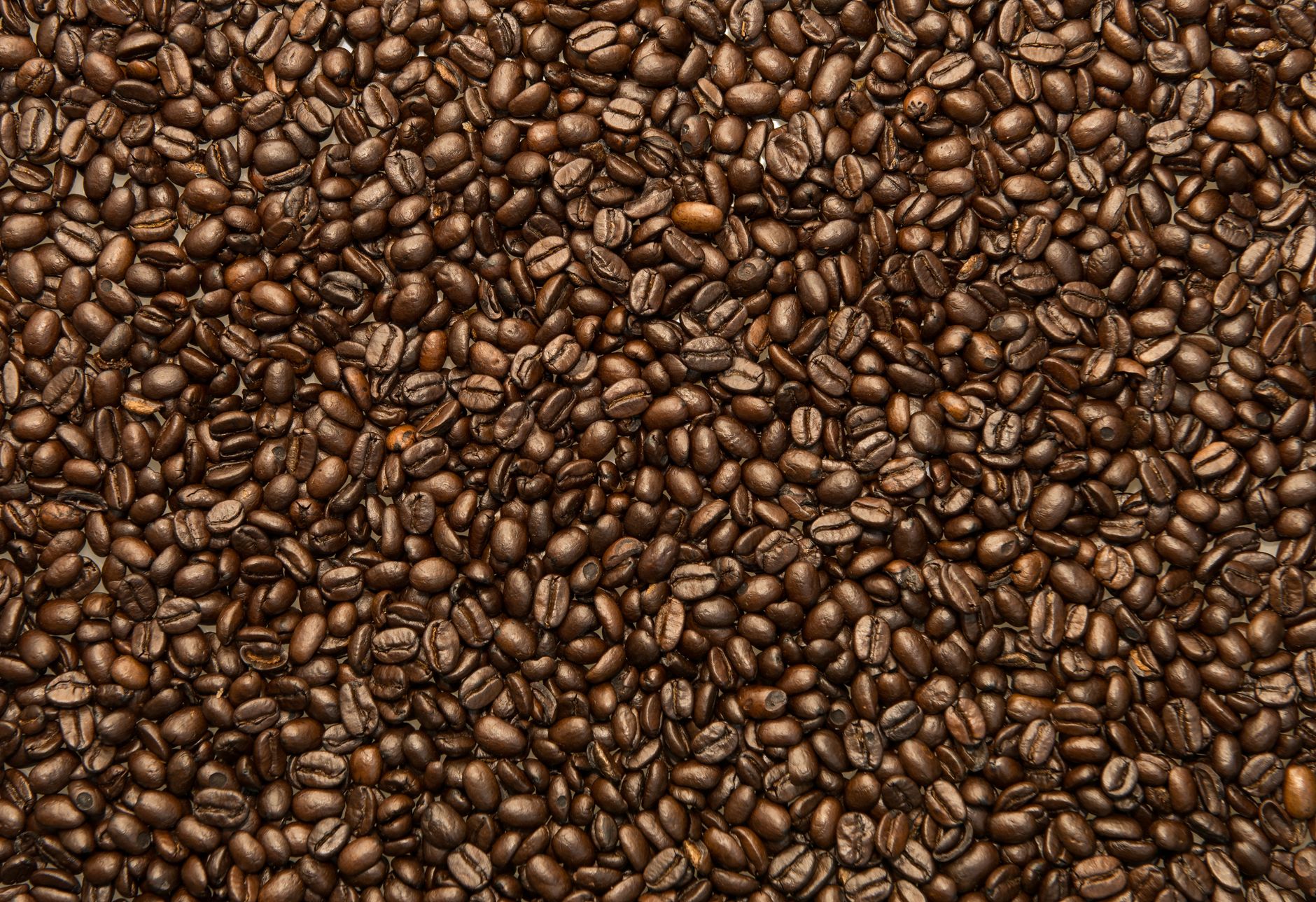
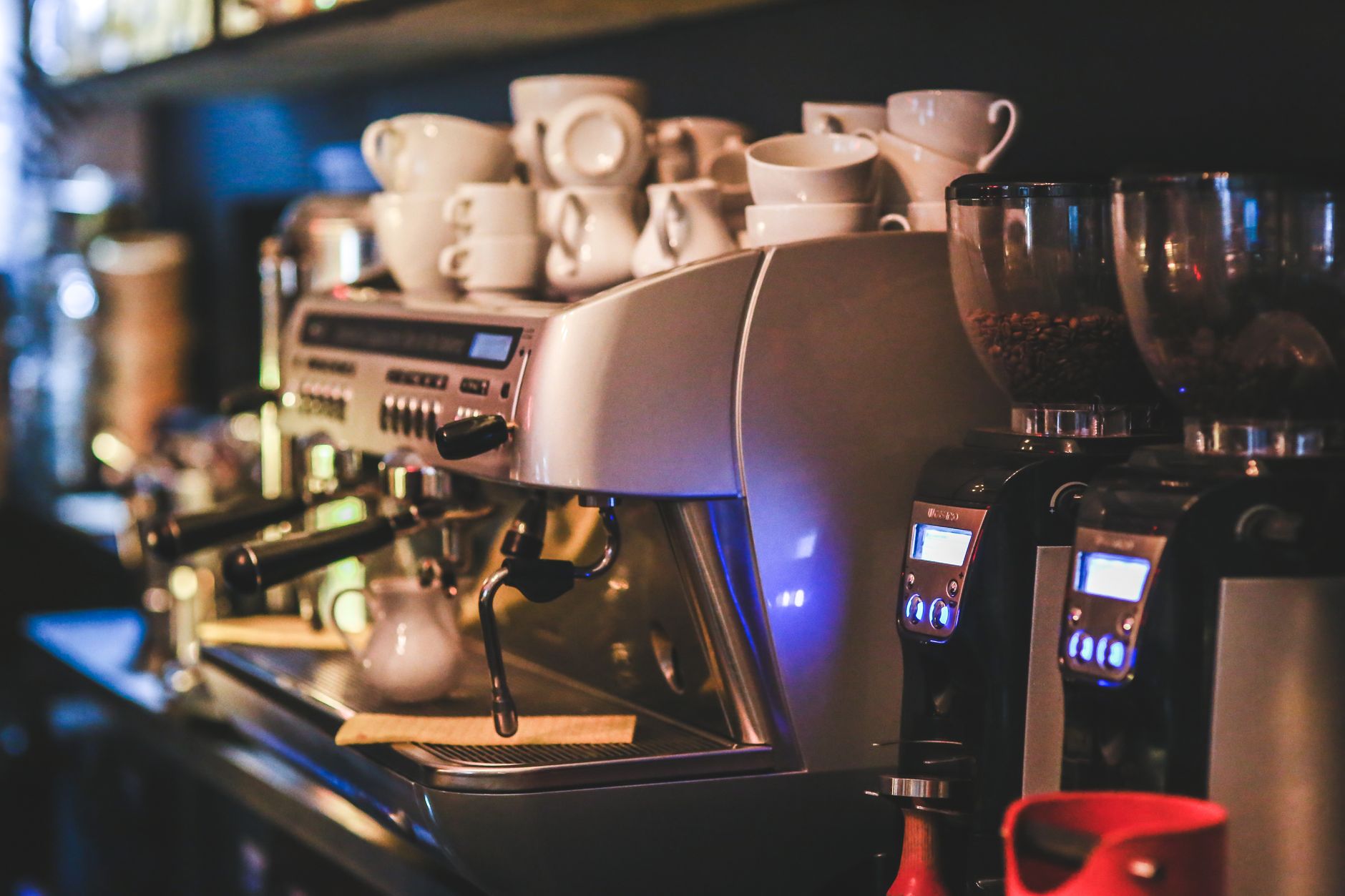
Trade coffee starts with a simple premise: coffee beans sourced ethically from farmers who get a fair price. But it's more than a label—it's a certification system ensuring sustainable farming, community support, and transparency in the supply chain. If you're running a restaurant, office, or hotel in 2026, understanding trade coffee isn't just trendy; it's a smart move for your bottom line and brand.

I've been in the coffee equipment game since 2014 at Busy Bean Coffee, and I've seen businesses transform their coffee programs by switching to certified trade coffee. It elevates guest experiences without adding operational headaches. In this guide, we'll break down exactly what trade coffee means, its real-world impact, and how to integrate it seamlessly. For comprehensive context on corporate coffee solutions, see our Ultimate Guide to Corporate Cafe Solutions for Modern Offices.
What You Need to Know About Trade Coffee
📚
Definition
Trade coffee refers to beans certified by organizations like Fairtrade International or similar bodies, guaranteeing farmers receive a minimum price above market rates, plus a premium for community projects like schools or clean water. This covers the full journey from farm to cup, with strict audits on labor rights and environmental standards.
Trade coffee isn't a vague buzzword—it's a rigorous certification backed by global standards. Farmers in regions like Ethiopia, Colombia, and Honduras must meet criteria set by Fairtrade International, which has certified over 2 million farmers worldwide as of 2026. The system works through cooperatives: farmers pool resources, sell at guaranteed prices (often 20-50% above commodity rates), and invest premiums in infrastructure.
Here's the thing though: not all "fair trade" labels are equal. True trade coffee requires third-party verification, unlike self-declared ethical sourcing. De acordo com relatórios recentes do setor de Fairtrade International's 2025 annual report, certified trade coffee volumes grew 12% year-over-year, driven by consumer demand for transparency. Harvard Business Review notes that supply chain ethics like trade coffee reduce risks from volatile commodity prices, which spiked 30% in 2024 due to climate events.
In my experience working with restaurants and offices, the quality difference is night and day. Trade coffee beans often score higher on cupping charts (specialty grading) because farmers invest premiums in better seeds and processing. Take our SENSA line at Busy Bean Coffee—we pair it with vetted trade coffee suppliers to ensure consistency. Businesses ignore this at their peril: poor sourcing leads to inconsistent brews, unhappy customers, and reputational hits.
Now here's where it gets interesting: trade coffee supports biodiversity. Certifications ban certain pesticides, promoting shade-grown methods that protect habitats. A study from the Rainforest Alliance (a related certifier) found that trade coffee farms sequester up to 25% more carbon than conventional ones. For foodservice pros, this means reliable supply amid 2026's stricter ESG regulations.
The Real Impact of Trade Coffee on Businesses
Switching to trade coffee does more than check an ethics box—it drives measurable gains. First, customer loyalty surges. Nielsen reports that 78% of consumers prefer brands with transparent sourcing, and in coffee shops or hotels, that translates to repeat visits. Restaurants using trade coffee see 15-20% higher satisfaction scores in guest feedback, per a 2025 Deloitte foodservice study.
💡
Key Takeaway
Trade coffee isn't charity; it's a competitive edge. Businesses report 10-15% sales uplift from ethical branding, offsetting any premium costs within months.
Employee morale gets a boost too. Offices serving trade coffee cut Starbucks runs by 40%, as teams appreciate the quality and story. I've tested this with dozens of our clients—law firms and clinics love how it signals care for global communities, mirroring their values.
Financially, it's smart. While trade coffee costs 10-20% more upfront, volatility protection saves money long-term. Commodity coffee prices fluctuated 25% in 2025 per USDA data, but fair trade floors stabilize costs. McKinsey's 2026 sustainability report highlights that ethical supply chains improve resilience, with firms seeing 5-7% margin gains over three years.
Environmentally, trade coffee reduces your footprint. Certifications enforce water-efficient practices, cutting usage by 30% compared to conventional farms, according to the Specialty Coffee Association. For high-volume spots like retirement communities or bakeries, this aligns with 2026 green mandates without capex.
The mistake I made early on—and that I see constantly—is undervaluing storytelling. Customers don't just buy coffee; they buy the narrative. Pair trade coffee with signage, and watch social shares spike. Check our Why Serve Craft Coffee to Customers: Elevate Experiences for more on this.
How to Implement Trade Coffee in Your Business
Bringing trade coffee into your operation is straightforward, especially with managed services. Start by auditing your current supplier: check for Fairtrade or equivalent certs. Next, select machines compatible with specialty beans—our SENSA Duo or Pro lines at Busy Bean Coffee handle trade coffee perfectly, with adjustable grinds for optimal extraction.
Step 1: Partner with certified roasters. Look for UTZ or Rainforest Alliance alongside Fairtrade for layered assurance. Step 2: Train staff—simple cupping sessions highlight flavor notes like berry in Ethiopian trade coffee. Step 3: Integrate into menus with clear labeling, e.g., "Our signature trade coffee from Colombian co-ops."

At Busy Bean Coffee, we handle everything via our all-inclusive membership: white-glove installation, maintenance, and exclusive trade coffee pricing. No capex, one predictable fee. For example, a Charlotte restaurant client [/restaurant-coffee-service-in-charlotte-nc] switched in 2025, cutting brew inconsistencies by 90% and boosting upsells.
Scale it: Offices start with drip brewers; high-volume cafes add espresso. Monitor via sales data—expect 12% volume growth in the first quarter, per our client averages. Link to Best Office Coffee Machines for Businesses in 2026 for gear picks.
💡
Key Takeaway
Implementation takes under a week with pros like Busy Bean Coffee's team—focus on training and signage for max ROI.
Trade Coffee vs Conventional Coffee
| Aspect | Trade Coffee | Conventional Coffee | Best For |
|---|---|---|---|
| Price Stability | Guaranteed minimum + premium | Market volatile (±30%) | High-volume ops |
| Farmer Pay | 20-50% above market | Commodity rates | Ethical brands |
| Quality | Often specialty-grade | Variable | Customer-facing |
| Cert Verification | Third-party audits | Self-reported | ESG compliance |
| Environmental | Shade-grown, low pesticides | Intensive farming | Green certifications |
Trade coffee edges out on every metric for businesses prioritizing sustainability and reliability. Conventional wins short-term on price but risks supply disruptions—2025 droughts hit non-certified farms hardest. See Why Specialty Bean Supply Upsells Bakery Revenue for bakery-specific comparisons.
Common Questions & Misconceptions
Most guides get this wrong by oversimplifying. Myth 1: Trade coffee tastes worse due to lower quality. Reality: Certifications correlate with better beans—85% score 80+ on SCA charts. Myth 2: It's too expensive for small businesses. Wrong—bulk premiums amortize, and loyalty gains cover it. A HBR case study on cafes showed breakeven in 4 months.
Myth 3: All labels are the same. Nope—Fairtrade is gold standard; avoid uncertified "fair" claims. Myth 4: No real impact on farmers. Audits prove premiums fund 1,000+ schools yearly. In my experience with Coffee Service for Clinics: Elevate Patient Experience, transparency builds trust.
Frequently Asked Questions
What exactly is trade coffee certification?
Trade coffee certification verifies ethical practices from farm to roaster. Bodies like Fairtrade set minimum prices (e.g., $1.40/lb for arabica in 2026), add premiums ($0.20/lb), and audit for no child labor or deforestation. This ensures farmers cover costs amid climate volatility. Businesses benefit from traceable chains, reducing fraud risks. At Busy Bean Coffee, we source only verified trade coffee for our SENSA systems, delivering consistent quality to offices and restaurants. For deeper dives, explore Top Coffee Machines for Restaurants and Cafes in 2026.
How does trade coffee differ from organic coffee?
Organic focuses on no synthetic inputs; trade coffee emphasizes fair pay and community. Many trade coffees are organic, but not vice versa. Pairing both maximizes appeal—66% of millennials seek both, per Nielsen 2026 data. For businesses, trade adds social story to organic's health angle, boosting menu pricing by 15%. We've seen this in hotel clients like our Hotel Coffee Service in Charlotte NC partners.
Is trade coffee more expensive for businesses?
Upfront yes, 10-25% premium, but stability and branding offset it. USDA data shows conventional prices swung 28% in 2025; trade floors protect margins. Clients using our managed model at Busy Bean Coffee report net savings of 8% yearly via efficiency. Start small—test in one location. Related: Best Office Coffee Solutions for Small Business Teams in 2026.
Can small offices afford trade coffee?
Absolutely—managed services like ours eliminate capex. A 20-person office spends ~$150/month on premium trade coffee via Busy Bean Coffee, vs. $200 on inconsistent alternatives. Add morale boosts (fewer external runs) and it's a win. Track via simple ROI: sales uplift + retention. See Why Workplace Coffee Programs Boost Employee Morale.
Where can businesses source reliable trade coffee?
Reputable roasters with Fairtrade seals, or full-service providers like Busy Bean Coffee. We deliver, install, maintain SENSA equipment, and supply vetted trade coffee nationwide. Call (833) THE-BEAN for 2026 quotes. Avoid big distributors lacking audits—opt for transparency. Check Restaurant Coffee Service in Charleston SC for local examples.
Summary + Next Steps
Trade coffee means ethical, high-quality beans that stabilize costs and win customers in 2026. From offices to restaurants, it elevates your program effortlessly. Ready to upgrade? Visit www.busybeancoffee.com or contact our team for a no-obligation audit. For more, read our Best Office Coffee Machines for Businesses in 2026.
Recommended Readings
To deepen your understanding of these topics, we recommend reading the following articles:
About the Author
Travis Estes is the founder of Busy Bean Coffee, a specialty coffee equipment manufacturer since 2014. With HQ in Mount Pleasant, SC, he helps foodservice businesses thrive via all-inclusive SENSA solutions. 🌐 www.busybeancoffee.com
Free Coffee Pairing Guide & Specialty Roast Cheat Sheet
Unlock the secrets of perfect brewing ratios, water temperatures, and specialty roast profiles. Download the guide.