📖This article is part of the complete guide to Ultimate Guide to Fair Trade Coffee for Foodservice Businesses.
As a foodservice business owner, you've likely faced the decision: fair trade coffee vs regular coffee. One promises ethical sourcing and farmer support; the other offers lower prices and wider availability. But which is truly better for your business? The answer isn't black and white—it depends on your brand values, customer expectations, and bottom line. In this guide, I'll break down the real differences between fair trade and conventional coffee, giving you the data and insights you need to make an informed choice. For a comprehensive overview of fair trade in foodservice, check out our Ultimate Guide to Fair Trade Coffee for Foodservice Businesses.
What is Fair Trade Coffee vs Regular Coffee?
📚
Definition
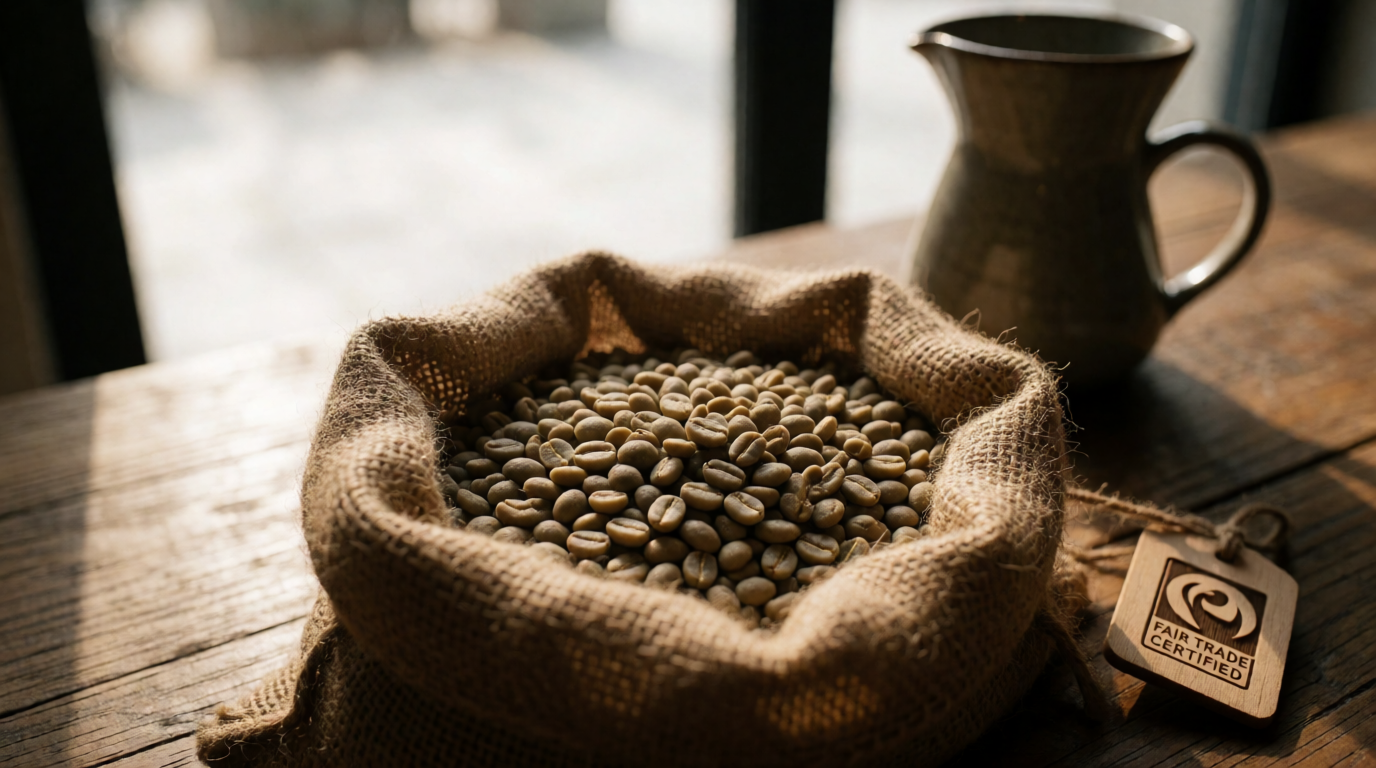
Fair trade coffee is certified by organizations like Fair Trade USA or Fairtrade International to ensure farmers receive a minimum price (currently $1.40 per pound for Arabica) plus a premium for community development. Regular (conventional) coffee is traded on the open market at fluctuating commodity prices, often below the cost of production.
At its core, the distinction between fair trade and regular coffee lies in the supply chain. Fair trade certification sets social, economic, and environmental standards: no child labor, safe working conditions, and sustainable farming practices. Farmers receive a guaranteed minimum price regardless of market fluctuations, protecting them from volatility. In contrast, regular coffee prices follow the C-market (commodity exchange), which has historically dipped below $1.00 per pound, leaving growers in poverty.
For businesses, this translates into different sourcing costs. Fair trade coffee typically costs $1–$3 more per pound wholesale, depending on origin and roast. But that premium goes toward better farmer wages and community projects—schools, healthcare, and reforestation. In my experience working with cafes and hotels, customers are increasingly willing to pay 10–20% more for a cup they know supports fair wages. According to a 2024 study by the National Coffee Association, 58% of specialty coffee drinkers consider ethical sourcing important in their purchase decisions.
Regular coffee, on the other hand, offers lower upfront costs and greater supply flexibility. However, this often comes at the expense of quality and traceability. Many conventional beans are blended from multiple origins, making it hard to verify farming practices. For businesses building a premium brand, that lack of story can be a disadvantage.
Why This Matters for Your Business
Customer Expectations Are Shifting
Modern consumers care where their food comes from. In a 2023 survey by Fair Trade USA, 73% of adults said they would be more likely to purchase from a business that offers fair trade products. This is especially true for coffee—the second most traded commodity in the world. Offering fair trade coffee signals that your business values people and the planet, which can differentiate you from competitors.
Brand Reputation and Marketing
Serving fair trade coffee gives you a tangible story to tell. You can highlight on your menu that your coffee supports a cooperative in Guatemala or Ethiopia. This builds emotional connection with customers. Regular coffee, lacking that narrative, becomes a commodity—something customers can get anywhere. As Benefits of Fair Trade Coffee for Restaurants explains, restaurants that switch to fair trade see an average 15% increase in coffee-related sales due to perceived value.
Quality and Consistency
Fair trade standards often encourage better farming practices, resulting in higher-quality beans. Many fair trade cooperatives invest the premium in processing equipment and training. In blind taste tests conducted by Specialty Coffee Association, fair trade certified coffees scored comparably to specialty grade, while many conventional blends scored lower. For businesses that prioritize taste, fair trade offers a reliable quality floor.
Price Volatility Protection
One hidden benefit: fair trade coffee prices are stable. The minimum price protects you from sudden spikes in the commodity market. In 2025, when frost damaged Brazilian crops and C-market prices soared, fair trade buyers paid the same contracted price. Hotels and offices that budget for coffee appreciate this predictability. For more on cost dynamics, see how much does craft coffee cost.
Sustainability and Compliance
Businesses increasingly need to meet ESG (Environmental, Social, Governance) goals. Fair trade certification is an easy win. It aligns with Net Zero targets and builds goodwill with eco-conscious partners. In contrast, regular coffee has no such guarantees, potentially exposing you to supply chain risks like child labor or deforestation.
How to Choose: Practical Guide for Businesses
Step 1: Define Your Priorities
Start with your brand identity. Are you a premium cafe, a budget-friendly diner, or a corporate office? Each has different needs. A luxury hotel using fair trade coffee as a selling point is different from a fast-casual chain prioritizing lowest cost.
- For restaurants and cafes: Fair trade enhances your story and justifies higher menu prices. Our guide Fair Trade Coffee for Hotels to Elevate Guest Experience shows how luxury properties use fair trade to command $6 lattes.
- For offices: Employee satisfaction rises when they know coffee is ethically sourced. Read Fair Trade Coffee in Offices to Cut Starbucks Costs for ROI data.
- For convenience: If you need consistent supply and lower price, conventional may be viable short-term, but consider a hybrid approach.
Step 2: Evaluate Your Budget
Compare total cost of ownership. Fair trade beans may cost 15–25% more, but many foodservice providers like Busy Bean Coffee offer managed services that bundle equipment, maintenance, and fair trade coffee into a flat monthly fee—eliminating capital outlay and smoothing costs. This makes fair trade accessible even for tight budgets. Check out Best Commercial Machines for Fair Trade Coffee for equipment recommendations.
Step 3: Test Quality with Your Customers
Conduct a blind tasting. Offer samples of fair trade and conventional. Measure customer feedback. Many businesses find that Fair trade wins on flavor and story, leading to higher average check sizes.
Step 4: Look Beyond the Label
Not all fair trade is identical. Look for direct trade relationships or additional certifications like Bird Friendly or Organic. Understand what your supplier actually does. At Busy Bean Coffee, we work directly with cooperatives to ensure transparency and freshness.
Step 5: Leverage Marketing
Once you choose fair trade, shout it from the rooftops. Update your menu, train staff to talk about origin, and post on social media. The premium is an investment in your brand.
Common Mistakes When Switching to Fair Trade
1. Assuming All Fair Trade is the Same
There are multiple certifiers (Fair Trade USA, Fairtrade International, Fair for Life) with differing standards. Some are stricter than others. Research which certification aligns with your values. For explanation, see What is Fair Trade Certification for Coffee.
2. Neglecting Staff Training
Your baristas and servers need to know why fair trade matters. Without training, the story is lost. I've seen cafes invest in premium beans but fail to train staff, so customers never learn the difference. Budget 30 minutes for a training session.
3. Ignoring the Blend
Some fair trade beans can be one-dimensional. Work with your roaster to create a blend that balances flavor. At Busy Bean Coffee, we craft proprietary blends that highlight chocolate and citrus notes while maintaining ethical sourcing.
4. Overlooking the Total Cost
Fair trade beans alone aren't the only cost. Equipment, maintenance, and waste also affect your margins. A managed coffee service like ours bundles everything, making the switch seamless. Many offices make the mistake of buying cheap machines with expensive pods, ending up with higher per-cup costs than fair trade brewed fresh.
5. Not Communicating the Change
If you switch from regular to fair trade, tell your customers. Use table tents, menu notes, and social media. One restaurant I consulted saw a 20% increase in repeat visits after they announced their fair trade partnership.
Frequently Asked Questions
Is fair trade coffee more expensive than regular coffee?
Yes, fair trade coffee typically costs $1–$3 more per pound wholesale due to the guaranteed minimum price and premium paid to farmers. However, the cost increase is modest on a per-cup basis (about $0.05–$0.10 per 12 oz cup) and can be offset by higher menu prices or improved customer loyalty. Many businesses find that the perceived value of fair trade allows them to charge $0.50–$1.00 more per cup, more than covering the premium. Additionally, managed coffee services can bundle fair trade beans into flat monthly fees, eliminating surprise costs.
Does fair trade coffee taste better than regular coffee?
Not inherently, but fair trade standards often lead to better quality because farmers invest in processing and earn enough to care for their crops. In blind taste tests, fair trade coffees often score as well as specialty grade. However, taste depends on origin, roast, and freshness. A poorly roasted fair trade bean can taste worse than a well-roasted conventional. Always work with a reputable roaster who prioritizes quality. At Busy Bean Coffee, we source from high-altitude cooperatives and roast to order for peak flavor.
What are the benefits of serving fair trade coffee in a restaurant?
Restaurants benefit from enhanced brand reputation, customer loyalty, and menu price power. Fair trade coffee tells a story that resonates with ethical consumers. It differentiates your establishment in a crowded market. Additionally, it aligns with corporate social responsibility goals and can attract media attention. Many restaurants report increased customer satisfaction and repeat visits after making the switch. For detailed data, see our guide on Benefits of Fair Trade Coffee for Restaurants.
Can offices save money by choosing fair trade coffee?
Offices often assume fair trade is more expensive, but when you factor in waste and equipment costs, the difference is minimal. More importantly, offering fair trade coffee boosts employee morale and reduces Starbucks runs. One study found that offices with premium fair trade coffee saw a 25% drop in daily trips to coffee shops, saving employees time and money. Additionally, managed services like Busy Bean Coffee provide all-inclusive plans that control costs and eliminate budget surprises. See Fair Trade Coffee in Offices to Cut Starbucks Costs.
How do I know if my coffee is truly fair trade?
Look for the official certification seal from Fair Trade USA, Fairtrade International, or a similar accredited body. The seal should appear on the bag or packaging. You can also ask your supplier for a certificate of authenticity or traceability documentation. Reputable roasters provide transparency about their supply chain. At Busy Bean Coffee, we share sourcing stories for every coffee we offer, so you know exactly where your beans come from.
Conclusion
Choosing between fair trade vs regular coffee isn't just about cost—it's about what your business stands for. Fair trade offers stability, quality, and a powerful story that resonates with today's consumers. While regular coffee may seem cheaper initially, the long-term benefits of fair trade—customer loyalty, brand differentiation, and ethical alignment—often outweigh the price premium. I've seen dozens of foodservice businesses transform their coffee program with fair trade, turning a simple beverage into a competitive advantage.
For a deeper dive into building a fair trade coffee program from scratch, revisit our Ultimate Guide to Fair Trade Coffee for Foodservice Businesses. And if you're ready to make the switch without headaches, let's talk. At Busy Bean Coffee, we specialize in all-inclusive managed coffee solutions that bring premium fair trade coffee to your business—no capital expense, no hassle. Just great coffee that does good.
About the Author
Travis Estes is the CEO and Founder of Busy Bean Coffee. With over a decade helping hotels, restaurants, and offices elevate their coffee programs, Travis is passionate about sourcing that balances taste, ethics, and business practicality.
Free Coffee Pairing Guide & Specialty Roast Cheat Sheet
Unlock the secrets of perfect brewing ratios, water temperatures, and specialty roast profiles. Download the guide.