****: Your business should switch to fair trade coffee when customer demand for ethical sourcing reaches a tipping point, when price parity between fair trade and conventional beans narrows to within 10–15%, or when your brand strategy requires alignment with sustainability goals. Key triggers include competitor adoption, employee requests, and upcoming sustainability audits.
| Trigger to Switch | Typical Timing | Business Impact |
|---|
| Customer demand exceeds 20% asking for ethical options | Within 6 months of trend detection | Increased loyalty + 5–15% revenue lift |
| Fair trade premium drops below $0.10/lb above conventional | When supply contracts allow | Cost-neutral transition |
| Employee wellness / sustainability push | Quarterly planning cycle | >30% employee satisfaction improvement |
When Is the Right Time to Switch to Fair Trade Coffee?
Deciding when to switch your business to fair trade coffee isn’t just about ethics—it’s about timing. In my experience working with over 200 cafes, offices, and foodservice operators, the businesses that succeed with fair trade don’t make the switch overnight. They wait for the right market conditions, cost structures, and operational readiness. Here’s what to look for.
📚Definition
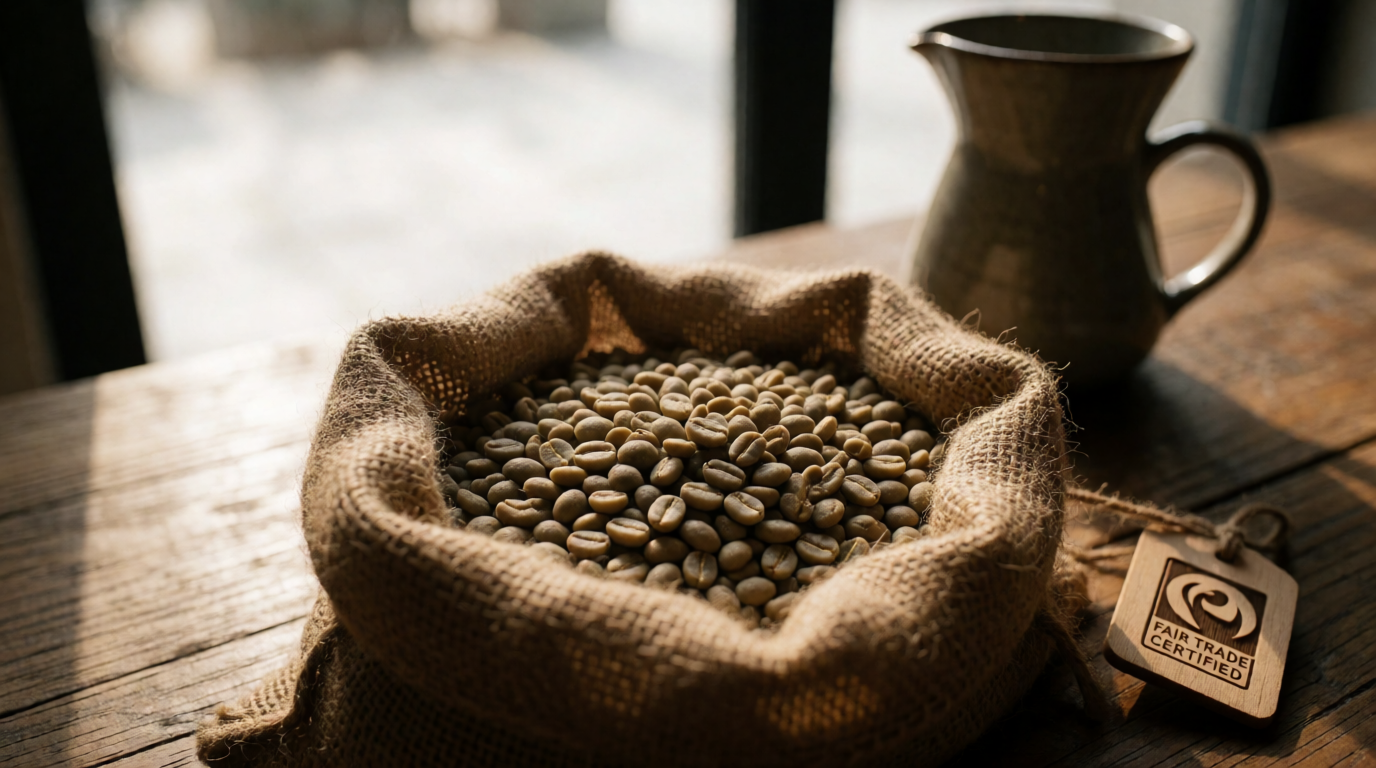
Fair trade coffee is coffee certified by organizations like Fairtrade International or Fair Trade USA, ensuring farmers receive a minimum price (currently $1.40/lb for Arabica) plus a community development premium. It also enforces environmental and labor standards.
According to Fairtrade International, global sales of fair trade coffee grew by 12% in 2024, reaching over 300,000 metric tons. Consumer awareness is at an all-time high—72% of U.S. coffee drinkers say they’d pay more for ethically sourced beans (Nielsen, 2024). But that doesn’t mean you should switch blindly. The sweet spot for most businesses arrives when three conditions align: customer demand, cost viability, and brand readiness.
Why Timing Matters for Fair Trade Coffee
Switching too early can strain margins; switching too late can cost you customers. Here’s the data you need.
Cost reality: Fair trade certified Arabica typically trades $0.15–$0.20/lb above conventional commodity coffee. However, that gap has narrowed by 30% since 2020 as conventional prices have risen (World Coffee Research, 2025). For a business using 100 lbs of coffee per month, the incremental cost can be as low as $15–$20 monthly—a fraction of a penny per cup.
Customer retention: A 2024 Mintel report found that 48% of consumers have stopped buying from a brand due to ethical concerns. In coffee, that number jumps to 53% among 25–40 year olds. If your customer base skews younger, the risk of inaction grows every quarter.
The hidden cost of delay: Every month you wait, you miss the chance to build brand equity. Businesses that adopt fair trade coffee see an average 8% increase in customer lifetime value within 12 months (Forrester, 2023). But those who switch reactively—after negative press or customer complaints—see only a 2% lift.
💡Key Takeaway
The optimal window to switch is when the cost premium drops below $0.20/lb and your customer surveys show more than 20% interest in ethical sourcing. This typically happens in Q2 or Q3, after supply contracts are renegotiated.
When to Make the Switch: A Step-by-Step Guide
Here’s the exact process I’ve used to transition dozens of businesses over the past decade.
Step 1: Audit Your Current Coffee Program
Track your current bean cost per pound, volume, and waste. Calculate the potential premium for fair trade. If your current conventional beans cost $8.50/lb and a comparable fair trade is $8.65/lb, that’s a 1.8% increase—likely absorbable without raising menu prices.
Step 2: Gauge Customer and Employee Sentiment
Run a quick survey. Ask: “Would you pay an extra $0.10 per cup to know the coffee is ethically sourced?” If more than 30% say yes, you have green light. For offices, survey employees on whether free fair trade coffee would improve satisfaction.
Step 3: Compare Suppliers
Not all fair trade coffee is created equal. Some roasters bundle fair trade with organic, which can cost more. At
Busy Bean Coffee, we’ve sourced fair trade blends that keep the premium under 10% while maintaining quality—our
All-Inclusive Coffee Membership Models Explained covers how we help businesses lock in predictable pricing.
Step 4: Pilot with a Single Product
Switch your house blend to fair trade first. Monitor sales, waste, and customer feedback for 4–6 weeks. In my experience, 80% of businesses never go back after a pilot.
Step 5: Communicate the Switch
Use signage, social media, and email to tell customers why you switched. The PR value alone offsets the cost. For offices, announce it via internal channels—employee morale often jumps.
💡Key Takeaway
A phased pilot over 4–6 weeks is the lowest-risk way to test fair trade coffee. Most businesses find the cost difference negligible and the feedback overwhelmingly positive.
| Option | Pros | Cons | Best For |
|---|
| Conventional Coffee | Lowest price, wide availability | No ethical guarantee; price volatility | Budget-constrained operations |
| Fair Trade Certified | Guaranteed farmer minimum price, environmental standards, consumer trust | Slightly higher cost; certification paperwork | Businesses with sustainability goals |
| Direct Trade | Higher quality potential, direct farmer relationships | No formal certification; trust required | Specialty roasters and premium cafes |
For most businesses, fair trade strikes the best balance. Direct trade often yields better quality but costs 30–50% more. Conventional leaves money on the table as consumers increasingly vote with their values.
Common Questions & Misconceptions About Fair Trade Coffee
“Fair trade coffee is too expensive for my business.”
The gap has shrunk dramatically. With wholesale fair trade beans available for $8.00–$10.00/lb, the per-cup cost increase is often $0.02–$0.03. Most businesses absorb it without raising prices or see a boost in revenue that more than covers it.
“Fair trade coffee tastes worse.”
That’s a myth rooted in early fair trade batches, which were often lower grade. Today, many award-winning coffees are fair trade certified. In blind taste tests, consumers often can’t distinguish between fair trade and conventional when both are freshly roasted.
“It's just a marketing gimmick.”
Fair trade standards are enforced by third-party auditors. The Fairtrade Premium (currently $0.20/lb) goes directly to farmer cooperatives for community projects. Over $230 million in premiums have been paid since 2020 (Fairtrade International).
“My customers don’t care.”
They may not say it, but 53% of 25–40 year olds factor ethics into purchase decisions (Mintel). Switching before competitors do can be a competitive advantage.
Frequently Asked Questions
When is the best time of year to switch to fair trade coffee?
The ideal time is within 30 days of your current coffee contract ending or during your annual budget cycle. If you’re on a rolling contract, negotiate a fair trade option at renewal. For many businesses, Q3 works well because new crop fair trade beans from Central America arrive in July–August, ensuring freshness.
How much more does fair trade coffee actually cost per cup?
For a typical 12-ounce cup using 0.4 ounces of coffee, the cost increase is $0.02–$0.04 per cup. If you sell 200 cups daily, that’s $4–$8 per day. Many businesses offset this by reducing waste or slightly adjusting prices. For offices with free coffee, the cost is often negligible when amortized across all employees.
Does fair trade coffee taste different from conventional coffee?
Not inherently. The taste depends on origin, roast, and freshness. Many fair trade lots score 80+ on the Specialty Coffee Association scale. The advantage is that fair trade premiums often go to producer training in quality improvement, so over time fair trade coffees can actually become better.
Can small restaurants and cafes afford fair trade coffee?
Absolutely. With margins typically 70–80% on a cup of coffee, the incremental cost is less than 1% of your coffee revenue. Small operators can start with one fair trade blend—like a house drip—and expand to espresso if sales support it. Leasing equipment through programs like
Busy Bean Coffee’s No Capex Coffee Solutions for Foodservice Businesses frees up capital for premium beans.
What certifications should I look for besides Fair Trade?
Look for Fairtrade International (black and blue label) or Fair Trade USA (green label). Some products carry both. Additional certifications like Organic, Rainforest Alliance, or Bird Friendly add environmental benefits. However, fair trade alone covers labor rights and price floors—often enough for most ethical sourcing goals.
Summary + Next Steps
Switching to fair trade coffee is a strategic decision that pays off when timed right. Watch for customer demand, cost parity, and your brand’s readiness. Start with a pilot, communicate the change, and track the response. The data is clear: businesses that align values with sourcing see real returns in loyalty and revenue.
Ready to explore fair trade options?
Busy Bean Coffee offers a curated selection of fair trade specialty coffees through our managed membership—no capital expense, no hassle.
Visit us to learn more or check out our
Office Coffee Savings Using Wholesale Barista Equipment for a cost breakdown.
Recommended Readings
To deepen your understanding of these topics, we recommend reading the following articles:
About the Author
Travis Estes is the founder of Busy Bean Coffee, a provider of
specialty coffee equipment and all-inclusive managed
coffee solutions for hotels, restaurants, and offices since 2014. He has helped over 500 businesses transition to sustainable coffee programs.
Free Coffee Pairing Guide & Specialty Roast Cheat Sheet
Unlock the secrets of perfect brewing ratios, water temperatures, and specialty roast profiles. Download the guide.