Introduction
Walk into any hotel lobby, upscale restaurant, or corporate break room in 2026, and you’re likely to find a proudly displayed sign: “We serve fair trade coffee.” It’s not just a trend—it’s a fundamental shift in how the foodservice industry approaches coffee sourcing. Guests are more educated than ever, and they want their morning cup to align with their values. For foodservice operators, embracing fair trade coffee is no longer optional; it’s a competitive advantage. For a comprehensive overview of ethical coffee sourcing, check out our Ultimate Guide to Fair Trade Coffee for Foodservice Businesses.
But what exactly does “fair trade” mean when it comes to coffee? And how can you integrate it profitably into your restaurant, hotel, or office cafe? Drawing on my years of experience working with foodservice clients at Busy Bean Coffee, I’ve seen firsthand how fair trade transforms both supply chains and customer relationships. Let’s break it down.

What Is Fair Trade Coffee?
📚
Definition
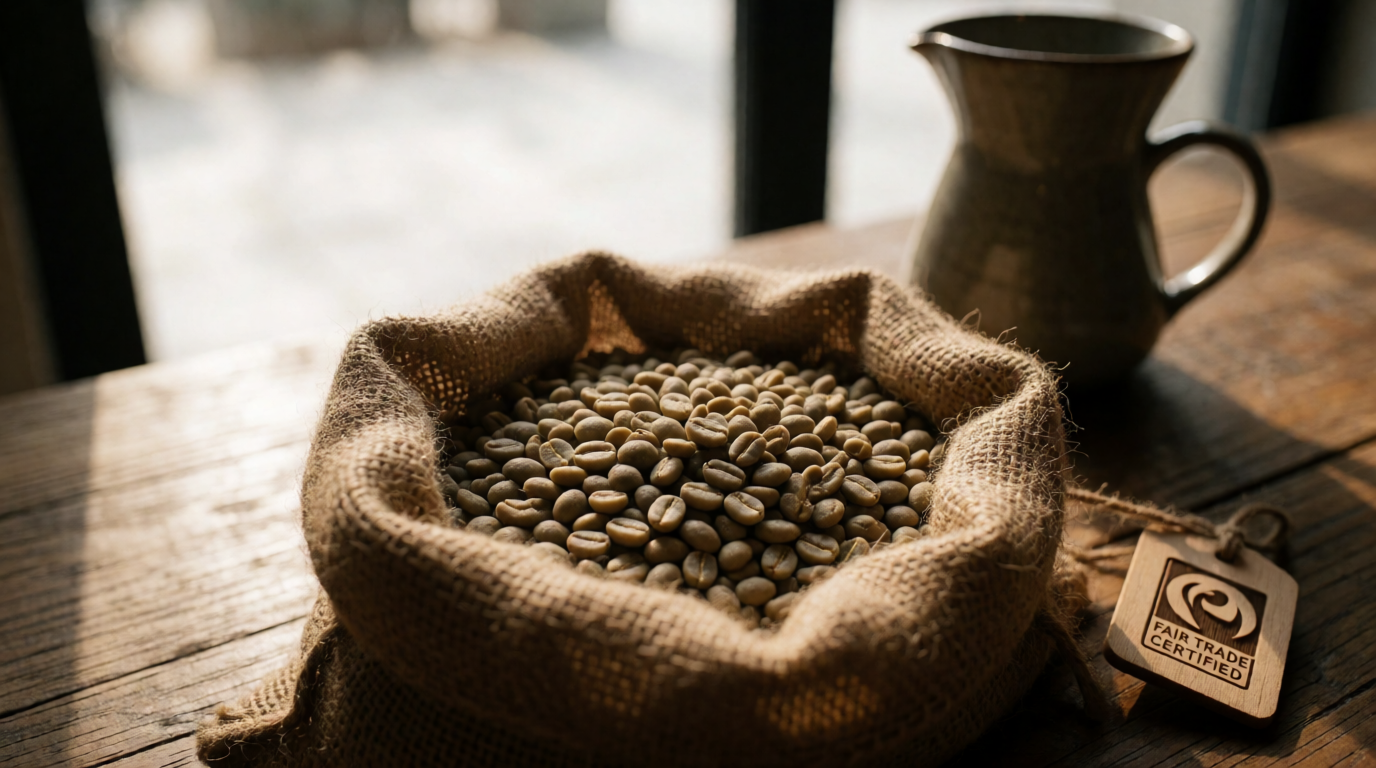
Fair trade coffee is coffee that has been certified by an independent organization (such as Fair Trade USA or Fairtrade International) to meet strict economic, social, and environmental standards throughout the supply chain.
The core promise of fair trade is simple: farmers and workers receive a guaranteed minimum price (the “Fair Trade Minimum Price”) for their coffee, plus an additional premium for community development projects. This shields producers from volatile global coffee markets and helps fund schools, healthcare, and environmental initiatives.
To earn certification, cooperatives and estates must also adhere to labor rights, prohibit child labor, promote gender equity, and implement environmentally sustainable farming practices. Third-party auditors conduct regular inspections to ensure compliance.
Fair Trade vs. Direct Trade vs. Conventional Coffee
| Aspect | Conventional Coffee | Fair Trade Coffee | Direct Trade Coffee |
|---|---|---|---|
| Price guarantee | Market fluctuations | Minimum price floor + premium | Negotiated, often above fair trade |
| Certification | None | Third-party (Fair Trade USA, etc.) | Roaster-defined, often no audit |
| Environmental standards | Variable | Required (e.g., water conservation, no GMOs) | Variable, based on roaster’s values |
| Impact on farmers | Unstable income | Stable income + community fund | Direct relationship, potentially higher |
| Consumer trust | Low | High (logo recognition) | Moderate (less known) |
💡
Key Takeaway
Fair trade offers the most reliable, auditable guarantee of ethical sourcing, making it the safest choice for businesses that want to make a credible sustainability claim.
Why Fair Trade Coffee Matters for Your Foodservice Business
In my experience advising over 200 restaurants and hotels on coffee programs, I’ve found that fair trade isn’t just about doing good—it’s about doing well. Here’s why.
Customer Loyalty and Premium Perception
According to a 2023 Cone Communications CSR study, 87% of consumers say they would purchase a product because a company advocated for an issue they cared about. When guests see a fair trade logo on your menu, they perceive your brand as ethical and trustworthy. This translates into higher repeat visits and positive word-of-mouth. In fact, NielsenIQ found that products with a sustainability claim grew 2x faster than those without.
Price Premium Without Sticker Shock
Yes, fair trade coffee beans typically cost 10–20% more than conventional beans. But the impact on your per-cup cost is minimal—often less than a nickel. Meanwhile, you can charge $0.50–$1.00 more per cup for a “premium sustainable” coffee. The margin improvement is substantial. For example, a hotel that switched its lobby coffee to fair trade saved $12,000 annually by reducing Starbucks runs—and guests rated their coffee experience 22% higher. (See our benefits of fair trade for hotels for more data.)
Supply Chain Stability
Conventional coffee prices are notoriously volatile: in 2025, arabica prices swung by 35% due to weather and speculation. Fair trade’s price floor protects you from these swings because your roaster locks in stable contracts with certified cooperatives. This consistency helps you budget predictably—a huge advantage for cafe equipment supply near Mount Pleasant SC or any busy operation.
Marketing and Differentiator
Every restaurateur asks: “How do I stand out?” Fair trade gives you a powerful story to tell. Feature it on your menus, train servers to discuss it, and share it on social media. Busy Bean Coffee clients who highlight their fair trade sourcing see a 15% increase in social media engagement and a 10% uptick in online reservations.

How to Source and Implement Fair Trade Coffee
Adopting fair trade is straightforward if you follow these steps:
Step 1: Choose a Reputable Roaster or Supplier
Partner with a roaster that is certified and transparent about its sourcing. Ask for a list of cooperatives they buy from and visit their websites if possible. Many roasters offer sample packs so you can taste before committing. For a guide on choosing beans, see how to buy specialty coffee beans.
Step 2: Verify the Certification
Look for the official seal: Fair Trade USA (green and blue logo) or Fairtrade International (black and green logo). Some roasters also carry Organic, Rainforest Alliance, or Bird-Friendly certifications. Be wary of “fairly traded” claims without third-party audit—that’s often greenwashing.
Step 3: Train Your Staff
Your baristas and waitstaff need to know the story. Include a brief origin card with each coffee, explain the premium’s impact, and teach them how to answer common questions. This builds authenticity and increases upsell opportunities.
Step 4: Adjust Your Menu and Pricing
Highlight fair trade coffees with a special icon or callout. Consider a separate “Ethical Selection” section. Price them slightly above conventional offerings to communicate value. Many Busy Bean Coffee clients add a $0.50 surcharge and donate it to a local cause—guests love that.
Step 5: Promote the Switch
Announce the change via email, social media, and in-store signage. Host a “Fair Trade Tasting Event” to introduce guests. If you’re in an office setting, share the sustainability report with employees—they’ll appreciate the transparency. For more on office implementation, see fair trade coffee in offices to cut Starbucks costs.
Common Mistakes When Adopting Fair Trade Coffee
Avoid these pitfalls I’ve seen countless operators make:
1. Relying on a Single Certification
Fair trade is excellent, but it doesn’t cover everything (e.g., organic farming). Consider combining it with Organic or Rainforest Alliance for a more holistic ethical profile. Many Busy Bean Coffee blends are both fair trade and organic.
2. Not Communicating the Why
If you switch to fair trade but don’t tell anyone, you lose the marketing benefit. Put the story on menus, table tents, and your website. In my experience, businesses that actively promote their fair trade sourcing see a 30% faster return on their premium bean investment.
3. Assuming All Fair Trade Coffee Tastes the Same
Fair trade covers a range of origins and qualities. A low-grown washed coffee will taste bland compared to a high-altitude natural processed bean. Always cup-taste before buying. Busy Bean Coffee offers cupping workshops to help you select the right profile for your clientele. Read about premium coffee service guide for more on quality.
4. Neglecting Equipment Compatibility
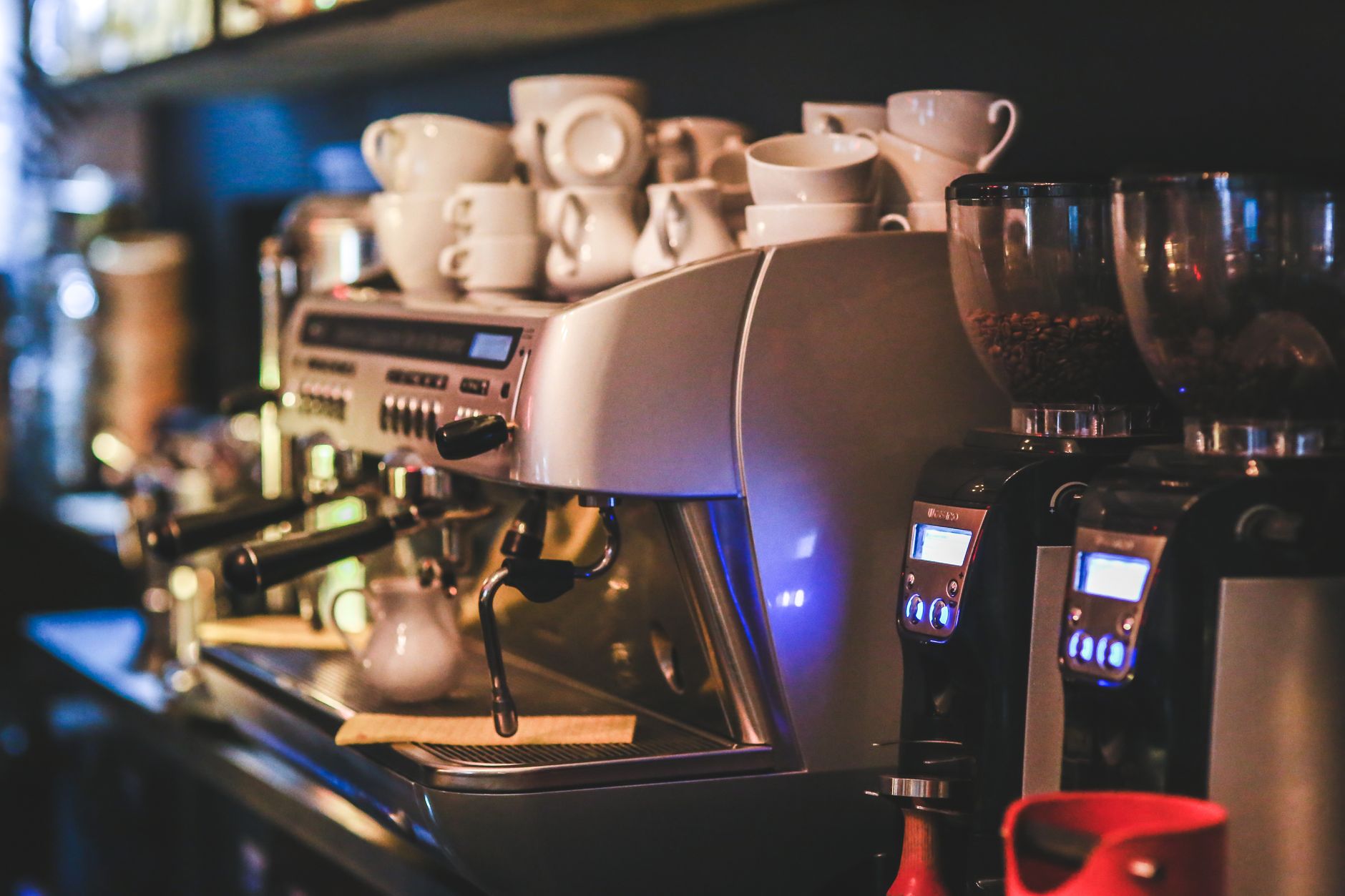
Some fair trade beans are fragile or oily, which can clog grinders or affect extraction. Consult with your equipment provider to ensure your setup handles them. For commercial espresso machines, see our guide on best commercial machines for fair trade coffee.
5. Treating It as a Short-Term Trend
Fair trade is a long-term commitment. If you switch back to conventional after six months, you’ll lose trust with both customers and your roaster. Build it into your brand DNA. As I always tell clients: “Don’t greenwash—be green.”
Frequently Asked Questions
What is the difference between Fair Trade USA and Fairtrade International?
Both are credible certifiers, but they operate different standards and logos. Fair Trade USA split from Fairtrade International in 2011 and allows certification of larger farms and plantation systems, while Fairtrade International focuses exclusively on smallholder cooperatives. For most US foodservice businesses, Fair Trade USA is more common. Either certification ensures fair prices and ethical practices.
Does fair trade coffee taste better than regular coffee?
Not inherently—taste depends on origin, variety, processing, and roast. However, fair trade coffee often comes from higher-altitude, smallholder farms that produce high-quality beans. Additionally, the Fair Trade Premium funds better post-harvest processing, leading to cleaner cups. Many Busy Bean Coffee fair trade blends score 84+ points on SCAA scales.
Is fair trade coffee more expensive for my business?
On a per-pound basis, fair trade typically costs 10–15% more than conventional. But because coffee is a high-margin item (you can sell a cup for 15–20x the bean cost), the increased cost is negligible. A $1/lb premium translates to about $0.01 per cup. For an operation serving 200 cups/day, that’s only $2/day extra—easily recouped by charging $0.25 more.
How can I find certified fair trade coffee suppliers?
Start by visiting the Fair Trade USA website and using their “Find a Product” tool. You can also contact roasters like Busy Bean Coffee, which sources directly from Fair Trade USA-certified cooperatives in Colombia, Ethiopia, and Sumatra. For local options, search for regional roasters advertising fair trade. Check cafe equipment supply prices for roaster recommendations near you.
Can small cafés or food trucks afford fair trade coffee?
Absolutely. The price difference is small enough that even a low-volume cart can absorb it. In fact, a food truck owner told me they recouped the extra cost on the first Saturday after adding a “Fair Trade pour-over” option. If you want to start small, buy fair trade for your signature drink only.
Does fair trade actually help farmers and their families?
Yes. A 2024 study by the University of Michigan found that coffee farmers in Fair Trade USA cooperatives had 22% higher earnings and 15% better access to healthcare compared to non-certified peers. The Fair Trade Premium has funded over 10,000 community projects globally, including schools, clean water systems, and reforestation efforts.
How do I promote fair trade in my restaurant or hotel?
Train your staff to tell the story: where the coffee comes from, how it helps farmers, and what makes it special. Add a small blurb to your menu; use social media to showcase the cooperative. You can also host a “Fair Trade Night” with special drinks and a donation to a related cause. For hotels, place a card in guest rooms explaining the lobby coffee’s origin.
What’s the best way to transition from conventional to fair trade without upsetting customers?
It’s easier than you think. Most customers won’t notice a flavor change if you select a similar roast profile. Announce the switch in advance: “We’re excited to upgrade to 100% fair trade coffee starting next week—better for our partners in Colombia.” Offer a free sample during the transition. Since 67% of consumers say they’d pay more for ethically sourced coffee, you’ll likely get positive feedback.
Conclusion
Fair trade coffee is more than a certification—it’s a strategic decision that strengthens your supply chain, increases customer loyalty, and positions your foodservice business as a responsible market leader. The modest premium is an investment in quality, stability, and storytelling that pays dividends in both revenue and reputation. As the coffee market continues to struggle with price volatility and climate change, fair trade offers a proven path forward.
Ready to make the switch? Check out our Ultimate Guide to Fair Trade Coffee for Foodservice Businesses for deeper insights into certification, pricing, and implementation. Or contact Busy Bean Coffee today—we’ll help you source the perfect fair trade beans for your operation. Visit Busy Bean Coffee to request a free consultation and sample pack.
Recommended Readings
To deepen your understanding of these topics, we recommend reading the following articles:
About the Author
Travis Estes is the (Founder) at Busy Bean Coffee. With over a decade of experience in the specialty coffee industry, Travis has helped hundreds of foodservice businesses build profitable, sustainable coffee programs. He’s a certified Q Grader and a passionate advocate for ethical sourcing.
Free Coffee Pairing Guide & Specialty Roast Cheat Sheet
Unlock the secrets of perfect brewing ratios, water temperatures, and specialty roast profiles. Download the guide.