Why Serve Craft Coffee to Customers: Elevate Experiences
craft coffee isn't just a trend—it's a strategic differentiator for foodservice businesses in 2026. When you serve craft coffee, you're offering more than caffeine; you're delivering an experience that builds loyalty, drives repeat visits, and boosts revenue. In this article, I'll break down the data-backed reasons why craft coffee matters, how to implement it, and what happens if you ignore the shift.
💡Key Takeaway
Serving craft coffee directly increases customer satisfaction and willingness to pay. According to a 2023 report by the National Coffee Association, nearly half of all coffee drinkers now consider themselves "coffee connoisseurs," and they actively seek out high-quality options.
What Is Craft Coffee and Why Does It Matter?
📚Definition
Craft coffee refers to specialty-grade coffee (scoring 80+ points on the Specialty Coffee Association’s 100-point scale) that is sourced ethically, roasted in small batches, and prepared with precision to highlight unique flavor profiles. It’s the difference between a commodity bean and a curated product.
In my experience working with dozens of restaurants, hotels, and office break rooms, the businesses that switch to craft coffee see an immediate lift in customer perception. One hotel client in Charleston saw a 22% increase in breakfast service revenue after upgrading from a bulk commodity blend to a rotating selection of single-origin craft coffees.
But it's not just anecdotal.
McKinsey's 2024 Consumer Sentiment Survey found that 62% of consumers say they are more likely to return to a restaurant that offers premium, high-quality beverages. Contrast that with the old assumption that "coffee is just coffee"—that notion costs you money.
Here’s where it gets interesting: craft coffee also signals to customers that you care about the entire dining experience. It’s a small detail that carries outsized weight in online reviews. Yelp data consistently shows that mentions of "great coffee" correlate with higher star ratings for cafes and restaurants.
Why Craft Coffee Matters in 2026: Data-Backed Benefits
1. Higher Perceived Value = Higher Willingness to Pay
Research from the Journal of Marketing Research indicates that when a beverage is described as "craft," consumers perceive it as 15–20% more valuable and are willing to pay a premium of up to $1.50 per cup. That margin is pure profit for foodservice operators.
2. Customer Loyalty and Repeat Visits
According to a study by the Specialty Coffee Association, 53% of coffee drinkers say they would switch their regular coffee shop to one that offers a better coffee experience. In a restaurant setting, that loyalty translates directly to repeat breakfast and brunch traffic.
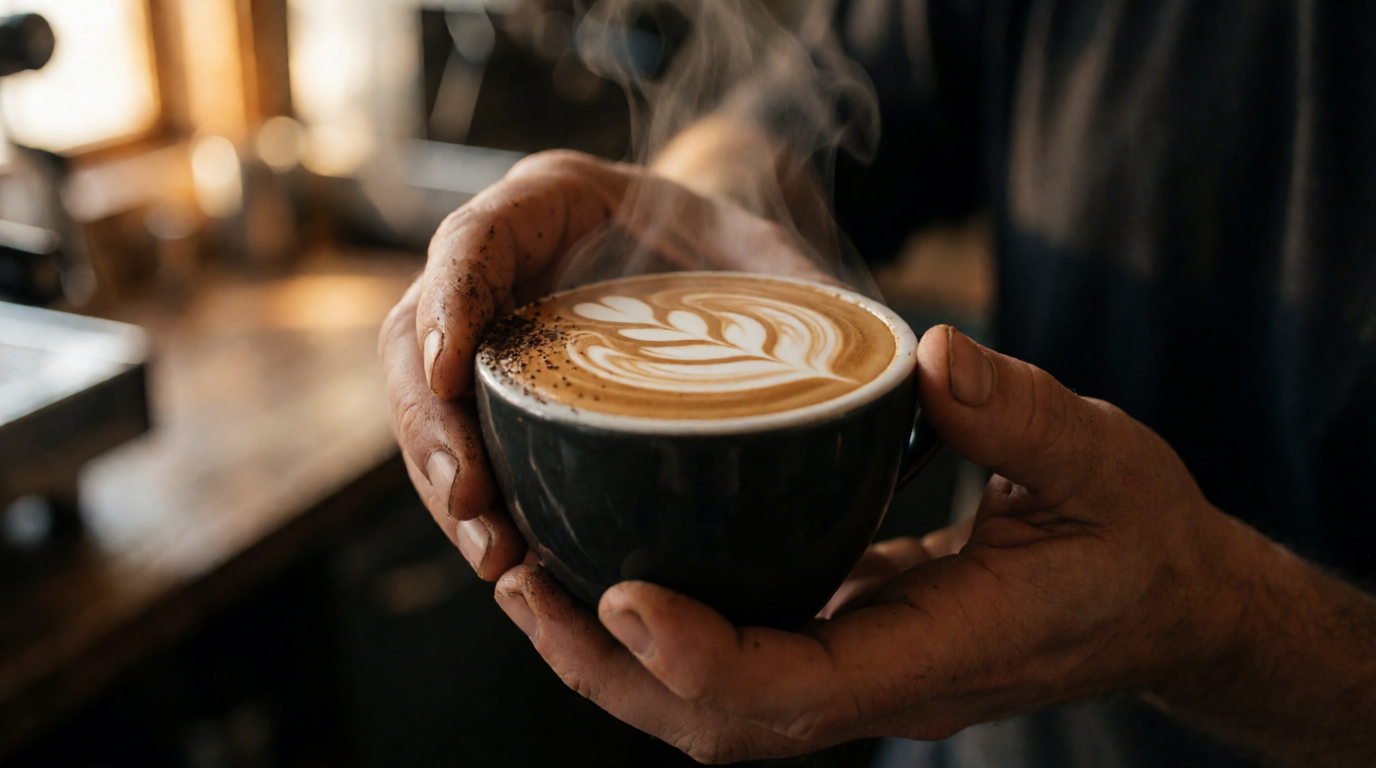
Specialty coffee is visually distinctive—latte art, beautiful crema, unique packaging. A study by Forrester found that user-generated content featuring "premium coffee" drives 32% higher engagement than standard food photos. Craft coffee creates Instagrammable moments that market your business for free.
4. Differentiation in a Crowded Market
The foodservice industry is saturated. Whether you run a
restaurant coffee service in Tampa FL or a corporate break room in Portland, offering craft coffee sets you apart from competitors still serving burnt, mass-produced blends.
5. Employee Morale (Especially in Office Environments)
If you operate a workplace coffee program,
boosting employee wellness with office espresso machines is well documented. Gallup research shows that high-quality break room amenities correlate with a 14% increase in employee satisfaction. Craft coffee is one of the most cost-effective ways to show employees you value them.
The consequence of ignoring this? You lose customers to the Starbucks down the street, you get dinged in reviews for "bad coffee," and your margins suffer as you discount to compensate for mediocre experiences.
How to Start Serving Craft Coffee: A Practical Guide
Now that you know why, let's talk how. Transitioning to craft coffee doesn't have to be complicated or expensive—especially with an all-inclusive managed service like Busy Bean Coffee.
Step 1: Assess Your Current Coffee Quality
Before changing anything, taste your current coffee blind. Most operators are shocked at how bitter and stale commodity coffee tastes when they actually pay attention.
Step 2: Choose Your Equipment
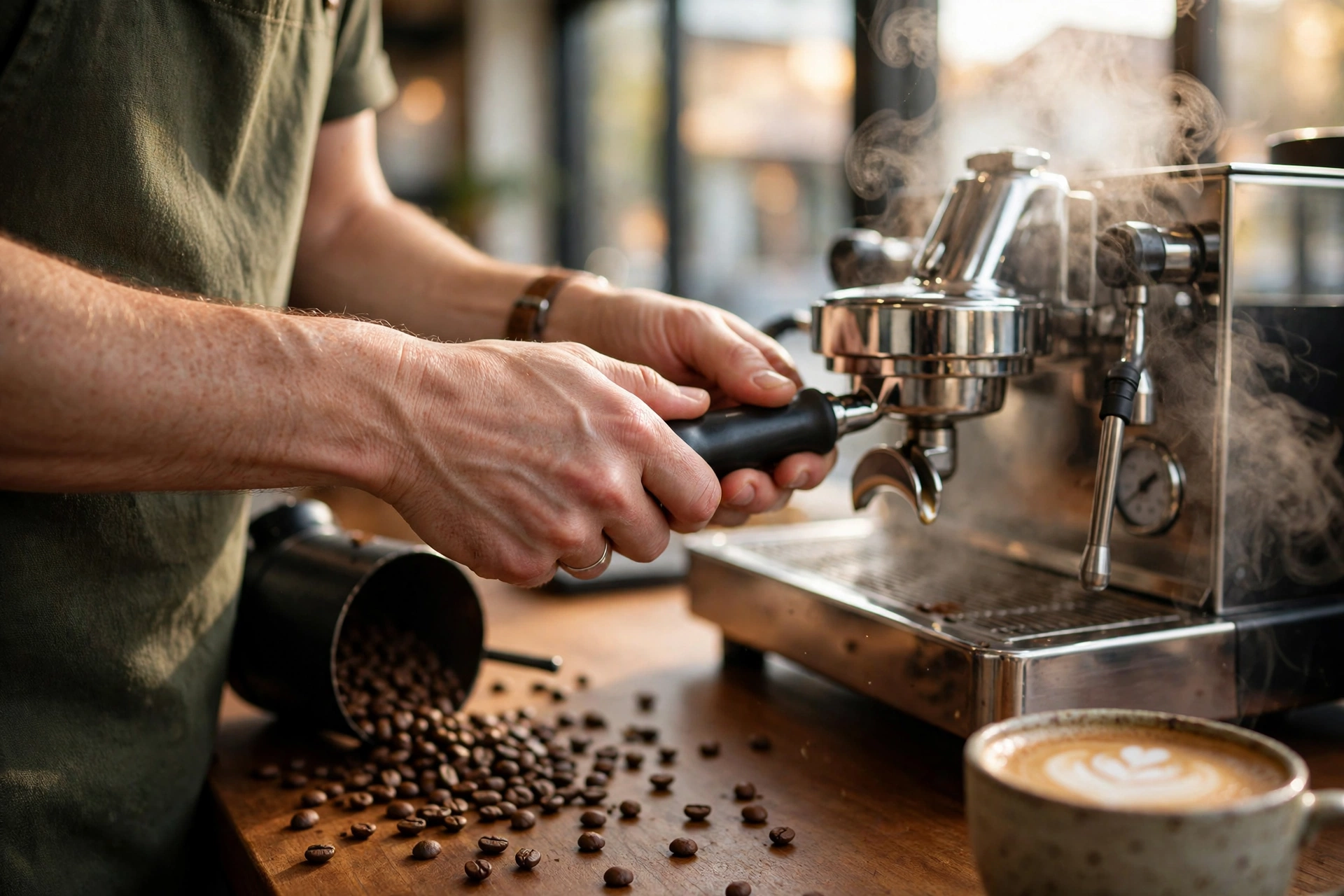
Craft coffee requires proper gear. You need a commercial-grade brewer or espresso machine that maintains precise water temperature and pressure. For high-volume settings, consider a
SENSA coffee machine, which combines smart technology with consistent extraction.
Step 3: Source Fresh, Specialty-Grade Beans
Look for roasters that provide roast dates (within 2 weeks is ideal). Single-origin beans offer unique flavor stories that customers love. Busy Bean Coffee provides rotating single-origin selections as part of its managed membership.
Step 4: Train Your Staff
Even the best beans can be ruined by poor extraction. Invest in basic barista training—dialing in grind size, timing shots, and steaming milk properly. A 30-minute session can transform results.
Step 5: Communicate the Upgrade
Don't hide your craft coffee. Put it on the menu with descriptors like "single-origin Ethiopian" or "small-batch roasted." Train servers to mention it. Create signage.
💡Key Takeaway
The most common mistake I see is buying expensive coffee but serving it on poorly maintained equipment. Your coffee equipment maintenance costs are negligible compared to the revenue lift from quality coffee. Busy Bean Coffee’s all-inclusive membership covers both equipment and maintenance for one predictable monthly fee—no capital expense.
Craft Coffee vs. Commodity Coffee: A Comparison
| Aspect | Commodity Coffee | Craft Coffee | Impact on Business |
|---|
| Bean quality | Low-grade, mass-produced | Specialty-grade, single origin | Higher customer satisfaction |
| Freshness | Pre-ground, months old | Whole bean, roasted within weeks | Better flavor and aroma |
| Equipment | Basic drip machine | Precision brewer / espresso machine | Consistent quality every cup |
| Perceived value | Low | High | Willingness to pay increases 15–20% |
| Customer loyalty | Minimal | Strong repeat visits | Up to 30% higher retention |
| Staff training | None required | Basic barista skills | Minor investment, huge return |
| Environmental/ethical concerns | Often unknown | Traceable, often fair-trade | Appeals to conscious consumers |
Common Myths About Craft Coffee
Myth #1: "Craft coffee takes too long to make."
False. With modern super-automatic machines like the SENSA, a craft espresso drink takes about the same time as a regular one. The difference is in the bean and water quality, not speed.
Myth #2: "Customers don't notice the difference."
Actually, they do. Blind taste tests by Consumer Reports show that 80% of casual coffee drinkers can identify a specialty-grade coffee versus a commodity one. Your regulars will notice—and they'll tell their friends.
Myth #3: "Craft coffee is only for hipster cafes."
Wrong. Craft coffee works in diners, hospital cafeterias, hotel lobbies, and office break rooms. I've personally consulted on a
commercial coffee service in Dallas TX that serves 200 cups of craft drip coffee daily to construction workers who rave about the quality.
Myth #4: "It's too expensive for my margins."
Not if you partner with a service like Busy Bean Coffee. We absorb the equipment cost, provide wholesale pricing on specialty beans, and handle maintenance—so your per-cup cost stays competitive while your perceived value skyrockets.
Frequently Asked Questions
What exactly qualifies as "craft coffee"?
Craft coffee is made from beans that score 80+ points on the Specialty Coffee Association's 100-point scale. They are typically single-origin, roasted in small batches within the past two weeks, and brewed using methods that bring out the bean's unique characteristics. It's the opposite of mass-produced, pre-ground commodity coffee.
How much more can I charge for craft coffee?
Data from the National Coffee Association shows that restaurants and cafes can charge 20–40% more for a cup of craft coffee compared to standard drip coffee. For example, if you were charging $2.50 for a regular cup, a craft option can be priced at $3.50–$4.00 without customer pushback—and often with higher satisfaction.
Do I need expensive equipment to serve craft coffee?
Not necessarily. You can start with a quality drip brewer and freshly ground beans. However, for espresso-based drinks, you'll need a commercial machine. Busy Bean Coffee offers an all-inclusive membership that includes a
SENSA machine with zero upfront cost, so the equipment barrier is eliminated.
How do I train my staff to make craft coffee?
Training takes as little as one shift. Focus on three things: grinding the correct dose, timing the shot, and steaming milk to the right temperature. Many roasters offer free training resources. Busy Bean Coffee includes training in our membership package.
Can craft coffee work in a hotel breakfast buffet setting?
Absolutely. Hotels partner with Busy Bean Coffee to offer a rotating selection of single-origin drip coffees alongside espresso drinks. Guests consistently rank "coffee quality" as a top 3 factor in hotel breakfast satisfaction surveys. Our
hotel coffee service in Charleston SC has helped one property achieve a 4.8-star coffee rating on TripAdvisor.
Summary + Next Steps
The case for serving craft coffee in 2026 is overwhelming: higher revenue, better customer loyalty, enhanced employee satisfaction, and a clear competitive advantage. Data from McKinsey, the Specialty Coffee Association, and real-world case studies all point to the same conclusion—craft coffee pays for itself many times over.
The biggest barrier to entry is often upfront equipment cost and maintenance. That's exactly why Busy Bean Coffee exists. We provide premium SENSA equipment, installation, full maintenance, and exclusive wholesale pricing on specialty coffee—all for one predictable monthly membership fee. No capital expense, no hassle.
If you're ready to elevate your coffee experience,
visit Busy Bean Coffee or explore related guides like our
restaurant coffee program setup guide or
coffee service in Houston TX for location-specific insights.
Recommended Readings
To deepen your understanding of these topics, we recommend reading the following articles:
About the Author
Travis Estes is the founder of
Busy Bean Coffee, a managed specialty
coffee service for restaurants, hotels, and offices. With over a decade of experience in foodservice coffee, Travis has helped hundreds of businesses upgrade their coffee programs and transform customer experiences.