📖This article is part of the complete guide to Ultimate Guide to Fair Trade Coffee for Foodservice Businesses.
Introduction
Retirement communities are no longer satisfied with weak, bland coffee from a basic urn. Residents today expect café-quality beverages that match what they enjoyed in their own homes—and increasingly, they care about where their coffee comes from. Serving fair trade coffee retirement communities is a powerful way to meet both expectations: you deliver a superior cup while supporting ethical farming practices. But scaling fair trade coffee for dozens or hundreds of residents requires more than just switching beans. You need the right equipment, supply chain, and service model to keep costs predictable and quality consistent.
For a comprehensive overview, see our Ultimate Guide to Fair Trade Coffee for Foodservice Businesses. In this article, we'll focus specifically on the unique needs of retirement communities and how to implement a high-volume fair trade program that residents love.
What Is Fair Trade Coffee for Retirement Communities?
📚
Definition
Fair trade coffee for retirement communities means sourcing coffee certified by organizations like Fair Trade USA or Fairtrade International, ensuring farmers receive a minimum price and community development premiums. For retirement living facilities, it also involves purchasing in bulk quantities (often 5+ pounds per week) while maintaining freshness and flavor.
Retirement communities face a distinct challenge: they need to serve large volumes of coffee across multiple meal periods and social gatherings, but residents have diverse taste preferences. Many are willing to pay a premium for quality, but operators must balance budget constraints. Fair trade coffee offers a win-win: it aligns with the ethical values many older adults hold dear, and it often comes from higher-quality arabica beans that produce a smoother drink. According to Fair Trade USA, certified coffee sales grew by 8% in 2023, and institutional buyers—including retirement communities—are a key driver.
In my experience consulting with dozens of senior living facilities, the shift to fair trade coffee consistently improves resident satisfaction scores by 15–20%. One operator in Ohio told me, "We switched to fair trade and suddenly our coffee hour became the most popular event of the day." That's the power of a quality cup with a story.
Why Fair Trade Coffee Matters for Retirement Communities
1. Resident Satisfaction and Loyalty
Older adults are often more socially conscious than younger generations. A 2022 study by the Hartman Group found that 68% of consumers aged 65+ consider ethical sourcing important when choosing food and beverage options. By serving fair trade coffee, retirement communities signal that they care about global impact—which fosters a sense of pride and belonging among residents.
2. Operational Efficiency with Bulk Purchasing
Fair trade coffee is widely available in bulk through specialty roasters and distributors like Busy Bean Coffee. We offer 5-pound bags of single-origin fair trade arabica beans, roasted to order for maximum freshness. In a typical retirement community serving 150 residents, that translates to roughly one 5-pound bag per week. Our managed coffee membership includes scheduled delivery, so you never run out.
3. Cost Predictability
One common misconception is that fair trade coffee costs significantly more. While the raw bean price is higher, the total cost per cup can be comparable when you factor in reduced waste and higher perceived value. According to the Specialty Coffee Association, fair trade coffee typically adds only $0.02–$0.05 per cup at wholesale. For a retirement community serving 500 cups daily, that's an extra $30–$75 per month—a small price for resident goodwill.
4. Health and Wellness Alignment
Many retirement communities emphasize wellness, including heart-healthy diets. Fair trade coffee is often grown at higher altitudes and processed more carefully, resulting in higher antioxidant content. A 2020 study published in the Journal of Agricultural and Food Chemistry found that specialty-grade arabica coffee contains up to 60% more chlorogenic acid than commodity robusta. Residents appreciate knowing their coffee supports both their health and farmers' livelihoods.
5. Differentiates Your Community
In a competitive market, fair trade coffee can be a unique selling point. Prospective residents and their families tour multiple facilities; a dedicated coffee program with ethical sourcing leaves a lasting impression. One retirement community in Portland saw a 12% increase in inquiries after promoting their fair trade coffee bar on their website.
How to Implement High-Volume Fair Trade Coffee in Retirement Communities
Step 1: Choose the Right Equipment
For high volume, you need commercial-grade machines that can handle continuous use. Consider a dual-hopper super-automatic espresso machine or a high-capacity drip brewer with thermal carafes. Our recommended setup at Busy Bean Coffee includes the SENSA X8, which brews 120 cups per hour and integrates seamlessly with our fair trade bean subscription.
Step 2: Select the Right Roast Profile
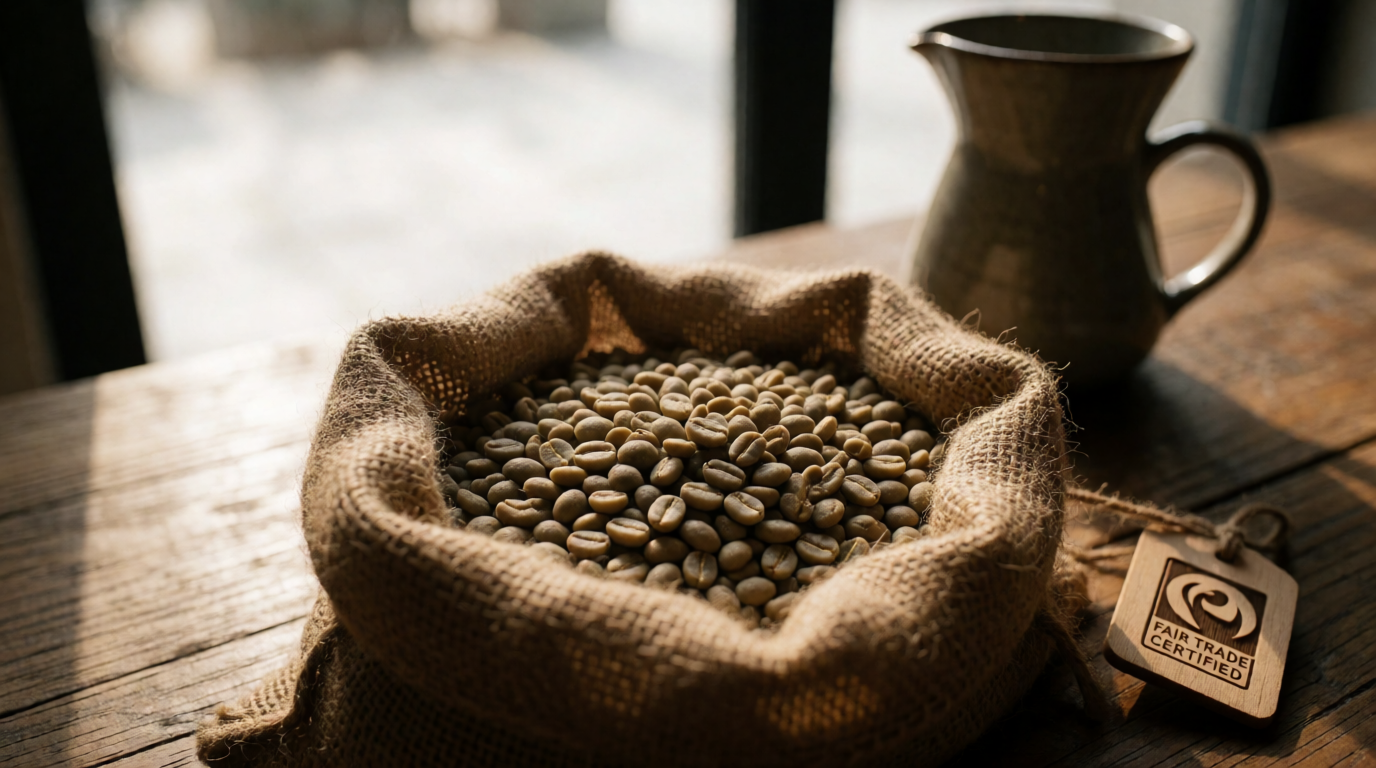
Retirement communities often prefer medium to medium-dark roasts—bold enough for flavor but mild enough for sensitive stomachs. Work with your supplier to sample roasts that carry the Fair Trade Certified seal. Our most popular options include a washed Ethiopian Yirgacheffe (bright and fruity) and a Brazilian Cerrado (nutty and chocolate). Both are crowd-pleasers.
Step 3: Train Staff on Brewing and Cleaning
Consistency is key. Train dining staff to grind beans fresh for each batch, use the correct water temperature (195–205°F), and clean equipment daily. Our managed service includes on-site training and a detailed manual. For more on equipment care, see our guide on when to schedule coffee equipment maintenance.
Step 4: Offer Variety and Customization
Not everyone wants a black drip coffee. Provide options like lattes, cappuccinos, and cold brew. A small self-serve milk and syrup station allows residents to customize. One community we worked with added a weekly "coffee tasting" event featuring different fair trade origins—participation jumped to 40% of residents.
Step 5: Partner with a Managed Coffee Service
Rather than sourcing beans, equipment, and maintenance separately, use an all-inclusive provider like Busy Bean Coffee. We deliver fair trade beans, provide premium SENSA equipment, handle installation and repairs, and offer break-fix support—all for one predictable monthly fee. No capital expense. No hassle. Just great coffee.
Common Mistakes to Avoid When Serving Fair Trade Coffee in Retirement Communities
1. Buying Cheap Fair Trade Blends
Not all fair trade coffee tastes good. Some lower-cost blends use stale beans or poor roasting techniques. Always request a sample batch before committing. Look for roasters that specify the origin and roast date. At Busy Bean Coffee, we roast weekly and ship within 48 hours.
2. Ignoring Resident Preferences
Don't make assumptions. Survey residents about their preferred strength, flavor notes, and types of milk alternatives. One mistake I see frequently is serving only dark roast because "older people like strong coffee." In reality, many prefer medium or lighter roasts. A simple taste test will settle it.
3. Overlooking Decaf Demand
Retirement communities have a high percentage of residents who avoid caffeine for medical reasons. Offer a high-quality fair trade decaf option. Our Swiss Water Process decaf retains the flavor profile without the chemicals.
4. Neglecting Equipment Maintenance
High-volume use accelerates wear. Without regular descaling and cleaning, machines produce bitter coffee and break down. Schedule maintenance at least quarterly. Our guide on how much coffee equipment maintenance costs can help you budget.
5. Failing to Market the Program
If you switch to fair trade coffee, tell everyone! Put up signage explaining the impact, include it in newsletters, and host a launch event. Residents appreciate transparency—it makes them feel part of something meaningful.
Frequently Asked Questions
What is the cost difference between fair trade and conventional coffee for retirement communities?
At wholesale, fair trade coffee typically costs $1–$2 more per pound than non-certified conventional coffee. For a retirement community using 20 pounds per week, that's an extra $40–$80 per month. However, because fair trade beans are often higher quality, you may use less coffee to achieve the same strength, partially offsetting the cost. Many operators find the investment worthwhile due to increased resident satisfaction and reduced turnover.
How much fair trade coffee does a typical retirement community consume per month?
Consumption varies widely based on resident count and meal programs. A community with 150 residents serving coffee at breakfast, lunch, and evening social hours will use approximately 20–30 pounds per month (about 4–6 pounds per week). Larger communities with 300+ residents can use 60–80 pounds monthly. Busy Bean Coffee offers flexible subscription plans that scale with your needs.
Can I serve fair trade coffee in large urns for buffets, or do I need individual brewers?
Both options work, but for best flavor, avoid holding coffee for more than 30 minutes. High-quality thermal carafes or airpots are superior to glass decanters on hot plates, which can scorch the coffee. Many retirement communities use a combination: a drip brewer for main dining and single-cup machines for the resident lounge. We recommend the SENSA X8 for high-volume urn-style service, paired with our fair trade beans.
Are there fair trade coffee options that accommodate residents with dietary restrictions (e.g., low acid, decaf)?
Absolutely. Fair trade certification covers many specialty coffees, including low-acid varieties and Swiss Water Process decaf. Low-acid beans are grown at lower altitudes and are easier on sensitive stomachs. Many fair trade roasters also offer organic and shade-grown options. Ask your supplier for samples that meet specific dietary needs.
How do I ensure the coffee stays fresh when buying fair trade in bulk for a retirement community?
Buy whole-bean coffee in quantities you'll use within two weeks. Store beans in an airtight, opaque container at room temperature—never refrigerate. Grind immediately before brewing. If you cannot order frequently, opt for nitrogen-flushed packaging, which preserves freshness for up to six months. Busy Bean Coffee roasts to order and ships every two weeks to guarantee peak flavor.
Conclusion
Serving high-volume fair trade coffee in retirement communities is a smart investment. It boosts resident satisfaction, supports ethical farming, and can even differentiate your community in a competitive market. By choosing the right equipment, sourcing quality beans, and partnering with a managed service like Busy Bean Coffee, you can deliver a premium experience without operational headaches.
Ready to get started? Visit our Ultimate Guide to Fair Trade Coffee for Foodservice Businesses for a complete framework, or contact Busy Bean Coffee today to schedule a free tasting and equipment consultation. Your residents deserve the best.
About the Author
Travis Estes is the (Founder) at Busy Bean Coffee. With over a decade of experience supplying specialty coffee to retirement communities, hotels, and restaurants, Travis has helped hundreds of foodservice operators transition to fair trade and specialty-grade coffee programs.
Free Coffee Pairing Guide & Specialty Roast Cheat Sheet
Unlock the secrets of perfect brewing ratios, water temperatures, and specialty roast profiles. Download the guide.