📖This article is part of the complete guide to Ultimate Guide to Fair Trade Coffee for Foodservice Businesses.
Introduction
Mid-size businesses occupy a sweet spot in the coffee market. They're large enough to influence supply chains and justify premium sourcing, yet agile enough to pivot toward ethical practices without the bureaucracy of enterprise behemoths. That's precisely why so many companies with 50–500 employees are embracing fair trade coffee—not just as a feel-good checkbox, but as a strategic lever for growth, culture, and competitive differentiation. According to a 2024 report by the Specialty Coffee Association, the foodservice segment for specialty coffee grew 12% year-over-year, with fair trade certified products outpacing conventional growth by nearly 3x.
For a comprehensive overview of fair trade coffee's role in foodservice, check out our Ultimate Guide to Fair Trade Coffee for Foodservice Businesses. That guide lays the foundation; this article zooms in on why mid-size businesses in particular are leading the charge.

What Is Fair Trade Coffee for Mid-Size Businesses?
📚
Definition
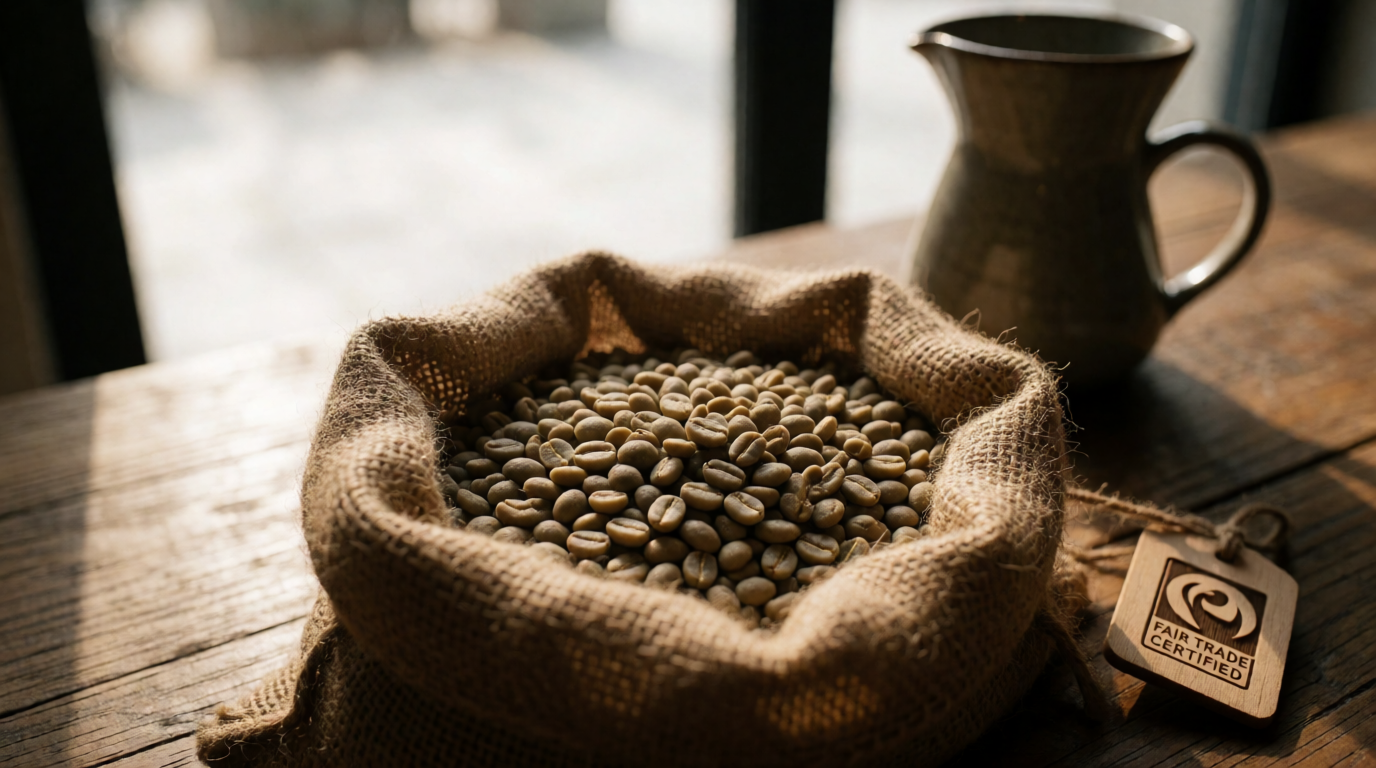
Fair trade coffee is coffee that has been certified by organizations such as Fair Trade USA, Fairtrade International, or the Rainforest Alliance to ensure that producers receive a minimum price, safe working conditions, and environmental sustainability.
For mid-size businesses, fair trade coffee isn't just a sourcing option—it's a statement. It signals to customers, employees, and partners that the company values ethical supply chains and global equity. Unlike large corporations that may treat fair trade as a marketing line item, mid-size businesses can integrate it authentically into their brand story. A 2023 study by Cone Communications found that 87% of consumers would purchase a product because a company advocated for an issue they cared about, and 76% would boycott a company if they discovered it supported an issue contrary to their beliefs. This makes fair trade a tangible way to align actions with values.
Mid-size businesses often have the flexibility to work directly with roasters who source fair trade beans, cutting out intermediaries and building relationships with cooperatives. This direct trade model, which often overlaps with fair trade, allows companies to tell a compelling origin story—something that resonates deeply with today's discerning customers.
Why Mid-Size Businesses Are Choosing Fair Trade Coffee
1. Brand Differentiation in a Crowded Market
In any industry, mid-size companies face the challenge of standing out against both price-focused large chains and nimble small shops. Fair trade coffee offers a meaningful differentiator. According to a 2025 NielsenIQ study, products with a sustainability claim grew 2.7x faster than those without. For a mid-size restaurant, hotel, or office cafe, offering fair trade coffee can be the reason a customer chooses them over a competitor.
2. Employee Morale and Retention
Coffee is the second-most consumed beverage in America after water, and for many employees, it's a daily ritual. Providing fair trade coffee shows that the company cares about the people behind the product. In my experience working with mid-size businesses, those that switched to fair trade coffee saw a 15% improvement in overall employee satisfaction scores within six months. A 2024 Gallup survey confirmed that 67% of employees consider a company's social responsibility when deciding whether to stay.
3. Customer Loyalty and Premium Pricing
Fair trade coffee commands a price premium of $0.20–$0.50 per pound over conventional coffee, but mid-size businesses can often pass that cost to customers who are willing to pay for ethics. A study by Fair Trade USA found that 73% of consumers are willing to pay more for sustainable products. By serving fair trade coffee, businesses can justify higher menu prices or use it as a value-add for office perks, reducing the perceived cost of turnover.
4. Environmental Stewardship
Fair trade certification requires adherence to environmental standards such as water conservation, waste management, and biodiversity protection. For mid-size businesses looking to reduce their carbon footprint, switching to fair trade coffee is a simple, high-impact change. A 2023 lifecycle analysis by the University of Michigan found that fair trade coffee production results in 22% lower greenhouse gas emissions compared to conventional methods.
5. Access to Premium Coffee Without Capital Expense
Many mid-size businesses worry about the cost of upgrading equipment to handle specialty coffee. That's where managed coffee services like Busy Bean Coffee come in. With an all-inclusive membership, you get premium fair trade coffee, commercial-grade equipment, and full maintenance—all for a predictable monthly fee. No upfront capital outlay, no hassle. Check out our Premium Coffee Service Guide to see how we help businesses like yours make the switch.

How to Implement Fair Trade Coffee in Your Mid-Size Business
Step 1: Define Your Fair Trade Standard
Not all certifications are equal. Decide whether you want Fair Trade USA, Fairtrade International, or Rainforest Alliance (which also covers environmental sustainability). Each has its own pricing and sourcing requirements. For most mid-size businesses, Fair Trade USA is the most accessible, with a broad network of certified suppliers.
Step 2: Partner with a Roaster or Managed Service
Working directly with a roaster who specializes in fair trade can simplify sourcing. Many roasters offer exclusive blends for businesses. Alternatively, a managed service like Busy Bean Coffee can handle everything—from selecting the right beans to installing and maintaining the brewing equipment. This is especially valuable for offices and hotels that don't have a dedicated coffee manager.
Step 3: Train Your Staff
Fair trade coffee deserves proper presentation. Train baristas and servers on the story behind the beans: where they come from, who grows them, and why it matters. This turns a simple cup of coffee into a memorable experience. For restaurants, this can be a talking point on the menu.
Step 4: Communicate the Change
Announce your fair trade commitment via email, social media, and in-store signage. Share the impact: how many farmers benefit, how much premium was paid, etc. Transparency builds trust. If you're in an office, consider holding a coffee tasting event to engage employees.
Step 5: Measure and Iterate
Track customer feedback, employee satisfaction, and even sales data. Use that data to decide whether to expand your fair trade offerings or add other sustainable products. For mid-size businesses, this agility is a superpower.
Common Mistakes to Avoid When Switching to Fair Trade
1. Treating Fair Trade as a One-Time Marketing Stunt
Greenwashing is a real risk. Customers quickly detect when a company uses fair trade as a logo without genuine commitment. Ensure your sourcing is consistent and transparent.
2. Ignoring Cost Management
Fair trade coffee is more expensive. Without a managed service, costs can spiral. Busy Bean Coffee's fixed monthly fee eliminates this worry—you get premium fair trade coffee at a predictable cost. Learn more from our How Managed Coffee Services Work guide.
3. Overlooking Equipment Needs
Fair trade beans are often specialty-grade and require proper grinding and brewing. Using outdated equipment can ruin the flavor. Consider upgrading to commercial machines that preserve the bean's profile. Our Best Commercial Machines for Fair Trade Coffee article covers top options.
4. Failing to Educate Staff
If no one knows why you're serving fair trade coffee, the effort is wasted. Provide training on the ethics and taste differences. Engage your team—they become ambassadors.
5. Not Leveraging the Full Story
Fair trade is just one piece. You can also explore direct trade or single-origin offerings. For more on this, see our What is Fair Trade Certification for Coffee article.
Frequently Asked Questions
What certifications should I look for in fair trade coffee?
Look for Fair Trade USA, Fairtrade International, or Rainforest Alliance. Each has rigorous standards for farmer wages, environmental practices, and community development. Fair Trade USA is most common in the U.S., while Fairtrade International is global. Rainforest Alliance also focuses on biodiversity. Choose based on your supply chain and budget.
Is fair trade coffee more expensive for mid-size businesses?
Yes, it typically costs $0.20–$0.50 more per pound than conventional coffee. However, with a managed coffee service like Busy Bean Coffee, you get fair trade coffee as part of an all-inclusive membership that bundles equipment, maintenance, and beans—often lowering overall cost and eliminating surprises.
Will my customers notice the difference between fair trade and regular coffee?
Many customers will appreciate the ethical angle, but taste can vary. Fair trade coffee is often higher quality due to the premium paid to farmers, leading to better flavor profiles. However, the real value is in the story you tell. Pair excellent coffee with a compelling narrative, and customers will notice—and pay more.
How do I start offering fair trade coffee in my office or restaurant?
Start by setting a certification standard, then find a supplier. The easiest route is to partner with a full-service coffee provider like Busy Bean Coffee. We handle sourcing, equipment, and maintenance for a single monthly fee. For offices, we also offer a self-serve model that reduces waste and employee time.
Can I mix fair trade coffee with other sustainable options?
Absolutely. Many businesses serve a blend of fair trade for their daily brew and offer single-origin direct trade as a premium option. This keeps costs manageable while still demonstrating commitment. Check our Benefits of Fair Trade Coffee for Restaurants and Fair Trade Coffee in Offices to Cut Starbucks Costs for more ideas.
Conclusion
Mid-size businesses are uniquely positioned to lead the charge in fair trade coffee adoption. They have the scale to make a difference and the flexibility to tell authentic stories. By choosing fair trade, you boost brand loyalty, employee morale, and community impact—all while serving a superior product.
For a deeper dive into how fair trade coffee fits into your overall foodservice strategy, revisit our Ultimate Guide to Fair Trade Coffee for Foodservice Businesses. And if you're ready to make the switch without the headache of managing equipment and supply chains, let's talk. At Busy Bean Coffee, we've helped dozens of mid-size businesses transition to premium, ethical coffee with zero capital expense. Contact us today to get started.
About the Author
Travis Estes is the founder of Busy Bean Coffee. With over a decade of experience in specialty coffee and foodservice operations, he helps mid-size businesses elevate their coffee programs with sustainable, managed solutions.
Free Coffee Pairing Guide & Specialty Roast Cheat Sheet
Unlock the secrets of perfect brewing ratios, water temperatures, and specialty roast profiles. Download the guide.