
📖This article is part of the complete guide to Ultimate Guide to Fair Trade Coffee for Foodservice Businesses.
Introduction
You want to serve fair trade coffee because it’s the right thing to do—for farmers, the environment, and your customers. But traditional coffee service contracts often lock you into rigid terms, minimum volumes, and price hikes that make ethical sourcing feel like a burden. That’s where flexible coffee contracts come in. They let you align your values with your bottom line without sacrificing quality or convenience.
For a comprehensive overview of ethical coffee sourcing, check out our Ultimate Guide to Fair Trade Coffee for Foodservice Businesses. It covers everything from certification standards to supplier selection, and this article dives into one critical piece: the contract that makes it all work.
💡
Key Takeaway
Flexible coffee contracts remove the friction from fair trade adoption, allowing you to adjust volume, duration, and services as your needs change.

What Is a Flexible Coffee Contract?
📚
Definition
A flexible coffee contract is an agreement between a foodservice business and a coffee supplier that allows adjustments to order quantities, service frequency, contract length, and sometimes even pricing—without penalties.
Unlike traditional annual contracts with fixed minimums, flexible contracts are designed to accommodate seasonal demand, menu changes, and budget fluctuations. They often include month-to-month terms, volume bands instead of hard minimums, and the ability to swap products within a category (e.g., switch from Ethiopian to Colombian beans as availability changes).
In my experience working with restaurants and cafes, this flexibility is the single biggest enabler for businesses that want to transition to fair trade. Early on, I saw clients fear that committing to fair trade meant higher costs and inflexible supply. But with the right contract, you gain control, not lose it.
Flexible contracts come in different flavors. Some focus on volume flexibility, where you commit to a range rather than a fixed amount. Others emphasize term flexibility, with no long-term commitment. Still others offer product flexibility, allowing you to rotate origins or blends without renegotiation. The best arrangements combine all three.
Why Flexible Contracts Matter for Your Business
1. Lower Financial Risk
Fixed contracts often require you to predict your coffee consumption months in advance. If you overestimate, you’re stuck with inventory that ages fast. According to the Specialty Coffee Association (SCA), over 30% of specialty coffee waste occurs at the retail level due to poor demand forecasting (SCA, 2023). Flexible contracts let you order what you actually need, reducing waste and improving margins. For a small cafe, that could mean saving hundreds of dollars per month.
2. Easier Budgeting
Fair trade beans typically cost 20–30% more than conventional (Fair Trade USA, 2024). With a flexible contract, you can start with a small commitment—say, one fair trade offering alongside your regular line—and scale up as your customers respond. This phased approach proves the business case before expanding. The National Coffee Association reports that 54% of coffee drinkers say they are more likely to visit a cafe that offers ethically sourced coffee (NCA, 2023).
3. Agility in a Changing Market
Consumer demand for fair trade is growing. The Nielsen Company reported a 6% annual growth in fair trade purchases through foodservice channels in 2023. But trends shift. A flexible contract means you can adjust your product mix without renegotiating or paying exit fees. For example, if demand for single-origin Ethiopian coffee spikes, you can quickly add it to your menu.
4. Supports Relationship Sourcing
Long-term, rigid contracts can actually hurt farmers by locking them into prices that don’t reflect market changes. Flexible contracts with fair trade premiums built in—and the ability to adjust volume—allow both you and your supplier to respond to harvest yields and market conditions. This fosters trust and long-term partnerships. As noted by the World Coffee Research, stable but flexible sourcing relationships lead to better quality beans (WCR, 2022).
5. Improved Cash Flow
With month-to-month terms, you avoid tying up capital in upfront payments or large inventory. This is especially valuable for seasonal businesses like beachside cafes or ski resort restaurants. By linking to our Coffee Delivery Service in Virginia Beach VA, you can see how we structure seasonal flexibility.
Types of Flexible Contracts
Not all flexibility is created equal. Here’s a comparison of common contract types:
| Feature | Traditional Fixed Contract | Standard Flexible Contract | Busy Bean Coffee Flexible Contract |
|---|---|---|---|
| Contract Term | 12+ months, auto-renewal | Month-to-month or 6 months | Month-to-month, no lock-in |
| Minimum Volume | Fixed minimum (e.g., 50 lbs/month) | Volume band (20-40 lbs) | No minimum or low minimum |
| Product Swap | Requires renegotiation | Allowed with notice (7-14 days) | Unlimited swaps, 3-day notice |
| Price Protection | Often none | Cap on increases (e.g., 5%/quarter) | Guaranteed pricing for 90 days |
| Service Pause | Not allowed | Limited pause (max 30 days) | Up to 90 days pause, no fee |
| Equipment Included | Rare | Optional lease | Full equipment included in managed service |
How to Implement a Flexible Fair Trade Coffee Contract
Step 1: Define Your Needs
Before talking to suppliers, know your baseline: How many cups do you serve daily? What is your peak season? Do you want single-origin or blends? Be clear about the minimum flexibility you require: month-to-month, weekly orders, or the ability to pause service during slow months.
Step 2: Vet Suppliers for Fair Trade Integrity
Not all fair trade labels are equal. Look for suppliers with direct relationships or certifications from Fair Trade International, Fair Trade USA, or Rainforest Alliance. Ask how they structure contracts—some offer flexibility only on volume, while others allow contract term changes. Check reviews from other foodservice businesses, or our Coffee Equipment Maintenance in Savannah GA page for examples of reliable service.
Step 3: Negotiate Key Terms
- Volume bands: Agree on a range (e.g., 20–40 lbs per month) rather than a fixed number.
- Price protection: Request a cap on price increases (e.g., no more than 5% per quarter).
- Swap options: Ensure you can switch origins or blends with 7 days’ notice.
- Termination clause: Aim for 30-day cancellation without penalty.
- Service level agreements (SLAs): Include delivery time, quality consistency, and support response.
Step 4: Start Small, Scale Smart
Order your first batch for a trial period—say, 90 days. Monitor customer feedback and sales. Use that data to decide whether to lock in a longer term (if you get better pricing) or stay month-to-month. Many of our clients at Busy Bean Coffee begin with a single fair trade offering and expand after 60 days.
💡
Key Takeaway
The best flexible contracts treat your coffee program as a partnership, not a commodity purchase.
Step 5: Train Your Team
Even the best contract is useless if your staff can't communicate the value. Train baristas to highlight the fair trade story and flavor notes. Use menu callouts. Customers are willing to pay more for ethical coffee when it's explained well.
Common Mistakes to Avoid
1. Ignoring Service Level Agreements (SLAs)
Flexible contracts sometimes trade off service guarantees. Make sure your contract includes SLAs for delivery time, equipment maintenance (if you lease machines), and quality consistency. A cheap contract with no SLA can cost you more in downtime. For instance, if your espresso machine breaks, a quick repair is critical—see our Commercial Coffee Repair in Charleston SC for service standards.
2. Focusing Only on Price
Fair trade coffee has a floor price—typically $1.60/lb for Arabica (Fair Trade International, 2024). But the cheapest flex contract may come with low-quality beans or poor roasting. Always request samples and cupping scores.
3. Not Reading the Fine Print on “Flexibility”
Some suppliers advertise flexibility but charge hidden fees for each change: order changes, early termination, or volume drops. Ask for a complete fee schedule upfront.
4. Failing to Train Staff
Switching to fair trade often means a new coffee’s flavor profile. Train your baristas or waitstaff to describe the difference and highlight the ethical story. A flexible contract is useless if your team can’t sell the coffee.
5. Overlooking Equipment Needs
Fair trade coffee often requires precise brewing. If your equipment is outdated, you may not get the best flavor. Flexible contracts that include equipment maintenance—like those from Busy Bean Coffee—can eliminate this risk.
6. Not Planning for Seasonality
If your business has slow months, ensure your contract allows order reductions or pauses. Otherwise, you’ll pay for coffee you don’t need.
Real-World Example: How Busy Bean Coffee Helped a Hotel Go Fair Trade
A boutique hotel in Charleston wanted to offer fair trade coffee in its lobby and restaurant but feared the commitment. They served around 200 cups daily with high seasonal variation. Busy Bean Coffee designed a flexible contract with:
- Month-to-month terms
- Volume band of 30-50 lbs per month
- Option to pause during off-season (January-February)
- Free equipment maintenance included
After six months, the hotel reported a 12% increase in guest satisfaction related to breakfast and a 15% reduction in coffee waste. They now offer three fair trade blends. This model works because flexibility matched their operational reality.
Frequently Asked Questions
1. Can I get a flexible contract if I don’t buy huge volumes?
Absolutely. Many specialty coffee roasters now offer flexible contracts tailored to small and medium foodservice businesses. Some have no minimum order. At Busy Bean Coffee, we work with cafes that use as little as 10 lbs per month, with month-to-month terms and free shipping on orders over a certain threshold. Our Coffee Delivery Service in Dallas TX is a great example of how we support small businesses.
2. How do flexible contracts affect the fair trade premium paid to farmers?
Fair trade premiums are set per pound regardless of contract type—flexible or fixed. The premium is $0.20/lb for Fair Trade USA certification. So flexibility doesn’t reduce the farmer’s earnings; it just gives you more control over when and how much you order. In fact, by enabling more businesses to participate, flexible contracts can increase total premium dollars.
3. Are there any downsides to month-to-month contracts?
The main downside is that pricing may be slightly higher than a 12-month lock-in because the supplier bears more risk. However, the difference is often pennies per cup—typically $0.50–$1.00 per pound. For many businesses, the operational agility outweighs the small cost increase. Additionally, you can often negotiate a discount if you commit to a longer term after a trial period.
4. What happens if I need to pause my service for a season?
Good flexible contracts allow pauses—say, for a hotel’s off-season or a restaurant’s renovation. Confirm upfront the maximum pause duration and any associated fees. We typically allow up to 90 days without charge. During pause, equipment maintenance may still be covered to protect your investment.
5. How do I compare offers from different suppliers?
Create a comparison table with columns for: minimum order, contract term, price per lb (fair trade), swap policy, SLA, termination notice, and hidden fees. Request a sample order from each shortlisted supplier to evaluate quality. Also, read online reviews or ask for references. Our Coffee Equipment Maintenance in Rock Hill SC page shows how we support clients beyond the contract.
6. Do flexible contracts include equipment?
Some do, some don’t. At Busy Bean Coffee, our managed coffee service includes state-of-the-art brewing equipment, installation, and maintenance—all for a single monthly fee. That means no capital expense. Flexible contracts that bundle equipment are ideal if you don’t want to invest in machines upfront.
7. Can I switch coffee origins frequently?
Yes, provided your contract includes product flexibility. Look for terms that allow you to change with minimal notice (e.g., 3-7 days). This is great for seasonal menus or limited-time offers. We often recommend rotating single-origin beans to keep the menu fresh.
8. How do I ensure quality consistency with flexible orders?
Work with suppliers who have rigorous quality control and offer cupping scores for each batch. Ask for a quality guarantee in the contract—e.g., if a batch is below standard, they replace it free. Busy Bean Coffee provides cupping score reports with every shipment.
Conclusion
Flexible coffee contracts make fair trade coffee accessible for businesses of all sizes. They lower the financial barrier, reduce waste, and let you respond to customer demand without risk. Whether you’re a small cafe or a large hotel, the right contract aligns your ethics with your operations.
For a complete roadmap on fair trade coffee, return to our Ultimate Guide to Fair Trade Coffee for Foodservice Businesses. Then, reach out to us at Busy Bean Coffee—we’ll help you design a contract that fits your needs perfectly. With our flexible, all-inclusive managed coffee membership, you get premium equipment, professional installation, full maintenance, and fair trade beans—all for one predictable monthly fee.

About the Author
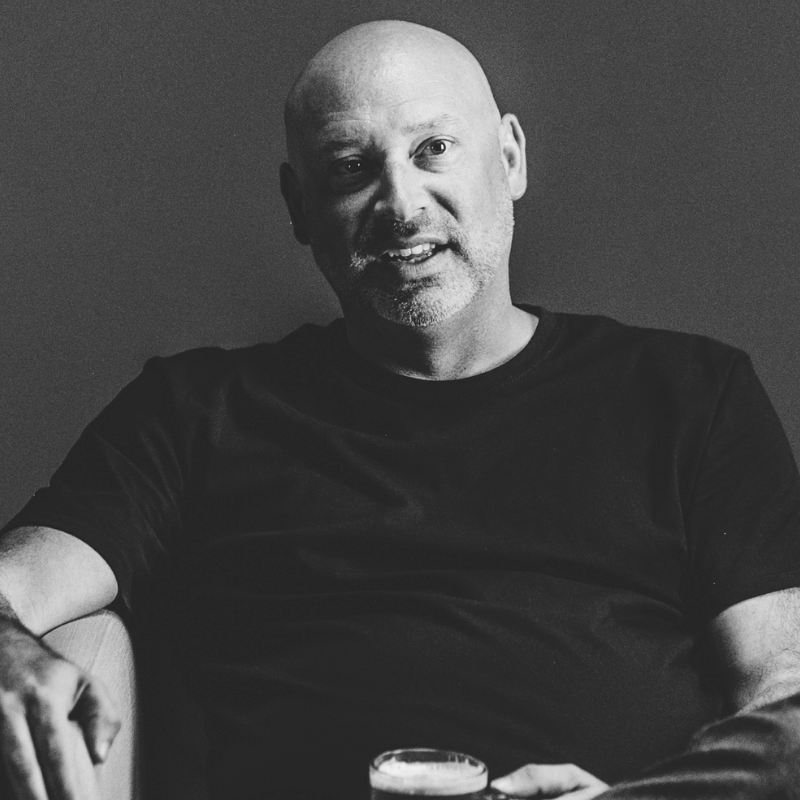
Travis Estes is the Founder at Busy Bean Coffee. With over a decade in the coffee industry, he’s helped hundreds of foodservice businesses source fair trade coffee through flexible, hassle-free contracts.
Free Coffee Pairing Guide & Specialty Roast Cheat Sheet
Unlock the secrets of perfect brewing ratios, water temperatures, and specialty roast profiles. Download the guide.