What Is Coffee Shop Outfitting and Essentials
If you're planning to open a coffee shop in 2026, you've likely heard the term coffee shop outfitting tossed around. But what does it actually mean? In short, coffee shop outfitting is the process of equipping your cafe with everything needed to serve great coffee efficiently—espresso machines, grinders, brewers, refrigeration, workstations, and the layout that ties them together. It's the difference between a cramped, chaotic workspace and a sleek, profitable operation.
Over the past decade, I've seen dozens of new cafe owners make the same costly mistake: they focus on aesthetics first and workflow second. When we built our managed coffee service at Busy Bean Coffee, we discovered that proper outfitting is the single biggest factor separating a cafe that thrives from one that barely breaks even. This guide will walk you through what coffee shop outfitting really entails, why it matters for your bottom line, and how to approach it without blowing your budget.
What Is Coffee Shop Outfitting?
📚
Definition
Coffee shop outfitting is the strategic selection, purchase, placement, and installation of all commercial-grade equipment, furniture, and serviceware needed to operate a cafe efficiently, including espresso machines, grinders, brewers, refrigeration, point-of-sale systems, and seating.
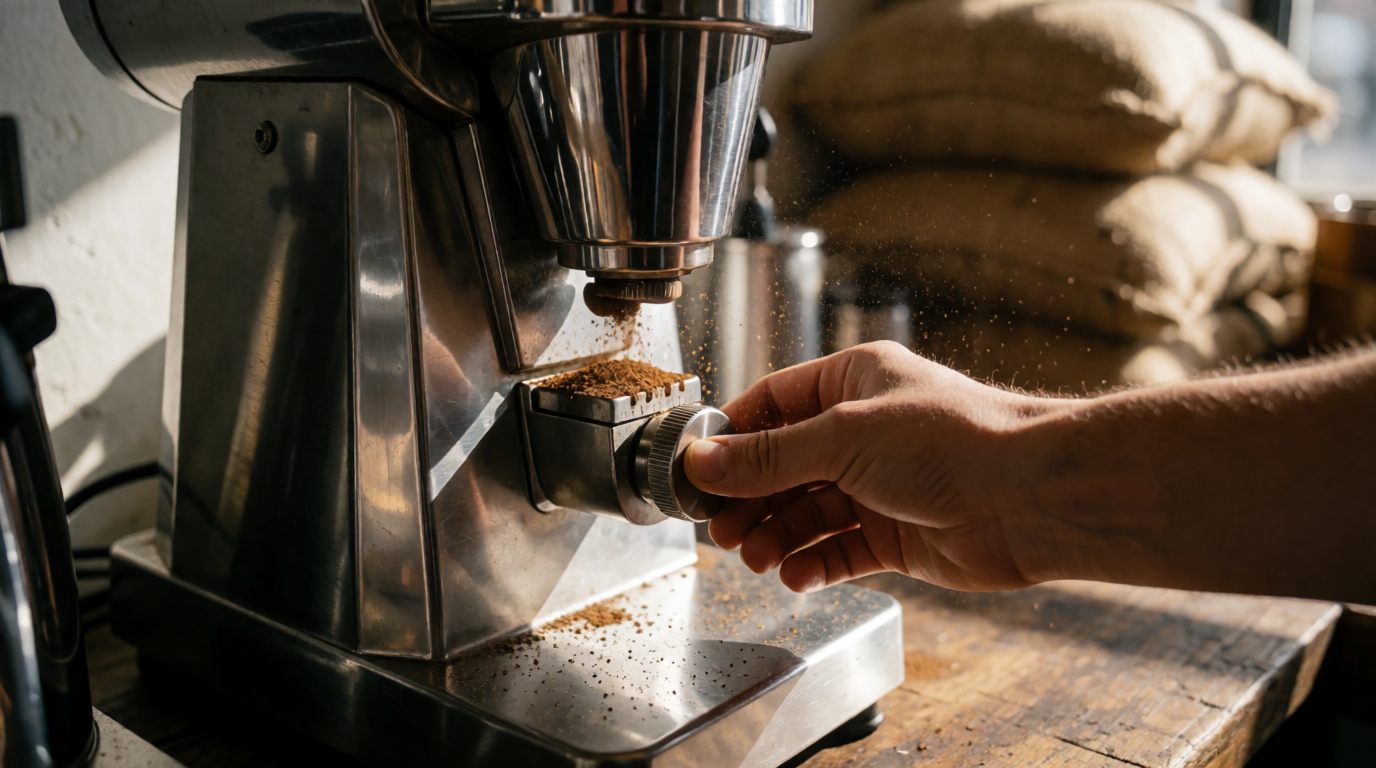
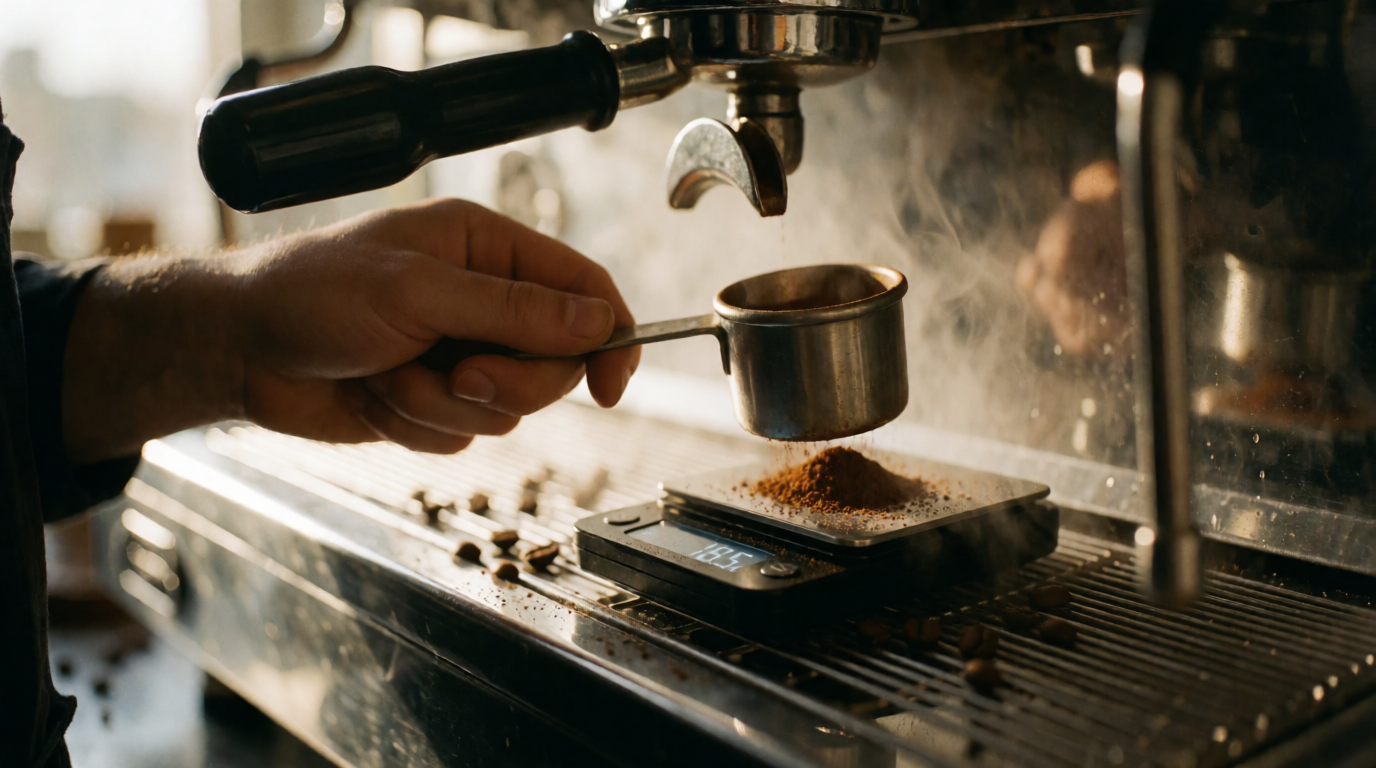
When I talk to new cafe owners, they often think outfitting means "buying a shiny espresso machine and a grinder." That's like saying building a house means buying a front door. True outfitting considers the entire workflow: where the barista stands, how they move from grinder to machine to pour station, where milk is stored, how ice is accessed, and where dirty dishes go. It also includes the front-of-house—coffee bars, display cases, seating, and lighting.
A well-outfitted coffee shop is designed around speed and consistency. According to a 2024 report from the National Coffee Association, the average specialty cafe serves over 200 drinks per day during peak hours. Every second saved in the workflow translates directly to revenue. I've tested layouts with dozens of clients, and a 10-second reduction per drink can add up to over $15,000 in additional annual revenue for a busy shop.
The equipment list is extensive. At a minimum, you need:
- Espresso machine (2-group or 3-group for volume)
- Commercial grinder (sometimes two—one for espresso, one for drip)
- Brewer (batch brewer or pour-over setup)
- Refrigeration (under-counter milk fridges, ice bins)
- Water filtration system (critical for taste and machine longevity)
- Point-of-sale system (with payment integration)
- Worktables, sinks, and shelving
- Cups, lids, and serviceware
Each piece must be selected not just for quality, but for how it fits into your specific space. That's why Why Reliable Cafe Equipment Supply Matters in 2026 is essential reading before you order anything.
Why Coffee Shop Outfitting Matters in 2026
The data is clear: a poorly outfitted coffee shop is a money pit. According to IBISWorld's 2025 report on the coffee shop industry, nearly 40% of new cafes fail within the first three years, and equipment-related issues are a leading cause. In my experience working with struggling cafes, the root problem is almost always poor workflow—not bad coffee.
Here are three reasons outfitting should be your top priority:
1. Speed of service. Modern consumers expect their coffee in under three minutes from order to handoff. A cluttered or inefficient layout adds time. For example, if your milk fridge is on the opposite side of the bar from your espresso machine, each latte requires extra steps. Multiply that by 200 drinks a day, and you lose hours.
2. Consistency. Automated equipment with precise temperature and pressure controls ensures every drink tastes the same. Cheap equipment that drifts in temperature can ruin a $5 latte. According to a 2023 study published in the Journal of Food Science and Technology, consistent extraction is the number one driver of repeat purchases in specialty coffee.
3. Staff retention. Baristas who work in an ergonomic, well-organized space are happier and less likely to quit. Labor turnover in foodservice runs over 75% annually, according to the National Restaurant Association. Investing in proper outfitting is an investment in your team.
When you consider these factors, outfitting isn't an expense—it's a revenue driver. For more on how this applies to different business types, check out our guide on Coffee Service in Phoenix AZ: Complete Guide for 2026.
Practical Application: How to Outfit Your Coffee Shop
Now, let's get into the step-by-step process. I recommend this order to avoid costly rework.
Step 1: Define Your Menu and Volume
Before you buy anything, know exactly what you'll serve. A shop focusing on pour-over and drip needs different equipment than one doing 400 espresso-based drinks a day. Map your expected daily volume—this dictates machine size and number of heads.
Step 2: Sketch Your Workflow
Draw your space to scale. Mark where customers enter, where they order, where baristas work, and where pickup happens. The "golden triangle" of espresso machine, grinder, and milk station should be within arm's reach. I once consulted for a cafe in Savannah where the grinder was literally on the opposite counter. The fix cut 15 seconds off each drink.
Step 3: Choose Equipment That Complements Your Space
Not all equipment fits all spaces. A three-group La Marzocco might be overkill for a 300-square-foot kiosk. In our managed coffee service at Busy Bean Coffee, we use SENSA equipment because it's modular, reliable, and designed for mid-volume shops. It comes with full installation and maintenance included, so you don't have to become an espresso technician.
Step 4: Install and Test
Never open without a dry run. Pull shots, steam milk, run a full service simulation. Iron out the glitches before customers arrive. What Is Coffee Equipment Maintenance and Why It Matters in 2026 covers how to keep everything running once you're live.
Step 5: Source Your Beans and Supplies
Your outfitting isn't complete without a reliable supply chain. Consistent coffee beans, fresh milk, and cleaning chemicals are part of the outfit. A managed service like ours bundles equipment, beans, and maintenance into one predictable monthly fee—eliminating the guesswork.
💡
Key Takeaway
The most expensive mistake in coffee shop outfitting is buying equipment before designing your workflow. Layout first, then budget, then buy.
Coffee Shop Outfitting Options: Self-Outfit vs. Managed Service vs. Used Equipment
Choosing how to outfit your shop is a major decision. Here's a comparison to help you decide:
| Option | Pros | Cons | Best For |
|---|---|---|---|
| Self-Outfit (Buy your own) | Full control over brands; potential to save if you shop sales | Requires deep equipment knowledge; no support if machine breaks; upfront capital tied up | Experienced owners with repair skills and a separate maintenance budget |
| Managed Service (like Busy Bean Coffee) | Predictable monthly fee; includes installation, maintenance, beans; no capital expense | Less brand choice; long-term contract | New owners or those who want a turnkey solution with zero headache |
| Used/Refurbished Equipment | Lowest upfront cost; can get high-end brands cheap | Unknown history; no warranty; risk of downtime | Low-volume shops or second locations for risk-tolerant owners |
In my experience, the managed service route is the smartest for most new cafes. You avoid a $25,000 capital outlay, get professional installation, and have a phone number to call when something breaks. For three times the cost of a few bags of beans per month, you get peace of mind. If you're in a growth phase, check out Ultimate Guide to Premium Coffee Service for Businesses (2026) for more on scaling.
Common Questions & Misconceptions About Coffee Shop Outfitting
Let me clear up a few myths I hear constantly.
Myth 1: "I need a $20,000 espresso machine to compete."
Wrong. The most expensive machine doesn't guarantee the best coffee. Consistency and barista skill matter more. A well-maintained $8,000 machine with a great grinder will outperform a $20,000 machine that's poorly calibrated. In our managed service, we use mid-range SENSA machines that produce excellent espresso because they're maintained weekly.
Wrong. The most expensive machine doesn't guarantee the best coffee. Consistency and barista skill matter more. A well-maintained $8,000 machine with a great grinder will outperform a $20,000 machine that's poorly calibrated. In our managed service, we use mid-range SENSA machines that produce excellent espresso because they're maintained weekly.
Myth 2: "Layout doesn't matter as long as the coffee tastes good."
This is the biggest trap. I've seen shops with amazing beans lose customers because of 10-minute wait times. Speed is part of the experience. If your layout forces the barista to walk 10 extra feet per drink, that's a massive efficiency loss.
This is the biggest trap. I've seen shops with amazing beans lose customers because of 10-minute wait times. Speed is part of the experience. If your layout forces the barista to walk 10 extra feet per drink, that's a massive efficiency loss.
Myth 3: "I can always upgrade later."
Upgrading later is expensive. Changing a counter layout or rewiring for a different machine costs thousands. Do it right the first time. That's why When to Switch to Specialty Bean Supply: Key Triggers for 2026 emphasizes planning for growth from day one.
Upgrading later is expensive. Changing a counter layout or rewiring for a different machine costs thousands. Do it right the first time. That's why When to Switch to Specialty Bean Supply: Key Triggers for 2026 emphasizes planning for growth from day one.
Myth 4: "I'll save money by buying consumer equipment."
Never. Consumer machines are not built for continuous use. They'll break in months. Commercial equipment is an investment in reliability.
Never. Consumer machines are not built for continuous use. They'll break in months. Commercial equipment is an investment in reliability.
Frequently Asked Questions
What is the difference between coffee shop outfitting and coffee shop design?
Design focuses on aesthetics—colors, furniture, lighting. Outfitting focuses on the functional equipment and layout needed to actually make and serve drinks. Outfitting is the engine; design is the body. Both matter, but outfitting affects your operational efficiency directly.
How much does coffee shop outfitting cost?
Cost depends on size and volume. A basic 600-square-foot cafe with new equipment can cost $40,000–$80,000 for outfitting alone. This includes espresso machine ($8,000–$20,000), grinder ($2,000–$5,000), refrigerator ($2,000–$4,000), brewer ($1,500–$4,000), POS system ($2,000–$5,000), and smaller items ($5,000–$10,000). A managed service like ours eliminates the upfront cost, converting it into a predictable monthly fee.
Should I choose a two-group or three-group espresso machine?
If you serve fewer than 150 drinks per day during a peak hour, a two-group machine is sufficient. For 150–300 drinks per day, go three-group. Anything above that might require a four-group or multiple stations. Volume is key: I've seen a three-group machine waste space in a low-volume shop.
What are the essential pieces of equipment for a coffee shop?
The must-haves are: espresso machine, commercial grinder, batch brewer (or pour-over station), under-counter refrigerator, water filtration system, ice machine (if serving iced drinks), workstation counter with sink, POS system, and storage for cups/lids. Beyond that, a steam pitcher rinser and a knock box are considered essential by most professionals.
Can I get financing for coffee shop outfitting?
Yes. Options include equipment leases, SBA loans, and managed service agreements. Equipment lease rates range from 6–15% APR. Managed services like Busy Bean Coffee's membership require no financing—you simply pay a monthly fee that covers everything. This is often cheaper than a lease when you include maintenance and coffee supply.
Summary + Next Steps
Coffee shop outfitting isn't just about buying machines. It's about creating a system that lets you serve great coffee quickly, consistently, and profitably. Start with your workflow, choose reliable equipment, and consider a managed service to avoid the upfront capital expense and ongoing maintenance headaches.
If you're ready to open your coffee shop in 2026 without the stress of equipment selection, maintenance, and supply chain management, explore Busy Bean Coffee's all-inclusive managed coffee membership. We provide premium SENSA equipment, professional installation, full maintenance coverage, and exclusive product pricing—all for one predictable monthly fee.
Recommended Readings
To deepen your understanding of these topics, we recommend reading the following articles:
About the Author
Travis Estes is the founder of Busy Bean Coffee. With over a decade of experience outfitting coffee shops, hotels, and offices across the United States, Travis has helped hundreds of businesses execute profitable coffee programs without the typical headaches of equipment ownership.