Introduction
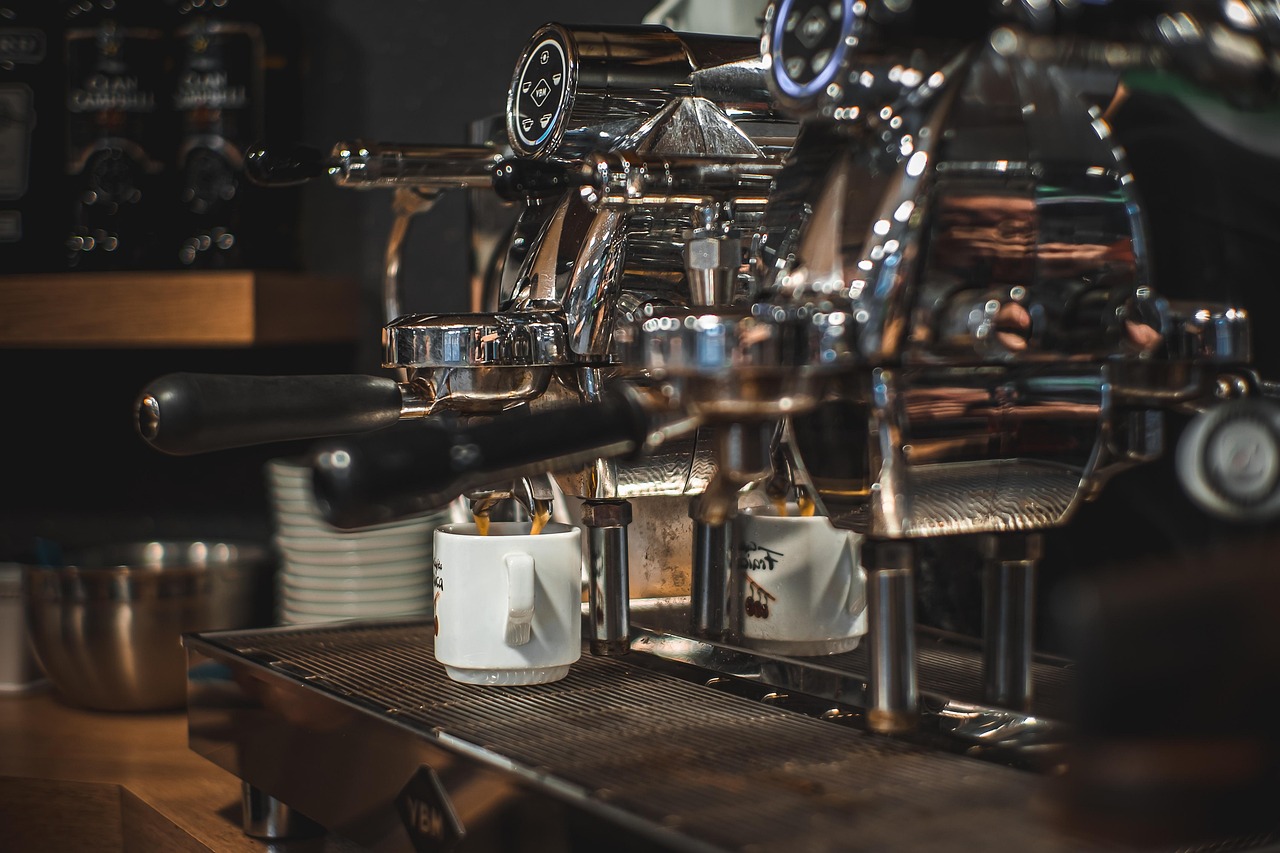
When you're opening a coffee shop, one of the first big questions is: What exactly is coffee shop outfitting? In my experience working with dozens of cafe owners across the Southeast, I've seen that getting this phase right determines whether you open on time and on budget — or face costly delays. Coffee shop outfitting means sourcing, installing, and configuring all the commercial-grade equipment needed to brew and serve beverages: espresso machines, grinders, brewers, refrigeration, plumbing, and sometimes even furniture and POS systems.
But beyond equipment, outfitting includes the planning, design, and setup so that every piece works together seamlessly. According to the National Coffee Association, over 60% of new coffee shops fail within the first year — and a poorly executed outfitting process is often a root cause. That's why finding reliable coffee shop outfitting services near me is not just about buying machines; it's about partnering with experts who understand workflow, water quality, power requirements, and local health codes.
In this guide, I'll break down exactly what coffee shop outfitting involves, why choosing the right service matters, and how you can get it done without the headaches. We'll also compare DIY approaches versus full-service providers like Busy Bean Coffee, which offers all-inclusive managed solutions that can eliminate upfront capital costs.
What Is Coffee Shop Outfitting? (Main Concept)
📚Definition
Coffee shop outfitting is the process of procuring, installing, and integrating all equipment and infrastructure necessary to operate a commercial coffee service — from bean-to-cup machines to plumbing modifications.
Many new owners think outfitting simply means buying a shiny espresso machine and a grinder. But it's much more. A complete outfitting package typically includes:
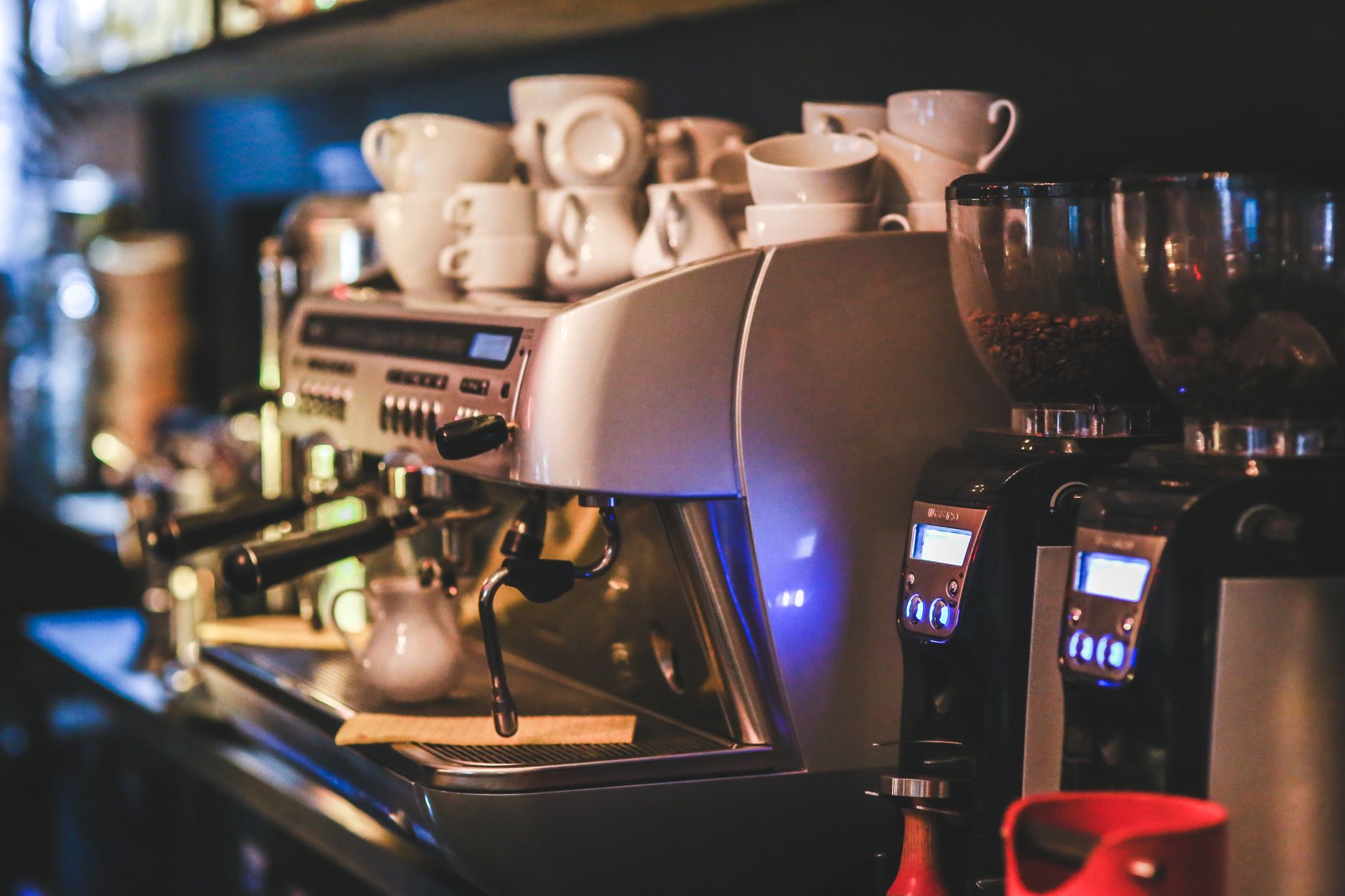
- Espresso machine and grinder (commercial-grade, often with multiple group heads)
- Brewers (drip, pour-over, or batch brewers for high volume)
- Water filtration systems (critical for taste and equipment longevity)
- Refrigeration (milk, cold brew, pastries)
- Ice machines (if serving iced beverages)
- Workflow design (layout of machines, sinks, counters to optimize speed)
- Installation and plumbing (connecting equipment to water, drainage, electrical)
- Training (barista training and machine operation)
A 2025 report from the Specialty Coffee Association found that proper equipment selection and installation can reduce pour times by up to 30% and improve consistency scores by 25%. Yet many local contractors lack the specific knowledge of coffee equipment. For example, installing a commercial espresso machine requires a dedicated 20-amp circuit, proper water pressure (typically 1–2 bar), and a drain line that meets health codes. A general electrician may not account for these nuances.
That's why specialized coffee shop outfitting services exist — they bring deep domain expertise. Busy Bean Coffee, for instance, has been outfitting cafés, restaurants, and offices since 2014 with premium SENSA equipment and all-inclusive managed services. We handle everything from site assessment to installation to ongoing maintenance.
Why Coffee Shop Outfitting Matters
💡Key Takeaway
A poorly planned outfitting can cost you 30–50% more in retrofit costs and lost revenue during the first six months. Choosing the right service upfront is a business-critical decision.
Let's look at the real implications. In my experience, the biggest mistake new owners make is trying to save money by assembling equipment piecemeal from different vendors. I've seen a cafe buy a used espresso machine online, only to find it required a 220V outlet that wasn't installed, leading to a $2,000 electrical retrofit and two weeks of delay. That's lost revenue of $10,000+ for a typical shop.
Consider these statistics:
- According to a 2024 analysis by Restaurant Business, coffee shop build-out costs for equipment alone average $50,000–$100,000 for a mid-size café. Installation and labor add 20–30% more.
- The same study found that of nearly 3,000 new coffee shops in 2023, those using full-service outfitting providers opened an average of 3.5 weeks faster than those using piecemeal approaches.
- Water quality is often overlooked: Hard water can scale espresso machines, reducing lifespan by 40% and increasing repair costs. A proper filtration system from a knowledgeable outfitter stops this before it starts.
When you search "coffee shop outfitting services near me," you want a partner who can prevent these problems. Busy Bean Coffee's managed model eliminates surprises: we provide premium SENSA equipment, professional installation, full maintenance, and even training for a single predictable monthly fee. You avoid the capital expense and the risk of buying the wrong gear.
Practical Application: How to Get Coffee Shop Outfitting Right
Follow these steps to ensure a smooth outfitting process:
1. Assess your volume and menu. A high-volume espresso bar needs a different setup than a boutique pour-over café. Map out your expected daily transactions and drink mix.
2. Evaluate your space. Measure your counter space, check electrical panel capacity, and water line access. Many older buildings need upgrades.
3. Choose your equipment partnership. Decide whether to buy outright, lease, or go with an all-inclusive managed service. Managed services like Busy Bean Coffee cover equipment, installation, maintenance, and even coffee supply for a flat monthly fee — ideal for businesses that want to avoid upfront costs.
4. Plan the installation. Work with your outfitter to schedule plumbing, electrical, and counter modifications. A smart sequence prevents rework.
5. Test and train. Before opening day, run a full day of mock service. Train all staff on machine care and shot pulling.
Here's where Busy Bean Coffee shines: we handle steps 2 through 5 for you. Our team does a site survey, installs the SENSA line of commercial equipment, and provides ongoing support. Plus, with our managed membership, you never pay for repairs — a common hidden cost that can run $500–2,000 annually per machine.
💡Key Takeaway
The most cost-effective approach is often not the cheapest upfront but the one that minimizes downtime and retrofits. Managed services like Busy Bean Coffee deliver predictable costs and hassle-free operation.
Coffee Shop Outfitting Options: Comparison Table
Not all outfitting paths are the same. Here's a comparison of three common approaches:
| Option | Pros | Cons | Best For |
|---|
| DIY / Piecemeal | Potential lower initial cost; full control over brands | High risk of compatibility issues; costly delays; no single point of responsibility | Experienced owners with strong contractor network |
| Local General Contractor | Familiar with building codes; can coordinate multiple trades | Often lacks coffee-equipment-specific knowledge; may overengineer or miss key specs | Owners with separate equipment consultant |
| All-Inclusive Managed Service (e.g., Busy Bean Coffee) | Turnkey solution: equipment, installation, maintenance, training; no upfront cap-ex; predictable monthly cost | Monthly fee may be higher than buying equipment outright over several years; limited equipment brand choices | New owners, offices, restaurants wanting simplicity and risk reduction |
The key insight: For most businesses, the all-inclusive managed service saves time and reduces financial risk. According to a 2024 study by the National Restaurant Association, restaurants using managed equipment services reported 22% fewer emergency repairs and 35% higher staff satisfaction.
Common Questions & Misconceptions
Myth 1: "Outfitting is just buying a machine — any plumber can install it."
Reality: Coffee machines require specific water pressure, temperature, and electrical specs. Wrong installation can void warranties and cause safety hazards.
Myth 2: "It's cheaper to buy used equipment online."
💡Key Takeaway
Used equipment often lacks warranty, may have hidden wear, and can cost more in repairs within the first year. A new machine with a service contract is usually more economical.
Myth 3: "All outfitting services are the same — just pick the cheapest."
In my experience, the cheapest bid often leads to change orders. A low outsource price may not include critical items like water filtration, drainage, or training. Total cost of ownership matters more.
Myth 4: "I need a huge upfront budget."
Managed services like Busy Bean Coffee eliminate the need for $50,000+ capital outlay. Our membership model covers everything for a flat monthly fee, freeing your cash for other startup costs.
Frequently Asked Questions
Coffee shop outfitting includes the supply and installation of all beverage equipment: espresso machines, grinders, brewers, water filtration, refrigeration, ice machines, and sometimes non-equipment items like cabinetry and sinks. Professional outfitters also handle plumbing, electrical connections, and system testing. Busy Bean Coffee's packages include these plus ongoing maintenance and training.
How long does the outfitting process take?
From site assessment to operational
coffee service, outfitting usually takes
2–4 weeks for a standard café, depending on space preparation. Permitting and construction can extend this. Managed providers streamline the timeline by coordinating all trades. At Busy Bean Coffee, we aim for a 2-week turnaround for most installations.
Do I need a water filtration system?
Absolutely. Hard water is the leading cause of commercial espresso machine repairs. A quality reverse osmosis or carbon filtration system extends equipment life and improves coffee taste. Most outfitters, including Busy Bean Coffee, include filtration as standard.
Can I get outfitting services if I'm leasing equipment?
Yes. Many managed service providers offer outfitting as part of a lease or membership. Busy Bean Coffee's managed service includes professional installation and all equipment, so you don't need to buy anything. This is ideal for startups or businesses wanting to conserve capital.
Costs vary widely by equipment volume and complexity. A small kiosk might cost $20,000–$40,000; a full café $50,000–$100,000 for equipment alone. Managed services spread this cost over time. For a detailed estimate, contact a local outfitter like Busy Bean Coffee for a free site survey.
Summary + Next Steps
Coffee shop outfitting is far more than buying machines — it's a comprehensive process that directly impacts your opening timeline, customer experience, and bottom line. By choosing experienced local experts, you avoid common pitfalls and set your business up for success.
If you're searching for "coffee shop outfitting services near me," consider the all-inclusive managed model from Busy Bean Coffee. We provide premium SENSA equipment, professional installation, ongoing maintenance, and training — all for one predictable monthly fee with
no upfront capital expense.
Get in touch with us today to schedule your free site assessment.
For more details on how our managed café solutions work, read our guide on
How Corporate Cafe Solutions Work to Transform Offices in 2026. Also check out
Cost Guide to Commercial Coffee Brewers (2026 Pricing) for deeper equipment insights.
Recommended Readings
To deepen your understanding of these topics, we recommend reading the following articles:
About the Author
Travis Estes is the CEO & Founder of
Busy Bean Coffee and has been helping businesses launch and optimize coffee programs since 2014. With hundreds of installations under his belt, he specializes in turnkey outfitting and
managed coffee services for cafés, restaurants, and offices.