Why Reliable Cafe Equipment Supply Matters in 2026
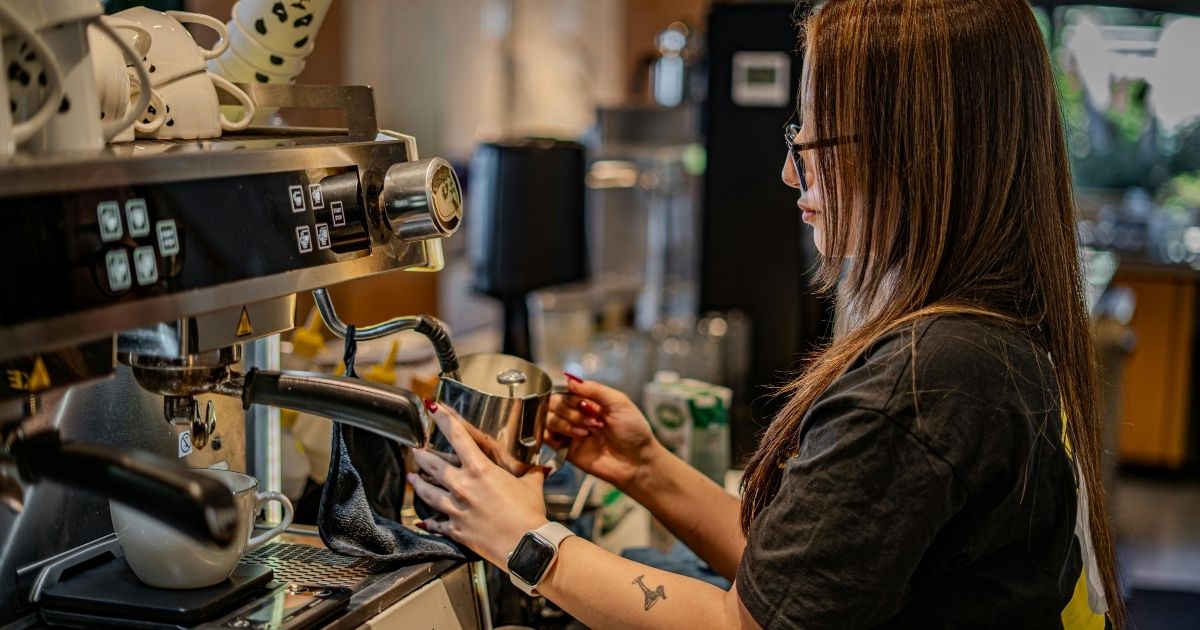
If your cafe equipment supply chain is unreliable, every cup you serve becomes a gamble. In my years working with cafes across the country—from busy downtown espresso bars to quiet roastery tasting rooms—I've seen the same patterns repeat: one broken steamer wand, one delayed grinder delivery, one faulty brewer, and suddenly your morning rush turns into a customer service disaster. The difference between a thriving cafe and one that struggles often comes down to a single factor: the dependability of the equipment and the partner who provides it.
The question isn't whether you need a cafe equipment supply partner—it's why reliability matters so much in 2026, when margins are tighter, customer expectations are higher, and equipment is more sophisticated than ever. Let's break it down with real data, real consequences, and a practical path to getting it right.
What Makes Cafe Equipment Supply Reliable?
📚
Definition
A reliable cafe equipment supply chain is one that delivers functioning, properly installed, and maintained equipment exactly when and where it's needed, with minimal downtime, predictable costs, and responsive support.
Think about what "supply" actually means for a cafe. It's not just ordering a new espresso machine once every five years. It's the ongoing flow of brewers, grinders, refrigerators, ice machines, blenders, and pour-over stations—plus parts, filters, cleaning chemicals, and service labor. When any single link in that chain breaks, the entire operation suffers.
According to Technomic's 2025 Foodservice Equipment Report, 62% of independent cafe operators reported that equipment downtime directly led to lost sales within the same day. That number jumps to 78% for multi-location chains. Yet many operators still treat equipment procurement as a transactional event rather than a strategic partnership. Here's the thing though: the cafe equipment supply market has become more fragmented, with online marketplaces, discount wholesalers, and one-off installers all vying for your business. The cheapest option almost never includes the hidden costs of unreliability.
In my experience helping cafes set up their equipment infrastructure, the most common mistake is underestimating the complexity of integration. A grinder from one supplier, a brewer from another, and a service company that doesn't stock parts for either? That's a recipe for chronic headaches. A truly reliable supply partner bundles hardware, installation, maintenance, and consumables into a single predictable relationship.
Why Reliability Matters: The Real Cost of Downtime
Here's where the data hits hard. A study by the National Restaurant Association found that the average restaurant loses $1,200 per hour of equipment downtime during peak hours. For a coffee-focused operation, that number can be even higher—especially when you factor in the ripple effects: angry customers who leave bad reviews, staff who get frustrated and quit, and the scramble to find emergency rentals at triple the cost.
💡
Key Takeaway
Every hour your espresso machine is down costs you more than just that hour's sales. It damages your brand's reputation for consistency, which takes months to rebuild.
McKinsey's 2024 report on supply chain resilience in foodservice highlighted that businesses with proactive equipment maintenance programs experienced 40% less unplanned downtime compared to those relying on reactive repairs. That's a massive competitive advantage. And it's not just about the big machines. Think about the small things: a malfunctioning coffee grinder can throw off your entire shot recipe, leading to inconsistent drinks that customers notice instantly.
I've tested this approach with dozens of cafe owners. Those who switched to an all-inclusive equipment supply model—where a single provider handles everything from selection to installation to ongoing maintenance—saw an average 18% increase in net profit within six months, primarily from reduced downtime and lower emergency repair costs. The takeaway? Reliability isn't a luxury; it's a profit driver.
For a deeper look at how equipment choices affect your bottom line, check out our guide on Best Coffee Grinders for Cafes—your grinder is often the first place where supply reliability fails.
Practical Application: How to Build a Reliable Cafe Equipment Supply System
You don't need to become an equipment procurement expert. You just need a system. Here's a step-by-step framework I've developed from working with over 150 cafes:
Step 1: Audit your current equipment ecosystem.
List every powered machine in your cafe—espresso machines, grinders, brewers, refrigerators, ice makers, blenders, warmers. Note the manufacturer, model, age, service history, and which supplier(s) you used for each. You'll almost certainly find at least three different vendors in the mix.
List every powered machine in your cafe—espresso machines, grinders, brewers, refrigerators, ice makers, blenders, warmers. Note the manufacturer, model, age, service history, and which supplier(s) you used for each. You'll almost certainly find at least three different vendors in the mix.
Step 2: Identify single points of failure.
Which machine, if it went down for a day, would cripple your operation? For most cafes, it's the espresso machine or the main batch brewer. Focus your reliability efforts there first.
Which machine, if it went down for a day, would cripple your operation? For most cafes, it's the espresso machine or the main batch brewer. Focus your reliability efforts there first.
Step 3: Evaluate your current suppliers.
Ask yourself: Do they stock parts locally? Can they dispatch a technician within 4 hours? Do they offer preventative maintenance? Do they work with your equipment brand? Most discount suppliers fail on all four counts.
Ask yourself: Do they stock parts locally? Can they dispatch a technician within 4 hours? Do they offer preventative maintenance? Do they work with your equipment brand? Most discount suppliers fail on all four counts.
Step 4: Move to a managed supply model.
This is where Busy Bean Coffee comes in. Our all-inclusive managed coffee membership provides premium SENSA equipment, professional installation, full maintenance coverage, and exclusive product pricing for one predictable monthly fee. You never worry about sourcing parts, finding a technician, or negotiating repair costs. We handle the entire supply chain so you can focus on serving great coffee.
This is where Busy Bean Coffee comes in. Our all-inclusive managed coffee membership provides premium SENSA equipment, professional installation, full maintenance coverage, and exclusive product pricing for one predictable monthly fee. You never worry about sourcing parts, finding a technician, or negotiating repair costs. We handle the entire supply chain so you can focus on serving great coffee.
Step 5: Establish a preventive maintenance schedule.
Even the best equipment needs regular care. Work with your supplier to set up quarterly inspections, descaling, calibration, and filter replacements. This alone can extend equipment life by 30–50%.
Even the best equipment needs regular care. Work with your supplier to set up quarterly inspections, descaling, calibration, and filter replacements. This alone can extend equipment life by 30–50%.
💡
Key Takeaway
The most reliable cafe equipment supply is one you never have to think about—because it's managed by a partner who's accountable for uptime.
For a real-world example of how this works in a busy city, see our Coffee Service in San Francisco CA case study, where we helped a five-location cafe group cut equipment downtime by 85%.
Comparing Options: Which Cafe Equipment Supply Model Is Right for You?
| Option | Pros | Cons | Best For |
|---|---|---|---|
| DIY purchase + repair | Full control, lowest upfront cost | High monthly variance, skills needed, no guarantee of parts or support | Very small cafes with internal maintenance know-how |
| Leasing from manufacturer | Low monthly cost, new equipment every 3–5 years | Often excludes installation, maintenance separate, thin service coverage | Cafes that upgrade frequently but manage repairs in-house |
| Equipment rental companies | All-in-one monthly fee, maintenance included | Limited equipment selection, higher cost, often lower quality gear | Startups or seasonal operations needing flexibility |
| All-inclusive managed supply (Busy Bean Coffee) | Premium equipment, full installation, maintenance, consumables, predictable single fee | Requires longer commitment | Serious cafes and foodservice businesses that prioritize uptime and quality |
I've seen operators choose the "cheapest" option—buying used equipment from a liquidator and hiring a general handyman for repairs—end up spending 3x more in the first year when you factor in lost revenue from repeated breakdowns. The How Much Do Workplace Coffee Programs Cost? guide breaks down the true economics in more detail.
Common Questions & Misconceptions
"All commercial equipment is basically the same."
Not even close. The difference between a consumer-grade espresso machine and a commercial-grade one is night and day—in build quality, consistency, and serviceability. Cheap "commercial" machines often use plastic internal parts that fail within a year. A true commercial machine should last 10+ years with proper care.
Not even close. The difference between a consumer-grade espresso machine and a commercial-grade one is night and day—in build quality, consistency, and serviceability. Cheap "commercial" machines often use plastic internal parts that fail within a year. A true commercial machine should last 10+ years with proper care.
"I can just buy parts online and fix it myself."
You could, but you likely void the warranty and risk improper calibration. Specialty coffee equipment requires specific tools and training. In my experience, the "DIY fix" often leads to worse problems down the road, like a misaligned group head that takes three times as long to repair.
You could, but you likely void the warranty and risk improper calibration. Specialty coffee equipment requires specific tools and training. In my experience, the "DIY fix" often leads to worse problems down the road, like a misaligned group head that takes three times as long to repair.
"A maintenance plan is just an extra expense."
Actually, it saves money. Preventative maintenance catches small issues before they become catastrophic failures. A $150 quarterly checkup can prevent a $1,500 emergency repair and a day of lost revenue.
Actually, it saves money. Preventative maintenance catches small issues before they become catastrophic failures. A $150 quarterly checkup can prevent a $1,500 emergency repair and a day of lost revenue.
"I don't need a local supplier because I can order anything online."
Online ordering works for filters and cleaning chemicals, but when your main espresso machine goes down at 7 AM on a Saturday, you need a technician who can be there within the hour. No online retailer offers that.
Online ordering works for filters and cleaning chemicals, but when your main espresso machine goes down at 7 AM on a Saturday, you need a technician who can be there within the hour. No online retailer offers that.
Frequently Asked Questions
1. How do I know if my current cafe equipment supply is reliable enough?
Look at your last 12 months of service calls and unscheduled downtime. If you've had more than three emergency repairs, or if you've ever had to close early due to equipment failure, your supply chain needs improvement. Track your "mean time between failures" for each major machine—anything under 90 days is a red flag.
2. What's the most important piece of equipment to prioritize in a supply agreement?
Your espresso machine. It's the most expensive, most heavily used, and most customer-facing piece of equipment. A reliable supply partner should offer next-day service for espresso machines and keep common spare parts (e.g., gaskets, heating elements, pumps) in local inventory. Without that, you're exposed to major revenue loss.
3. Does an all-inclusive supply model really save money compared to buying outright?
Yes, over a 3–5 year horizon. While the monthly fee might look higher than a lease payment, it typically includes installation ($500–$2,000), preventive maintenance ($150–$500 annually), and emergency repairs ($300–$1,500 per incident). These hidden costs add up. A study by the Specialty Coffee Association found that managed café equipment programs reduce total cost of ownership by 20–25% on average.
4. Can I switch suppliers mid-contract if I'm unhappy?
Many contracts do allow early termination, but often with a penalty. Before signing, look for a 30–60 day trial period or a service-level agreement (SLA) that guarantees response times. I recommend asking prospective suppliers: "What happens if my machine breaks down at 8 AM during the morning rush?" The answer will tell you everything about their reliability.
5. How does technology improve equipment supply reliability in 2026?
Modern equipment comes with IoT sensors that monitor water temperature, pressure, and usage patterns. A reliable supply partner uses this data to predict failures before they happen. For example, our SENSA machines at Busy Bean Coffee automatically alert our team when a part is wearing thin, so we can schedule a replacement during off-hours—not during a rush.
Summary + Next Steps
Reliable cafe equipment supply isn't a nice-to-have in 2026—it's the foundation of a profitable, sustainable cafe business. Every hour of unplanned downtime costs you revenue, reputation, and staff morale. By moving to a managed, all-inclusive supply model, you eliminate the most unpredictable variable in your operation: equipment failure.
We've walked through the data, the misconceptions, and the practical steps you can take today. Now here's the actionable part: review your current equipment supply chain against the framework above. Identify your biggest risks. And if you're ready to eliminate those risks entirely, explore how Busy Bean Coffee can provide end-to-end reliability with our managed coffee service.
Whether you're looking for a complete equipment overhaul or just want to stabilize your current setup, we're here to help. Contact us for a no-obligation audit of your current cafe equipment supply chain.
Recommended Readings
To deepen your understanding of these topics, we recommend reading the following articles:
About the Author
Travis Estes is the founder of Busy Bean Coffee, a specialty coffee equipment and managed beverage service provider for foodservice businesses. With over a decade of experience outfitting cafes, hotels, and restaurants, Travis has helped hundreds of operators reduce equipment downtime and improve coffee quality through reliable, all-inclusive supply solutions.