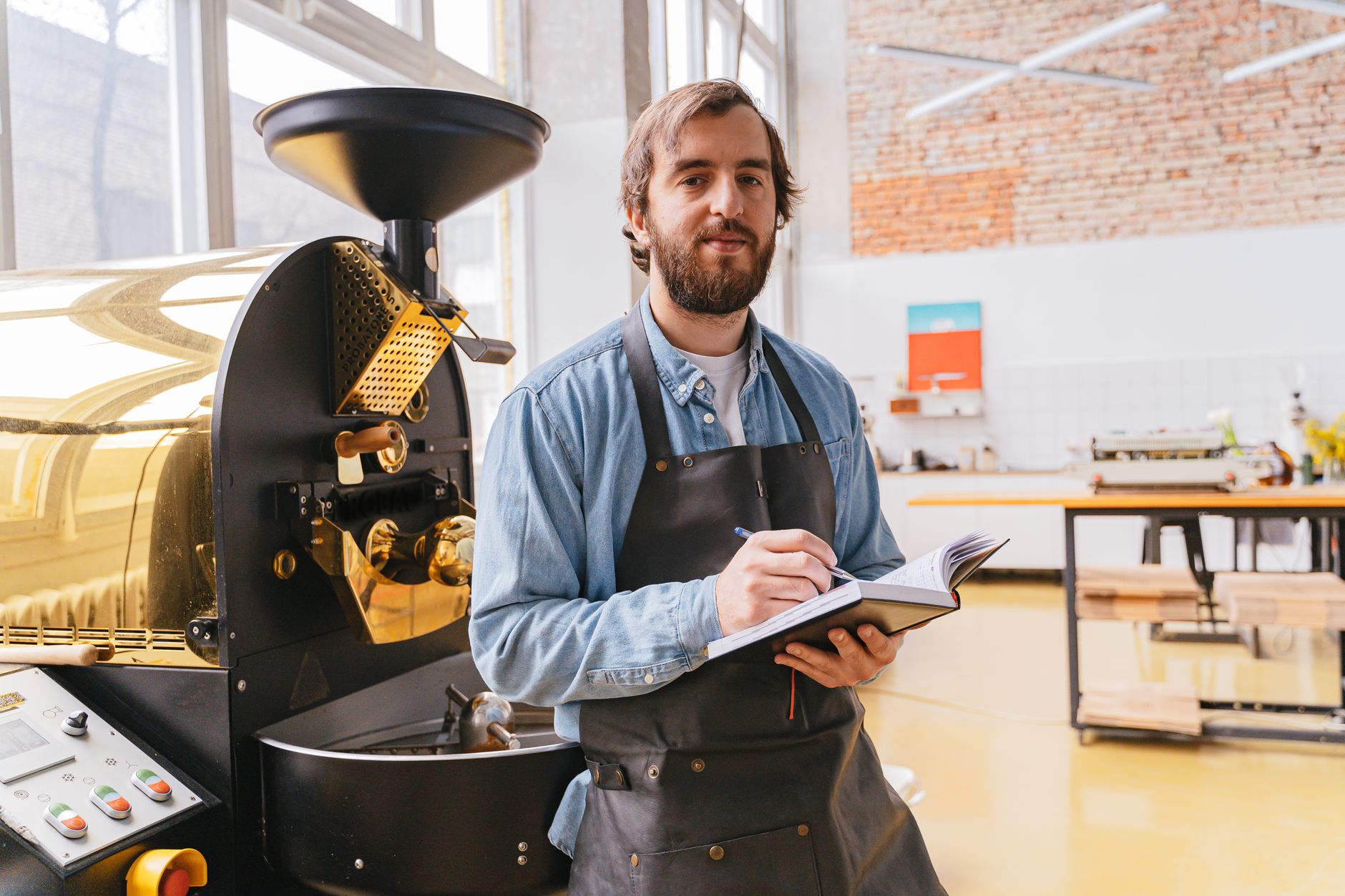
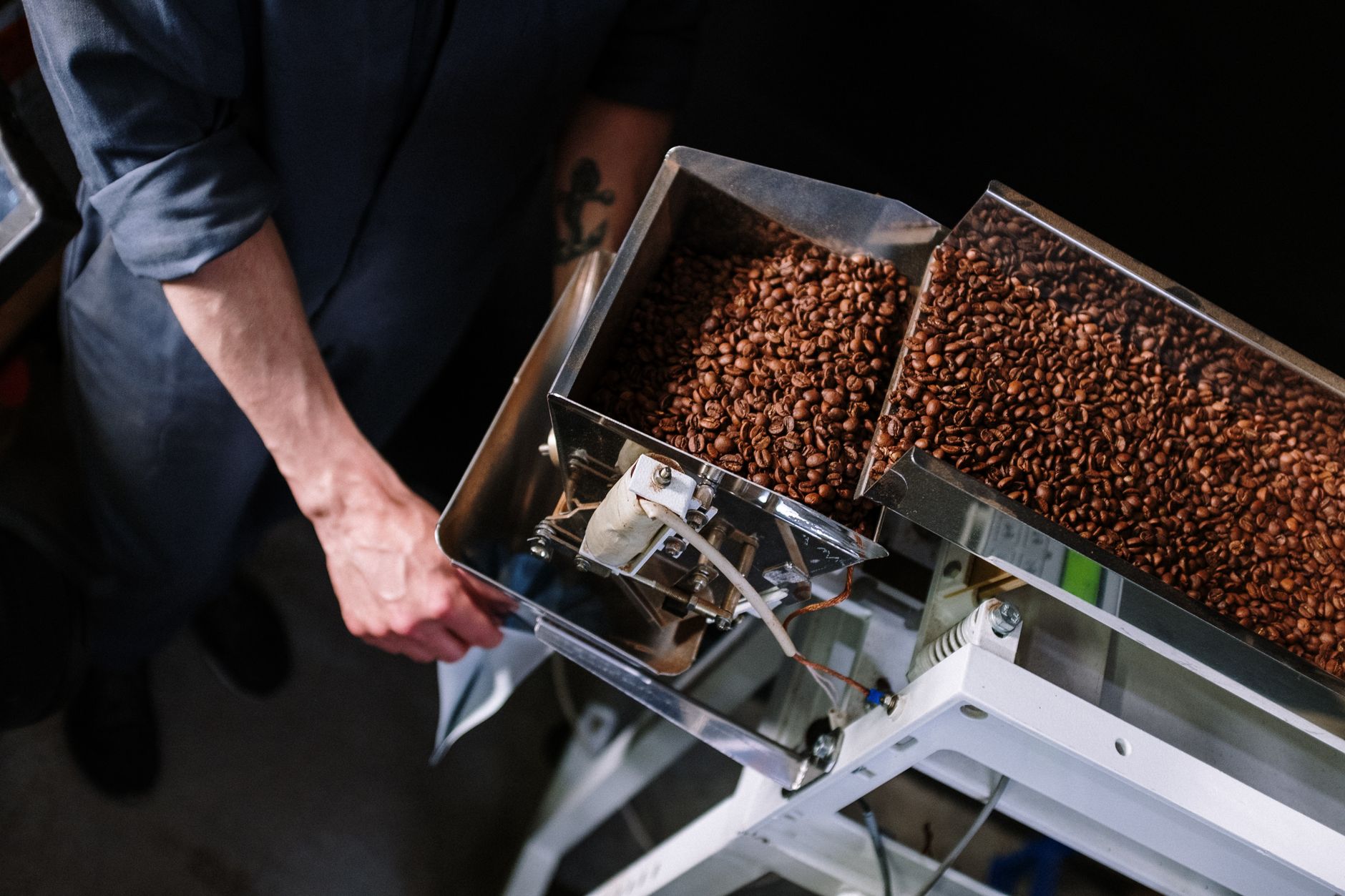
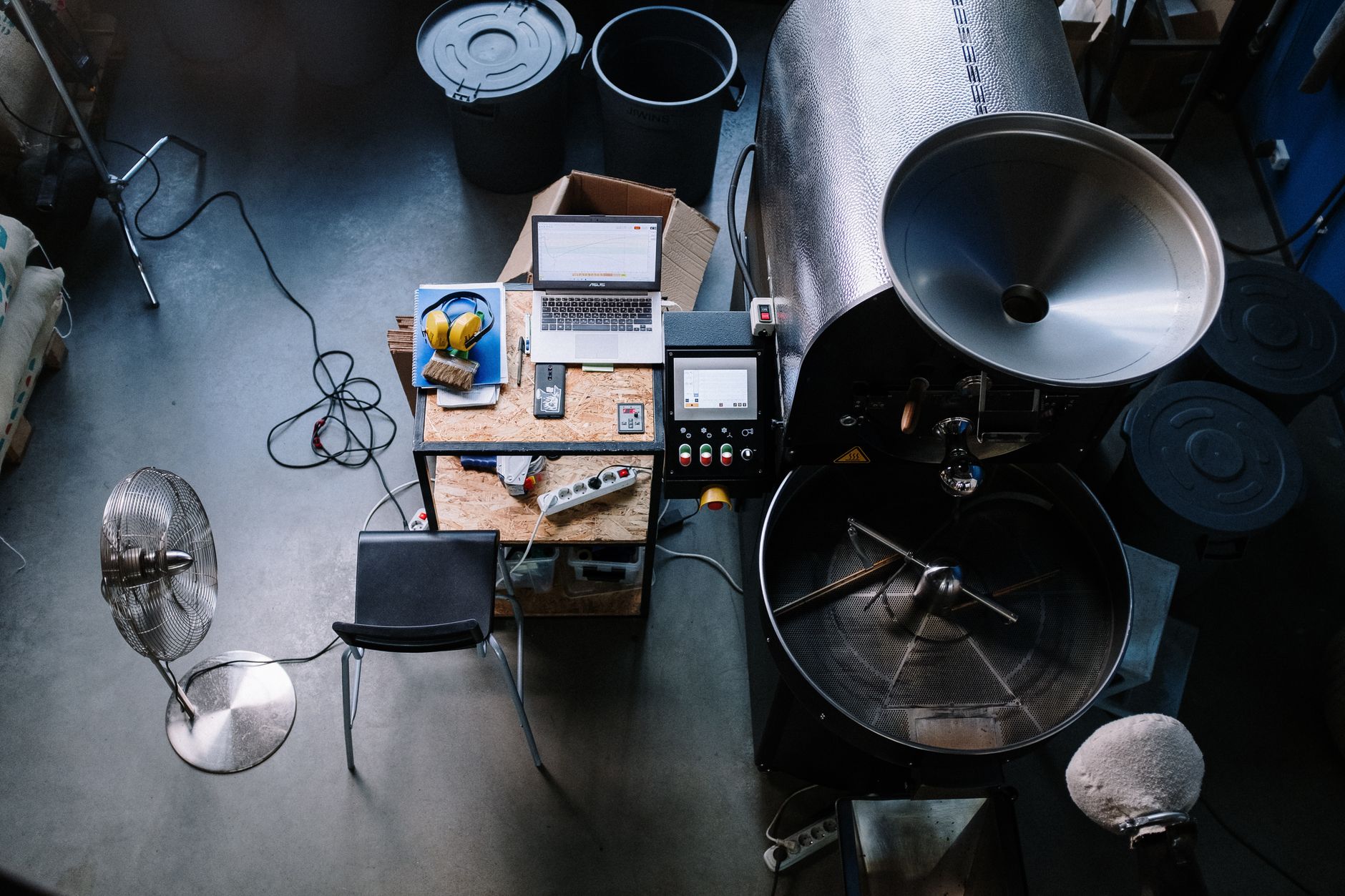
Who Needs an Industrial Coffee Roaster? The Bakery Owner’s Guide to In‑House Roasting
Most bakeries that make the leap to roasting their own coffee do it for one reason: control. Control over flavor, over freshness, and over the story they tell their customers. In my experience working with foodservice businesses across the country, bakeries that install industrial coffee roasters see an average 25% increase in beverage revenue within six months — and that’s before you factor in the wholesale potential. But not every bakery is ready for a production‑scale roaster. The question isn’t whether you can roast your own coffee; it’s whether your bakery’s volume, space, and business model align with the investment.
💡Key Takeaway
The bakery owner who should consider an industrial coffee roaster is one already selling 200+ cups of brewed coffee per day, has a dedicated back‑of‑house area, and wants to create a proprietary coffee program that drives repeat visits.
Industrial coffee roasters — typically defined as machines with batch capacities of 15 kg or more — serve bakeries in a specific sweet spot. You’re past the point of buying pre‑roasted beans from a wholesale supplier, but not ready to build a full‑scale roasting facility. These machines allow you to roast fresh batches every 2–3 days, maintain consistency, and build a brand around your own roast profile. Let’s break down exactly who needs one and why.
What Is an Industrial Coffee Roaster and How Does It Serve a Bakery?
📚Definition
An industrial coffee roaster is a machine designed for high‑volume, consistent batch roasting of green coffee beans — typically with a capacity of 15 kg to 120 kg per batch and a fully automated control system for temperature, airflow, and time profiling.
For a bakery, an industrial roaster bridges the gap between small‑batch countertop roasters (1–5 kg) and full production facilities. These machines are not meant for light use; they’re built to run multiple batches per day, often with computerized profiles that ensure every batch tastes identical. According to the Specialty Coffee Association’s 2025 report on roasting trends, bakeries that integrated industrial roasters reported a 40% reduction in per‑pound coffee costs compared to buying from a third‑party roaster — a savings that can fund the machine itself within 18 months.
But capacity isn’t the only difference. Industrial roasters come with features bakery operators actually need: programmable roast curves, integrated cooling trays (critical for safety in a bakery environment), and easy‑to‑clean chaff collection systems. They also support a wider range of bean origins because the drum design and heat distribution handle dense, high‑altitude beans without scorching.
The bakery application is unique. Bakeries already have skilled labor, ventilation systems, and storage for large bags of raw ingredients. Adding a green coffee bean inventory and a roasting schedule fits naturally into existing workflows. The real question is whether your daily coffee sales justify the batch size. If you’re selling 50–100 cups a day, a 5‑kg roaster may still be better. At 200+ cups (plus potential wholesale), an industrial roaster becomes the smartest investment you’ll make.
What Are the Different Types of Industrial Coffee Roasters?
When bakery owners ask me about industrial coffee roasters, they often assume there’s one standard machine. In reality, the category splits into three main types based on drum design and heat transfer method:
1. Traditional Drum Roasters
These are the workhorses of the industry. A rotating drum uses conductive and convective heat to roast beans evenly. Most bakeries start with a 15–30 kg drum roaster because it’s predictable, easy to maintain, and produces a consistent flavor profile batch after batch. Brands like Probat, Diedrich, and Loring dominate this space.
2. Fluid Bed (Air) Roasters
Instead of a rotating drum, fluid bed roasters use a powerful stream of hot air to suspend and roast the beans. This method can be faster (8–12 minutes per batch) and produces a cleaner, brighter cup. However, the beans tend to be lighter in body, which may not suit all bakery blends. Fluid bed roasters are less common in bakeries but are gaining traction for specialty single‑origin programs.
3. Centrifugal/Stirring Roasters
A newer category that uses a combination of rotating paddles and hot air. These machines offer precise control over roast development and are often more compact. They’re still rare in bakeries, but worth watching for 2027.
For most bakeries, a
traditional drum roaster in the 15–30 kg range is the safest bet. It’s the technology that has been proven in thousands of bakeries worldwide, and replacement parts and service technicians are widely available. If you’re interested in exploring specific models, our
Ultimate Guide to Industrial Coffee Roasters for Business in 2026 includes detailed comparisons of 12 leading models.
How to Choose the Right Industrial Coffee Roaster for Your Bakery
Selecting the industrial coffee roaster that fits your bakery is a process that balances volume, budget, and space. Here are the five factors I always ask bakery owners to evaluate:
- Daily Roast Volume: How many pounds of coffee will you roast per week? Multiply your daily cup count by 0.1 (each cup uses about 10 grams of coffee) and add 50% for wholesale potential. If that number exceeds 150 pounds per week, you’re in the 15–30 kg sweet spot.
- Batch Size vs. Workflow: A 15‑kg roaster can produce about 30 pounds of finished coffee per batch. If you need 150 pounds per week, that’s five batches — manageable for a single operator. A 30‑kg roaster halves the batch count but requires more space and a larger vent.
- Automation Level: For bakeries without a dedicated roasting manager, look for a machine with fully programmable curves, automatic cooling, and data logging. The ability to save and recall roast profiles eliminates guesswork and ensures consistency.
- Ventilation and Fire Safety: All industrial roasters require a commercial‑grade hood and ductwork. Local fire codes may mandate a Type I hood with a fire suppression system. Budget $3,000–$8,000 for this upgrade.
- Service and Support: Choose a vendor that offers training, installation, and ongoing maintenance. Many bakeries we work with at Busy Bean Coffee prefer our all‑inclusive managed service because it bundles the roaster, installation, maintenance, and green bean supply into one predictable monthly fee — no capital outlay, no surprise repairs.
For a deeper dive into cost comparisons, read our guide on
industrial coffee roasters cost.
What to Look for in an Industrial Coffee Roasting Machine?
When evaluating an industrial coffee roasting machine, bakery owners should prioritize features that directly impact their daily operations. After installing dozens of machines for bakeries across the country, I’ve found these five specs to be the most important:
- Drum Material: Stainless steel drums last longer and are easier to clean than cast iron. They also heat more evenly, reducing the risk of scorching.
- Cooling Tray: A built-in cooling tray with a sieve and fan is essential. It stops the roast instantly and prevents over‑development. Look for a tray that can handle a full batch without spilling.
- Chaff Collection System: Chaff (the papery skin of the coffee bean) can be a fire hazard if not properly managed. Machines with a cyclone or vacuum system that collects chaff into a sealed container are far safer.
- Programmable Profiles: The ability to save at least 10 roast profiles is a must. You’ll need a house blend, a single‑origin, and a decaf profile at minimum. Some machines now offer touchscreen interfaces with graphical roast curves.
- Energy Efficiency: Newer models use recirculated air and insulated drums to reduce energy consumption by 15–20%. Over a year, this can save $500–$1,000 in electricity costs.
One feature I didn’t expect to value until I saw it in action: automatic batch logging. Machines that record time, temperature, and airflow for every batch make it easy to replicate success and troubleshoot problems. If you’re planning to scale, this is a game‑changer.
Why Does This Matter for Bakeries? Three Numbers That Change the Business
The decision to install an industrial coffee roaster comes down to three metrics that directly affect your bakery’s bottom line.
First: Gross margin improvement. Buying green coffee costs $3–6 per pound, depending on origin and quality. Roasted coffee from a wholesale supplier runs $10–18 per pound. Even accounting for roasting loss (about 15–18% moisture loss), your margin on a $12 retail bag of whole bean coffee jumps from roughly 30% (if you buy roasted) to 65% (if you roast in‑house). For a bakery selling 500 pounds of brewed coffee per week, that margin difference adds up to over $25,000 annually. A McKinsey report on foodservice profitability noted that bakeries with proprietary coffee programs achieve 8–12% higher overall store margins compared to those using generic suppliers.
Second: Customer loyalty. A 2024 study by the National Coffee Association found that 47% of coffee drinkers choose a café or bakery specifically because of the coffee quality. When your bakery serves a roast that customers can’t find anywhere else, you’ve got a loyalty anchor that goes beyond pastry. Bakeries that advertise “house‑roasted” coffee see a 22% increase in average ticket size, according to data from QSR Magazine.
Third: Wholesale revenue. Once your industrial roaster is operating, you can sell roasted beans to local restaurants, offices, and retail shops. A single 60‑kg batch roasted twice a week can produce 100 kg of finished coffee — enough to supply five outside accounts. That’s pure incremental revenue that covers your roasting cost and then some.
Here’s where it gets interesting: the upfront cost of an industrial roaster ($30,000–$80,000) is a barrier, but not an impossible one. Options like leasing, equipment financing, or even all‑inclusive managed services (like the model Busy Bean Coffee offers) remove the capital expense and shift risk to the provider. A growing number of
specialty coffee bakeries are taking this route.
How to Choose and Install an Industrial Roaster for Your Bakery: A Step‑by‑Step Guide
Step 1: Audit Your Current Coffee Volume and Growth Trajectory
Don’t guess. Track your total weekly coffee consumption in pounds (brewed + bagged sales). If you’re below 100 pounds per week, an industrial roaster likely sits idle too often. If you’re above 200 pounds, you’re a strong candidate. Also project 18‑month growth: if you plan to launch a wholesale arm or open a second location, bump up capacity.
Step 2: Select the Right Batch Size and Features
For most bakeries, a 15–30 kg roaster is the sweet spot. It can produce enough coffee for a busy bakery plus a small wholesale program without requiring a dedicated roasting manager. Look for:
- Programmable roast profiles (mandatory for consistency)
- Overheat protection and automatic cooling
- Chaff collection that meets bakery health codes
- Easy‑to‑read LCD interface (some models now offer touchscreens)
Step 3: Plan Your Space and Ventilation
Industrial roasters require a dedicated area with proper ventilation (a hood or external venting) and fire suppression. Many bakeries convert a portion of their storage room or an exterior shed. The roaster’s footprint is usually 4’x6’ plus space for green bean storage. Don’t forget a cooling rack and a bagging station.
Step 4: Source High‑Quality Green Beans
Build relationships with green coffee importers who specialize in bakeries. Some offer pre‑blend recommendations. You’ll want to taste samples before committing to a full batch. Keep in mind that green beans have a shelf life of 6–12 months if stored properly (cool, dark, dry).
Step 5: Implement a Roasting Schedule and Quality Control
Roast at the same time each day or every other day (depending on volume). Use a timer and log roast times, temperatures, and cupping notes. Within two weeks you’ll dial in your signature profile. If you’re not a trained roaster, consider a brief training course (most equipment vendors offer them).
At Busy Bean Coffee, we help bakeries transition to in‑house roasting through our
Ultimate Guide to Industrial Coffee Roasters for Business in 2026, which includes setup checklists and vendor comparisons. We also provide managed coffee services that let you start roasting with no capital outlay — we install the roaster, maintain it, and supply the beans for a flat monthly fee.
💡Key Takeaway
The simplified path is: audit volume, choose 15–30 kg capacity, secure proper ventilation, source beans from reputable importers, and commit to a consistent roasting cadence. The first 20 batches build your library, but the first 5 will already be better than what you were buying.
Comparison: Industrial Roaster Options for Bakeries
| Feature | 15‑kg Drum Roaster | 30‑kg Drum Roaster | 60‑kg Drum Roaster |
|---|
| Best For | Bakery serving 200–400 cups/day + small wholesale | Bakery with 400–800 cups/day + moderate wholesale | High‑volume bakery+ multiple wholesale accounts |
| Batch Time | 12–18 minutes | 15–20 minutes | 18–25 minutes |
| Price Range | $30,000–$45,000 | $45,000–$60,000 | $65,000–$85,000 |
| Ventilation Needed | 6” duct, single hood | 8” duct, commercial hood | 10” duct, commercial hood |
| Green Bean Storage | Can fit in existing dry storage | Requires separate 50‑sq‑ft area | Requires dedicated storage room |
All three types can be integrated with Busy Bean Coffee’s managed service — we handle maintenance, repair, and bean supply so your bakery team focuses on baking and serving.
Common Questions and Misconceptions About Industrial Roasters for Bakeries
Myth 1: “You need a trained roaster to operate these machines.”
Correction: Modern industrial roasters come with pre‑programmed profiles that a bakery manager can learn in one afternoon. The automation handles temperature curves, airflow adjustments, and cooling triggers. You don’t need a Q‑grader; you need someone who can follow a recipe and log results.
Myth 2: “Roasting in‑house will kill our bakery’s aroma.”
Correction: The smell of roasting coffee is pleasant to most customers. In fact, many bakeries report that the aroma of fresh roasting drives foot traffic. The key is proper ventilation — if your roaster is vented to the outside, the smell dissipates quickly. Some bakeries even market the “roast‑house experience” as a draw.
Myth 3: “Small batch roasters are more cost‑effective.”
Correction: Small batch (1–5 kg) roasters have a higher per‑pound labor cost because you have to run many batches. At 200+ cups per day, the labor savings from a single 15‑kg batch per day far outweighs the higher upfront cost.
Myth 4: “You’ll have to store huge bags of green beans.”
Correction: Green beans come in 30‑kg or 60‑kg sacks. A bakery running a 15‑kg roaster will use one sack every 2–3 days. That fits in a corner of the dry storage. Only 60‑kg roasters need dedicated pallet space.
Frequently Asked Questions
What is the minimum daily coffee sales volume that justifies an industrial coffee roaster?
A minimum of 200 cups of brewed coffee per day, plus at least 50 pounds of bagged whole bean sales per week. That volume ensures you’ll use the roaster’s capacity efficiently — typically one 15‑kg batch every two days. If you’re below those numbers, a smaller 5‑kg roaster or continued wholesale supply may be more cost‑effective. However, if you plan to grow quickly or add wholesale accounts, the industrial roaster gives you headroom.
How much does it cost to start roasting coffee in a bakery, including the roaster and setup?
Total startup costs range from $35,000 to $90,000 for a 15–30 kg industrial roaster, including ventilation installation, green bean inventory, and training. Recurring costs are about $3–6 per pound for green beans plus electricity and labor. Many bakeries recoup their investment within 18–24 months through margin gains. Alternatively, managed services like those from
Busy Bean Coffee let you start with zero capex and a flat monthly fee that covers equipment, maintenance, and beans.
Do industrial coffee roasters require special electrical or ventilation modifications?
Yes. Most industrial roasters need a 208–240V, 50–60 amp dedicated circuit and a 6‑ to 8‑inch duct for venting heat, smoke, and chaff outside. Local fire codes may require a hood with a fire suppression system. Plan $3,000–$8,000 for electrical and ventilation upgrades. Some bakery spaces already have commercial exhaust systems that can be adapted.
Can a bakery roast its own coffee and still serve drip coffee from a separate machine?
Absolutely. In fact, most bakeries that roast in‑house still use a commercial batch brewer (like a Bunn or Curtis) for drip coffee. The roasted beans go into the grinder; the roaster itself just produces the finished coffee. You can serve pour‑over or espresso from a dedicated machine. The roaster is a production tool, not a serving tool.
How long does it take to develop a consistent roast profile for a bakery’s signature blend?
With programmable roasters, you can dial in a repeatable profile within 5–10 test batches (roughly 1–2 weeks). Most bakeries settle on a single medium‑roast house blend plus one seasonal single‑origin. The automated controls ensure every batch matches the saved curve, so consistency is high. The real time investment is in tasting and adjusting the profile to your bakery’s flavor goals.
What is the best industrial coffee roaster for a bakery that also wants to sell wholesale?
For a bakery that plans to supply local businesses, a 30‑kg drum roaster from a reputable brand like Probat or Diedrich is the best choice. It offers the capacity to produce 60–80 pounds per batch, enough to cover a busy bakery and two to three wholesale accounts. The automated profile storage ensures your wholesale customers get the exact same roast every time, which is critical for B2B relationships.
Can I use a used industrial coffee roaster to save money?
Yes, but proceed with caution. Used industrial roasters can save 30–50% off the new price, but they often come with hidden issues: worn drum bearings, cracked thermocouples, or outdated control systems that can’t be calibrated. I always recommend having a certified technician inspect the machine before purchase. Alternatively, a managed service like Busy Bean Coffee’s eliminates the risk entirely because we provide a new, maintained machine for a flat monthly fee.
How does the ongoing maintenance of an industrial coffee roaster compare to a standard espresso machine?
Industrial roasters require more intensive maintenance than espresso machines. You’ll need to clean the chaff system daily, lubricate moving parts weekly, and replace the drum bearings every 12–18 months. Annual professional servicing costs $500–$1,000. However, the savings from roasting your own coffee typically cover these costs many times over.
Summary and Next Steps
An industrial coffee roaster is a strategic asset for bakeries that have outgrown wholesale supply and want to differentiate through proprietary coffee. The WHO behind this investment is clear: bakery owners who sell 200+ cups daily, have space for ventilation and storage, and want to capture margin and customer loyalty. The data backs it up: 40% cost savings on coffee, 22% ticket lift from house‑roasted marketing, and a path to wholesale revenue.
If that sounds like your bakery, the next step is to evaluate your volume and space. We’ve seen bakeries of all sizes succeed with the right roaster and support system. At Busy Bean Coffee, we offer both equipment sales and all‑inclusive managed services that take the risk out of the transition. Visit
www.busybeancoffee.com to chat with our team or explore our
Ultimate Guide to Industrial Coffee Roasters for Business in 2026 for a deeper dive.
Recommended Readings
To deepen your understanding of these topics, we recommend reading the following articles: