Introduction
Here's a question I get asked constantly by new cafe owners: Why can't I just buy a nice espresso machine from a local retailer and set up the space myself? The answer gets to the heart of why professional coffee shop outfitting is non-negotiable for long-term survival. Choosing do-it-yourself outfitting might save you a few thousand dollars upfront. But that saving evaporates the moment your machine fails during a Saturday brunch rush, or when your workflow layout forces your baristas into a clumsy, inefficient dance.
The "why" behind professional outfitting is clear: reliability, operational efficiency, and predictable costs. In my experience working with hundreds of foodservice businesses, the difference between a cafe that scales profitably and one that struggles is rarely the coffee itself—it's the outfitting. Professional outfitting succeeds because it treats your coffee program as a holistic system, not a collection of appliances. It anticipates failure points, optimizes for speed, and aligns your equipment investment with your actual revenue goals. Without it, you're gambling on downtime, inconsistent quality, and a total cost of ownership that spirals far beyond any initial savings.
What Professional Coffee Shop Outfitting Actually Is
📚
Definition
Coffee shop outfitting is the strategic process of selecting, sourcing, commissioning, and maintaining commercial-grade coffee and beverage equipment within a foodservice environment. It encompasses workflow design, water filtration, power requirements, staff training, and ongoing technical support.
Professional coffee shop outfitting goes far beyond simply buying a machine and plugging it in. It starts with a deep understanding of your specific volume, your menu complexity, and your physical space constraints. A busy downtown cafe serving 300 drinks a day has vastly different equipment needs than a hotel breakfast service or a corporate break room. Professional outfitting accounts for these variables, matching your equipment's capacity precisely to your demand.
The process involves several critical layers that DIY approaches almost always neglect. First, there's workflow engineering—positioning your espresso machine, grinder, drip brewer, and refrigeration so baristas can move efficiently during peak hours. A poorly designed layout can cost you 20–30% in lost throughput during rush times. De acordo com relatórios recentes do setor de the National Restaurant Association's 2025 industry report, minimizing operational friction is one of the top three priorities for profitable restaurants. Second, there's water quality. Hard water or improper filtration is the leading cause of premature commercial equipment failure. Professional outfitting includes a water analysis and custom filtration setup that extends machine life by years. Third, there's infrastructure preparation—ensuring your electrical, plumbing, and ventilation can handle the load of commercial equipment.
The mistake I made early on—and that I see constantly—is underestimating the complexity of these interconnected systems. A cafe owner buys a beautiful commercial espresso machine, only to discover their outlet can't handle the power draw, or their drainage isn't up to code. Professional outfitting eliminates these costly surprises. It's a proactive approach that builds reliability into your business from day one, rather than patching problems as they arise.
At Busy Bean Coffee, we've refined this process over a decade. Our end-to-end approach covers everything from equipment selection through installation, training, and ongoing maintenance. We don't just deliver a machine; we deliver a guarantee that your coffee program will operate at peak performance. For a deeper look at the equipment that powers successful cafes, explore our guide on SENSA Coffee Machines.
Why Professional Outfitting Decides Your Bottom Line
The financial stakes are higher than most entrepreneurs realize. Your coffee shop outfitting decision has a direct, measurable impact on your profitability, your customer retention, and your staff turnover. This section breaks down exactly why professional outfitting succeeds where DIY approaches fail.
The True Cost of Downtime
Consider a single worst-case scenario: your espresso machine goes down on a Saturday morning. You lose an average of $500–$1,000 in revenue for that day alone. You send disappointed customers to the competition. Your staff stands around with nothing to do. Now multiply that by every future failure. McKinsey's research on operational excellence in hospitality found that unplanned downtime can reduce annual profits by up to 15% in foodservice operations. Professional outfitting includes proactive maintenance agreements that catch problems before they cause failures. Most DIY setups have no such safety net.
The Throughput Advantage
Your equipment's capacity directly determines how much revenue you can generate during peak hours. A consumer-grade machine might produce 30–40 drinks per hour. A properly selected commercial machine in an optimized workflow can produce 80–120 drinks per hour. Professional outfitting ensures you're not bottlenecked by your equipment. This throughput advantage translates directly into higher average transaction volume and faster table turns. In my experience, cafes that invest in professional outfitting see a measurable improvement in their peak-hour revenue within the first 90 days.
Staff Performance and Retention
Baristas are only as good as the tools they're given. A poorly fitted workspace with unreliable equipment causes constant frustration, slows service, and leads to higher turnover. The Specialty Coffee Association reports that barista turnover in independently operated cafes averages 30–40% per year. Professional outfitting creates an ergonomic, efficient workspace that helps your staff perform at their best. When baristas feel supported by their tools and environment, they stay longer and produce better quality drinks. This consistency builds your brand reputation.
For more on protecting your operational investment, read our breakdown of costs associated with commercial coffee brewers and why cheap equipment ultimately costs more. You'll also want to understand the ongoing expenses of coffee equipment maintenance—a critical factor most DIY outfitters overlook.
How to Execute a Professional Outfitting Strategy
💡
Key Takeaway
Professional outfitting is not a one-time purchase; it's a structured process that protects your equipment investment and ensures operational consistency from day one.
If you're convinced that professional coffee shop outfitting is the right path, here's exactly how the process unfolds. Whether you work with Busy Bean Coffee or another qualified provider, these steps are essential for success.
Step 1: Comprehensive Needs Assessment
The first step is gathering data about your operation. What are your projected daily volumes? Do you expect to grow by 20% in the next year? What's your menu complexity? A thorough assessment examines your space, your budget, and your goals. This is where professional expertise provides immediate value—an experienced outfitter will ask questions you haven't considered, like water hardness levels in your specific location or the impact of your HVAC system on machine performance.
The first step is gathering data about your operation. What are your projected daily volumes? Do you expect to grow by 20% in the next year? What's your menu complexity? A thorough assessment examines your space, your budget, and your goals. This is where professional expertise provides immediate value—an experienced outfitter will ask questions you haven't considered, like water hardness levels in your specific location or the impact of your HVAC system on machine performance.
Step 2: Equipment Specification and Sourcing
Based on the assessment, the outfitter selects equipment that matches your exact requirements. This isn't about what's cheapest or most popular; it's about what's optimal for your context. Professional outfitters have relationships with manufacturers—like SENSA—that allow them to source equipment at competitive pricing and with better warranty terms than you'd find on your own. They'll also ensure every component is truly commercial-grade, certified by NSF or UL for continuous heavy use.
Based on the assessment, the outfitter selects equipment that matches your exact requirements. This isn't about what's cheapest or most popular; it's about what's optimal for your context. Professional outfitters have relationships with manufacturers—like SENSA—that allow them to source equipment at competitive pricing and with better warranty terms than you'd find on your own. They'll also ensure every component is truly commercial-grade, certified by NSF or UL for continuous heavy use.
Step 3: Workflow Design
Before a single machine is installed, a layout is designed to maximize barista efficiency. This involves mapping out the sequential flow of drink preparation, positioning equipment to minimize movement, and ensuring proper spacing for multiple staff members working simultaneously. Professional outfitters use time-motion studies and their experience from hundreds of installations to optimize your footprint.
Before a single machine is installed, a layout is designed to maximize barista efficiency. This involves mapping out the sequential flow of drink preparation, positioning equipment to minimize movement, and ensuring proper spacing for multiple staff members working simultaneously. Professional outfitters use time-motion studies and their experience from hundreds of installations to optimize your footprint.
Step 4: Professional Installation and Calibration
Installation isn't just plugging things in. It involves plumbing, electrical work, water filtration setup, and precise calibration of grinders, temperatures, and pressures. Professional installation ensures your equipment performs to manufacturer specifications from the first shot. This step alone prevents countless headaches down the road. For a closer look at this critical phase, see our step-by-step guide on how to install a commercial espresso machine.
Installation isn't just plugging things in. It involves plumbing, electrical work, water filtration setup, and precise calibration of grinders, temperatures, and pressures. Professional installation ensures your equipment performs to manufacturer specifications from the first shot. This step alone prevents countless headaches down the road. For a closer look at this critical phase, see our step-by-step guide on how to install a commercial espresso machine.
Step 5: Ongoing Support and Maintenance
This is where professional outfitting truly separates itself from DIY. An equipment breakdown is not a question of "if" but "when." Professional providers offer proactive maintenance schedules, rapid repair services, and often include these costs in a single predictable monthly fee. This eliminates the financial shock of emergency repairs and maximizes your equipment's lifespan.
This is where professional outfitting truly separates itself from DIY. An equipment breakdown is not a question of "if" but "when." Professional providers offer proactive maintenance schedules, rapid repair services, and often include these costs in a single predictable monthly fee. This eliminates the financial shock of emergency repairs and maximizes your equipment's lifespan.
The entire process culminates in a coffee program that runs smoothly, consistently, and profitably. At Busy Bean Coffee, our managed membership model covers all of these steps—from the initial assessment through ongoing maintenance—for one predictable monthly fee. It's designed to eliminate the hassle of equipment ownership entirely, letting you focus on serving great coffee and growing your business.
DIY vs. Professional Outfitting: The Long-Term Cost Reality
Here's what I want every cafe owner to understand: coffee shop outfitting is a long-term investment, and the numbers tell a clear story. The table below compares the two approaches across key metrics.
| Factor | DIY Outfitting | Professional Outfitting |
|---|---|---|
| Upfront Cost | Lower ($10k–$20k for basic commercial setup) | Higher ($20k–$40k+ for turnkey installation) |
| Equipment Grade | Often prosumer or entry-level commercial | True commercial (NSF, UL certified, high duty cycle) |
| Workflow Optimization | Trial and error, potential bottlenecks | Expert-designed for maximum throughput |
| Water Filtration | Often overlooked or under-specified | Customized to local water chemistry |
| Maintenance Model | Reactive (you pay per breakdown) | Proactive (predictable monthly cost) |
| Average Annual Downtime | 2–4 weeks (scattered incidents) | Less than 2 days (prevented or rapidly resolved) |
| 5-Year Total Cost of Ownership | $40k–$70k (equipment + repairs + lost revenue) | $30k–$50k (predictable fee + higher revenue capacity) |
| Best For | Low-volume pop-ups, temporary spaces | Permanent cafes, high-volume operations, multi-unit businesses |
The math is decisive. While DIY outfitting appears cheaper on paper, the hidden costs—emergency repairs, lost revenue from downtime, higher staff turnover—consistently push the total cost above a professional setup within two to three years. Professional outfitting wins because it's optimized for the long game, not the initial transaction.
For businesses in specific markets, local expertise matters. Cafes in Dallas, TX or Raleigh, NC benefit from providers who understand regional water conditions, local health codes, and the specific preferences of their customer base. Professional outfitters bring this localized knowledge to every installation.
Common Questions and Misconceptions About Outfitting
Misconception 1: "Consumer machines are good enough for my small cafe."
This is the most expensive mistake in the coffee business. Consumer-grade machines are not designed for continuous commercial use. Their seals, boilers, and pumps fail rapidly under the stress of 50–100 drinks per day. I've seen cafes close for weeks waiting for replacement parts. Commercial equipment is built with industrial-grade components designed to run for eight to ten hours daily for years. Professional outfitting ensures you're buying equipment rated for your actual volume.
This is the most expensive mistake in the coffee business. Consumer-grade machines are not designed for continuous commercial use. Their seals, boilers, and pumps fail rapidly under the stress of 50–100 drinks per day. I've seen cafes close for weeks waiting for replacement parts. Commercial equipment is built with industrial-grade components designed to run for eight to ten hours daily for years. Professional outfitting ensures you're buying equipment rated for your actual volume.
Misconception 2: "I can handle maintenance myself or find a local handyman."
Commercial espresso machines and brewers are complex electro-mechanical systems. DIY maintenance often voids warranties. Local repair services rarely stock parts for commercial models, leading to extended downtime. Professional outfitting includes a dedicated support team with trained technicians who know your equipment inside and out. When something breaks, it's fixed within hours, not weeks.
Commercial espresso machines and brewers are complex electro-mechanical systems. DIY maintenance often voids warranties. Local repair services rarely stock parts for commercial models, leading to extended downtime. Professional outfitting includes a dedicated support team with trained technicians who know your equipment inside and out. When something breaks, it's fixed within hours, not weeks.
Misconception 3: "Outfitting is just about the espresso machine."
A complete coffee program involves water filtration, grinders, drip brewers, refrigeration, storage, and workflow. Focusing only on the espresso machine leaves your operation vulnerable to other failure points. Professional outfitting takes a systems view, ensuring every component works together harmoniously.
A complete coffee program involves water filtration, grinders, drip brewers, refrigeration, storage, and workflow. Focusing only on the espresso machine leaves your operation vulnerable to other failure points. Professional outfitting takes a systems view, ensuring every component works together harmoniously.
Misconception 4: "Professional outfitting is only for high-volume or luxury cafes."
Even a small cafe or office break room benefits from professional expertise. In fact, smaller operations have less margin for error. A single breakdown can cripple a low-volume business. Professional outfitting scales to any size, providing the same reliability and predictability regardless of your daily volume.
Even a small cafe or office break room benefits from professional expertise. In fact, smaller operations have less margin for error. A single breakdown can cripple a low-volume business. Professional outfitting scales to any size, providing the same reliability and predictability regardless of your daily volume.
Frequently Asked Questions
Why should I pay for professional coffee shop outfitting instead of doing it myself?
Professional outfitting saves you money over time by eliminating costly mistakes. A DIY approach often leads to selecting equipment that's not properly rated for your volume, missing critical infrastructure needs like water filtration, or designing a workflow that creates bottlenecks. These errors translate into lost revenue, expensive repairs, and inconsistent product quality. Professional outfitting provides a guaranteed outcome—your coffee program will operate reliably, efficiently, and profitably from day one. The upfront investment is offset by lower total cost of ownership, higher staff productivity, and drastically reduced downtime.
How does professional outfitting impact my cafe's daily operations?
It streamlines every aspect of your service. A professionally fitted cafe has equipment that's properly sized for peak demand, a workflow that allows baristas to move efficiently, and a maintenance plan that prevents unexpected breakdowns. Your staff spends less time fighting with faulty equipment and more time serving customers. The result is faster service, higher consistency in beverage quality, and a more positive work environment. For the owner, it means fewer emergency calls and more predictable monthly expenses.
What happens if I use consumer-grade equipment in my coffee shop?
Consumer-grade espresso machines and grinders are not built for the volume, heat, and humidity of a commercial kitchen. They typically fail within three to six months of continuous use. When they break, replacement parts are often unavailable or backordered, forcing you to shut down your coffee service until repairs are complete. The lost revenue from just one weekend of downtime can exceed the cost difference between consumer and commercial equipment. Professional outfitting eliminates this risk by specifying true commercial-grade equipment from the start.
How does Busy Bean Coffee handle the outfitting process from start to finish?
We begin with a free consultation to understand your business, your volume projections, and your physical space. Our team performs a comprehensive site assessment, including water quality testing and infrastructure evaluation. We then design a complete equipment specification, source all components at competitive pricing, handle professional installation and calibration, and train your staff. The process culminates in our all-inclusive managed membership, which covers ongoing maintenance, repairs, and replenishment of supplies for a single predictable monthly fee. We don't just set up equipment; we partner with you for the long term.
Can professional outfitting work for a very small space or limited budget?
Absolutely. Professional outfitting is not about spending the most money; it's about making the right decisions for your specific constraints. An experienced outfitter can help you maximize efficiency in a small footprint, select equipment that fits both your space and your budget, and avoid mistakes that would cost you more in the long run. In fact, small spaces and tight budgets benefit most from professional guidance, because there is zero margin for error. We routinely help businesses with limited square footage create highly profitable coffee programs.
Summary and Next Steps
Why professional coffee shop outfitting succeeds is simple: it replaces guesswork and risk with a proven system designed for reliability, efficiency, and profitability. The consequences of not acting—revenue loss, staff burnout, inconsistent quality—are too significant to ignore.
If you're planning a new cafe, expanding your existing operation, or simply want to stop worrying about equipment failures, Busy Bean Coffee is here to help. Explore our complete guide to setting up a restaurant coffee program for more details, or visit our website at www.busybeancoffee.com to schedule a free consultation. Let's build a coffee program that works for you.
Recommended Readings
To deepen your understanding of these topics, we recommend reading the following articles:
About the Author
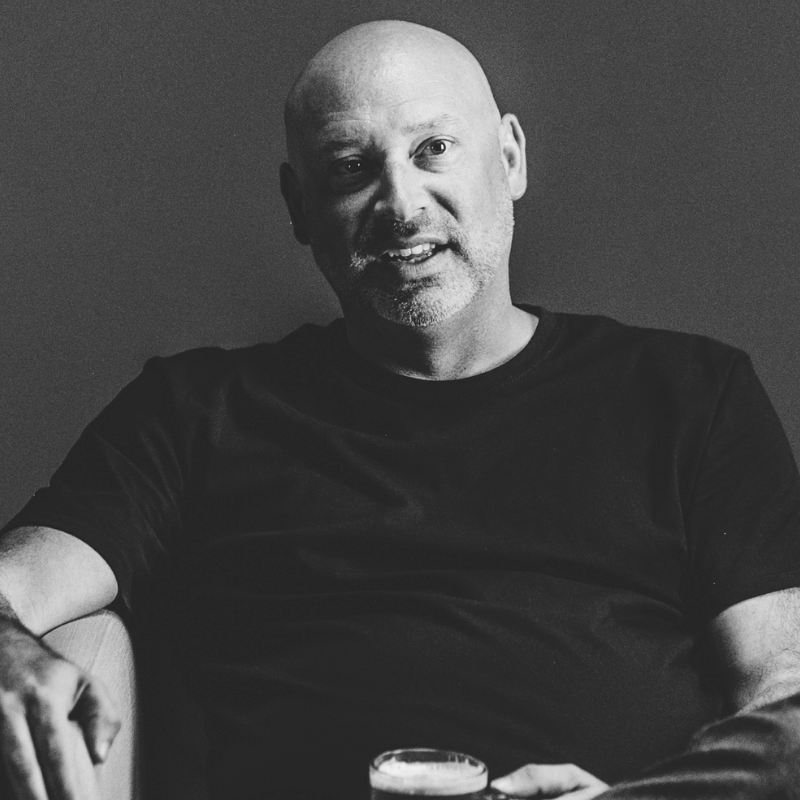
Travis Estes is the Founder of Busy Bean Coffee. Since 2014, he has helped hundreds of hotels, restaurants, and offices design and implement professional coffee programs that drive revenue and reduce operational headaches. His expertise lies in matching equipment solutions to specific business contexts.