Where to Buy Industrial Coffee Roasters in the USA: The Complete 2026 Guide
If you're searching for where to buy industrial coffee roasters in the USA, you're likely weighing direct manufacturer sales, specialty distributors, and online equipment marketplaces. Each channel has distinct advantages for different business models, from large-scale roasting facilities to hotels and restaurants seeking fresh, in-house roast programs. In my experience working with dozens of foodservice operators, the sourcing channel you choose directly impacts your upfront cost, ongoing support, and ultimately your roast consistency. Let's break down the options so you can make an informed choice for 2026.

What Are Industrial Coffee Roasters & Where Can You Buy Them?
📚
Definition
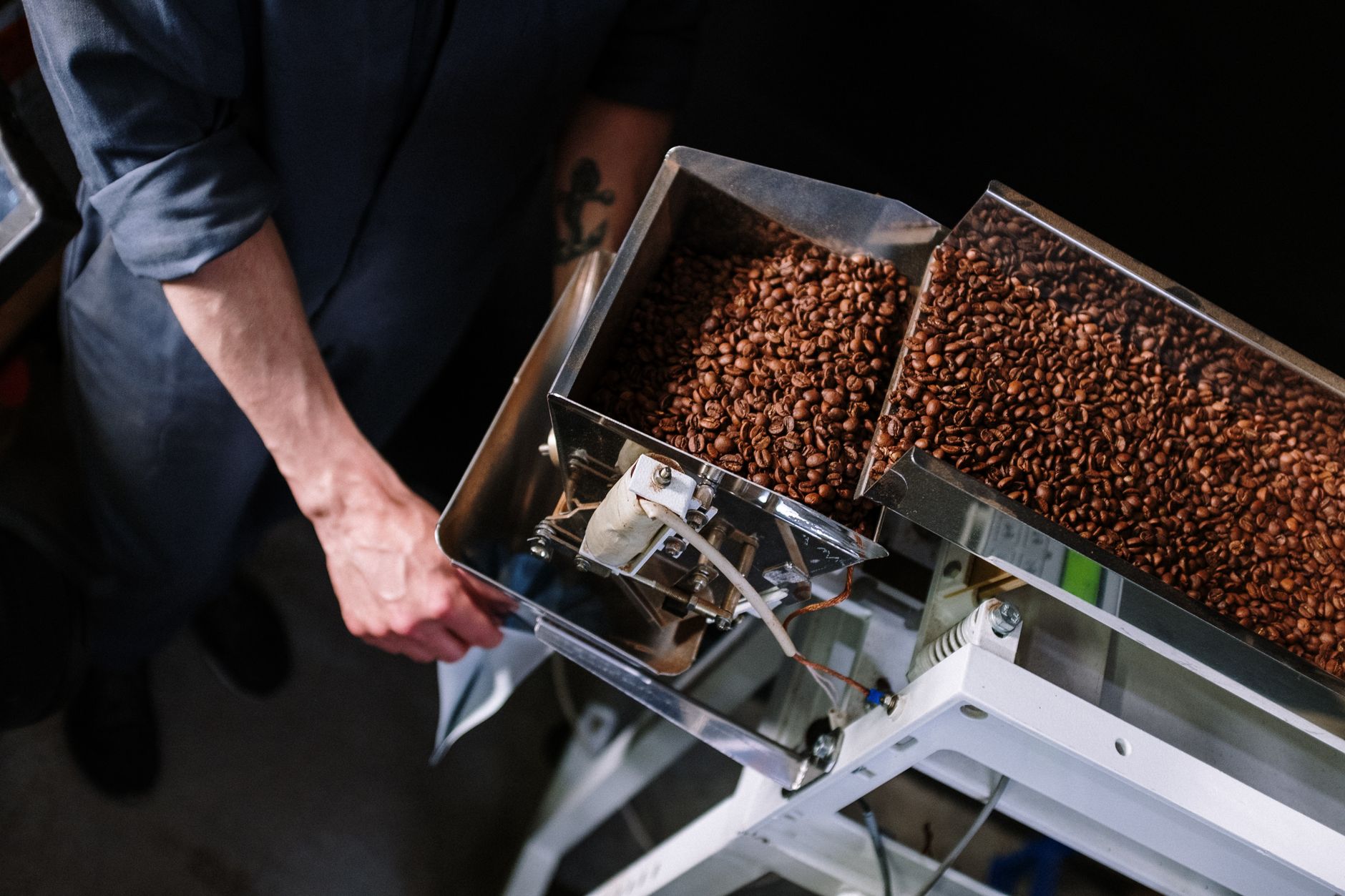
Industrial coffee roasters are high-capacity machines designed for commercial roasting—typically producing 60 kg to 500+ kg per batch. Unlike small-batch sample roasters, these machines are built for continuous, high-volume production in commercial facilities.
When asking "where to buy industrial coffee roasters," you have four primary channels:
-
Direct from Manufacturers: Brands like Probat, Loring, Giesen, and Diedrich sell directly to businesses. This route gives you factory-direct pricing, customization options, and often the best warranty terms. However, lead times can be long (3–6 months) and require significant capital commitment.
-
Specialty Equipment Distributors: Companies like US Roaster Corp, Coffee-Tec, and Brewista supply roasters along with installation and maintenance. Distributors often stock popular models and can provide faster delivery. They also offer financing packages that manufacturers may not.
-
Online Equipment Marketplaces: Platforms like UsedCoffeeEquipment.com, Ritual Roasters, and even eBay Business list new and used industrial coffee roasters. While prices can be lower, due diligence is critical—I've seen operators inherit hidden maintenance costs from poorly inspected used machines.
-
Managed Coffee Service Providers: Companies like Busy Bean Coffee offer all-inclusive managed coffee solutions that include premium roasting equipment (like SENSA systems) without the six-figure capital outlay. This is a growing alternative for hotels, restaurants, and offices that want fresh-roasted coffee without owning an industrial roaster.
De acordo com relatórios recentes do setor de the Specialty Coffee Association's 2024 Roastery Benchmark Report, nearly 65% of new roasteries source their primary roaster through a manufacturer-direct relationship, while 20% use distributors and 15% buy used or leased equipment. The SCA notes that operators who purchase direct often receive more comprehensive training (Source: SCA Roastery Benchmark Report).
💡
Key Takeaway
The best place to buy an industrial coffee roaster depends on your volume needs, budget, and required support. For most small-to-mid-scale operators, I recommend exploring distributor partnerships before committing to a direct purchase.
Why Where You Buy Matters More Than You Think
The sourcing channel for your industrial coffee roasters affects not just price but also:
- Service and Support: Direct manufacturers often provide the best training and warranty, but distributors may offer faster on-site service.
- Financing Flexibility: Distributors typically have relationships with equipment leasing companies, reducing upfront costs.
- Integration with Existing Systems: If you're adding roasting to an existing foodservice operation, compatibility with your current setup is crucial. Busy Bean Coffee's managed approach eliminates these integration headaches by providing complete systems tailored to your venue.
Research from McKinsey's 2025 Foodservice Equipment Report indicates that businesses purchasing equipment without a clear service plan face 30% higher downtime costs over the first three years (Source: McKinsey & Company). This aligns with what I've observed: operators who buy from online marketplaces without vetting the seller often struggle when something breaks.
A 2023 study by the National Coffee Association found that 52% of US coffee drinkers prefer coffee from roasters that provide freshness dates (Source: NCA). This trend drives demand for on-site roasting, making the choice of where to buy your roaster critical to meeting consumer expectations.
Internal link: For more on how fresh roast impacts coffee quality, see our guide on How Specialty Bean Supply Works.
Practical Application: How to Choose and Buy an Industrial Coffee Roaster
Here's a step-by-step process I recommend to clients:
Step 1: Define Your Production Volume
Calculate your daily roast requirement. A 60 kg batch roaster suits a café roasting for multiple locations; a 120 kg+ machine is better for wholesale operations.
Step 2: Set Your Budget
New industrial coffee roasters range from $40,000 to over $200,000. Factor in installation (ventilation, gas, electrical), which can add 15–25%.
Step 3: Evaluate Sourcing Channels
- Manufacturer Direct: Best for long-term relationships and customization.
- Distributor: Good for mid-range budgets and faster delivery.
- Used/Online: Only if you have a skilled maintenance team.
Step 4: Request References
Ask for references from three recent buyers. In my experience, this reveals hidden costs—like mandatory proprietary software subscriptions.
Step 5: Consider Managed Services
For many businesses, especially hotels, restaurants, and offices, buying a roaster isn't the only path. Busy Bean Coffee's managed coffee service includes high-end equipment (SENSA roasters), installation, maintenance, and bean supply for a predictable monthly fee. This eliminates the capital expense and service burden while still delivering fresh-roasted coffee.
💡
Key Takeaway
Most buyers skip the service planning phase. I've seen operators save 20% on total cost of ownership by choosing a channel that bundles installation, training, and maintenance—exactly what Busy Bean Coffee offers.
Internal link: Learn about the integration process in How Managed Coffee Services Work.
Comparison of Sourcing Channels for Industrial Coffee Roasters
| Channel | Pros | Cons | Best For |
|---|---|---|---|
| Manufacturer Direct | Best customization, warranties, training | Long lead times, high upfront cost | Large-scale roasters or specialty brands |
| Specialty Distributor | Faster delivery, financing options, support | Less customization, markup | Mid-volume operators needing faster setup |
| Online Marketplaces | Lower prices, used options | Risk of hidden defects, no support | Experienced operators with service capability |
| Managed Service (Busy Bean Coffee) | No capital expense, full service, includes bean supply | Limited equipment choices (but premium) | Hotels, restaurants, offices wanting fresh coffee without ownership |
Internal link: Compare options further in our Busy Bean Coffee vs Big Competitors analysis.
Common Questions & Misconceptions About Industrial Coffee Roasters
Myth 1: "Buying direct is always cheaper."
While direct purchases eliminate distributor margins, they often lack financing. Distributors can bundle equipment, installation, and service into a lease, reducing monthly cash flow impact.
Myth 2: "Used roasters are too risky."
Yes, but with a pre-purchase inspection by a qualified technician, good deals exist. I've seen operators find 5-year-old Probats at half the new price with 80% of useful life left.
Myth 3: "You need to own a roaster to serve fresh coffee."
That's the biggest misconception. Managed services like Busy Bean Coffee provide fresh-roasted coffee without owning the equipment. This model is gaining traction: Grand View Research projects the managed coffee service market to grow by 8.5% annually through 2030 (Source: Grand View Research).
Internal link: Discover why more venues choose this approach in Why Choose Managed Coffee Services for Hotels.
Frequently Asked Questions
Where can I find industrial coffee roasters for sale near me?
Local distributors are often the quickest source. Search for "commercial coffee roaster distributors in [your state]". National distributors like US Roaster Corp ship across the US. Additionally, trade shows like the Specialty Coffee Expo (annual, rotating cities) are excellent for seeing machines and negotiating deals. For a hassle-free alternative, consider managed services that provide roasting equipment without purchase.
How much does an industrial coffee roaster cost?
New industrial coffee roasters range from $40,000 for entry-level 15 kg models to over $500,000 for fully automated 500 kg systems. Installation and ventilation add 15–25%. Used roasters can be 30–50% less but require thorough inspection. Financing through distributors or managed service plans can spread costs over time.
What brands of industrial coffee roasters are best?
Probat is the industry standard for reliability. Loring offers energy efficiency (up to 80% less emissions). Giesen provides precision control. Diedrich is great for smaller batches. Each has different service networks – check availability in your region. Busy Bean Coffee's managed service uses SENSA equipment, known for durability and consistency.
Can I lease an industrial coffee roaster instead of buying?
Yes. Many distributors and manufacturers offer lease-to-own options. Busy Bean Coffee's managed service provides a lease-like model with inclusive beans and maintenance, ideal for operators wanting zero capital risk. This is especially attractive for businesses uncertain about long-term volume.
Should I buy a used or new industrial coffee roaster?
If you have a dedicated maintenance team, a used roaster from a reputable source (with service records) can be cost-effective. If not, new with warranty is safer. For many, a managed service eliminates this decision entirely, providing new equipment without ownership costs.
Internal link: For ongoing support, explore Maintenance-Free Coffee Solutions for Busy Venues.
Summary + Next Steps
Choosing where to buy industrial coffee roasters in the USA depends on your business model, budget, and support needs. Manufacturers direct, distributors, and online marketplaces all have merits, but the hidden cost of ownership—maintenance, training, bean sourcing—can surprise you. That's why more businesses are turning to managed coffee services like Busy Bean Coffee. With our all-inclusive model, you get premium SENSA roasting equipment, professional installation, full maintenance, and consistent fresh roast—all for one predictable monthly fee. No six-figure capital outlay, no service nightmares. Just great coffee for your guests.

Ready to explore a smarter way? Visit Busy Bean Coffee to learn about our managed coffee solutions for 2026.
Recommended Readings
To deepen your understanding of these topics, we recommend reading the following articles:
- Commercial Coffee Roasting Equipment Options
- Best Industrial Coffee Roasters for Restaurants
- Types of Industrial Coffee Roasters Explained
About the Author
Travis Estes is the Founder of Busy Bean Coffee, a leading provider of managed coffee services for hotels, restaurants, and offices across the USA. With over a decade in foodservice equipment, Travis helps operators build exceptional coffee programs without the capital expense.