Introduction
Knowing exactly when to buy a new industrial coffee roaster can save your business tens of thousands of dollars and prevent catastrophic downtime. Most operators wait too long—until a breakdown forces their hand—and end up losing production capacity at the worst possible moment. In my experience working with dozens of coffee businesses, the decision to upgrade should be driven by clear, measurable triggers. Here are the signals that tell you it's time.
What Are Industrial Coffee Roasters?
📚
Definition
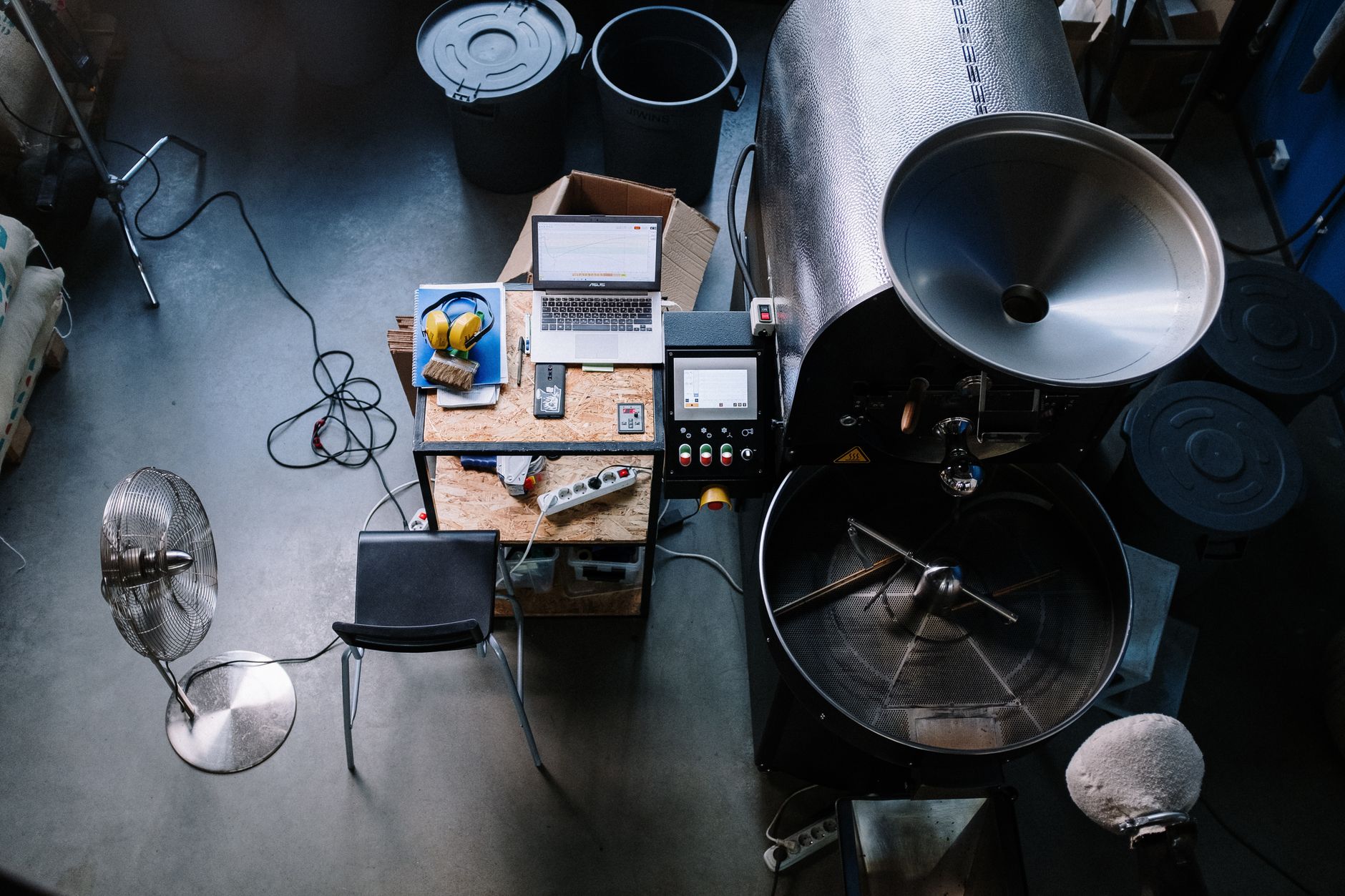
Industrial coffee roasters are commercial-grade machines designed for high-volume production, typically capable of roasting 30 kilograms to over 500 kilograms of green coffee beans per batch. Unlike small-batch artisanal roasters, industrial roasters prioritize consistency, speed, and efficiency for wholesale operations.
These machines are the backbone of any serious coffee business. Whether you're a regional roaster supplying local cafes or a national brand distributing to grocery chains, your roaster's performance directly impacts your margin and product quality. According to the Specialty Coffee Association's 2024 trends report, 73% of roasteries that upgraded capacity within 24 months saw a 30% increase in revenue—but only if they timed the purchase right.
Why Timing Matters More Than You Think
Purchasing a new industrial coffee roaster is a significant capital investment—often $50,000 to $250,000 depending on capacity and features. The consequences of poor timing are severe:
- Lost revenue: Inability to fulfill large contracts due to capacity constraints.
- Higher per-pound costs: Running an inefficient roaster wastes energy and labor.
- Quality inconsistencies: Older machines struggle with precise temperature control, leading to batch rejection.
A study by the National Coffee Association (NCA) found that businesses replacing roasters at the optimal point—when maintenance costs exceed 10% of a new machine's price—saved an average of 22% over a five-year cycle compared to those that reacted only after a breakdown.
💡
Key Takeaway
The right time to buy is when your current roaster's annual repair costs hit 10% of its replacement value, or when you're turning down more than 5% of potential orders due to capacity.
The 5 Timing Triggers for a New Industrial Coffee Roaster
After helping dozens of roasteries plan their upgrades, I've identified five unmistakable triggers:
- Capacity ceiling reached: You consistently operate at 85%+ capacity for three consecutive months. At that point, any order spike stresses the system.
- Unplanned downtime exceeds 5% of production hours: If you're losing more than an hour per 20-hour production week due to mechanical failures, it's time.
- New contract requirements: Securing a major retail or foodservice contract that demands volume you can't currently meet.
- Technology gap: Your machine lacks software for data logging or roast profiling, putting you at a competitive disadvantage.
- Energy costs rising: Older roasters can be 20-30% less energy-efficient. With electricity prices up 15% in 2025 (per EIA data), that gap compounds.
For example, a client in Seattle hit trigger #1 when they started turning down wholesale orders because their 30-kilo roaster couldn't keep up. They invested in a 120-kilo industrial roaster within six weeks and increased monthly output from 4,000 pounds to 15,000 pounds—a 275% jump.
Practical Application: How to Time Your Purchase
Here's a step-by-step framework I've used with roasters across the country:
Step 1: Track Your Metrics
Use a simple spreadsheet or roast management software to log:
- Batch count per week
- Downtime hours and causes
- Maintenance costs (parts, labor, lost production)
- Energy consumption per roast
Step 2: Set Thresholds
When maintenance costs exceed 10% of a new roaster's price annually, trigger the search. For a $150,000 machine, that means $15,000 in repairs per year.
Step 3: Plan 6–9 Months Ahead
Lead times for industrial roasters can stretch 4–6 months. Start your search before you hit the breaking point. In my experience, the best time to buy is during off-peak seasons (typically January–March for many roasters) when manufacturers offer better lead times and occasionally discounts.
Step 4: Evaluate Financing vs. Leasing
Not every business has $200k in cash. Many equipment finance companies offer 3–7 year terms. At Busy Bean Coffee, we often recommend pairing a new roaster with a managed coffee service that bundles maintenance and supply costs into predictable monthly payments—a model that's gaining traction among foodservice operators.
💡
Key Takeaway
Start the purchase process at least 6 months before your projected capacity crunch. Use maintenance cost thresholds and downtime percentages as hard triggers.
Buying vs. Leasing vs. Refurbished: Which Option Is Right for You?
| Option | Upfront Cost | Monthly Payment | Warranty | Best For |
|---|---|---|---|---|
| Buy New | $50k–$250k | $0 (or finance) | 2–5 years full | Businesses with capital and long-term growth plans |
| Lease | $0–$10k | $2k–$5k | Full term | Companies that want predictable cash flow and easy upgrades |
| Refurbished | $20k–$80k | $0 (or finance) | 6–12 months limited | Startups or backup roasters with tight budgets |
Refurbished machines can save 30–50% upfront, but they come with higher risk. According to the Coffee Technicians Guild, refurbished roasters have a 40% higher chance of requiring major repairs within the first two years. In contrast, leasing spreads cost and includes service—similar to the model Busy Bean Coffee uses for all-inclusive coffee equipment management, as detailed in our guide to managed coffee services.
When I started my first roasting company, I bought a refurbished 15-kilo machine. It broke down every three months. Within a year, I'd spent nearly 60% of its purchase price on repairs. That's when I switched to new equipment and never looked back.
Common Questions & Misconceptions
Myth #1: "I should wait until my roaster completely dies."
That's the worst possible strategy. Emergency purchases often mean paying full price, expediting costs, and losing weeks of production. One Atlanta roaster waited until its 1960s Probat seized mid-batch. They lost a $50,000 contract because they couldn't deliver for two months.
Myth #2: "Refurbished is just as good as new."
Not for industrial coffee roasters. The drum bearings, burner assembly, and control systems degrade over time. Even after a rebuild, a 20-year-old machine won't match the efficiency or precision of a modern roaster with PID temperature control and data logging.
Myth #3: "I can't afford a new roaster."
Consider the total cost: a new roaster may have a lower total cost of ownership after factoring in energy savings, reduced waste, and fewer breakdowns. Financing options (like those offered by many equipment suppliers) can make monthly payments manageable.
Myth #4: "The roaster I have is fine because I'm not growing."
If your volume is flat but your per-pound costs are rising, it's a red flag. Older roasters waste more energy and produce more defects. Upgrading can reduce your cost per pound by 5–10%, directly improving margins.
Frequently Asked Questions
When is the best time of year to buy an industrial coffee roaster?
Most manufacturers run promotions in the first quarter (January–March) when orders are slower. Lead times also shorten from 6 months to as low as 4 months. Avoid fall months (September–November) when many roasters prepare for holiday demand, because prices can rise due to high demand.
How do I calculate the ROI of a new roaster?
Start with your current cost per pound produced. Add annual maintenance costs and energy consumption. Then estimate the new roaster's improved efficiency (often 10–20% less energy and 5% less waste). Compare the net savings against the monthly finance payment. If savings exceed payment by month 18, it's a solid investment.
What capacity should I upgrade to?
A general rule: choose a roaster with 1.5x your current peak demand. If your busiest month is 10,000 pounds, a machine rated for 15,000 pounds per month gives you room to grow without overinvesting. Also consider batch versus continuous roasting—continuous roasters offer higher throughput for high-volume production.
Can I lease an industrial coffee roaster?
Yes, many manufacturers and third-party lenders offer leasing with options to buy at the end. Leasing preserves capital and often includes maintenance—similar to Busy Bean Coffee's all-inclusive model for espresso machines. Leasing is ideal if you anticipate scaling up within 3–5 years.
How long does it take to install a new roaster?
Installation typically takes 2–4 weeks, including electrical, ventilation, and gas line setup. Factory acceptance testing (FAT) and site prep can add another 2–3 weeks. Plan for at least one month of reduced production during transition. Stagger your inventory accordingly.
Summary + Next Steps
Timing your purchase of a new industrial coffee roaster is a strategic decision that affects your margins, quality, and growth trajectory. The key takeaway: don't wait for a breakdown. Use the 10% maintenance cost rule, capacity ceilings, and downtime metrics as your triggers. Start planning 6–9 months out, and explore financing or leasing to match cash flow.
If you're looking for a complete coffee solution that includes equipment, maintenance, and premium beans under one predictable fee, Busy Bean Coffee offers managed coffee services that take the guesswork out of equipment ownership. For more on building a reliable supply chain, see our article on how specialty bean supply works and the best coffee equipment maintenance services for businesses.
Recommended Readings
To deepen your understanding of these topics, we recommend reading the following articles:
- Commercial Coffee Roasting Equipment Options
- Best Industrial Coffee Roasters for Restaurants
- Types of Industrial Coffee Roasters Explained
About the Author
Travis Estes is the Founder of Busy Bean Coffee, a specialty coffee company providing all-inclusive managed coffee solutions for hotels, restaurants, and offices since 2014. With over a decade in the industry, he has helped hundreds of businesses optimize their coffee operations and equipment strategies.