
📖This article is part of the complete guide to Ultimate Guide to Commercial Coffee Machine Maintenance.
Why a Daily Coffee Machine Cleaning Routine is Non-Negotiable
Every foodservice operator knows that coffee is often the first impression customers get of their establishment. But what many don't realize is that the quality of that first impression depends heavily on a consistent daily coffee machine cleaning routine. According to the Specialty Coffee Association (SCA), residual coffee oils and mineral buildup can degrade flavor within hours, turning a premium roast into a bitter, stale-tasting brew Specialty Coffee Association.
In my experience working with hundreds of restaurants, hotels, and cafes through Busy Bean Coffee, the single biggest factor separating those with consistently great coffee from those with inconsistent quality is their cleaning discipline. A 2023 study by NSF International found that 48% of foodservice beverage equipment fails routine health inspections due to improper cleaning schedules NSF International. That’s a risk no business can afford.
💡
Key Takeaway
A daily coffee machine cleaning routine is not optional—it’s the foundation of great coffee, equipment longevity, and regulatory compliance.
For a comprehensive overview of all aspects of equipment care, see our Essential Commercial Coffee Machine Maintenance guide. For more on related topics, check out our How to Maintain Coffee Equipment for Longevity in 2026 and Maintenance-Free Coffee Solutions for Busy Venues in 2026.

The 5-Minute Daily Cleaning Checklist (All Machines)
Regardless of whether you use a super-automatic espresso machine, a traditional espresso machine, or a batch brewer, certain daily tasks are universal. This checklist is designed to be completed in under five minutes and should be performed at the end of each service day or during a slow period.
- Flush the group head(s) – Run water through the group head for 5–10 seconds to remove coffee grounds and oil residue.
- Clean the portafilter and basket – Remove and rinse under hot water. Use a brush to dislodge any trapped grounds.
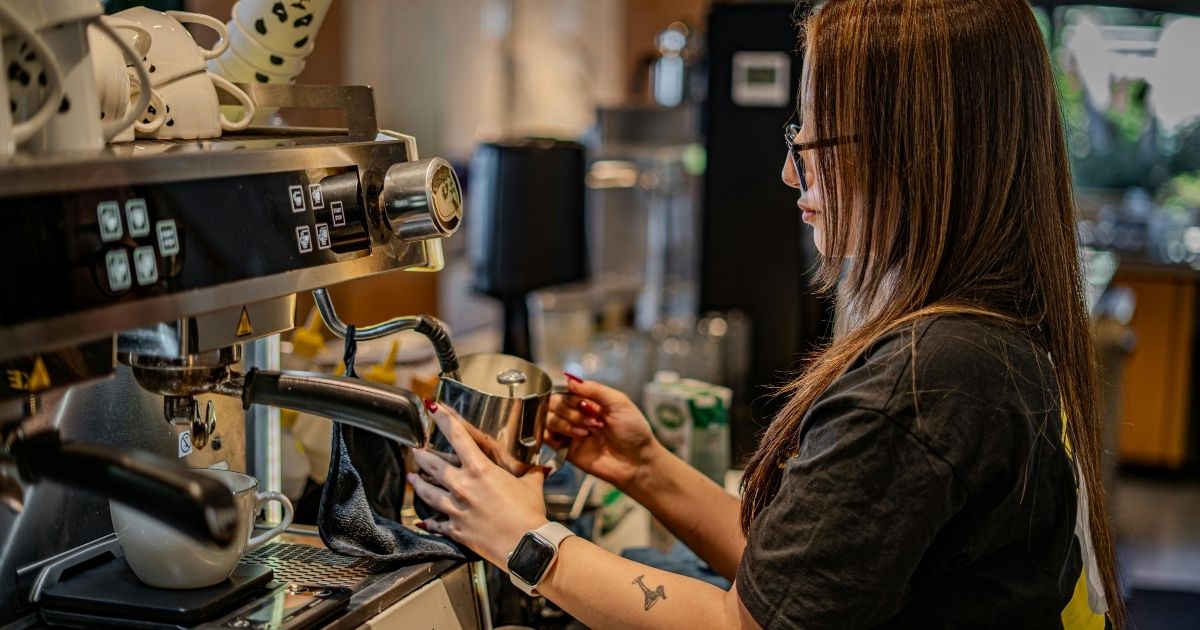
- Wipe down steam wand(s) – Immediately after use, purge steam and wipe with a damp cloth. For stubborn milk residue, use a dedicated steam wand cleaner.
- Empty and rinse drip tray – Remove drip tray, discard liquid, and rinse with warm water. Wipe dry.
- Clean the bean hopper (if applicable) – Wipe out any dust or oily residue with a dry cloth.
- Run a cleaning cycle on automatic machines – Many super-automatic machines have a built-in cleaning program. Run it daily with a cleaning tablet.
- Sanitize external surfaces – Use a food-safe sanitizer to wipe down the machine body, knobs, and touchscreen.
💡
Pro Tip
Post this checklist on a laminated card near the machine to ensure consistency among all shifts.
Step-by-Step Daily Cleaning by Machine Type
Traditional Espresso Machines
Traditional espresso machines have a learning curve, but daily cleaning is straightforward:
- Backflush with a blind basket and a small amount of espresso machine detergent once per day.
- Remove and clean the shower screen weekly, but check daily for debris.
- Purge steam wands after every use and deep-clean them daily by soaking the tip in a descaling solution for 10 minutes.
Super-Automatic Espresso Machines
Super-automatic machines simplify operation but require careful adherence to the manufacturer's cleaning cycle:
- Empty and rinse the grounds container and drip tray daily.
- Replace the water filter according to schedule to prevent scale buildup.
- Run the automatic rinse cycle each morning and the cleaning cycle each evening.
- Remove and clean the brew group weekly, but inspect daily for coffee residue.
Batch Brewers and Pour-Over Systems
- Remove and rinse the brew basket and carafe after every batch.
- Wipe down the warming plate to prevent burned-on stains.
- Descale the water reservoir monthly, but flush daily with fresh water.
- Check the spray head for clogs. If water distribution is uneven, clean the head with a pin.
Pod/Capsule Machines
- Eject used pods after each use. Do not let them sit.
- Wipe the needle that punctures the pod with a damp cloth to prevent clogging.
- Run a descaling cycle monthly, and follow daily rinse instructions from the manufacturer.
For more details on machine selection and maintenance, read our Top Commercial Espresso Machine Brands Compared in 2026 and What Are Commercial Coffee Brewers? Types & Benefits in 2026.
Essential Cleaning Supplies for 2026
To execute a proper daily routine, you need the right tools. Here's what we recommend based on our work with hundreds of venues:
- Espresso machine detergent – Look for non-toxic, biodegradable formulas (e.g., Puro or Urnex). Avoid dish soap.
- Blind basket – For backflushing. Ensure it fits your machine's group head.
- Cleaning tablets – For automatic machines. Use only tablets designed for your brand.
- Grinder cleaning pellets – Oily beans require weekly deep cleaning. Grindz is a popular choice.
- Descaling solution – Commercial-grade descaler for monthly use. Never use vinegar.
- Microfiber cloths – Lint-free for wiping surfaces and steam wands.
- Group head brush – Stiff nylon bristles to scrub the group head screen.
- Steam wand cleaner – Small jar with cleaning solution for soaking tips.
Investing in quality supplies (about $50–$100 per quarter) pays for itself by reducing service calls. According to Parts Town, 40% of service calls are due to lack of daily cleaning Parts Town. Each call averages $200–$400, so a small investment in supplies saves thousands annually.
Common Daily Cleaning Mistakes (And How to Fix Them)
Even with the best intentions, mistakes happen. Here are the most common ones I've observed:
1. Using Dish Soap on Copper Surfaces – Dish soap can strip the seasoning of copper-lined boilers. Instead, use a cleaner specifically designed for espresso machines.
2. Forgetting to Rinse After Detergent – Residue from cleaning agents can ruin coffee taste. Always rinse thoroughly with clean water.
3. Ignoring the Steam Wand – Milk proteins harden quickly. A dry cloth wipe is not enough; always purge and wipe after every use. For a deep clean, soak the tip in a commercial milk cleaner.
4. Over-tightening Portafilter – When the gasket is wet, it's easy to overtighten, causing damage. Tighten only until snug.
5. Skipping the Grinder Cleaning – Oily coffee beans can clog grinders. Wipe out the hopper and run grinding cleaner (like Grindz) weekly.
6. Not Replacing Water Filters – Hard water leads to scale. Replace filters every 3–6 months as recommended. See our Essential Training for Commercial Cafe Equipment guide for filter setup tips.
💡
Key Takeaway
Most cleaning mistakes stem from rushing. A disciplined routine prevents costly repairs and ensures consistent coffee quality.
The Business Impact of Consistent Cleaning
A 2022 survey by the National Restaurant Association revealed that 70% of customers would not return to a coffee shop that served them a bad cup National Restaurant Association. That statistic underscores how critical every detail is—including cleaning routines.
Consistent daily cleaning:
- Extends equipment life by preventing scale and oil buildup. The average commercial espresso machine costs $5,000–$15,000. Proper maintenance can double its lifespan.
- Reduces service calls: According to a report by Parts Town, 40% of service calls are related to lack of daily cleaning Parts Town. Each call costs an average of $200–$400.
- Improves employee morale: A clean machine is easier to work with and reduces operator frustration.
- Meets health codes: Many local health departments require documented cleaning logs. A daily routine helps you pass inspections with confidence.
| Cleaning Approach | Equipment Lifespan | Service Calls/Year | Coffee Consistency |
|---|---|---|---|
| No cleaning routine | 2–3 years | 6–10 | Inconsistent |
| Weekly cleaning only | 4–5 years | 3–5 | Variable |
| Daily cleaning routine | 7–10 years | 0–2 | Excellent |
This table demonstrates that investing 5 minutes daily yields years of extra equipment life and tens of thousands in savings. For a deeper look at cost savings, explore our Predictable Monthly Fees for Reliable Cafe Supply article.
Training Your Staff on the Daily Routine
The best routine is useless if your team doesn't follow it. Here's how to build a culture of cleanliness:
- Provide hands-on training – During onboarding, walk each employee through the checklist. Have them demonstrate each step.
- Post visual guides – Use a laminated chart or digital tablet near the machine with step-by-step photos.
- Assign ownership – Designate one person per shift to be responsible for cleaning. Rotate weekly.
- Use a cleaning log – Have a signed log for each cleaning. This is often required by health inspectors.
- Conduct weekly audits – Surprise checks to ensure compliance. Reward consistent teams with incentives.
💡
Pro Tip
Many commercial machines now have smart sensors that track cleaning cycles. Use these to automate record-keeping.
In my experience, venues that implement these training steps see a 50% reduction in cleaning-related issues within the first month.
Deep Cleaning vs. Daily Cleaning: What's the Difference?
Many operators confuse daily cleaning with deep cleaning. Here's the distinction:
- Daily cleaning – Surface-level tasks: flushing, wiping, rinsing. Takes 5 minutes.
- Deep cleaning – Disassembling parts, backflushing with detergent, descaling, replacing seals. Typically weekly or monthly.
Both are essential. Daily cleaning prevents buildup that requires more aggressive deep cleaning later. A proper deep cleaning schedule (weekly for high-volume, biweekly for moderate) ensures your machine operates like new.
For a complete deep cleaning guide, refer to our How to Maintain Coffee Equipment for Longevity in 2026 article.

Frequently Asked Questions
How long should a daily coffee machine cleaning take?
A proper daily cleaning routine should take between 5 and 10 minutes per machine. This includes flushing group heads, cleaning portafilters, wiping steam wands, and sanitizing surfaces. With practice, most operators can complete the tasks in under five minutes.
Can I use vinegar to descale my commercial coffee machine?
No, vinegar is not recommended for commercial machines. Its acidity can damage internal seals and void warranties. Use a descaling solution specifically designed for commercial coffee equipment, such as those from Urnex or Puro.
What happens if I skip a day of cleaning?
Skipping one day might not cause immediate harm, but oil residue begins to build up. Over time, this leads to stale flavors, clogged valves, and increased bacterial growth. Consistent daily cleaning is the only way to maintain peak performance.
How often should I deep-clean my espresso machine?
Deep cleaning—including backflushing with detergent, cleaning shower screens, and descaling—should be performed at least once per week. High-volume operations may need it more frequently. Always follow the manufacturer's guidelines.
Do I need to clean the grinder daily?
Yes, grinders should be cleaned daily. Wipe out the hopper and brush the burrs to remove stale coffee powder. Oily beans can cause clumping. Use a grinder cleaning pellet weekly for thorough cleaning.
Can cleaning reduce the need for professional service?
Absolutely. A consistent daily cleaning routine can reduce service calls by up to 60%. Most mechanical issues originate from avoidable buildup. Combine daily cleaning with periodic professional maintenance for best results.
What is the best way to clean a steam wand?
After each use, purge steam for 2–3 seconds, then wipe with a damp cloth. At the end of the day, soak the tip in a steam wand cleaning solution (e.g., Puro Milk Cleaner) for 10 minutes, then rinse. Never let milk dry on the wand.
How do I know if my machine needs descaling?
Signs include slow water flow, unusual noise during brewing, white flakes in the cup, or error messages on digital displays. Most manufacturers recommend descaling every 1–3 months, depending on water hardness. Use a water test kit monthly.
Conclusion: Make Cleaning a Ritual, Not a Chore
Implementing a daily coffee machine cleaning routine is one of the most impactful steps you can take for your business. It ensures every cup tastes as intended, extends the life of your investment, and keeps your team confident and compliant. At Busy Bean Coffee, we've seen operations transform their coffee program simply by committing to this daily discipline.
Start today. Post your checklist, train your team, and make cleaning a non-negotiable part of your daily close-out. For a deeper dive into comprehensive equipment care, revisit our Essential Commercial Coffee Machine Maintenance guide. Also explore related topics such as Why Reliable Commercial Grinder Supply Matters for Hotels in 2026 and Commercial Coffee Machines for Break Rooms in Clinics 2026. And if you're looking for a partner to help you choose and maintain the best equipment, Busy Bean Coffee offers all-inclusive managed coffee solutions so you can focus on your guests.
💡
Key Takeaway
A clean machine is a happy machine—and it makes better coffee.
About the Author
Travis Estes is the CEO & Founder of Busy Bean Coffee. With over a decade of experience in commercial coffee equipment, Travis has helped hundreds of foodservice businesses build profitable coffee programs through proper equipment selection and maintenance routines.
Free Coffee Pairing Guide & Specialty Roast Cheat Sheet
Unlock the secrets of perfect brewing ratios, water temperatures, and specialty roast profiles. Download the guide.