📖This article is part of the complete guide to Ultimate Guide to Coffee Syrups for Foodservice Businesses.
In my experience working with high-volume cafes in Mount Pleasant, South Carolina, I have seen a recurring tragedy: the 'sticky station.' When a business relies on pouring syrups manually or uses cheap, leaking pumps, the result is not just a messy counter, but a significant hit to the bottom line through inconsistent dosing and product waste. A professional setup doesn't just look better; it standardizes the taste of every latte, ensuring that a drink served at 8:00 AM tastes exactly like the one served at 4:00 PM.
For a comprehensive overview of how to integrate these tools into your beverage program, explore our Ultimate Guide to Coffee Syrups for Foodservice Businesses.
What are Coffee Syrup Pumps and Dispensers?
📚
Definition
Coffee syrup pumps are calibrated dispensing tools designed to deliver a precise, predetermined volume of flavored syrup—typically between 0.25 and 1 ounce—per single depression of the pump head.
Coffee syrup pumps are the unsung heroes of the beverage station. Unlike a pour spout, which relies on the barista's visual judgment, a pump utilizes a piston-and-spring mechanism to displace a specific amount of liquid. In a commercial setting, consistency is the only way to scale. If one barista uses a 'heavy pour' and another is conservative, your cost of goods sold (COGS) will fluctuate wildly, and your customer loyalty will suffer because the flavor profile of your specialty coffee changes with every shift.
Modern dispensers have evolved beyond the simple plastic pump. We now see integrated pump stations and automatic dispensing systems that integrate directly into the workflow. For those using high-end equipment, such as the Automatic Coffee Machines for Hotels and Hospitality in 2026, the goal is to match the precision of the machine with the precision of the flavoring. When you use a calibrated pump, you are removing the human error from the equation. I've tested various models over the years, and the difference between a generic pump and a professional-grade dispenser is usually found in the seal quality and the stroke consistency.

Why Do Coffee Syrup Pumps Matter for Your Business?
Consistency and speed are the two primary drivers of profitability in the foodservice industry. When you implement standardized coffee syrup pumps, you are essentially implementing a quality control system. According to the Specialty Coffee Association (SCA), maintaining precise ratios between coffee and additives is fundamental to achieving a balanced cup. If your syrup volume varies, you are altering the chemical balance of the beverage, often masking the nuanced notes of the Coffea arabica beans you've worked so hard to source.
From a financial perspective, the impact is immediate. In my experience, businesses that switch from free-pouring to calibrated pumps see a reduction in syrup waste of approximately 10% to 15% within the first quarter. When a barista over-pours by just a quarter ounce per drink across 200 drinks a day, that adds up to gallons of wasted product every month. By locking in the dose, you can accurately predict your inventory needs and maintain a lean supply chain.
Furthermore, the hygiene factor cannot be overstated. Manual pouring leads to drips down the side of the bottle, which then attract pests and create a sticky residue that is difficult to clean. According to NSF International, maintaining sanitary conditions in food-contact equipment is a mandatory requirement for health compliance. Professional dispensers keep the syrup contained and the exterior of the bottle clean, reducing the labor time spent on deep-cleaning the beverage station.
Integrating these pumps also allows you to better manage your wholesale coffee syrups: bulk buying for businesses strategy. When you know exactly how many pumps are in a bottle, you can calculate your exact cost per serving. This data allows you to price your menu items with confidence, knowing that your margins are protected regardless of who is behind the espresso machine.
How to Choose and Implement the Right Syrup Dispenser?
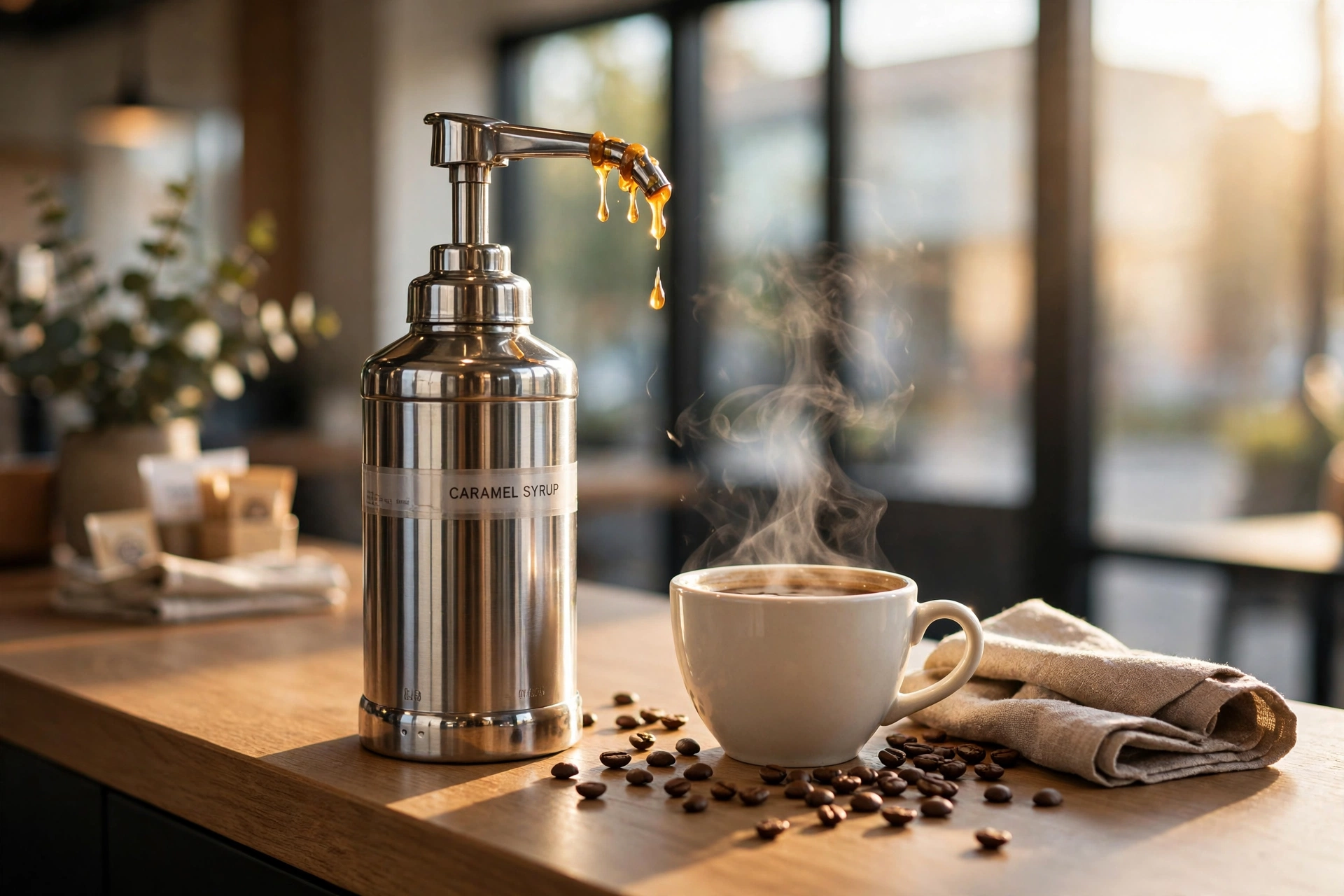
Selecting the right hardware requires an understanding of your specific volume and the viscosity of the syrups you use. Not all pumps are created equal; a pump designed for a thin vanilla syrup may struggle with a thick, viscous chocolate or caramel sauce. For those specializing in caramel syrup for lattes in foodservice settings, you will likely need a heavy-duty pump with a wider diameter piston to handle the denser liquid without jamming.
Step-by-Step Implementation Guide
- Audit Your Current Waste: Before buying new equipment, measure how much syrup you are currently using per drink. Use a graduated cylinder to see if your baristas are consistently over-pouring.
- Match Pump Volume to Recipe: Determine if your recipes call for 0.25oz, 0.5oz, or 1oz per pump. Standardize your recipes so that 'two pumps' always equals the same volume across all flavor profiles.
- Select Material Based on Environment: In high-humidity environments or areas with aggressive cleaning chemicals, choose stainless steel or high-density BPA-free plastics that won't degrade or crack over time.
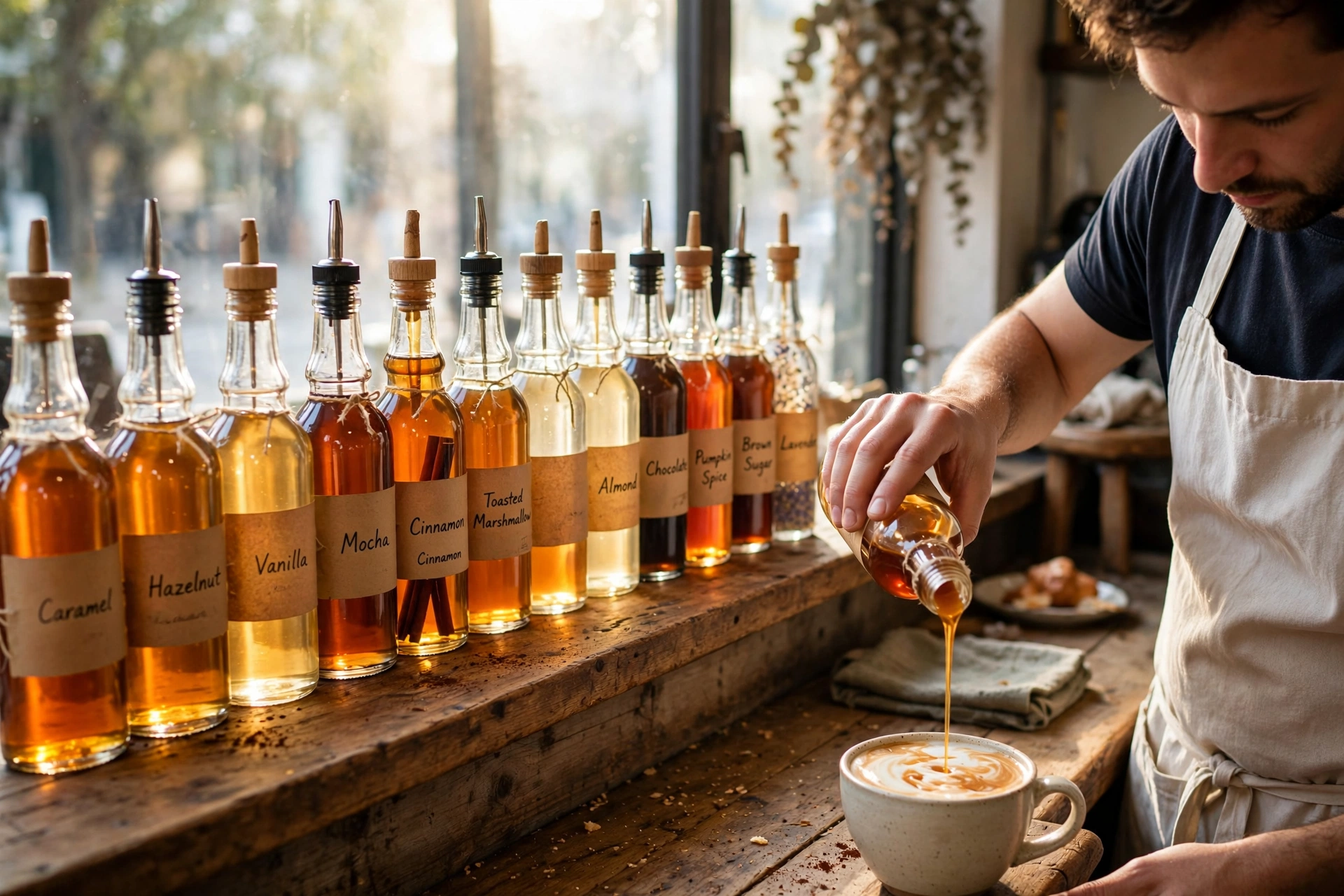
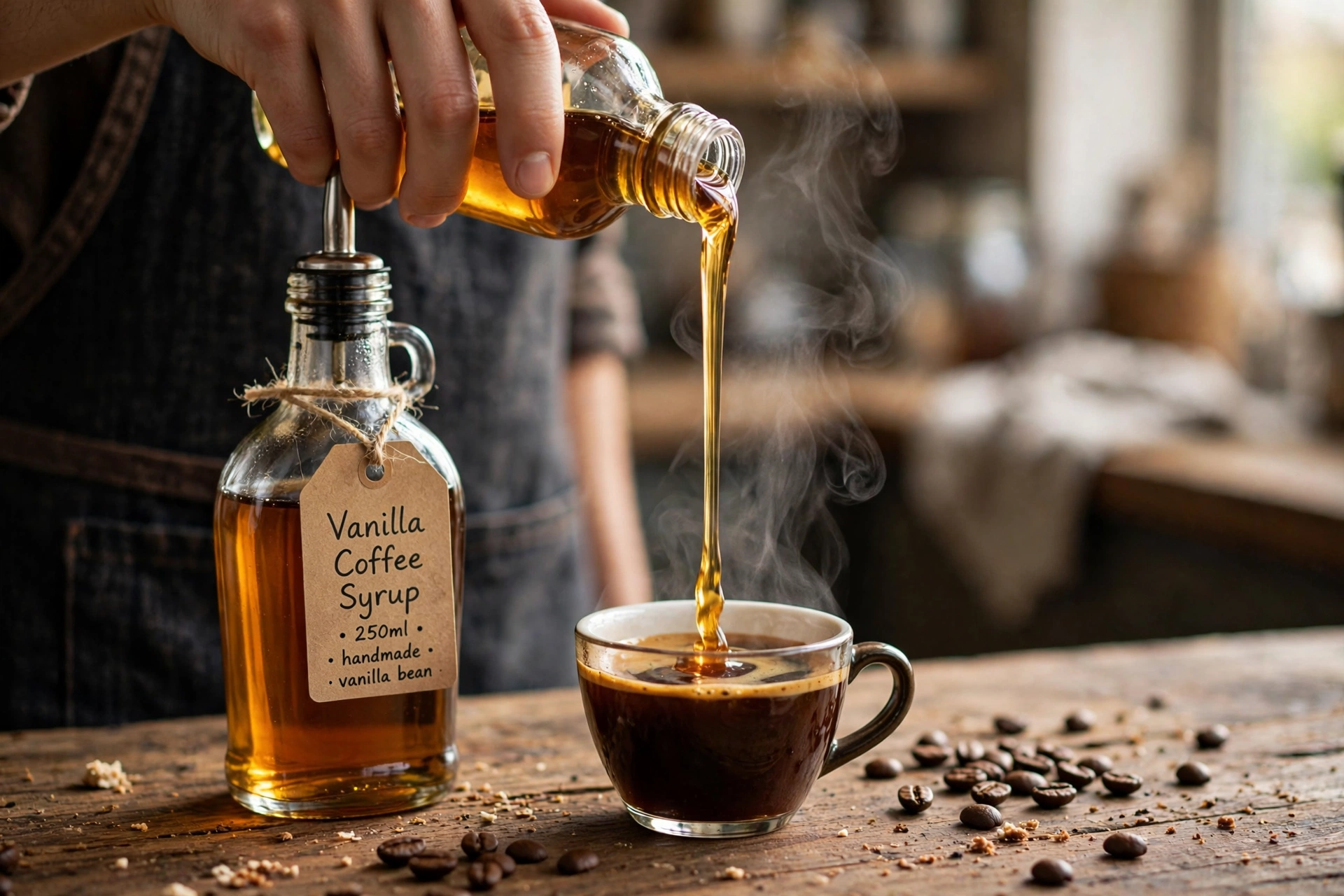
- Organize the Station Layout: Place the most popular flavors, such as vanilla coffee syrup: enhancing commercial coffee programs, in the 'prime real estate' zone—the area where the barista's hand naturally lands when reaching for the bottle.
- Train the Staff: Ensure every team member understands that the pump is the law. No 'extra splashes' or 'rounding up' unless specifically requested by the customer and tracked in the POS system.
I've found that implementing a 'pump-only' policy is the fastest way to stabilize drink quality. When we help clients set up a foodservice coffee program in Rock Hill SC: complete guide, we emphasize that the equipment is only as good as the training. A pump is a tool, but the discipline to use it consistently is the strategy.
Comparing Dispensing Methods: Manual vs. Pump vs. Automated
To understand where your business fits, it's helpful to look at the evolution of syrup delivery. Most small-scale operations start with manual pouring, but as they grow, the friction of that method becomes a bottleneck.
| Feature | Traditional Pouring | Generic Cheap Pumps | Professional Dispensing |
|---|---|---|---|
| Consistency | Low (Human Error) | Medium (Varies by Brand) | High (Calibrated) |
| Waste Level | High (Over-pouring) | Medium (Leaks/Drips) | Low (Precise Dosing) |
| Speed | Slow (Unscrewing caps) | Fast | Ultra-Fast (Ergonomic) |
| Hygiene | Poor (Sticky Bottles) | Fair (Occasional Drips) | Excellent (Contained) |
| Investment | Zero | Low | Moderate |
As shown in the table, the 'Generic Cheap Pump' approach often feels like a middle ground, but it frequently leads to frustration when the pump mechanism fails or begins to leak after a few weeks of heavy use. In my experience, investing in a professional-grade system pays for itself in recovered product within six months. This is especially true for businesses focusing on choosing coffee syrups to elevate hotel guest experiences, where the visual cleanliness of the station contributes to the overall luxury perception of the brand.

Common Mistakes to Avoid with Syrup Equipment
One of the most frequent errors I see is the 'one-size-fits-all' mentality. Many managers buy a set of identical pumps for every bottle in their inventory. However, the viscosity of a peppermint syrup is vastly different from that of a thick mocha sauce. When you force a thin-liquid pump to move a thick syrup, the spring often loses tension, or the piston fails to create a full vacuum, resulting in 'half-pumps' that leave the drink under-flavored.
Another critical mistake is neglecting the cleaning cycle of the pumps. Because syrups are high in sugar, they can crystallize inside the pump head, especially in colder environments. If a pump feels 'stiff,' baristas often push harder, which can snap the plastic stem. The solution is a weekly soak of the pump heads in warm, soapy water to dissolve sugar buildup. According to the U.S. Food and Drug Administration (FDA), ensuring that all food-contact surfaces are free of debris and buildup is essential for preventing microbial growth.
Lastly, avoid placing pumps in direct sunlight or next to high-heat equipment like the steam wand of an espresso machine. Heat can cause the syrup to expand or the plastic components of the pump to warp, leading to leaks. I always recommend a dedicated syrup rack that keeps the bottles cool and organized, away from the heat of the primary brewing area. This is a small detail, but it extends the life of your equipment by 30% to 50%.
💡
Key Takeaway
Never use the same pump for a thin syrup and a thick sauce; the difference in viscosity will destroy the pump mechanism and ruin your dosing consistency.
Frequently Asked Questions
How often should I replace my coffee syrup pumps?
In a high-volume foodservice environment, you should expect to replace standard plastic pumps every 6 to 12 months. The internal springs lose their tension, and the gaskets can begin to leak. However, if you implement a strict weekly cleaning regimen and avoid using a pump for a syrup it wasn't designed for, you can extend that lifespan. I recommend keeping a small backup stock of 2-3 pumps so that a broken dispenser doesn't force your staff back into manual pouring during a morning rush.
Can I use the same pump across different syrup brands?
Not necessarily. While many bottles share a similar neck size, the depth of the bottle and the viscosity of the liquid vary. A pump that works perfectly for one brand might be too short for another, leaving a significant amount of syrup at the bottom of the bottle that cannot be reached. Always check the 'stroke length' of the pump against the height of your specific syrup bottles to ensure you are getting the maximum return on your product investment.
How do I calibrate a pump to ensure it is dispensing the correct amount?
To calibrate, place a graduated cylinder or a precise measuring cup under the pump. Press the pump head down fully and slowly. Record the amount of liquid dispensed. If the pump is rated for 0.5oz but is only delivering 0.4oz, it may be a sign of air leakage in the seal or a clog in the stem. If multiple pumps from the same batch are inconsistent, it is time to switch to a professional-grade supplier with tighter manufacturing tolerances.
What is the best way to clean syrup pumps without removing them?
While a full soak is best, you can perform a 'quick clean' by pumping warm water through the system. Fill a bottle with warm distilled water and pump it through until the water runs clear. This removes the bulk of the sugar residue from the piston. However, be careful not to use boiling water, as this can warp the plastic components and ruin the vacuum seal of the pump. A lukewarm soak is the safest and most effective method.
Do automatic syrup dispensers actually save money compared to pumps?
Yes, but only if your volume is high enough to justify the initial capital expenditure. Automated dispensers eliminate all human error and provide the fastest possible service. For a small cafe, high-quality manual pumps are sufficient. For a large hotel or a franchise with hundreds of drinks per hour, the reduction in waste and the increase in throughput make automated systems a high-ROI investment. They essentially turn the flavoring process into a push-button operation.
Conclusion
Precision in the beverage station is what separates a mediocre coffee program from a world-class one. By moving away from manual pouring and investing in calibrated coffee syrup pumps, you protect your margins, ensure a consistent customer experience, and maintain a sanitary workspace. Whether you are operating a small boutique shop or managing a large-scale Sensa Coffee Service in Mount Pleasant SC: Complete Guide, the physics of the pump are your best ally in scaling quality.
Remember that equipment is only one part of the equation. To truly optimize your beverage program, you need a holistic approach to sourcing, dosing, and machine maintenance. For more insights on how to build a profitable and consistent flavoring strategy, return to our Ultimate Guide to Coffee Syrups for Foodservice Businesses.
For businesses looking for an all-inclusive, hassle-free managed coffee solution, Busy Bean Coffee provides the equipment, the expertise, and the support needed to thrive in today's competitive market.
Free Coffee Pairing Guide & Specialty Roast Cheat Sheet
Unlock the secrets of perfect brewing ratios, water temperatures, and specialty roast profiles. Download the guide.