📖This article is part of the complete guide to Ultimate Guide to Coffee Syrups for Foodservice Businesses.
Scaling a beverage program in 2026 requires more than just a high-quality roast; it demands a precision-led approach to flavor additives. In my experience working with high-volume cafes in Mount Pleasant, South Carolina, the difference between a latte that tastes like a generic sugar bomb and one that tastes like a specialty craft beverage lies entirely in the viscosity and origin of the caramel coffee syrup used. When a barista fails to account for the temperature of the milk during syrup integration, the result is often an inconsistent brew that alienates returning customers.
For a comprehensive overview of how to scale these additions, explore our Ultimate Guide to Coffee Syrups for Foodservice Businesses.
What is Commercial-Grade Caramel Coffee Syrup?
📚
Definition
Caramel coffee syrup is a concentrated liquid sweetener formulated specifically for high-temperature integration with espresso and steamed milk, designed to maintain flavor stability without breaking the emulsion of the latte.
Commercial-grade caramel coffee syrup is not simply liquid sugar with coloring; it is a precision-engineered beverage component. Unlike home-use syrups, foodservice versions are developed to withstand the intense heat of a commercial espresso machine and the aeration process of a professional steam wand. The goal is to achieve a balanced sweetness that complements the natural acidity of Coffea arabica without overpowering the tasting notes of the bean.
When we analyze the chemical composition of a high-end syrup, we look for a balance of sucrose, fructose, and natural flavorings that avoid the "chemical aftertaste" common in budget alternatives. In a professional setting, this syrup must remain fluid at varying room temperatures and resist crystallization, ensuring that the flow rate through a commercial pump remains constant from the first dose to the last. This stability is essential for maintaining consistency across multiple shifts and different baristas.
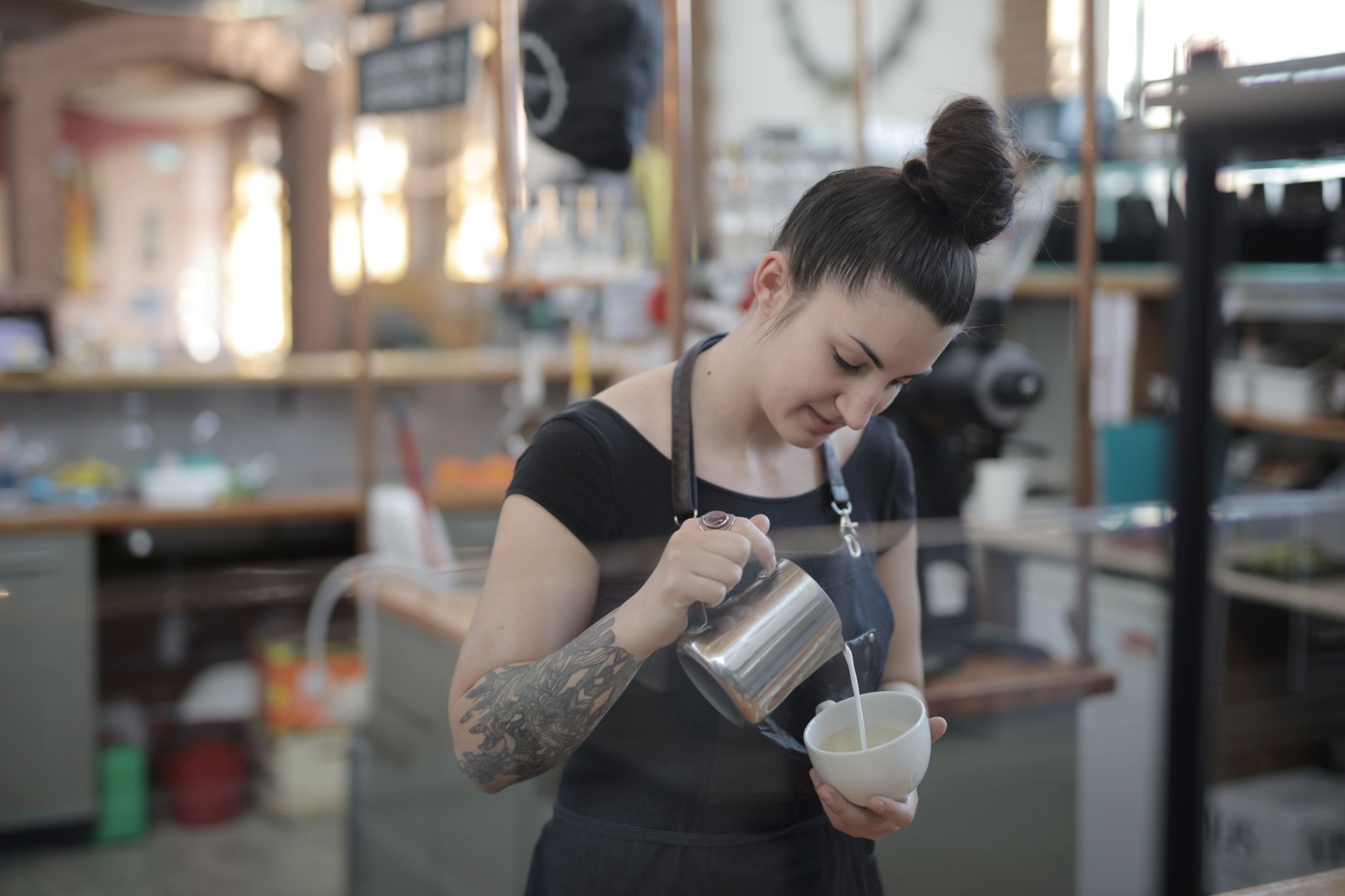
Integrating these syrups into a larger program often requires a shift in procurement. Many businesses find that moving toward wholesale coffee syrups: bulk buying for businesses allows them to stabilize their cost-per-ounce while ensuring they never run out during peak morning rushes. In the specialty coffee world, the syrup serves as a bridge between the bitter complexity of a ristretto shot and the creamy sweetness of steamed milk, creating a sensory profile that appeals to the broadest possible customer base.
Why Does Using Premium Caramel Syrup Matter for Your Business?
Using a professional caramel coffee syrup is one of the fastest ways to increase the average transaction value (ATV) of a foodservice operation. According to the National Coffee Association USA (NCA), a significant percentage of coffee consumers prefer flavored beverages, with caramel consistently ranking as a top-three preference globally. By offering a high-quality caramel latte, you are not just selling coffee; you are selling a premium experience that justifies a higher price point.
From a technical perspective, the quality of the syrup affects the texture of the latte. Low-quality syrups often contain high amounts of corn syrup or artificial thickeners that can interfere with the microfoam produced by a high-end espresso machine. When the syrup is properly balanced, it integrates seamlessly with the milk, maintaining the velvet-like texture that defines a specialty latte. I have seen numerous operators lose customers simply because their syrup "split" the milk, resulting in a watery, unappealing beverage.
Furthermore, the operational efficiency of your bar is tied to the quality of your ingredients. A syrup that pumps accurately and mixes quickly reduces the time-to-delivery for each drink. In a fast-paced environment, saving five seconds per drink across 200 lattes a day translates to nearly three hours of saved labor per week. This is why investing in a professional system is far superior to using generic bottles that require manual measuring spoons.
To see how this fits into a broader menu strategy, you might also consider best coffee syrup flavors for restaurants and cafes to create a diverse seasonal offering. By diversifying your flavors, you can drive higher engagement during the autumn and winter months when the demand for rich, sweet profiles like caramel spikes significantly.
How to Implement Caramel Syrups in a Professional Coffee Program
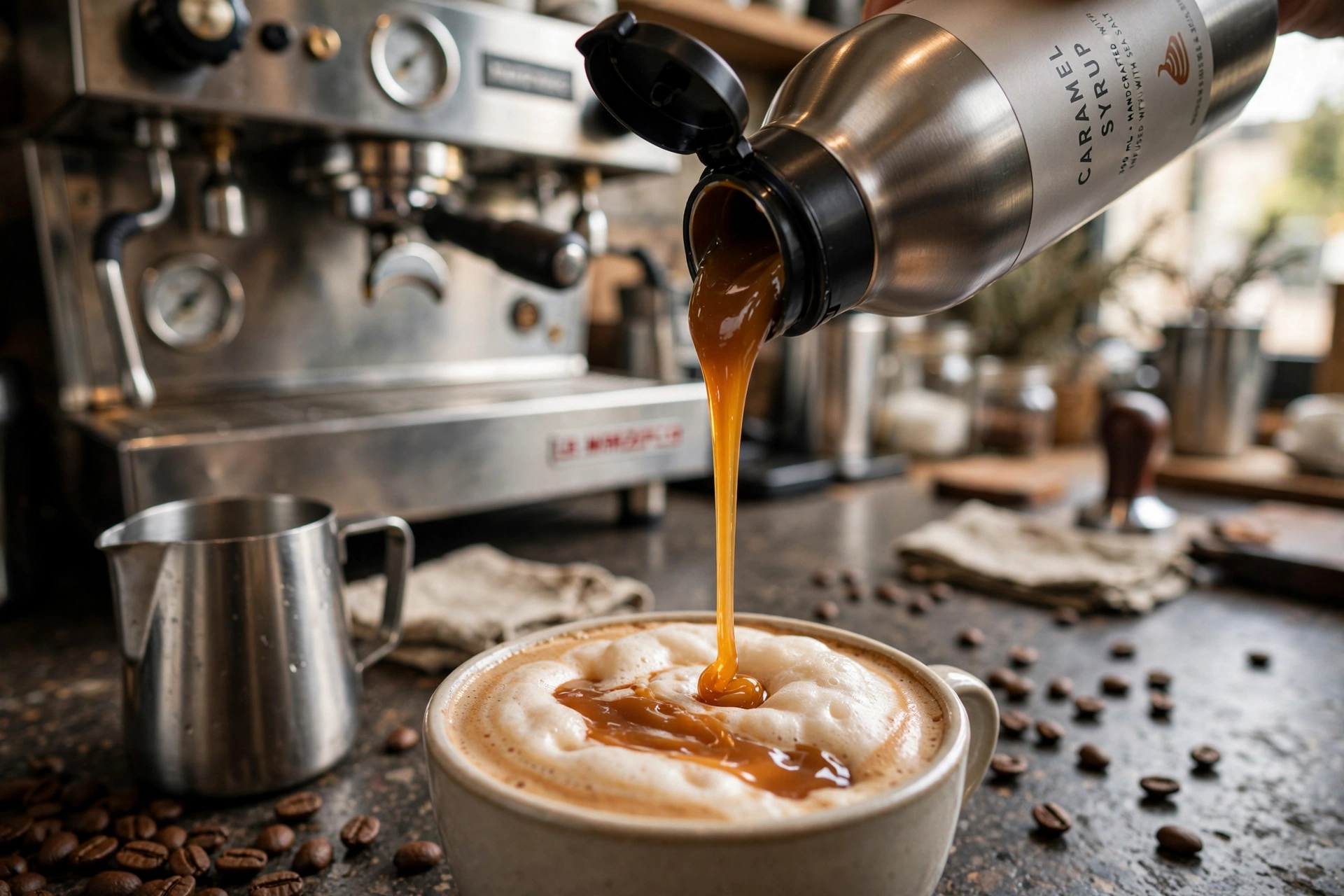
Implementing a caramel coffee syrup program requires a systematic approach to ratios and temperature. The most common mistake is adding the syrup to the milk; for a true latte, the syrup must be added to the espresso shot first. This allows the syrup to dissolve in the hot liquid before the milk is introduced, preventing "syrup pooling" at the bottom of the cup.
The Step-by-Step Commercial Workflow
- Taring and Dosing: Place the cup on the scale. Dispense exactly 0.5 to 1.0 ounces of caramel coffee syrup depending on the cup size (12oz vs 16oz). Accuracy here is vital for food cost control.
- The Shot Pull: Pull a double shot of espresso directly over the syrup. The heat of the espresso (typically around 190-200°F) acts as the catalyst for full integration.
- Stirring: Use a professional stirring tool to combine the espresso and syrup for 3-5 seconds. This ensures the sweetness is distributed evenly.
- Milk Texturing: Steam your milk to a precise 140-150°F. According to standards set by the Specialty Coffee Association (SCA), maintaining this temperature range prevents the milk from scalding, which would otherwise mask the delicate notes of the caramel.
- The Pour: Pour the textured milk into the espresso-syrup mixture using a steady stream to create a homogeneous blend and a clean microfoam top.
For those operating in specialized environments, such as healthcare, the approach remains the same. If you are managing automated coffee machines for clinics and medical offices, ensure that your syrup dispensers are calibrated to the same ratio to maintain a consistent taste profile for patients and staff.
Scaling for Volume
In high-volume settings, such as hotels or large breakfast cafes, manual pumping becomes a bottleneck. Transitioning to integrated pump systems or pre-calibrated dispensers is the only way to maintain speed. This is particularly important when you are choosing coffee syrups to elevate hotel guest experiences, where the expectation is a luxury product delivered with zero delay. Using an automated dosing system ensures that every guest receives the exact same flavor profile regardless of which staff member is behind the machine.
Caramel Coffee Syrup vs. Alternatives
When designing a menu, operators often debate between syrups, sauces, and powders. Each has a distinct impact on the final product's mouthfeel and cost structure.
| Feature | Traditional Syrups | Generic AI/Budget Syrups | Professional Coffee Syrups |
|---|---|---|---|
| Consistency | Varies by brand | High risk of crystallization | Highly stable / Standardized |
| Flavor Profile | Often too sweet/artificial | Chemical aftertaste | Balanced, rich, buttery |
| Integration | Slow to dissolve | Often "pools" at bottom | Instant heat-integration |
| Cost Impact | Moderate | Low upfront / High waste | Optimized for low waste |
While a caramel sauce (which is thicker and contains dairy) provides a more "dessert-like" experience, a caramel coffee syrup is preferred for lattes because it does not alter the viscosity of the milk. The syrup provides the sweetness and the aromatic profile of burnt sugar without making the drink feel heavy or cloying. For businesses focusing on health-conscious demographics, offering sugar free coffee syrups for office break rooms alongside the standard caramel option is a strategic move to capture 100% of the market.

Common Mistakes to Avoid in Foodservice Caramel Lattes
One of the most frequent errors I see in the field is "over-sweetening." Many operators assume that more syrup equals a better taste, but this actually destroys the balance of the beverage. When the sweetness overpowers the coffee, the customer loses the ability to taste the quality of the bean, rendering your investment in premium roast coffee pointless. A professional ratio should always emphasize the coffee first and the caramel second.
Another critical failure is neglecting the hygiene of the syrup pumps. Because caramel syrups are high in sugar, they are prone to "crusting" around the nozzle. This not only looks unprofessional but can lead to bacterial growth. According to NSF International, equipment used in food prep must be regularly sanitized to prevent cross-contamination. I recommend a daily wipe-down of all pump nozzles with a food-safe sanitizer to maintain operational standards.
Finally, many businesses fail to rotate their stock. Syrups have a shelf life, and while they don't "spoil" in the traditional sense, the flavor profile degrades over time. Using a First-In, First-Out (FIFO) system ensures that the caramel notes remain vibrant and buttery. If a syrup has been sitting for six months, it may lose its aromatic complexity, leading to a flat-tasting latte that fails to impress the customer.
💡
Key Takeaway
The success of a caramel latte depends on the ratio of syrup to espresso and the rigorous maintenance of the dispensing equipment to ensure purity and consistency.
Frequently Asked Questions
How much caramel coffee syrup should I use per 12oz latte?
In a professional setting, the standard ratio is 0.5 to 0.75 ounces of syrup for a 12oz latte. This provides a clear caramel accent without masking the espresso. If you are using a high-intensity roast, you can lean toward the lower end (0.5oz) to allow the coffee's natural chocolatey notes to shine through. Always calibrate your pumps to ensure this measurement is exact across all staff members to maintain cost control and flavor consistency.
Can I use caramel syrup in cold brew coffee?
Yes, but the integration process differs. Cold brew is denser and colder than espresso, meaning syrup doesn't dissolve as easily. I recommend stirring the syrup into the cold brew concentrate before adding ice and milk. If you simply pour the syrup on top of the ice, it will sink to the bottom and remain concentrated, resulting in a drink that is bland at the top and syrupy at the bottom. This is a common complaint in high-volume cold brew programs.
Is there a difference between caramel syrup and caramel sauce?
Absolutely. Syrup is a thin, sugar-based liquid designed to blend seamlessly into the beverage. Sauce is a thicker, cream-based condiment often containing butter or cream, designed for drizzling on top of the foam or layering on the sides of the glass. For a standard latte, use the syrup for the flavor base and the sauce for the visual presentation. Using sauce as the primary sweetener can make the drink too heavy and may affect the milk's texture.
How do I prevent caramel syrup from crystallizing in the pump?
Crystallization occurs when the syrup is exposed to air or extreme temperature fluctuations. To prevent this, ensure the bottles are stored in a cool, dry place away from direct sunlight. If crystallization occurs in the pump, you can gently warm the bottle in a warm water bath (not boiling) to liquefy the sugars. However, the best prevention is using professional-grade syrups formulated for commercial use, which contain stabilizers to prevent this issue.
Does the type of coffee bean affect the choice of caramel syrup?
Yes. If you are using a light-roast Arabica coffee with fruity or floral notes, a subtle, buttery caramel syrup is best to avoid clashing with the acidity. For darker, smokier roasts, a deeper, more "burnt sugar" style caramel syrup complements the roast's intensity. In my experience, balancing the roast profile with the syrup's sweetness is what separates a mediocre cafe from a destination specialty coffee shop.
Conclusion
Mastering the use of caramel coffee syrup in a foodservice environment is a balancing act between technical precision and flavor chemistry. By focusing on correct integration sequences, maintaining rigorous pump hygiene, and adhering to standardized ratios, you can turn a simple latte into a high-margin signature beverage. Whether you are operating a boutique cafe in Mount Pleasant, SC, or managing a large-scale hotel beverage program, the quality of your additives is just as important as the quality of your beans.
To further optimize your menu and explore other high-impact additions, we highly recommend reviewing our Ultimate Guide to Coffee Syrups for Foodservice Businesses. This will help you build a cohesive flavor strategy that increases customer loyalty and boosts your bottom line.
For those seeking a complete, hassle-free coffee solution, Busy Bean Coffee provides all-inclusive managed memberships that take the guesswork out of equipment and product sourcing.
Free Coffee Pairing Guide & Specialty Roast Cheat Sheet
Unlock the secrets of perfect brewing ratios, water temperatures, and specialty roast profiles. Download the guide.