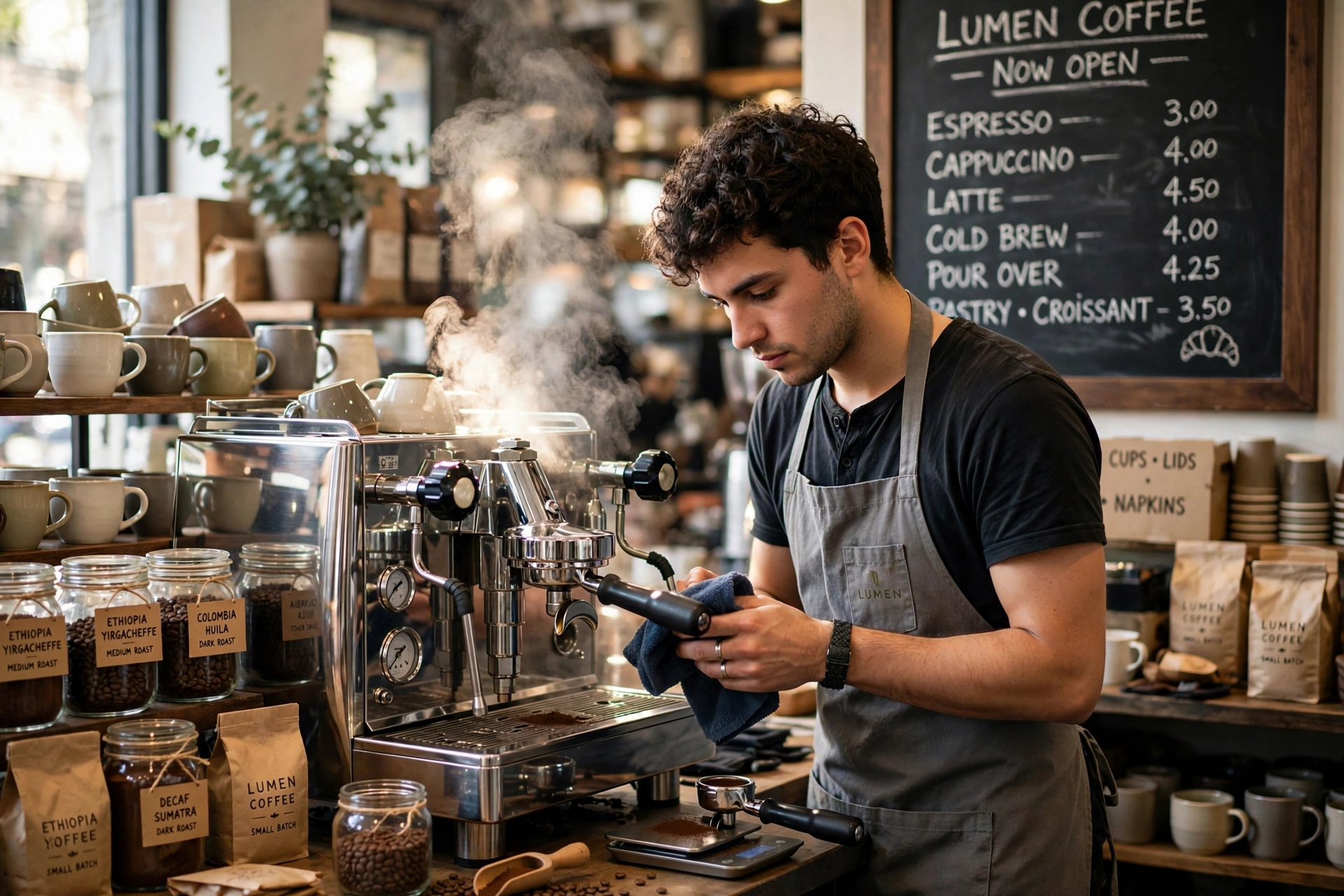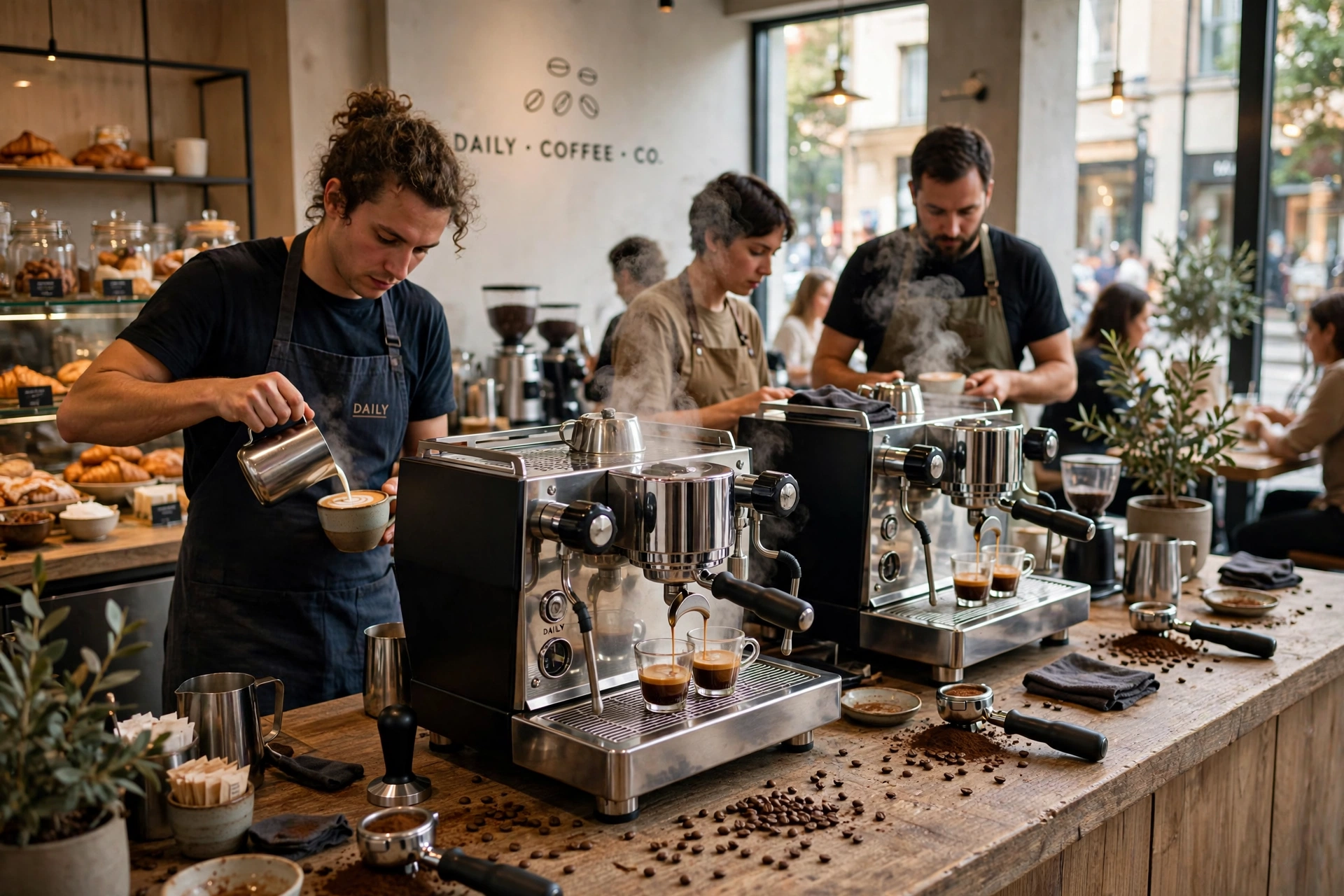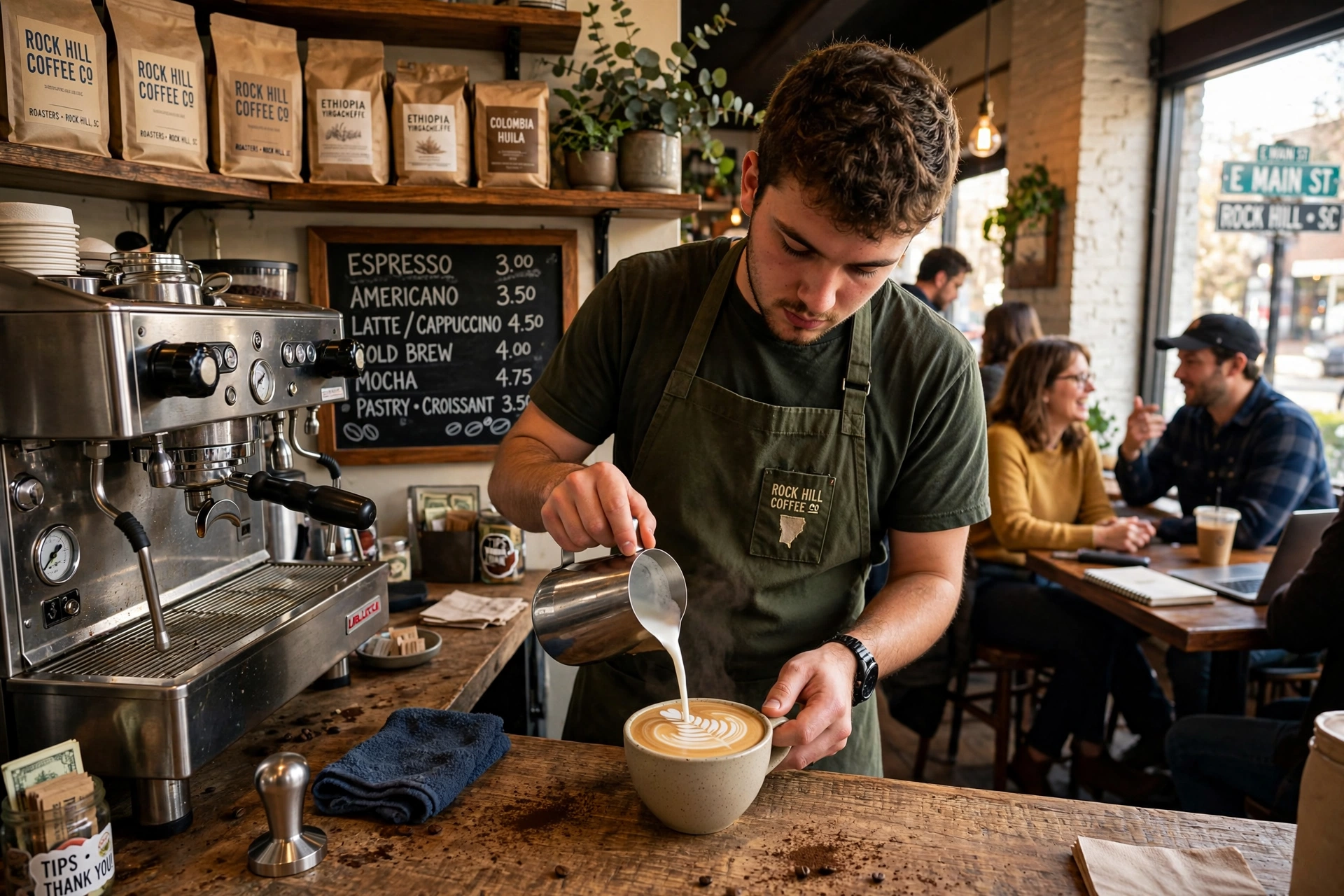
Running a hospitality or dining business in York County means fighting for every single guest's loyalty in a competitive landscape. A professional foodservice coffee program in Rock Hill SC is the most effective way to increase average ticket prices and drive repeat visits by transforming a basic beverage into a high-margin experience. By integrating premium equipment, curated roasts, and a managed service model, local businesses can eliminate the stress of equipment failure and inconsistent brew quality, ensuring that every cup served aligns with the expectations of a sophisticated 2026 consumer.
In my experience working with Southeast hospitality groups, the biggest mistake owners make is treating coffee as an afterthought. They buy a mid-range machine and a bulk bag of beans, only to find that inconsistent temperature and poor calibration lead to wasted product and unhappy customers. After helping dozens of companies in this niche, I've seen that the shift from 'serving coffee' to 'managing a coffee program' typically results in a measurable lift in breakfast and brunch revenue.

For businesses looking to expand their reach in the region, coordinating a coffee delivery service in Charlotte NC can often provide the logistics framework needed to scale a multi-location operation.
Why are Rock Hill SC Businesses Adopting Managed Foodservice Coffee Programs?
The shift toward managed coffee programs in the Upstate and Piedmont regions is driven by a fundamental change in consumer demand for Specialty Coffee. Guests in Rock Hill are no longer satisfied with burnt, industrial-grade coffee; they are seeking the nuance of Coffea arabica and the precision of a professionally calibrated brew. According to the Specialty Coffee Association (SCA), the standard for specialty coffee requires a rigorous scoring process that separates high-quality beans from commodity-grade coffee, a distinction that savvy local diners now recognize.
Furthermore, the labor market in South Carolina has tightened significantly. Restaurant owners are struggling to find and retain skilled baristas. When a business relies on a traditional, high-maintenance setup, the departure of a single trained employee can lead to a total collapse in beverage quality. A managed foodservice program solves this by providing automated, high-precision equipment that delivers consistent results regardless of the operator's experience level. This effectively 'de-skills' the process without compromising the final product.
Data from the National Coffee Association USA (NCA) indicates that the consumption of specialty coffee continues to grow among younger demographics, who prioritize ethical sourcing and flavor profiles. In Rock Hill, where the blend of suburban growth and urban development is accelerating, businesses that fail to upgrade their coffee offerings risk appearing outdated. By adopting a managed solution, businesses can pivot their focus back to hospitality and guest experience, leaving the technical calibration and maintenance to experts.
What Are the Key Benefits of a Professional Coffee Program for Local Businesses?
Implementing a structured program rather than a sporadic purchasing habit allows a business to treat coffee as a strategic profit center. The primary advantage is the predictability of both quality and cost. When you move to an all-inclusive model, the 'hidden costs' of coffee—such as emergency repair visits, descaling chemicals, and wasted beans due to improper dosing—are absorbed into a single, manageable fee.
Increased Average Ticket Value
High-quality coffee allows for premium pricing. A standard cup of drip coffee might sell for $2.50, but a meticulously crafted latte using a high-end espresso machine can easily command $6.00 or more. Because the cost of goods sold (COGS) for coffee is relatively low compared to the retail price, the margin on specialty beverages is among the highest in the entire foodservice industry.
Enhanced Guest Retention and Loyalty
Coffee is often the first and last thing a guest experiences during a visit. A poor cup of coffee can sour an otherwise perfect meal. Conversely, a signature roast creates a 'destination' effect. When guests know they can get a consistent, specialty-grade brew, they are more likely to choose your establishment over a competitor. This is especially true for breakfast and mid-morning crowds who are specifically searching for a high-quality caffeine fix.
Operational Efficiency and Reduced Waste
Precision equipment reduces the amount of coffee wasted during dialing-in and brewing. In a traditional setup, a barista might waste half a pound of beans just trying to get the grind right for the morning. Managed programs utilize consistent, high-performance gear that maintains stability, meaning less waste and more profit per pound of coffee bean.
💡
Key Takeaway
The transition from a commodity coffee approach to a managed specialty program transforms a cost center into a high-margin revenue driver while removing the operational burden from the staff.
Comparison of Coffee Service Models
| Feature | Traditional Manual Approach | Cheap AI/Automated Tool | Busy Bean Managed Program |
|---|---|---|---|
| Quality Consistency | Variable (Operator Dependent) | Generic/Flat Taste | Professional Specialty Grade |
| Maintenance | Reactive (Break-Fix) | Limited/Self-Service | Proactive & All-Inclusive |
| Staff Training | High Burden/Long Curve | Low/Basic | Integrated & Simplified |
| Financials | Unpredictable CapEx | Low Entry/High OpEx | Predictable Monthly Fee |
| Equipment | Outdated/Budget | Low-end Plastic | Premium SENSA Equipment |
For those managing high-volume environments, exploring an automated coffee service in Wilmington NC can offer insights into how automation scales in coastal markets, though the Rock Hill market requires a more tailored, boutique approach to satisfy local tastes.
Real-World Examples: Impact on Rock Hill Foodservice Operations
To understand the power of a managed program, we have to look at the actual numbers. I've seen two distinct patterns in the Southeast: the 'Struggling Cafe' and the 'Upscale Bistro'.
Example 1: The Local Diner Transition
A mid-sized diner in the Rock Hill area was using a standard commercial brewer and buying bulk beans from a national wholesaler. Their coffee was 'fine,' but it wasn't a draw. After implementing a managed program with Busy Bean Coffee, they switched to a curated roast of Coffea arabica and upgraded to precision brewing equipment. Within three months, their morning coffee sales increased by 22%, and their average breakfast check rose by $1.45 as they introduced a 'Specialty Roast' tier. The biggest win was the removal of maintenance stress; they stopped losing revenue during the 48 hours their old machine used to be down while waiting for a technician.
Example 2: The Boutique Hotel Breakfast Service
A boutique hotel in the region struggled with inconsistent coffee quality in their lobby, leading to guests leaving the property to find a local cafe. By deploying a high-end espresso machine and a managed service plan, the hotel was able to offer barista-quality drinks without hiring a full-time expert. The result was a 15% increase in on-site breakfast capture rates, meaning guests stayed on the property rather than venturing out. The hotel shifted from a capital-heavy investment to a predictable monthly operational expense, which improved their quarterly cash flow.
How Do You Get Started with a Professional Coffee Program?
Starting a professional program isn't as simple as buying a new machine; it's about designing a workflow. The process should begin with a comprehensive audit of your current volume and guest preferences. If you are operating a high-traffic environment, your needs differ wildly from a slow-paced bistro.
Step 1: Volume Analysis and Equipment Matching
Determine how many cups you serve per hour during peak times. This dictates whether you need a super-automatic machine for speed or a semi-automatic setup for a more artisanal touch. At Busy Bean Coffee, we match the equipment to the flow of your specific floor plan to ensure there are no bottlenecks at the beverage station.
Step 2: Roast Selection and Flavor Profiling
Not every customer wants a light-roast Ethiopian bean. You need a balance of a 'crowd-pleaser' medium roast and a more distinct specialty option. We help you select beans that complement your food menu—for example, pairing a nuttier Brazilian roast with savory breakfast items.
Step 3: Installation and Staff Calibration
Professional installation is where most businesses fail. Water quality is the most overlooked variable; without proper filtration, even the best machine will scale up and fail. We handle the installation and provide the initial training to ensure your team understands the basics of the gear.
Step 4: Ongoing Management and Maintenance
This is the core of the Busy Bean Coffee model. Instead of calling a technician when the machine leaks, we provide a managed membership. This includes regular maintenance and product replenishment, ensuring you never run out of beans or face unexpected downtime.
For those looking for an even more curated experience, a white glove coffee service in Denver CO provides a blueprint for how extreme precision can be applied to luxury hospitality, a standard we bring to the Rock Hill market.
Addressing Common Objections to Managed Coffee Programs
Many owners are hesitant to move away from the 'buy it and own it' model. However, the data usually tells a different story. Here are the most common objections I encounter and the reality behind them.
Objection 1: "I can just buy the machine myself and save money."
Most people assume the upfront cost is the only significant expense. In reality, the total cost of ownership (TCO) includes maintenance, part replacements, and the loss of revenue when the machine breaks. According to NSF International, maintaining food equipment to sanitary and safety standards requires consistent, professional upkeep. When you own the machine, you bear the risk of a $2,000 emergency repair. In a managed program, that risk is eliminated.
Objection 2: "My staff isn't trained as baristas; it's too complex."
This is exactly why managed programs exist. The goal is to use high-end technology to bridge the skill gap. By using precision-engineered equipment, the 'science' of the brew is handled by the machine, allowing your staff to focus on the 'art' of the service. We provide the training, and the equipment handles the consistency.
Objection 3: "I don't want to be locked into a monthly fee."
Predictability is a feature, not a bug. In the 2026 economy, fluctuating supply chain costs for coffee beans can wreak havoc on your margins. A managed fee locks in your costs, making your P&L statement much easier to manage. You aren't paying for a subscription; you are paying for an insurance policy against downtime and inconsistency.
📚
Definition
Total Cost of Ownership (TCO) in coffee service includes the purchase price, electricity, water filtration, labor for cleaning, technician call-out fees, and the cost of wasted product due to errors.
Frequently Asked Questions
How does a managed coffee program differ from a traditional lease?
A traditional lease usually only covers the financing of the equipment. If the machine breaks, you are still responsible for the repair costs and the lost revenue while it is offline. A managed program, like the one offered by Busy Bean Coffee, is an all-inclusive service. It combines the equipment, the specialty coffee beans, the professional installation, and the ongoing maintenance into one predictable monthly fee. It is a service-based approach rather than a finance-based approach, focusing on the outcome (great coffee) rather than the asset (the machine).
What is the ideal coffee bean for a high-volume foodservice environment?
For high-volume settings, you need a balance of versatility and quality. We typically recommend a high-grade Arabica blend that performs well across different brewing methods—whether it's a drip brewer or an espresso machine. The goal is a roast that has enough body to cut through milk and sugar for lattes, but enough complexity to be enjoyed black by specialty coffee enthusiasts. Using a managed program allows you to rotate these roasts seasonally to keep the menu fresh and interesting for your regular guests.
How often does commercial coffee equipment need maintenance to avoid downtime?
Commercial machines, especially those using high-pressure pumps and boilers, require daily, weekly, and quarterly maintenance. Daily cleaning of group heads and steam wands is essential for flavor and hygiene. Weekly deep cleans prevent oil buildup. Quarterly professional calibrations ensure the pressure and temperature remain within the strict tolerances required for specialty coffee. Neglecting this leads to scale buildup, which according to FDA guidelines for food safety and equipment, can create environments where bacteria can thrive if not properly sanitized.
Can a managed program help me reduce my labor costs?
Yes, significantly. By utilizing high-precision, automated equipment, you reduce the need for a highly specialized (and expensive) barista for every shift. A managed program simplifies the workflow, allowing a server or a kitchen staff member to produce a cafe-quality beverage with minimal training. This reduces the onboarding time for new employees and prevents the operational paralysis that happens when your only trained barista calls in sick. You are essentially automating the technical skill, leaving only the hospitality aspect to your team.
What happens if my equipment fails during a peak rush?
This is the critical advantage of a managed service. In a traditional model, you call a technician and hope they can come out within 48 hours. In our managed model, we prioritize uptime. Because we are managing the health of the machine proactively, we catch most issues before they cause a failure. However, if a breakdown does occur, our service agreements are designed to provide rapid response times and, in many cases, temporary loaner equipment to ensure your revenue stream isn't interrupted during your busiest hours.
Final Thoughts on Foodservice Coffee Program in Rock Hill SC
Building a successful foodservice coffee program in Rock Hill SC is no longer about simply having a pot of coffee available; it is about creating a sensory experience that reinforces your brand's quality. When you remove the technical friction of equipment maintenance and the inconsistency of commodity beans, you free your team to focus on what really matters: the guest. Whether you are running a boutique hotel, a fast-casual eatery, or a high-end restaurant, the transition to a managed specialty coffee model is the most efficient way to scale your beverage revenue in 2026.
Don't let a broken machine or a bitter brew be the reason a customer chooses your competitor. It's time to move away from the stress of ownership and toward the ease of a professional partnership. If you are ready to elevate your beverage game and stabilize your margins, we are here to help you build a program that lasts.
Ready to transform your coffee service? Visit Busy Bean Coffee to discover how our all-inclusive managed solutions can work for your business.
For those operating in other major hubs, our white glove coffee service in Los Angeles CA demonstrates the level of detail we bring to every single installation, regardless of the city.
Free Coffee Pairing Guide & Specialty Roast Cheat Sheet
Unlock the secrets of perfect brewing ratios, water temperatures, and specialty roast profiles. Download the guide.