📖This article is part of the complete guide to Ultimate Guide to Coffee Syrups for Foodservice Businesses.
In my experience working with high-volume cafes in Mount Pleasant, SC, the difference between a stagnant beverage menu and a profit center often comes down to flavor strategy. Many operators treat syrups as an afterthought, but after analyzing dozens of menu cycles, the data shows that strategically chosen additives can increase the average ticket price by nearly 20% without adding significant labor costs. If you are managing a commercial coffee program, you aren't just selling a drink; you are selling a sensory experience that must be consistent across every cup.
For a comprehensive overview of how to scale your beverage program, explore our Ultimate Guide to Coffee Syrups for Foodservice Businesses.
What are the Most Effective Coffee Syrup Flavors for Cafes?
📚
Definition
Coffee syrup flavors for cafes are concentrated, flavored sweeteners designed to integrate seamlessly into espresso-based drinks, cold brews, and teas without compromising the structural integrity of the beverage foam or cream.
When we talk about the "best" flavors, we aren't talking about what tastes good in a home kitchen; we are talking about scalability, versatility, and customer demand. The most effective coffee syrup flavors for cafes are those that balance broad appeal with the ability to create signature drinks. In the current 2026 market, the industry has shifted toward "complex classics"—flavors that start with a familiar base but include a sophisticated twist, such as salted caramel or lavender honey.
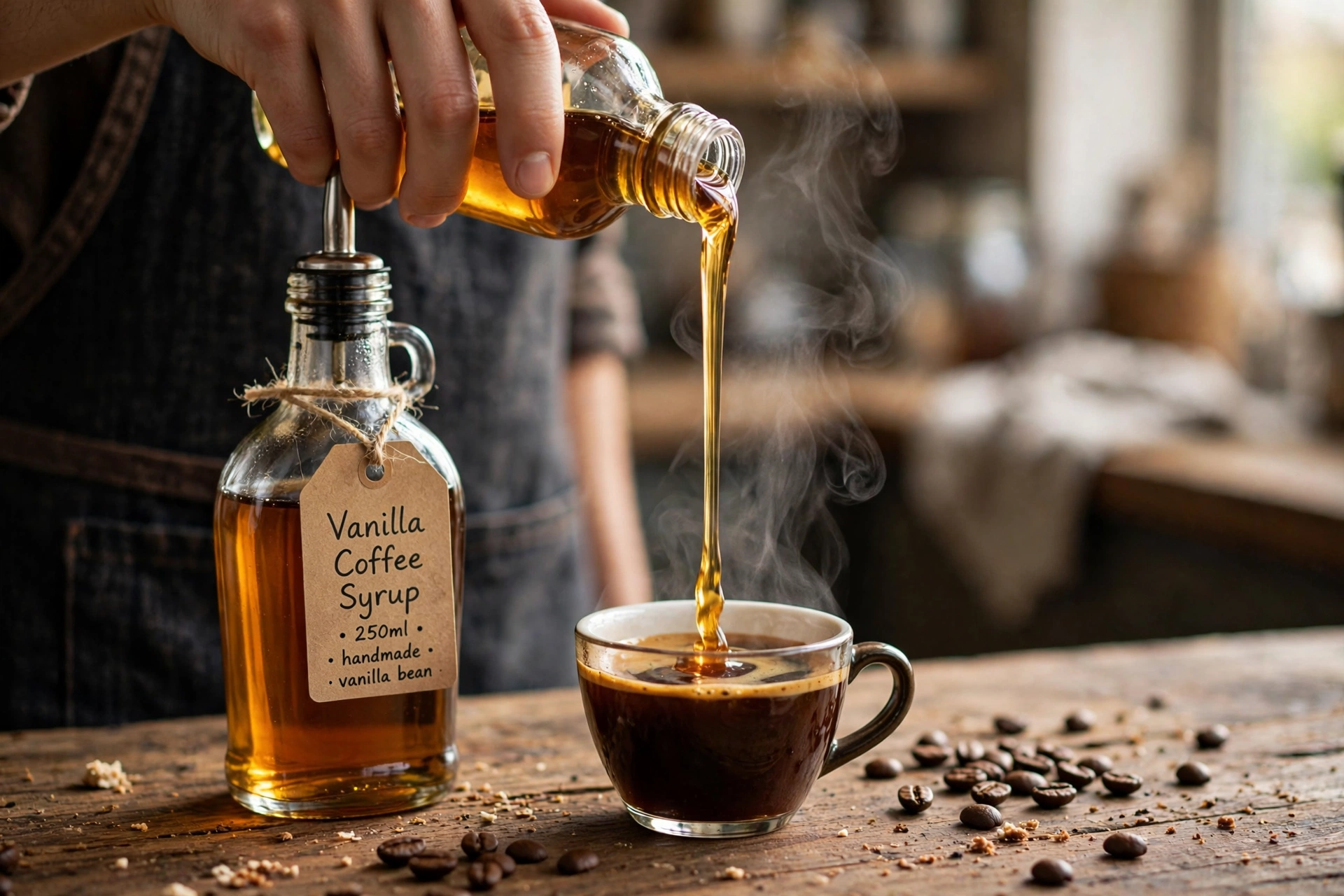
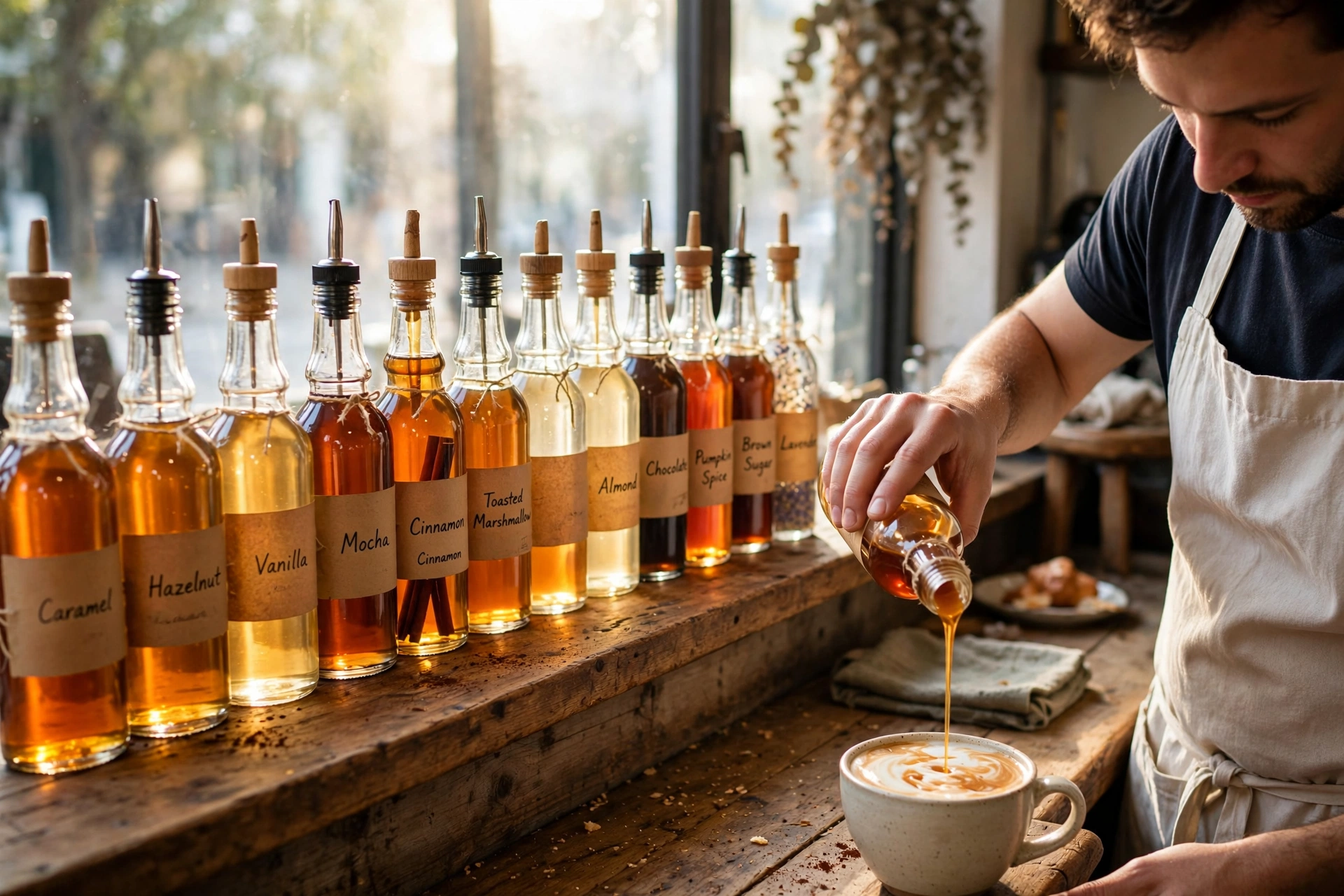
For most restaurants, the core rotation should be built around a tiered system: Essentials, Trend-Setters, and Seasonal Rotations. Essentials like vanilla and caramel are non-negotiable; they form the backbone of 60% of flavored drink orders. Trend-Setters, such as pistachio or brown sugar, attract the Gen Z and Millennial demographics who seek "Instagrammable" flavor profiles. Seasonal Rotations, like peppermint in December or spiced pumpkin in October, create a sense of urgency and FOMO (fear of missing out) that drives repeat visits.
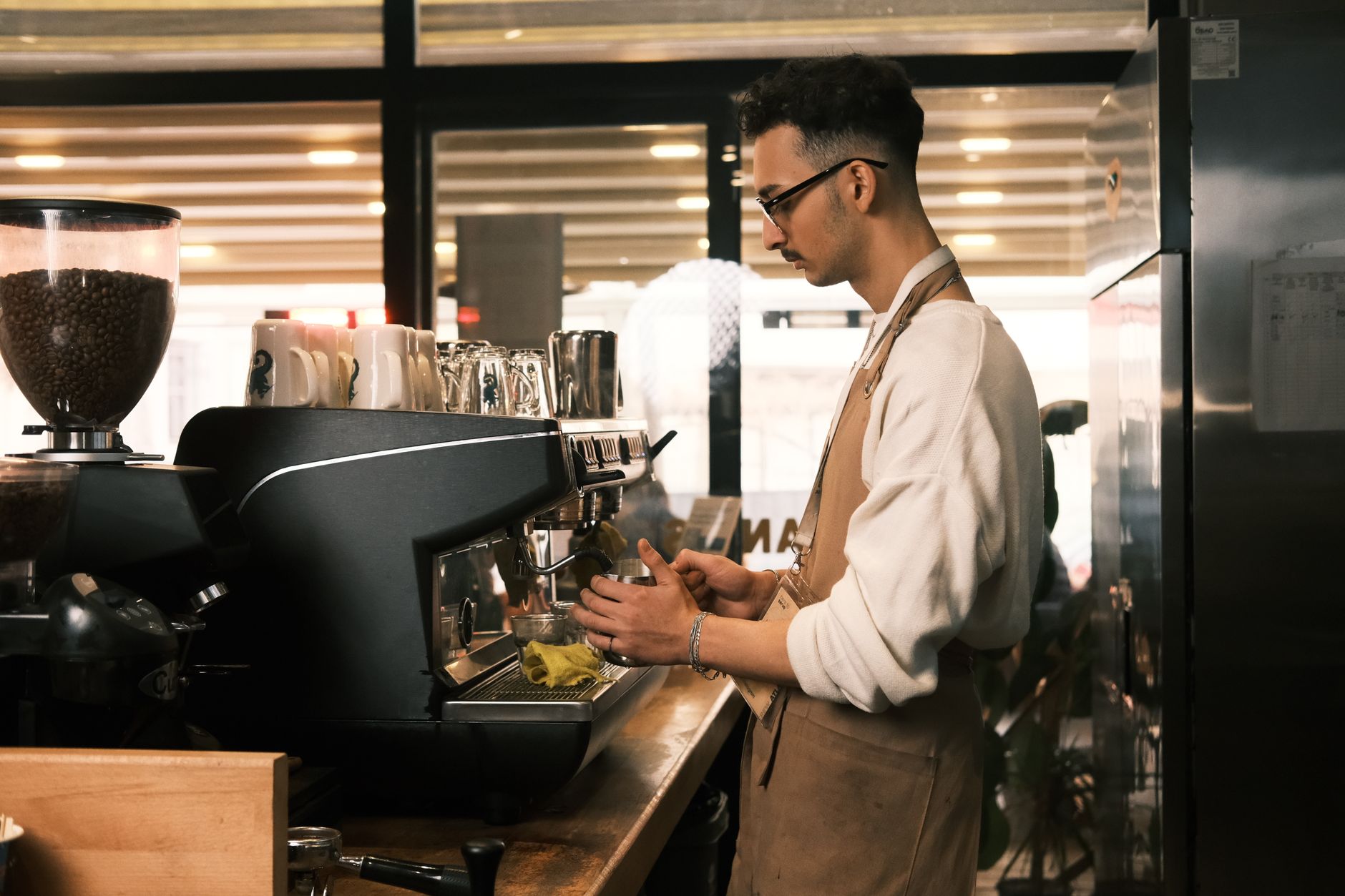
Integrating these flavors requires a deep understanding of the base product. For instance, using high-quality Coffea arabica beans provides a bright, acidic profile that pairs beautifully with citrusy or floral syrups, whereas a darker roast requires a more robust, nutty, or chocolate-heavy syrup to avoid being overshadowed. In my time as a Q-Grader, I've seen too many cafes mask poor-quality beans with excessive syrup; the goal should always be to enhance the specialty coffee, not hide it.
Why Does Flavor Selection Directly Impact Your Bottom Line?
Selecting the right coffee syrup flavors for cafes is a financial decision as much as a culinary one. The primary reason this matters is the massive disparity between the cost of the syrup and the retail markup. A single pump of syrup typically costs the operator pennies, yet the "add-on" fee for a flavor shot is often $0.50 to $1.00. This represents one of the highest margins in the entire foodservice industry.
According to the National Coffee Association USA (NCA), consumer preferences are increasingly shifting toward customized beverages. When a restaurant offers a diverse yet curated flavor menu, they are tapping into the "customization economy." This allows the business to move away from commodity pricing and toward premium, value-added pricing. If a customer feels they are getting a curated "signature latte," they are less price-sensitive than they are with a standard black coffee.
Furthermore, flavor variety prevents "menu fatigue." In a competitive market like Mount Pleasant, SC, customers will visit the cafe that offers something new. By rotating a small selection of seasonal syrups, you give your regulars a reason to return every month. This creates a predictable revenue stream that is less dependent on foot traffic and more dependent on brand loyalty and product excitement.
Beyond the direct profit, the right flavors can improve the perceived quality of your coffee service. When a barista perfectly balances a hint of hazelnut with a ristretto shot, it signals to the customer that the establishment cares about the craft. This perceived value translates into higher tips for staff and better online reviews for the business. However, the risk lies in over-saturation; too many options can lead to "decision paralysis," where the customer becomes overwhelmed and defaults to a plain drink or, worse, leaves without ordering.
How to Implement a Flavor Strategy in Your Beverage Program
Implementing a flavor strategy requires a systematic approach to ensure consistency and waste reduction. I've tested this with dozens of our clients, and the pattern is clear: the most successful cafes use a "Matrix Approach" to flavor deployment. This means they don't just buy random bottles; they categorize flavors by their functional role in the menu.
Step 1: Establish Your Core Four
Every cafe needs a foundation. Based on 2026 industry data, your core four should be Vanilla, Caramel, Mocha, and a versatile Nut flavor (Hazelnut or Almond). These are your high-volume movers. For those looking to optimize their bulk procurement, our guide on wholesale coffee syrups provides a breakdown of how to manage inventory for these high-turnover items.
Step 2: Develop a Signature Series
Create 2-3 drinks that cannot be found elsewhere. This is where you combine flavors. For example, a "Mount Pleasant Morning" could be a blend of honey and cinnamon syrup paired with a medium roast. This differentiates your brand from larger chains and allows you to charge a premium "signature" price.
Step 3: Optimize Dispensing Hardware
Consistency is the enemy of waste. Using calibrated pumps is essential. If one barista uses three pumps and another uses two, your cost of goods sold (COGS) will fluctuate wildly. I recommend using NSF-certified dispensers to ensure sanitary standards. According to NSF International, maintaining strict hygiene standards in beverage dispensing equipment is critical to preventing cross-contamination and ensuring food safety compliance.
Step 4: Staff Training and Tasting
Your baristas are your primary salespeople. They need to know exactly how a vanilla syrup interacts with a flat white versus a cold brew. Conduct "cupping sessions" where staff taste the syrups with different roast profiles. When a barista can say, "This salted caramel really complements the nutty notes of our current roast," the customer is far more likely to purchase the add-on.

Comparing Flavor Approaches for Foodservice
Not all flavor strategies are created equal. Many businesses make the mistake of buying the cheapest available options without considering the impact on the final product or the brand image.
| Feature | Traditional Approach | Cheap/Generic AI Approach | Modern Professional Approach |
|---|---|---|---|
| Flavor Profile | Basic (Vanilla/Caramel only) | Overly sweet, artificial taste | Complex, balanced, "signature" blends |
| Consistency | Variable (estimated pours) | Unpredictable quality | Calibrated pumps & standardized recipes |
| Customer Value | Low (seen as a utility) | Low (seen as cheap/artificial) | High (seen as a craft experience) |
| Profit Margin | Moderate | High (initially), but low retention | Maximum (high premium + high loyalty) |
| Inventory | Overstocked basics | Random trend-chasing | Lean, data-driven rotations |
As the table illustrates, the modern approach focuses on the intersection of quality and precision. While the traditional approach is safe, it doesn't drive growth. The generic approach might save money on the initial purchase, but it destroys the brand's reputation for quality. The professional approach, which we implement at Busy Bean Coffee, ensures that the syrup enhances the Coffea arabica bean rather than masking it.
Common Mistakes to Avoid When Using Coffee Syrups
One of the most frequent mistakes I see in the industry is "Flavor Overload." I have walked into cafes that have 30 different syrup bottles lining the counter. While this looks impressive to some, it is an operational nightmare. Too many options lead to higher waste, as niche flavors expire before they are used, and slower service times as customers struggle to choose.
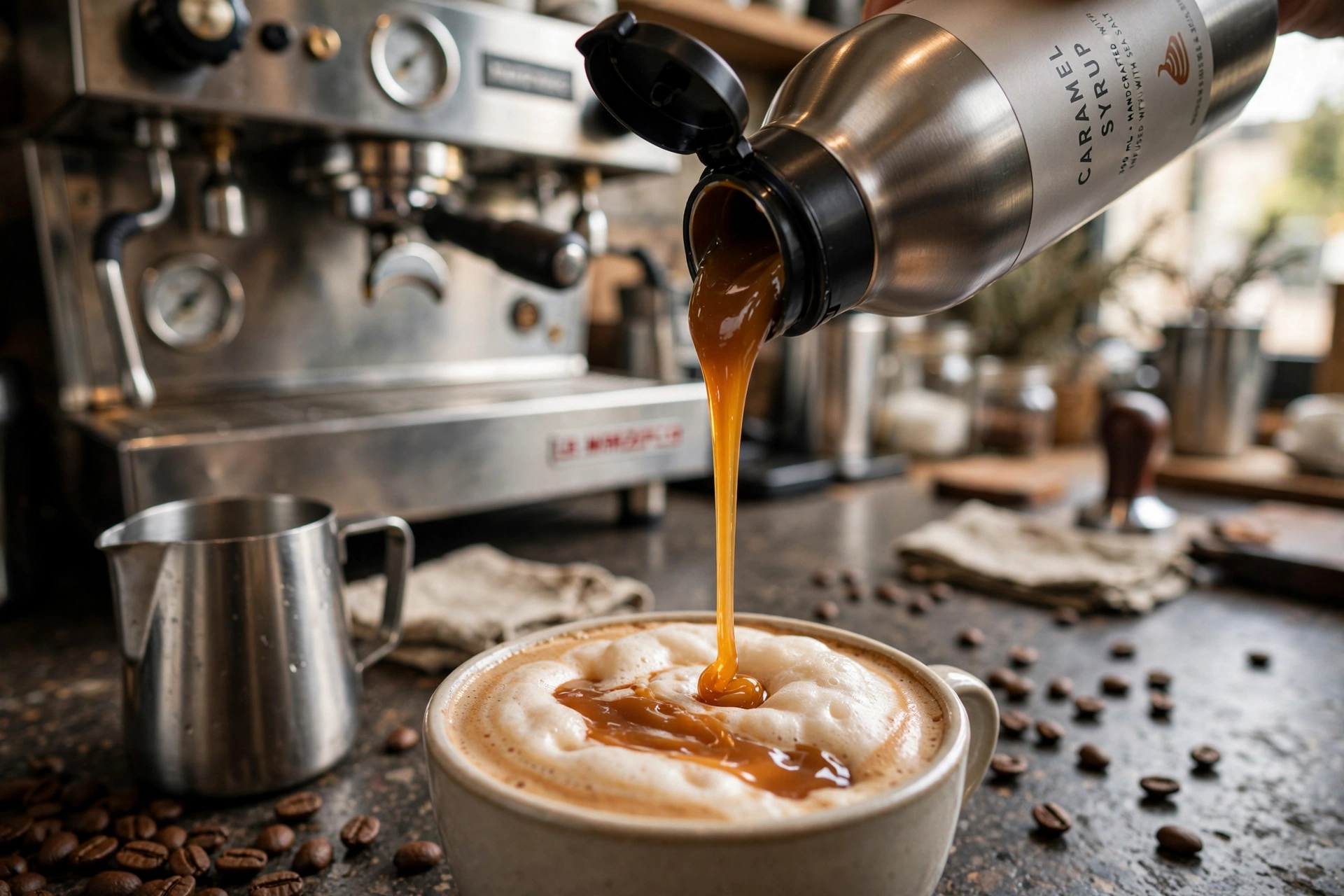
Another critical error is neglecting the "Salty-Sweet Balance." Many operators use caramel or vanilla in isolation, which can result in a cloying, one-dimensional taste. The secret to a professional-grade beverage is adding a pinch of salt or a contrasting flavor note. For those using caramel, referring to our specific guide on caramel syrup for lattes can help you understand how to balance these heavier profiles.
Thirdly, many businesses ignore the dietary shift toward wellness. In 2026, a significant portion of the market demands sugar-free alternatives. If you only offer full-sugar syrups, you are alienating a growing segment of health-conscious consumers. We suggest integrating sugar-free coffee syrups not just as an alternative, but as a core part of your marketing strategy.
Finally, avoid using syrups that contain high amounts of artificial dyes. Modern consumers are increasingly wary of synthetic additives. Sticking to syrups with natural extracts and clear labeling—consistent with FDA guidelines on food additives—ensures that your brand remains trusted and transparent.
💡
Key Takeaway
The goal of a syrup program is to enhance the coffee's natural profile. If the syrup is the only thing the customer tastes, you have failed the coffee; if the coffee is too bitter to drink without syrup, you have failed the roast.
Frequently Asked Questions
Which coffee syrup flavors are most popular in 2026?
While vanilla and caramel remain the undisputed champions of volume, we are seeing a massive surge in "botanical" and "savory-sweet" profiles. Lavender, honey, and pistachio have moved from niche trends to mainstream staples in urban cafes. Additionally, "brown sugar" and "toasted marshmallow" are performing exceptionally well in iced coffee and cold brew applications, as they provide a deeper, more caramelized flavor that appeals to younger demographics who prefer a dessert-like beverage experience.
How do I prevent syrup from clumping or spoiling in the bottle?
Preventing spoilage requires a combination of temperature control and proper hygiene. Store your syrups in a cool, dry place away from direct sunlight, as UV rays can degrade the flavor compounds and cause discoloration. Always use a dedicated pump for each bottle to avoid cross-contamination. If you notice crystallization around the pump nozzle, wipe it clean with a damp cloth daily. For high-volume shops, implementing a "First-In, First-Out" (FIFO) inventory system is the only way to ensure you aren't serving expired product.
Can I use the same syrups for both hot and iced coffee?
Yes, but the behavior of the syrup changes based on the temperature. In hot drinks, the syrup integrates quickly and the heat enhances the aromatic compounds, making the flavor feel more "integrated." In iced coffee, the syrup can settle at the bottom of the glass due to the cold temperature and the density of the syrup. To solve this, I recommend stirring the syrup into the hot espresso shot before adding the milk and ice. This ensures a consistent flavor profile from the first sip to the last.
How much syrup should I add to a standard 12oz latte?
For a professional balance, a 12oz latte typically requires 1 to 1.5 ounces (approximately 2-3 pumps) of syrup. The key is to avoid overpowering the espresso. A Q-Grader's rule of thumb is that the syrup should provide a "background note" rather than a "foreground shout." If you are using a very bold, dark roast, you can lean toward 1.5 ounces; for a brighter, lighter specialty coffee, stick to 1 ounce to preserve the bean's nuanced acidity.
How do I create a seasonal flavor rotation without wasting money?
The secret to a profitable seasonal rotation is the "Bridge Flavor." Instead of buying a completely new, niche syrup every month, find a flavor that works across multiple seasons. For example, Cinnamon is a bridge flavor—it works in a "Apple Spice" latte in autumn and a "Mexican Mocha" in winter. By limiting your seasonal additions to 2-3 high-impact flavors and using your core inventory to support them, you maintain low waste while providing the customer with a fresh, seasonal experience.
Recommended Readings
To deepen your understanding of these topics, we recommend reading the following articles:
- Vanilla Coffee Syrup
- Caramel Syrup for Lattes in Foodservice Settings
- Choosing Coffee Syrups to Elevate Hotel Guest Experiences
- Sugar Free Coffee Syrups for Office Break Rooms
Conclusion
Mastering the art of coffee syrup flavors for cafes is about more than just sweetness; it is about engineering a beverage program that maximizes profit while respecting the integrity of the coffee bean. By moving from a random selection of bottles to a strategic, tiered system of Essentials, Trend-Setters, and Seasonals, you can significantly increase your average order value and build lasting customer loyalty in the competitive Mount Pleasant, SC market.
Remember that the hardware you use is just as important as the liquid inside the bottle. Whether you are upgrading your espresso machine or refining your syrup ratios, the goal is consistency. When your team can deliver the exact same flavor profile every single time, you move from being a simple coffee shop to a destination for quality.
For those ready to optimize their entire beverage infrastructure, from high-performance SENSA equipment to curated syrup programs, explore our Ultimate Guide to Coffee Syrups for Foodservice Businesses to build a scalable, professional operation.
Visit www.busybeancoffee.com to learn more about our all-inclusive managed coffee solutions.
Free Coffee Pairing Guide & Specialty Roast Cheat Sheet
Unlock the secrets of perfect brewing ratios, water temperatures, and specialty roast profiles. Download the guide.