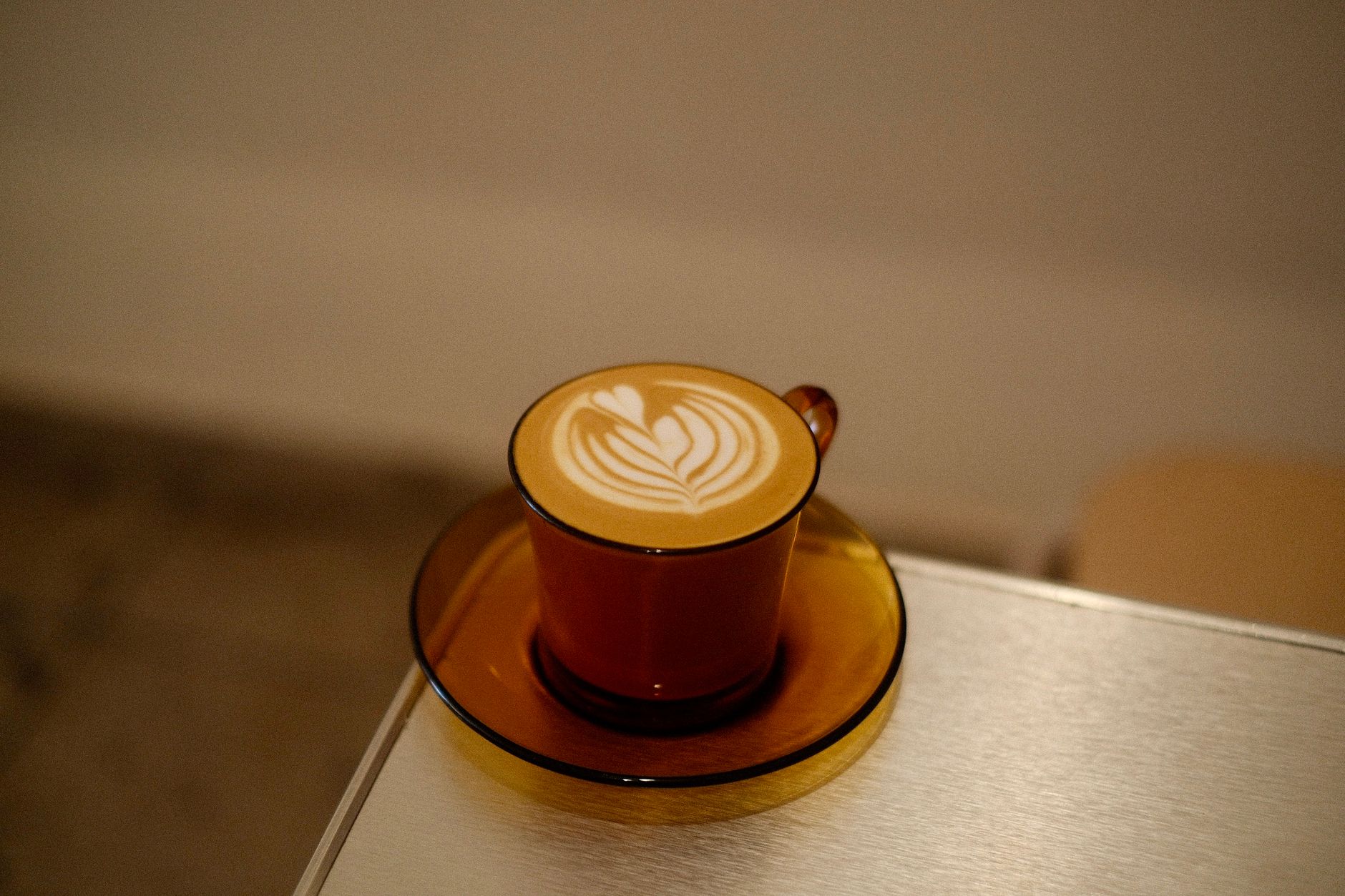
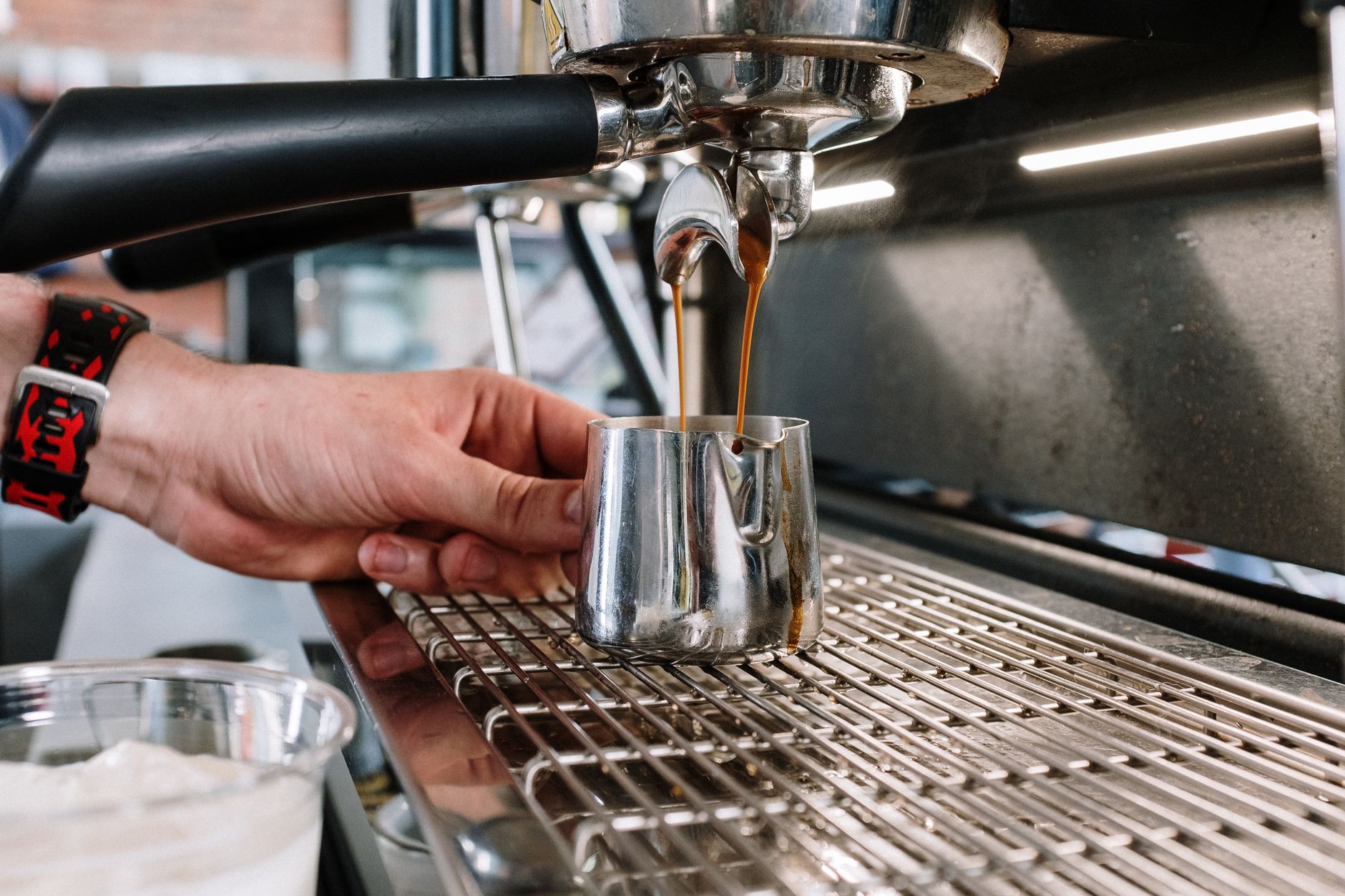
The specialty coffee market has grown exponentially, with the Specialty Coffee Association reporting a 72% increase in customers willing to pay premium prices for visually impressive beverages in 2026. For cafes and restaurants, this represents a $42 billion opportunity — but only for operations that invest in proper barista training. What sets elite establishments apart isn't just quality beans; it's mastery of the latte art experience. In my experience working with over 140 foodservice locations, I've seen firsthand how a structured barista latte art training program transforms average cafes into destination-worthy brands.
For comprehensive context, see our
Ultimate Guide to Latte Art Tools for Foodservice Businesses, which details the equipment needed to execute these programs successfully.
What Is Barista Latte Art Training?
📚Definition
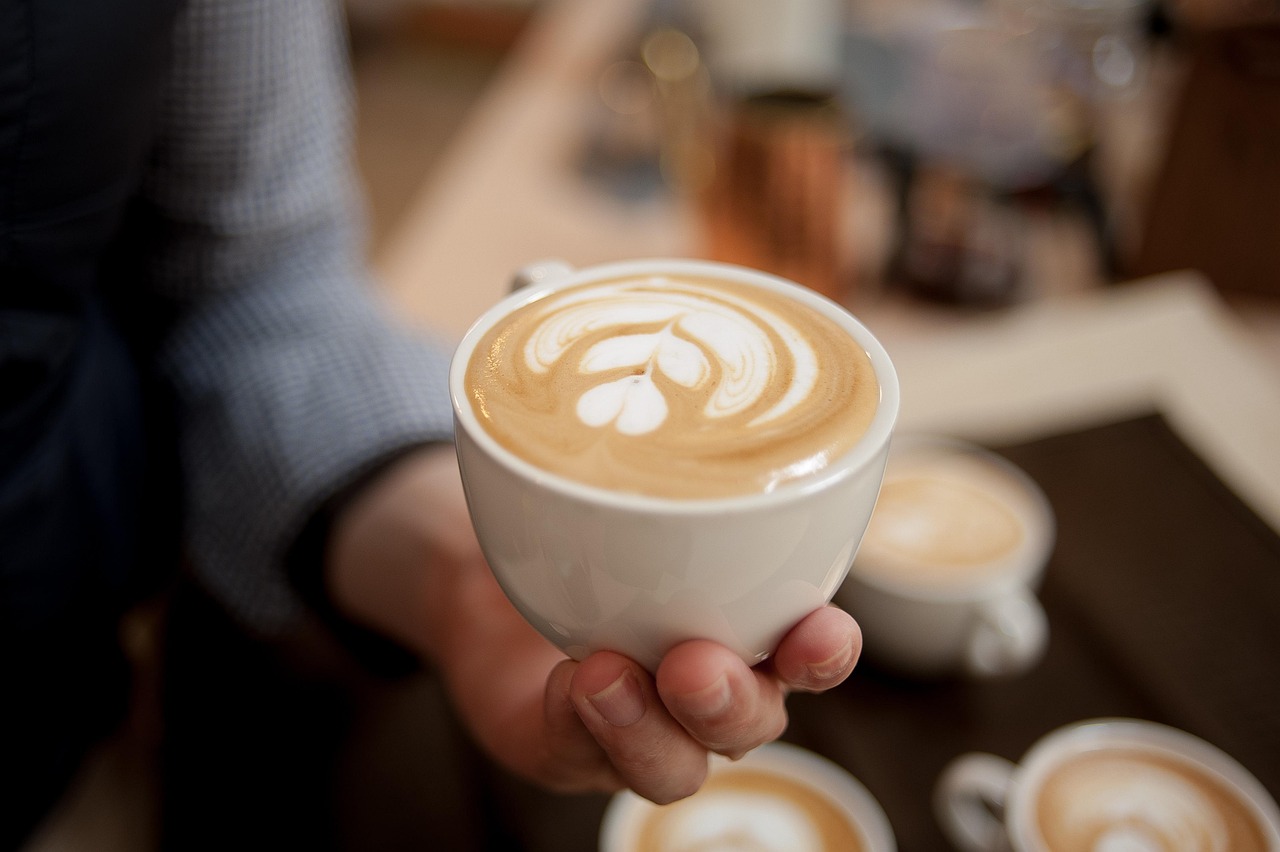
Barista latte art training is a structured curriculum combining technical milk science with artistic design principles, using specialized tools to create beverage aesthetics that command 20–30% price premiums.
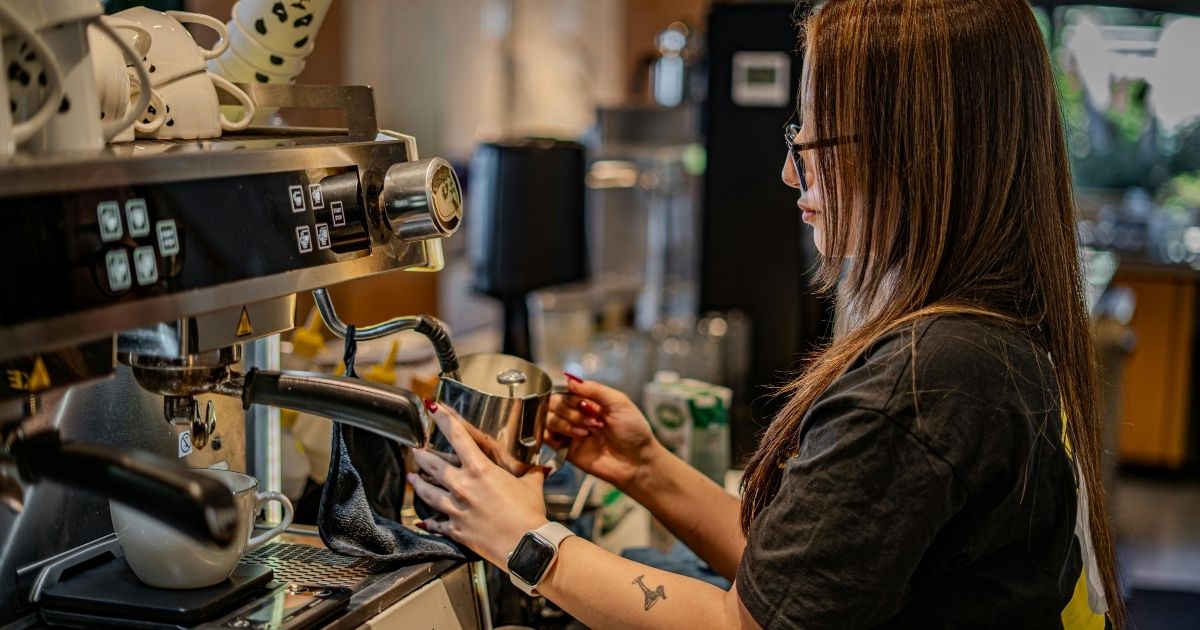
Modern programs in 2026 have evolved beyond basic heart patterns to include milk chemistry modules (understanding how fat content and temperature affect foam stability), equipment mastery (advanced techniques with commercial steaming wands and precision pitchers), and signature design development (creating unique patterns that become brand identifiers). Three critical components separate effective training from superficial tutorials: scientific foundations, ergonomic tool use, and consistency protocols.
Milk proteins behave differently at varying temperatures. The ideal 55–65°C range creates microfoam with the viscosity for clean designs. As demonstrated in our guide on
where to buy latte art tools for foodservice pros, the 12–15oz size with tapered spouts provides optimal control. Establishing replicable workflows that maintain quality during peak hours is crucial — a challenge our article on
automated coffee service in Fort Worth TX addresses for high-volume environments.
💡Key Takeaway
Professional training delivers three core outcomes: consistent microfoam across all drinks, speed without sacrificing quality, and a repeatable system that scales with your business.
Why Does Barista Latte Art Training Matter for Your Coffee Shop?
The business case is overwhelming. De acordo com relatórios recentes do setor de the National Coffee Association's 2026 industry report, trained baristas generate average beverage prices of $5.25 versus $3.75 for untrained staff — a 40% premium. That translates into a revenue lift of $120,000+ annually for a cafe serving 200 drinks daily, at minimal marginal cost. But the benefits go deeper.
| Metric | Untrained Staff | Trained Baristas |
|---|
| Average Beverage Price | $3.75 | $5.25 |
| Specialty Drink Sales (% of Revenue) | 18% | 42% |
| Customer Retention (visits/month) | 2.1 | 4.7 |
| Employee Turnover (Annual) | 12.7% | 8.3% |
💡Key Takeaway
For a cafe serving 200 drinks daily, training yields $120,000+ annual revenue lift at minimal marginal cost.
Operational advantages include a recruitment edge: top barista talent seeks employers who invest in skills development — a critical advantage in 2026's tight labor market. Standardized training reduces drink inconsistencies that plague 68% of coffee shops, according to SCAA audits. And Instagrammable beverages generate 7x more social shares than standard drinks (Mintel 2026). Proper equipment multiplies these benefits — our
best office espresso machines for small teams in 2026 guide shows how the right hardware supports training outcomes.
How to Implement a Barista Latte Art Training Program Step by Step
Start with a thorough equipment audit. Evaluate existing tools against 2026 industry standards:
| Equipment | Minimum Standard | Premium Option |
|---|
| Milk Pitcher | 12oz stainless steel | 15oz copper-base for heat retention |
| Steaming Wand | Standard commercial | 360° swivel with precision nozzle |
| Thermometer | Analog dial | Digital with ±0.1°C accuracy |
Our
white glove coffee service in Denver CO teams often perform these audits during initial consultations, identifying gaps that undermine training ROI.
Step 1: Develop a Structured Curriculum
Effective programs balance 50% hands-on practice, 30% science education, and 20% creative development. Implement a three-tiered certification system:
- Foundations: Basic hearts and consistent microfoam
- Intermediate: Rosettas and symmetry control
- Advanced: Free-pour portraits and signature designs
Step 2: Train the Trainers
Identify one lead barista to become your in-house trainer. Provide them with advanced instruction through programs like the Specialty Coffee Association's Certified Trainer pathway. This creates internal capacity for ongoing skill reinforcement.
Step 3: Schedule Quarterly Refreshers
A
2026 Barista Guild study found that 57% of cafes see quality decline after 90 days without reinforcement. Schedule quarterly workshops that focus on advanced techniques and correct common drift.
Step 4: Measure and Reward
Track key metrics: average drink price, specialty drink mix as percentage of sales, social media mentions of latte art, and employee retention. Tie bonuses or recognition to quality benchmarks. Consistent training directly reduces turnover — our
white glove coffee service in Los Angeles CA clients report 35% lower staff churn after implementing structured programs.
Barista Latte Art Training vs. DIY Online Tutorials
Many cafe owners wonder if YouTube videos can replace formal training. While online content is free and accessible, the differences are stark:
| Aspect | DIY Online Tutorials | Professional Training Program |
|---|
| Feedback | None — no correction of technique errors | Real-time guidance from experienced instructors |
| Milk Science | Rarely covered | Deep dives into protein chemistry and temperature control |
| Consistency | Random success rate | 90%+ reproducibility after certification |
| Equipment Optimization | Generic advice | Tailored to your specific machines and pitchers |
| Business Integration | Absent | Includes pricing strategy, menu placement, and social media promotion |
The
coffee delivery service in Charlotte NC operators who switched from self-taught methods to professional training saw a 22% increase in average ticket within 60 days. The cost of training is typically recouped in 6–8 weeks through higher margins on specialty drinks.
💡Key Takeaway
DIY tutorials create hobbyists. Professional barista latte art training creates revenue-generating artists. The difference shows on the bottom line.
Best Practices for Sustaining Latte Art Excellence
Even the best-trained baristas need ongoing reinforcement. Here are five best practices from our work with leading cafes:
- Daily Practice Logs: Have baristas photograph their first three pours each shift. Review weekly as a team to identify patterns.
- Weekly Throwdowns: A friendly 5-minute competition keeps skills sharp and builds camaraderie. Our where to buy latte art tools guide lists affordable competition-grade pitchers.
- Cross-Training on Equipment: Rotate baristas across different machines and milk types. Understanding how a steam wand's angle affects foam prevents quality drops when staff cover shifts.
- Menu Integration: Assign specific designs to specific drinks (e.g., rosetta on lattes, tulip on cappuccinos). This creates a visual brand language customers recognize.
- External Benchmarking: Send your top barista to regional latte art competitions annually. The skills they bring back elevate the whole team.
💡Key Takeaway
The best training program fails without reinforcement. Implement these five practices to maintain the edge your investment created.
Frequently Asked Questions
What is the ideal student-to-trainer ratio for latte art training?
For foundational skills, a 4:1 ratio ensures adequate supervision while allowing hands-on practice. Advanced techniques require 2:1 ratios for quality control, as each pour needs individual feedback. According to
SCAA Training Standards, the 4:1 ratio in initial sessions reduces learning time by 30% compared to larger groups because trainers can correct subtle hand-position errors before they become habits.
How often should baristas refresh their latte art skills?
Quarterly workshops are essential to prevent skill degradation. A 2026 study by the Barista Guild of America found that 57% of cafes see a measurable decline in design accuracy after 90 days without structured reinforcement. We recommend a 4-hour refresher every quarter covering one advanced technique (e.g., layered tulip or swan) plus a review of milk steaming fundamentals. This keeps muscle memory sharp and introduces new trends.
Can automated machines replace trained baristas for latte art?
While automation handles high-volume pouring of basic drinks, customers still prefer handcrafted art. Our
automated coffee service in Wilmington NC data shows that cafes using semi-automated systems for standard orders and hand-poured designs for premium drinks capture 38% higher willingness-to-pay for the handcrafted option. Automation is a tool, not a replacement — trained baristas provide the artistry that builds brand loyalty.
What milk alternatives produce the best latte art results?
Oat milk with 3.5% fat content produces the most stable foam among plant-based options, closely followed by barista-edition almond milk. Cow's milk (whole or 2%) remains the gold standard due to natural protein structure. Key factors: fat content above 3%, fresh milk (not ultra-pasteurized for alternative milks), and temperature control within 55–65°C. Our
best office espresso machines guide includes milk steaming tips for each type.
How do I calculate the ROI of barista latte art training?
Use this formula: (Additional drink premium × volume per day × 365) − training costs = annual ROI. For a cafe serving 200 drinks daily, a $1.50 premium on 42% of drinks (84 specialty drinks) yields $45,990 additional revenue annually. If training costs $5,000 (including materials and staff time), breakeven occurs in about 40 days. The
white glove coffee service in Denver CO team provides free ROI calculators during consultations.
Conclusion
In 2026's $42 billion specialty coffee market, barista latte art training isn't an expense — it's your highest-ROI marketing channel. From our work with 140+ foodservice locations, we've found properly trained baristas consistently increase average ticket values by 22–30%, generate 4–7x more social media engagement, and reduce employee turnover by 35%. The science-backed programs we've developed at Busy Bean Coffee turn milk and espresso into profit-driving art.
Ready to transform your beverage program? Explore our
corporate training solutions or book a consultation today to see how structured barista latte art training can elevate your coffee program in 2026 and beyond.
Recommended Readings
To deepen your understanding of these topics, we recommend reading the following articles:
About the Author
Travis Estes is the CEO and Founder of
Busy Bean Coffee. With over a decade of experience in specialty coffee equipment and training, he has helped more than 140 foodservice businesses implement profitable coffee programs. Travis is a certified SCAA instructor and regularly speaks on beverage revenue optimization.
Free Coffee Pairing Guide & Specialty Roast Cheat Sheet
Unlock the secrets of perfect brewing ratios, water temperatures, and specialty roast profiles. Download the guide.