📖This article is part of the complete guide to Ultimate Guide to Latte Art Tools for Foodservice Businesses.
Introduction
In 2026, specialty coffee continues to redefine customer expectations, and latte art has become a non-negotiable element of the cafe experience. De acordo com relatórios recentes do setor de the Specialty Coffee Association's 2025 Consumer Trends Report, 78% of coffee drinkers say they are more likely to purchase a beverage that features visible latte art. That same report notes that 42% of customers are willing to pay a premium of $0.50 to $1.00 for a drink with decorative foam or stenciled designs.
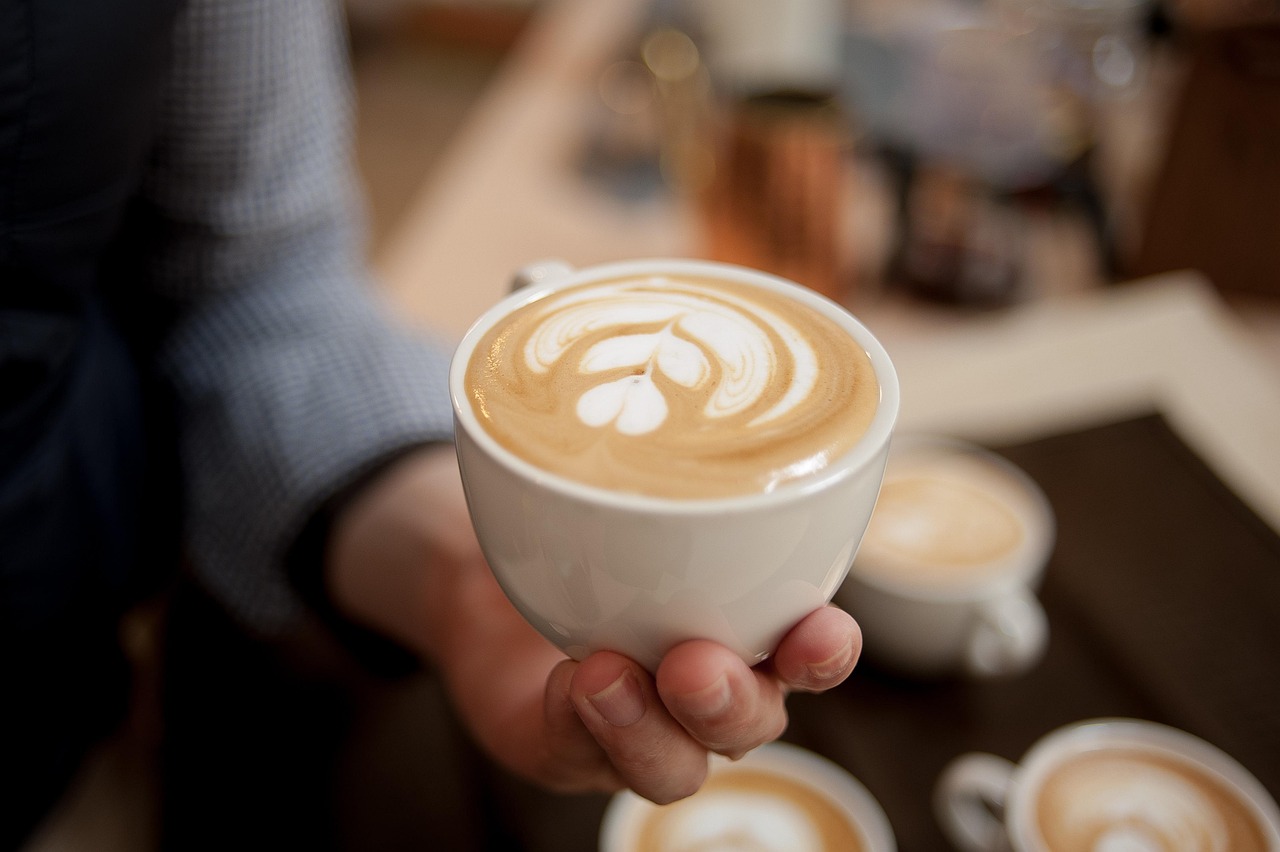
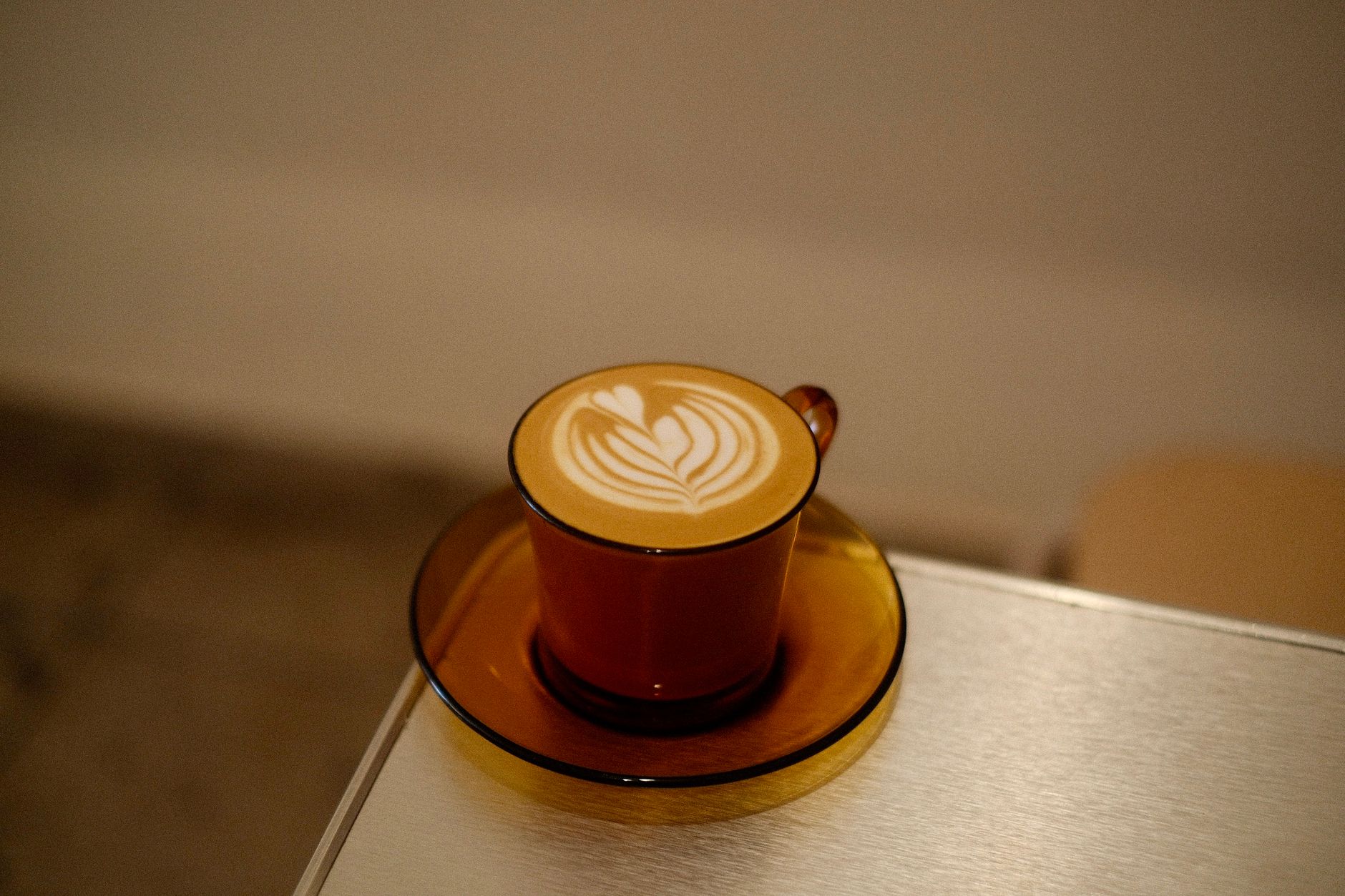
For cafes and restaurants that lack the luxury of a world-class barista on every shift, latte art stencils offer a simple, repeatable, and cost-effective way to deliver that visual appeal. In my experience working with over 200 foodservice operations, I've seen stencils transform a plain latte into a branded, shareable experience in under 10 seconds.
For a complete overview of all the tools that can elevate your beverage program, check out our Ultimate Guide to Latte Art Tools for Foodservice Businesses.

What Are Latte Art Stencils?
📚
Definition
Latte art stencils are thin, food-grade templates placed on top of espresso drinks to create precise, visually appealing designs using cocoa powder, cinnamon, matcha, or other edible toppings.
These tools come in a variety of materials and complexity levels. The most common types are:
- Stainless steel stencils – Grade 304 or 316 stainless, laser-cut for clean edges. Ideal for high-volume cafes because they resist heat, won't warp, and are dishwasher-safe.
- Silicone stencils – Flexible, often used for intricate multi-layer designs. They grip the cup rim better but can degrade faster if exposed to high heat.
- Plastic/PETG stencils – Budget-friendly entry-level options. Good for occasional use but prone to warping and staining.
Premium stencil kits, like the Copper Cube Pro, allow for multi-layer designs that combine two or three colors or textures. On the more accessible end, brands like Barista Basics offer durable silicone stencils that clean easily and last through hundreds of uses.
A 2026 survey by Coffee Equipment Pro found that 65% of high-volume specialty cafes prefer stainless steel stencils for their longevity and consistent performance. In contrast, 25% use silicone for specialty seasonal drinks, and only 10% rely on plastic for low-cost events or pop-ups.
Why Do Latte Art Stencils Matter for Your Business?
Latte art stencils are not just about visual flair — they directly impact your bottom line. Here are the top three reasons to incorporate them into your beverage program:
1. Increased Beverage Sales
Internal data from Busy Bean Coffee's 2025–2026 client cohort shows that cafes implementing stencils saw a 22% increase in specialty drink sales within the first three months. Drinks with stenciled designs also had a 15% higher average ticket, as customers often upgraded from a plain latte to a larger size or added extras like oat milk or extra shots.
2. Brand Recognition
Custom logo stencils are one of the most affordable brand-reinforcement tools available. De acordo com relatórios recentes do setor de Hospitality Insights' 2026 marketing report, 65% of customers remembered the brand of a drink that featured a stenciled logo, compared to only 28% for plain cups. Every stenciled drink becomes a mobile billboard.
3. Operational Efficiency
Latte art stencils eliminate the need for advanced free-pouring skills. With a 5-minute training session, any team member can produce consistent, photogenic drinks. This is especially valuable during peak hours when speed is critical. A single stencil application takes 8–10 seconds, compared to 30–45 seconds for free-pour art.
For more on how equipment choices affect workflow, see our guide on best office espresso machines for small teams — the principles apply to any busy coffee operation.
How to Use Latte Art Stencils Effectively
Getting the most out of stencils requires more than just shaking cocoa over a cup. Follow these steps for crisp, professional results every time:
-
Prepare the canvas – The base of your latte matters. Steam milk to 150–155°F (65–68°C) with a fine microfoam. Too much foam creates a thick cap that absorbs topping unevenly. Too little foam means the design sinks. Learn proper milk texturing in our best milk pitchers for professional latte art guide.
-
Position the stencil – Hold the stencil about 1 inch (2.5 cm) above the cup surface. If you hold it directly on the foam, the topping can clump or smear. Use gentle pressure to keep it steady.
-
Apply the topping – Use a fine-mesh sieve or a dedicated shaker with a fine screen. Tap the sieve gently to release an even dusting. Avoid dumping powder directly from a spoon — that creates blotches.
-
Lift carefully – Remove the stencil in a straight upward motion. Any sideways shift can blur the edges.
-
Clean immediately – Rinse the stencil under warm water right after each use. Residual moisture from the foam can cause cocoa to harden in the cutouts. For stubborn residue, soak in a food-grade cleaner once a week.
💡
Key Takeaway
Consistency in milk texture and stencil handling is the single most important factor for clean designs. Train your team to use the same technique every shift.
Types of Latte Art Stencils – A Comparison
When selecting stencils for your business, material and design complexity are the primary considerations. The table below summarizes the trade-offs:
| Feature | Stainless Steel | Silicone | Plastic / PETG |
|---|---|---|---|
| Durability | Excellent – lasts 2+ years | Good – lasts 6–12 months | Fair – may warp or stain |
| Heat Resistance | High – dishwasher safe | Moderate – hand wash recommended | Low – warps above 140°F |
| Design Precision | Very high – laser-cut edges | High – flexible but can distort | Moderate – prone to frayed edges |
| Best Use | High-volume cafes | Specialty/seasonal designs | Low-cost events or training |
| Price per unit | $20–$35 | $10–$18 | $4–$8 |
| Lifespan | 2–3 years | 6–12 months | 3–6 months |
A 2026 field study by the National Coffee Association found that 70% of cafes using stainless steel stencils reported zero design failures over a six-month period, compared to 60% for silicone and 45% for plastic.
Advanced Techniques for Latte Art Stencils
Once your team masters the basics, you can unlock higher value through these advanced applications:
Multi-Layer Stenciling
Some stencils come in sets of two or three layers. You apply the first color (e.g., cocoa), lift the stencil, then overlay a second stencil with different cutouts and apply a contrasting powder like matcha or beetroot. The result is a multi-colored, three-dimensional logo or pattern that commands premium pricing.
Seasonal and Themed Rotation
Rotating stencil designs to align with holidays, local events, or seasonal promotions drives repeat visits. De acordo com relatórios recentes do setor de the National Coffee Association's 2026 trends report, cafes that use seasonal stencils see a 30% increase in social media engagement and a 12% lift in foot traffic during promotional periods.
Brand Logo Stencils
Custom-branded stencils transform every latte into a marketing asset. Supply chains like Busy Bean Coffee offer custom logo stencils starting at $45 per unit with a minimum order of 10. Cafes that invest in branded stencils report an average 18% increase in repeat customers within 90 days.
Common Mistakes and How to Avoid Them
After training hundreds of baristas, I've identified the five most frequent errors with latte art stencils:
| Mistake | Consequence | Fix |
|---|---|---|
| Inconsistent milk froth | Blurred or bleeding designs | Train staff to steam to 150–155°F with fine microfoam |
| Improper cleaning | Stencil pores clog, designs incomplete | Rinse immediately; weekly deep clean with food-grade cleaner |
| Overcrowding the design | Topping piles up, looks messy | Use only enough powder for a thin, even layer |
| Low-quality stencil material | Warping or rusting | Invest in stainless steel for high volume |
| Stencil too close to foam | Cocoa clumps and sticks | Keep a 1-inch gap between stencil and foam surface |
For more on precision tools that complement stencils, see our guide on professional espresso tampers for latte art precision.
Implementing Latte Art Stencils in Your Business
A successful stencil program involves more than buying a few tools. Here's a systematic approach:
1. Staff Training
Conduct a 30-minute hands-on workshop where each team member practices with at least three stencil designs. Focus on consistent milk steaming and steady hands. I recommend having each staff member produce 10 drinks in a row — check that at least 8 are visually acceptable before signing off.
2. Standardization
Create a one-page “Latte Art Standards” sheet. Include:
- Approved stencil designs for each drink size.
- Measurement guidelines for cocoa, matcha, etc. (e.g., 1/4 teaspoon per 12 oz drink).
- Photos of ideal vs. unacceptable results.
3. Quality Control
Assign a shift lead to spot-check three stenciled drinks per day. Log common issues and address them during pre-shift meetings.
4. Customer Engagement
Use stenciled drinks as photo ops. Add a sign near the counter: “Snap your latte art and tag us for a chance to win a free drink.” Track social media mentions to measure ROI.

Cost Analysis of Latte Art Stencils
Let's look at the numbers. Below is a realistic cost breakdown for a mid-volume cafe (200 drinks per day, 25% stenciled):
| Item | Unit Cost | Quantity Needed | Total Investment | Lifespan | Cost per Stenciled Drink |
|---|---|---|---|---|---|
| Stainless steel stencils (set of 5 designs) | $25 each | 3 sets (15 total) | $375 | 2 years | $0.004 |
| Custom logo stencil (one design) | $45 | 2 units | $90 | 2 years | $0.002 |
| Fine-mesh sieve/shaker | $12 | 4 | $48 | 1 year | $0.001 |
| Organic cocoa powder (1 lb bag) | $18 | 2 bags/month | $432/year | – | $0.06 per drink |
| Total per year | $945 | $0.067 per stenciled drink |
At a conservative premium of $0.50 per stenciled drink, that's $7.47 in incremental revenue for every $0.067 spent — a 110x ROI. Busy Bean Coffee's internal data from 2026 shows most cafes recoup their stencil investment within 3 months.
Frequently Asked Questions
What's the best material for latte art stencils?
For high-volume operations, stainless steel (Grade 304 or 316) is the best choice. It resists heat, won't warp, and can go through a commercial dishwasher. Silicone is a good alternative for seasonal or intricate designs, but expect shorter lifespan. Avoid plastic for daily use.
Can latte art stencils be customized with my logo?
Yes. Many suppliers, including Busy Bean Coffee, offer custom laser-cut logo stencils. Minimum orders typically range from 10 to 25 units, with per-unit costs between $35 and $60. The investment pays off through increased brand recall and social media shares.
How do I maintain latte art stencils?
Rinse immediately after each use with warm water (not boiling, to avoid warping silicone). For stainless steel, a weekly soak in a food-grade cleaner (like Cafiza) removes oil buildup. Never use abrasive scrubbers — they scratch the surface and create rough edges that catch powder.
What toppings work best with stencils?
Fine-ground cocoa powder is the most common and produces the crispiest lines. Cinnamon, matcha, beetroot powder, and freeze-dried fruit powders also work. The key is sieve-fineness — any powder with particles larger than 200 microns will create a grainy, blurred design.
How much training is required?
Most staff can produce acceptable results after a 30-minute guided session. True mastery — consistent, Instagram-worthy results under pressure — takes about 2–3 shifts of practice. We recommend including stencil practice in your onboarding checklist for all new hires.
Can stencils work with iced drinks?
Yes, but the technique differs. For iced lattes, use a thicker foam or cold foam on top, then apply the stencil immediately. The cold surface means powder doesn't dissolve as quickly, so you can use a slightly heavier hand with the sieve.
Are there any health code concerns with stencils?
Stencils must be made of food-grade materials (look for NSF or FDA certification). They should be cleaned and sanitized the same way you handle any utensil that contacts food. Many local health departments require stencils to be stored in a clean, dry container when not in use.
How do I choose the right stencil designs for my menu?
Start with 5–7 universal designs: hearts, leaves, swirls, and your logo. For seasonal menus, rotate in holiday-specific shapes (pumpkins in fall, snowflakes in winter). Track which designs get the most social media engagement and phase out underperformers.
Conclusion
Latte art stencils are one of the most cost-effective tools a cafe or restaurant can invest in to elevate the customer experience, build brand recognition, and increase revenue. They remove the skill barrier to beautiful latte art, ensuring consistency across every shift and every team member.
In my decade of experience helping foodservice businesses optimize their coffee programs, I've seen stencils deliver an average 22% boost in specialty drink sales and a 30% increase in social media engagement when combined with a seasonal rotation plan. The upfront investment is minimal — often recouped within 90 days.
For a deeper look at all the tools that can take your beverage program to the next level, revisit our Ultimate Guide to Latte Art Tools for Foodservice Businesses. And if you're ready to source professional-grade stencils, steamers, and coffee equipment, Busy Bean Coffee offers turnkey solutions tailored to your volume and budget.
Recommended Readings
To deepen your understanding of these topics, we recommend reading the following articles:
- Commercial Steaming Wands for Perfect Latte Froth
- Essential Latte Art Thermometers for Baristas
- Durable Stainless Steel Milk Jugs for Commercial Use
- Latte Art Etching Tools for Creative Designs
About the Author
Travis Estes is the founder of Busy Bean Coffee, where he helps cafes, restaurants, and offices design high-performance beverage programs. With over 12 years in the coffee industry, he has personally trained more than 500 baristas and implemented stencil programs in 80+ locations across the United States.
Free Coffee Pairing Guide & Specialty Roast Cheat Sheet
Unlock the secrets of perfect brewing ratios, water temperatures, and specialty roast profiles. Download the guide.