Introduction
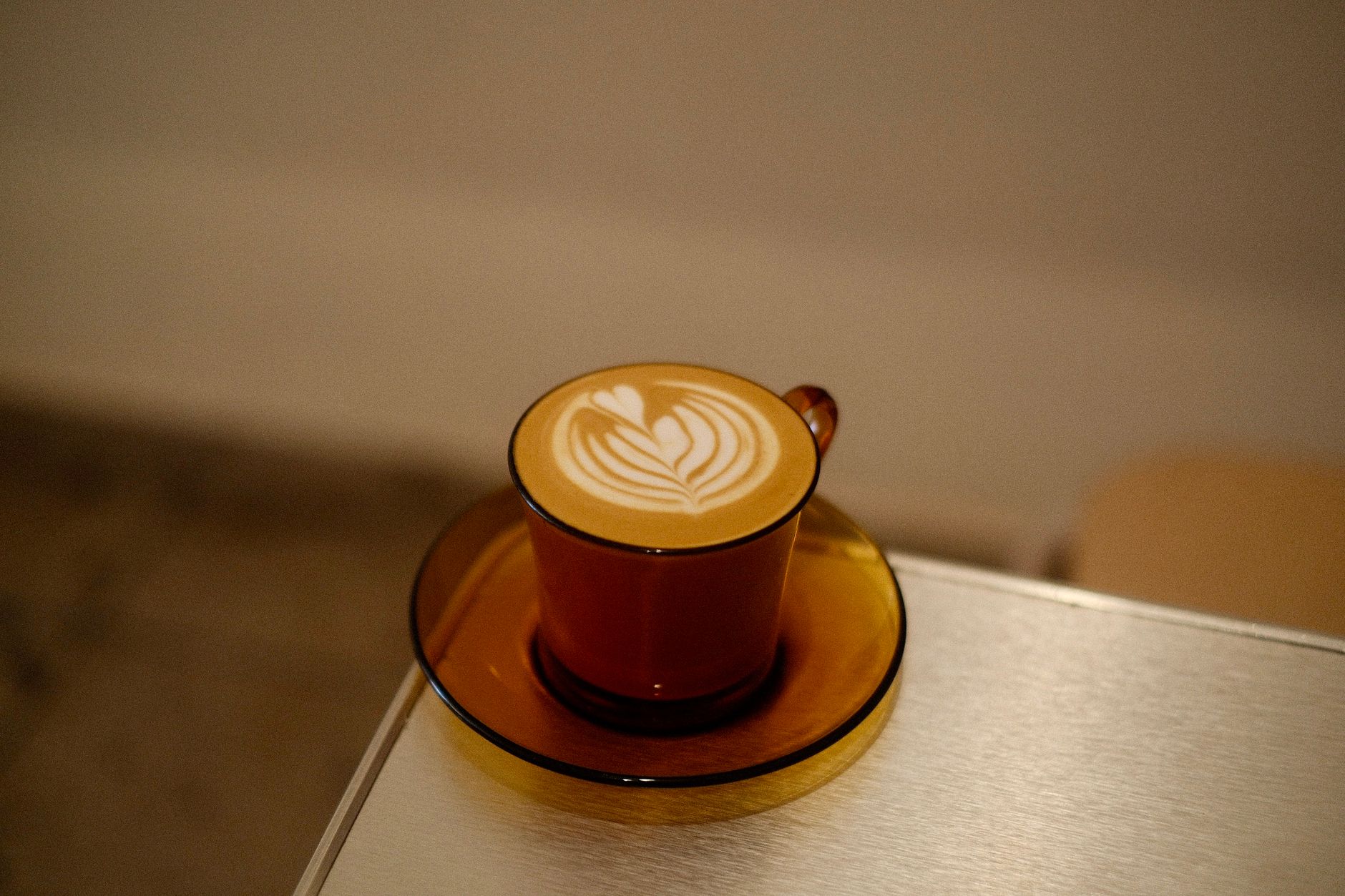
Walk into any successful specialty coffee shop in 2026, and you’ll see the same thing: baristas moving with precision, pouring lattes that look like tiny canvases. That moment when the milk meets the crema and a rosetta blooms—it’s not just decoration. It’s a signal. It says, “We care about craft.” It’s the reason an Instagram post of a swan latte gets 10x more engagement than a plain cup.
But here’s the thing most cafe owners miss: that beautiful art doesn’t come from talent alone. It comes from the tools. The right pitcher, the correct thermometer, a steaming wand that actually delivers consistent steam pressure. Without those, even the most skilled barista will struggle to produce repeatable, high-quality latte art—especially during a rush.
If you’re running a cafe, restaurant, or hotel breakfast service, you don’t just need any latte art tools. You need the best latte art tools for cafes and restaurants—equipment built for volume, durability, and precision. This guide cuts through the noise. We’ll cover what actually matters, what to avoid, and how to build a setup that turns every cup into a reason for customers to come back.
Let’s start with the basics. The core toolkit for professional latte art is deceptively small: a milk pitcher, a steam wand, a thermometer, an espresso machine with adequate pressure, a tamper, and sometimes a stencil or etching tool. That’s it. Yet most foodservice businesses either underinvest in these items or buy the wrong versions.
The table below breaks down the three common approaches to assembling a latte art toolkit—and why the professional route pays for itself.
| The DIY Approach | The “Cheap” Approach | The Professional Approach |
|---|
| Using whatever pitcher came with the espresso machine | Buying the cheapest stainless steel pitcher on Amazon | Investing in a precision-pour pitcher from brands like Espro or Motta |
| Reusing the same thermometer until it breaks | Purchasing a $5 digital thermometer that lags by 2 seconds | Using a high-speed digital thermometer with a clip (e.g., Barista Pro by ThermoWorks) |
| Relying on the machine’s built-in steam wand | Not cleaning the wand after every use | Installing a commercial-grade steam wand with adjustable pressure (e.g., on a La Marzocco Linea) |
| No structured training for staff | Hoping a YouTube video is enough | Implementing a monthly latte art training session using the same tools every shift |
| Ignoring tamper caliber | Using a plastic tamper that wears down | Choosing a calibrated tamper with a precision base (e.g., 58.4mm convex base) |
That last column? It’s exactly what we recommend at Busy Bean Coffee. And when you provide
subscription coffee service to hotels and restaurants, you can’t afford inconsistency. Your clients expect every latte to look and taste the same, whether it’s made at 7:00 AM or 2:00 PM.
💡Key Takeaway
Professional latte art tools aren’t a luxury—they’re the foundation for quality control and customer satisfaction in a high-volume environment.
Milk Pitchers: The Unsung Hero
Your milk pitcher is arguably the most important tool after the espresso machine itself. The spout shape determines how easily you can manipulate the milk stream. A rounded spout (like the one on a Motta Europa pitcher) gives you better control for fine details like swans and tulips. A sharper spout (like on a Barista Hustle pitcher) is better for high-speed pours.
Size matters too. For a standard 8 oz latte, a 12 oz pitcher works best—it gives you room to swirl milk without splashing. For larger 12 oz drinks, go with a 17 oz pitcher. Many pro baristas keep two sizes on the bar.
Material? Look for 304 stainless steel with a mirror finish. That finish isn’t just for looks—it helps you see the sheen of the milk as you steam. Cheap brushed steel hides the surface texture you need to judge.
For a complete breakdown, check our detailed guide Best Milk Pitchers for Professional Latte Art in Cafes.
Thermometers: Precision Matters
You can’t steam milk by feel alone—not consistently, anyway. The ideal milk temperature for latte art is between 145°F and 155°F (63°C to 68°C). Go above 160°F, and the milk protein denatures, turning foam into a stiff, unworkable mess.
A good thermometer is your safety net. Look for one with a response time under 2 seconds, a clip that attaches to the pitcher rim, and a temperature range from 32°F to 212°F. Brands like Taylor and ThermoWorks are reliable choices.
💡Pro Tip
If you’re buying thermometers for a restaurant chain, order a dozen at once. They’re small and easy to misplace, and having spares prevents a shift from going sour.
We cover all specs in our dedicated article Essential Latte Art Thermometers for Baristas.
Steaming Wands and Espresso Machines
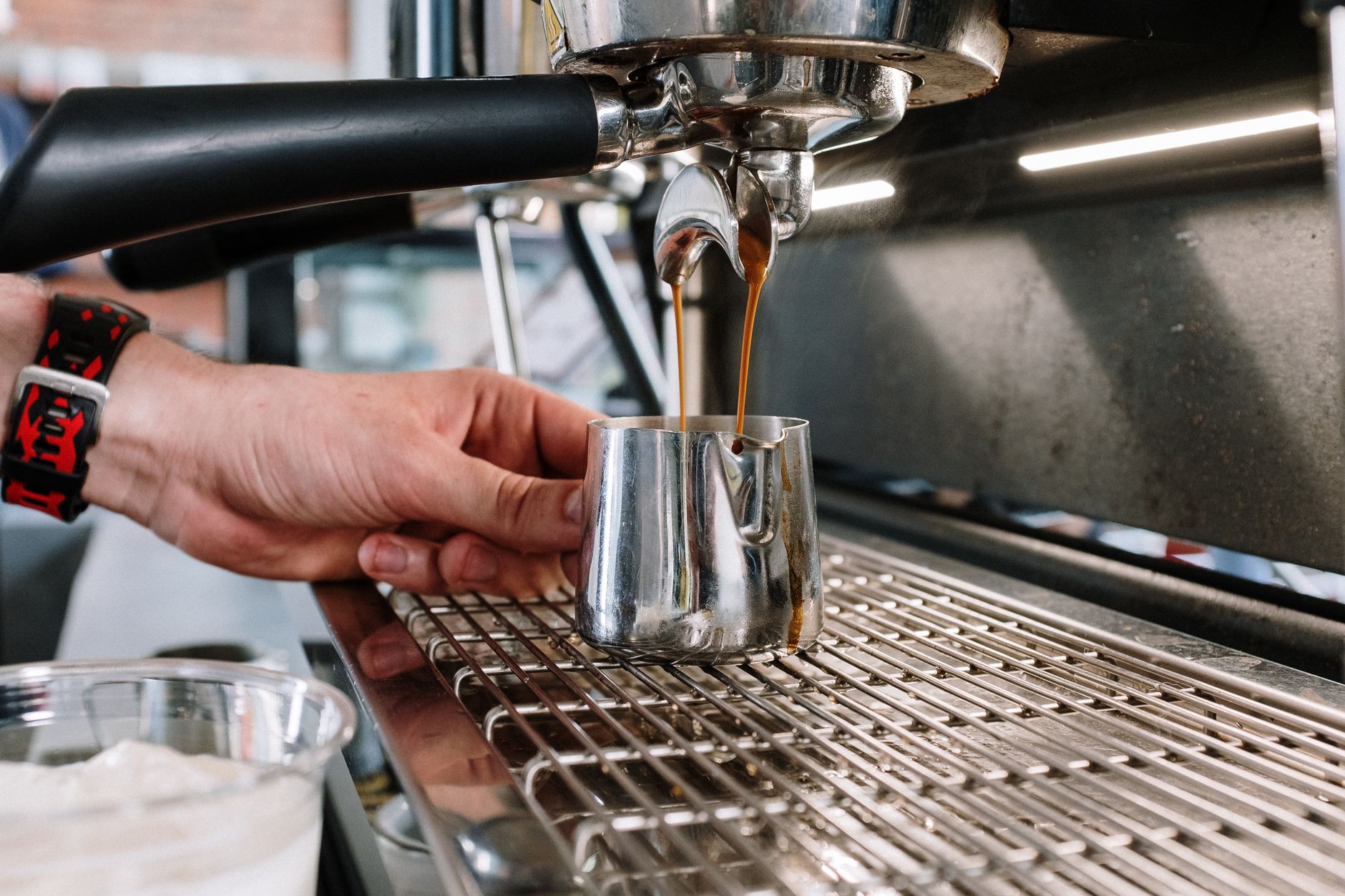
You can’t produce microfoam without sufficient steam pressure. The standard for quality latte art is 1.2 to 1.5 bars of steam pressure. Many commercial espresso machines—from brands like Rancilio, La Marzocco, and Nuova Simonelli—deliver this natively. But if you’re using a basic undercounter machine from a generic manufacturer, check the specs.
If the machine lacks a dedicated steam boiler (like a heat exchanger or dual boiler), you’ll struggle to steam multiple pitchers in sequence. That’s a deal-breaker for any busy cafe.
For tips on upgrading your wand, read Commercial Steaming Wands for Perfect Latte Froth.
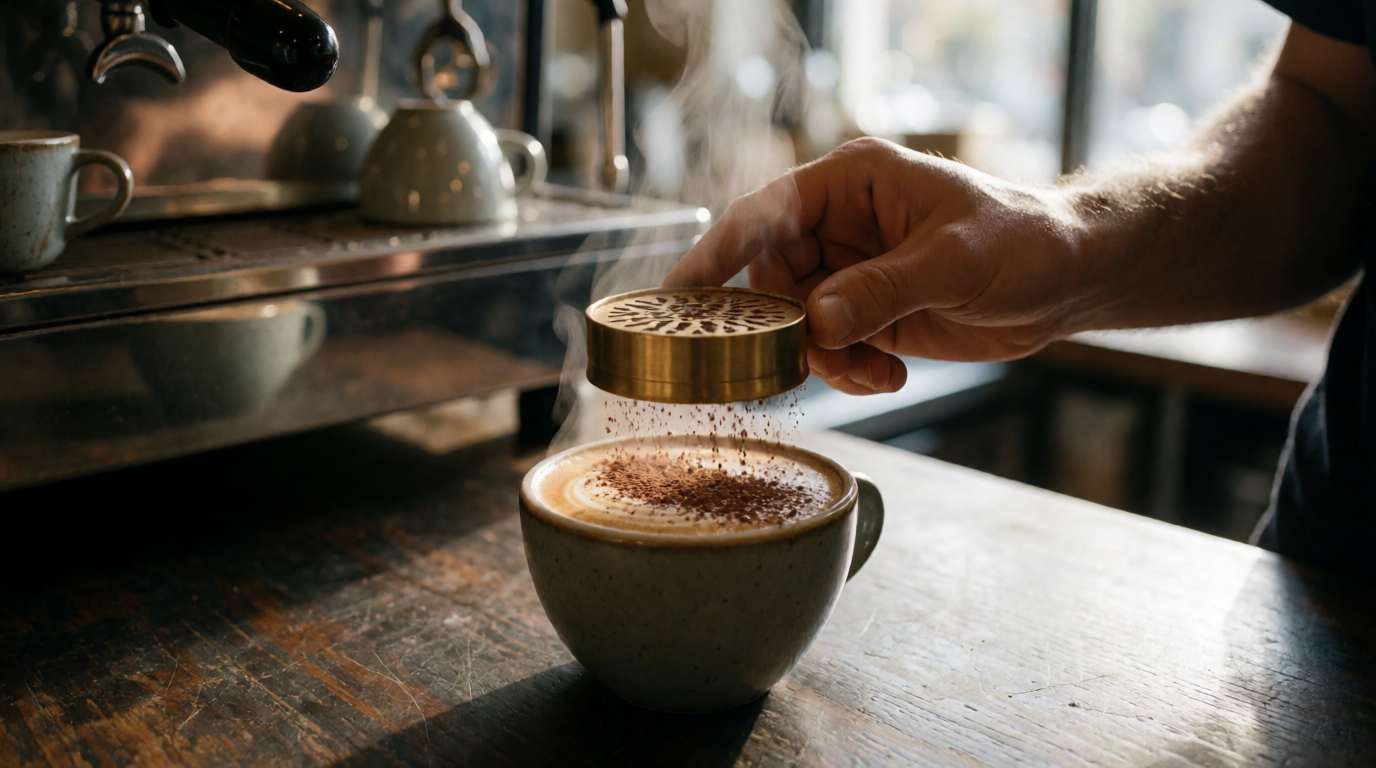
While free-pouring is the gold standard, stencils are a fantastic backup for high-volume operations or less experienced baristas. A good stencil set includes common shapes: hearts, leaves, rosettas. Place the stencil over the latte, dust with cocoa or cinnamon, and you get consistent results in seconds.
Etching tools (like a pointed metal tool or even a toothpick) can add fine details to finished pours. They’re less common in fast-paced cafes but work well for specialty desserts or hotel brunch buffets.
For a full rundown, see Latte Art Stencils to Elevate Cafe and Restaurant Menus.
Let’s talk dollars and sense. A cafe that serves plain lattes is competing on price. A cafe that serves beautiful latte art is competing on experience. The latter always wins on margin.
I worked with a small hotel in downtown Seattle last year. They had a basic espresso machine and a random pitcher from a restaurant supply store. Their barista was decent, but the foam consistency was all over the place. Guest reviews mentioned “lattes that looked like any other hotel coffee.” That’s death for a boutique property trying to differentiate.
After we switched them to a proper
coffee service in Seattle WA with Busy Bean, we also recommended three changes: a Motta pitcher, a quick-read thermometer, and a 30-minute training session. Within a month, repeat guests started posting photos of their morning latte art on social media. The hotel’s breakfast revenue increased by 12%—not from raising prices, but from higher satisfaction and more guests choosing to eat in.
The math is simple: great latte art = shareable content. Shareable content = free marketing. Free marketing = more foot traffic.
💡Insight
In 2026, customers expect a visual experience. A latte that looks like a piece of art commands a $1–$2 premium over a plain latte. Over 200 cups a day, that adds up to $500–$1,000 a week in incremental revenue.
Consistency Across Locations
If you manage multiple cafe locations or a restaurant chain, standardized tools are critical. Each location should use the same pitcher model, thermometer, and tamper. That way, training becomes repeatable, and customer experience becomes predictable. A guest who loves the latte art at your New York location should find the same quality in your Dallas location.
That’s where Busy Bean Coffee’s all-inclusive managed coffee membership shines. We supply the same premium equipment (SENSA machines, professional pitchers, etc.) and maintain it across all locations. No capital expense, no procurement headaches. Just one predictable monthly fee.
Step 1: Audit Your Current Setup
Before buying anything, map out your current workflow. Do you have one pitcher per barista, or are they sharing? How often is the steam wand cleaned? Are thermometers calibrated? This baseline will reveal the gaps.
A cafe pulling 100 shots a day has different needs than a restaurant serving 20 lattes at brunch. For high volume, invest in a dedicated espresso machine with a large boiler (at least 11 liters for a dual boiler). For low volume, a heat exchanger machine with a decent steam wand is enough.
Warning: Don’t buy a home-grade espresso machine for a commercial setting. Machines like the Breville Barista Express are not designed for continuous use. You’ll burn out the pump within weeks.
Step 3: Train Your Team
Tools are useless without proper technique. Schedule regular training sessions covering:
- How to steam milk to a velvety microfoam (no large bubbles)
- How to pour a heart, rosetta, and tulip
- How to clean pitchers and wands immediately after use
Record training videos using your actual equipment. New hires can watch them on their own time.
Step 4: Measure and Maintain
Track how often pitchers need replacement (stainless steel should last 1–2 years with daily use). Replace thermometers every 6 months if they show any lag. Calibrate tampers monthly if they have adjustable springs.
Mistake 1: Buying the Wrong Pitcher Size
A 12 oz pitcher is the sweet spot for standard drinks, yet I see cafes using 20 oz pitchers for everything. Too large, and you can’t control the pour. Too small, and you run out of milk mid-art. Match pitcher size to your drink menu.
Mistake 2: Ignoring Thermometer Quality
Cheap $5 thermometers are a false economy. They respond slowly, meaning you overshoot or undershoot temperature. A difference of 5°F can ruin microfoam. Spend $15–$25 on a proper unit.
Mistake 3: Neglecting Steam Wand Maintenance
Burnt milk residue on the wand tip changes the steam flow. Clean the wand with a damp cloth after every pitcher. Purge the wand for 2 seconds to clear internal residue. A clogged wand produces uneven steam, making foam inconsistent.
Some operators think a standard pitcher can double as a steaming pitcher and a pouring pitcher. Wrong. The ideal steaming pitcher is different from the ideal pouring pitcher. Steaming pitchers are wider to allow whirlpool rotation; pouring pitchers have a sharp spout for fine control. Keep dedicated sets.
💡Key Takeaway
The most expensive mistake isn’t buying the wrong tool—it’s buying a cheap tool that fails during a rush. Invest in commercial-grade equipment that can handle 200+ uses a day.
At minimum: a stainless steel milk pitcher (12 oz), a quick-read thermometer, an espresso machine with at least 1.2 bar steam pressure, a calibrated tamper, and either a sencil set or etching tool if you want backup options for high volume.
2. What size milk pitcher is best for latte art in a busy cafe?
For standard 8 oz lattes, a 12 oz pitcher is ideal. It gives room to swirl milk without overflow. For 12 oz drinks, use a 17 oz pitcher. Many baristas keep both sizes on the bar and grab the appropriate one per drink order.
3. Do I need a special espresso machine for latte art?
Any commercial machine with a dedicated steam boiler can produce acceptable microfoam. Dual boiler or heat exchanger machines with 1.2–1.5 bar steam pressure work well. Avoid single-boiler home machines—they lack the steam power for consecutive pours.
4. How often should I replace my milk pitchers?
Quality stainless steel pitchers (like Motta or Espro) last 1–2 years under daily commercial use. Replace them when the spout becomes dented or worn, or if the interior surface shows scratches that hide milk residue.
5. Can latte art stencils replace free-pouring for cafe operations?
Stencils are a great supplement for consistency, especially for inexperienced staff or during peak hours. However, free-pouring creates a more fluid, organic look that customers perceive as higher quality. Use stencils as a backup, not a primary method.
6. What’s the best way to clean and maintain latte art tools?
- Pitchers: Wash with hot water and mild detergent after each shift. Avoid abrasive pads that scratch the interior.
- Thermometers: Wipe the probe with a disinfectant wipe. Check calibration monthly by placing in ice water (should read 32°F).
- Steam wands: Purge and wipe after every use. Backflush the machine weekly to remove milkstone buildup.
7. Do I need a separate thermometer for each pitcher?
In a busy cafe, yes. Dedicate one thermometer per pitcher to save time. Clip them to the rim permanently (use a clip that doesn’t slip). Label pitchers by barista or station.
8. Can I use a cheaper tamper if my baristas are experienced?
No. A worn or plastic tamper creates uneven pressure, leading to channeling in the espresso puck. That ruins the crema—and crema is essential for latte art. Spend $30–$50 on a calibrated stainless steel tamper with a flat or convex base.
For a deeper look at tampers, see our guide Professional Espresso Tampers for Latte Art Precision.
Recommended Readings
To deepen your understanding of these topics, we recommend reading the following articles:
Conclusion
The difference between a cafe that merely serves coffee and one that creates memorable experiences often comes down to the tools in the barista’s hands. Best latte art tools for cafes and restaurants aren’t a box to check—they’re an investment in quality, consistency, and customer loyalty.
From the pitcher size to the thermometer’s response time to the steam wand’s pressure, every detail matters. When you pair the right equipment with proper training, you get more than pretty foam. You get repeat customers who take photos, leave five-star reviews, and recommend your place to friends.
At Busy Bean Coffee, we help hotels, restaurants, and cafes outfit their bar stations with top-tier equipment—all for a single predictable monthly fee. No capital expense, no maintenance headaches, just great coffee and the tools to make it shine.
For a complete overview of every tool you need to build a world-class latte art program, don’t miss our Ultimate Guide to Latte Art Tools for Foodservice Businesses → Read the full guide here.
Free Coffee Pairing Guide & Specialty Roast Cheat Sheet
Unlock the secrets of perfect brewing ratios, water temperatures, and specialty roast profiles. Download the guide.