What are Office Coffee Solutions and How Do They Actually Work?
A poorly brewed pot of burnt coffee in a breakroom isn't just a culinary failure; it is a productivity leak. When employees are forced to leave the building for twenty minutes to find a decent latte, your business loses billable hours and momentum. Modern office coffee solutions are comprehensive systems that integrate high-end brewing equipment, a consistent supply of specialty coffee, and professional maintenance to eliminate these frictions. Rather than just providing a machine, these solutions manage the entire beverage lifecycle, from the sourcing of Coffea arabica beans to the daily calibration of the espresso machine.
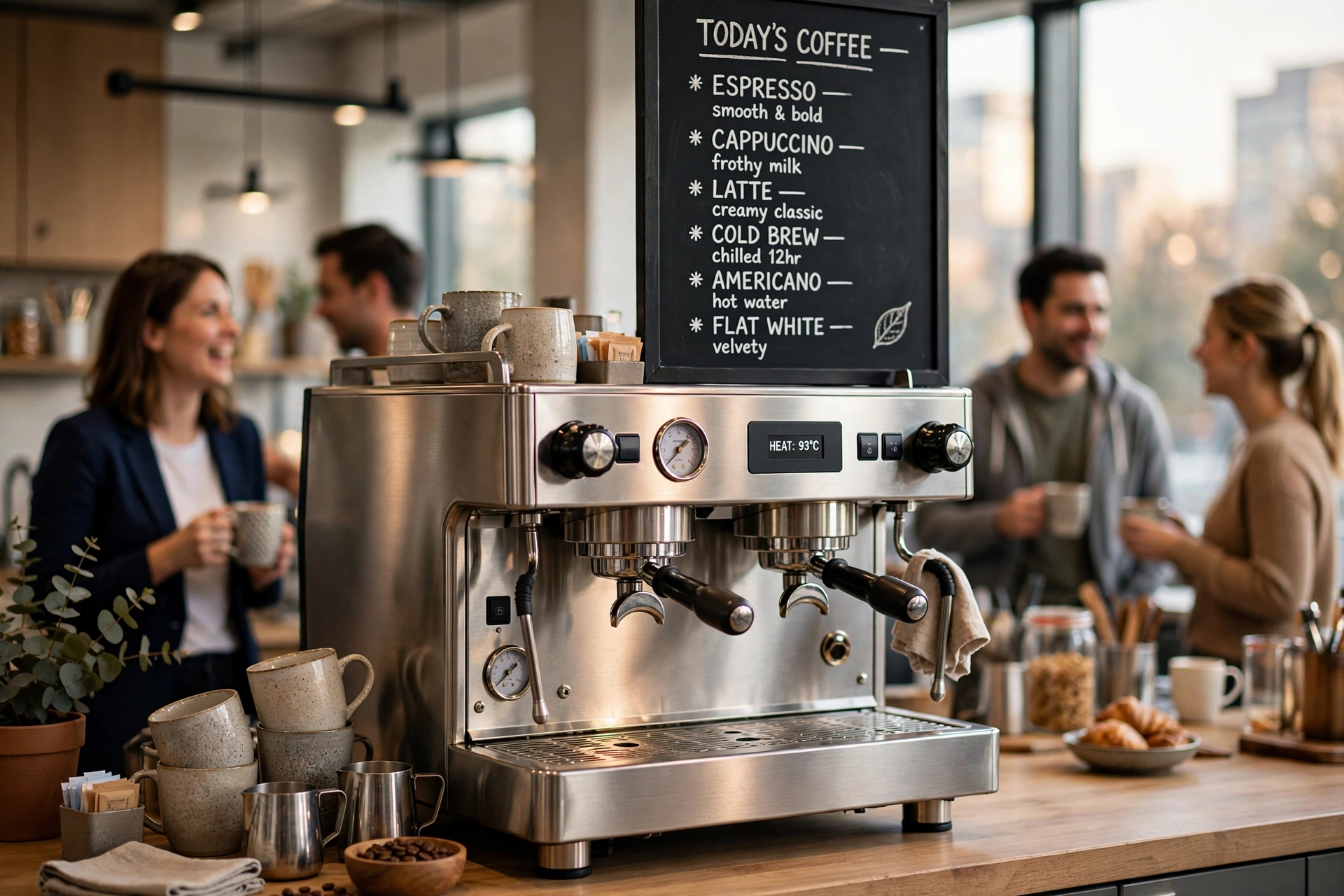
In my experience working with corporate clients, the most common mistake is treating coffee as a "perk" rather than an operational utility. When a company invests in a professional Sensa Coffee Service in Charlotte, NC, they aren't just buying caffeine; they are designing a social hub that encourages spontaneous collaboration. I've seen teams solve complex project roadblocks over a shared espresso because the quality of the drink kept them in the building and engaged in conversation.
📚
Definition
Office coffee solutions refer to the end-to-end management of a workplace beverage program, encompassing the hardware (espresso machines, brewers), the consumables (specialty coffee beans, milk, syrups), and the service layer (installation, cleaning, and technical support).
To understand the scope, one must look at the shift from "commodity" coffee to "specialty" coffee. According to the Specialty Coffee Association (SCA), specialty coffee is defined by a rigorous scoring system where only beans scoring 80 points or above on a 100-point scale qualify. When an office implements a true solution, they transition from generic bulk-ground coffee to a curated experience that reflects the company's brand and respect for its employees.
Why Does the Quality of Your Office Coffee Program Matter for Business?
The impact of a coffee program extends far beyond taste; it directly influences employee retention and mental acuity. Coffee is the primary fuel for the modern knowledge worker, and the quality of that fuel dictates the quality of the output. According to research from the National Coffee Association USA (NCA), a significant percentage of adults rely on coffee for cognitive alertness and mood regulation. When a business provides a subpar experience, it sends a subtle but persistent message that the employee's comfort and preferences are secondary.
From a financial perspective, the "coffee run" is a hidden cost. If ten employees leave for fifteen minutes each morning to visit a local café, the company is losing 2.5 hours of productivity daily. Over a year, this equates to hundreds of lost hours. By installing automated coffee machines for clinics and medical offices or corporate hubs, businesses recapture this time. The ROI is found in the regained minutes and the increased morale of a staff that feels valued.
Furthermore, the health and safety aspects of these solutions cannot be overlooked. Professional equipment must meet strict sanitary standards. For instance, NSF International provides the benchmarks for food equipment safety, ensuring that machines are designed to be cleaned thoroughly to prevent mold and bacterial growth. A "cheap" solution often ignores these standards, leading to equipment failure or, worse, health risks for the staff.
That said, the real power of a managed solution is predictability. When you use a managed membership, you eliminate the "emergency" when the machine breaks on a Tuesday morning. You shift from a reactive model (fixing things when they break) to a proactive model (preventative maintenance), which ensures that the flow of work is never interrupted by a technical glitch.
How Do You Implement a Professional Office Coffee Solution Step-by-Step?
Implementing a high-tier program requires more than just plugging in a machine. It requires a spatial and behavioral analysis of how your team uses the breakroom. The first step is assessing volume: how many cups are consumed per hour during the 8:00 AM and 2:00 PM peaks? This determines whether you need a single-serve bean-to-cup machine or a multi-group espresso machine with a dedicated barista.
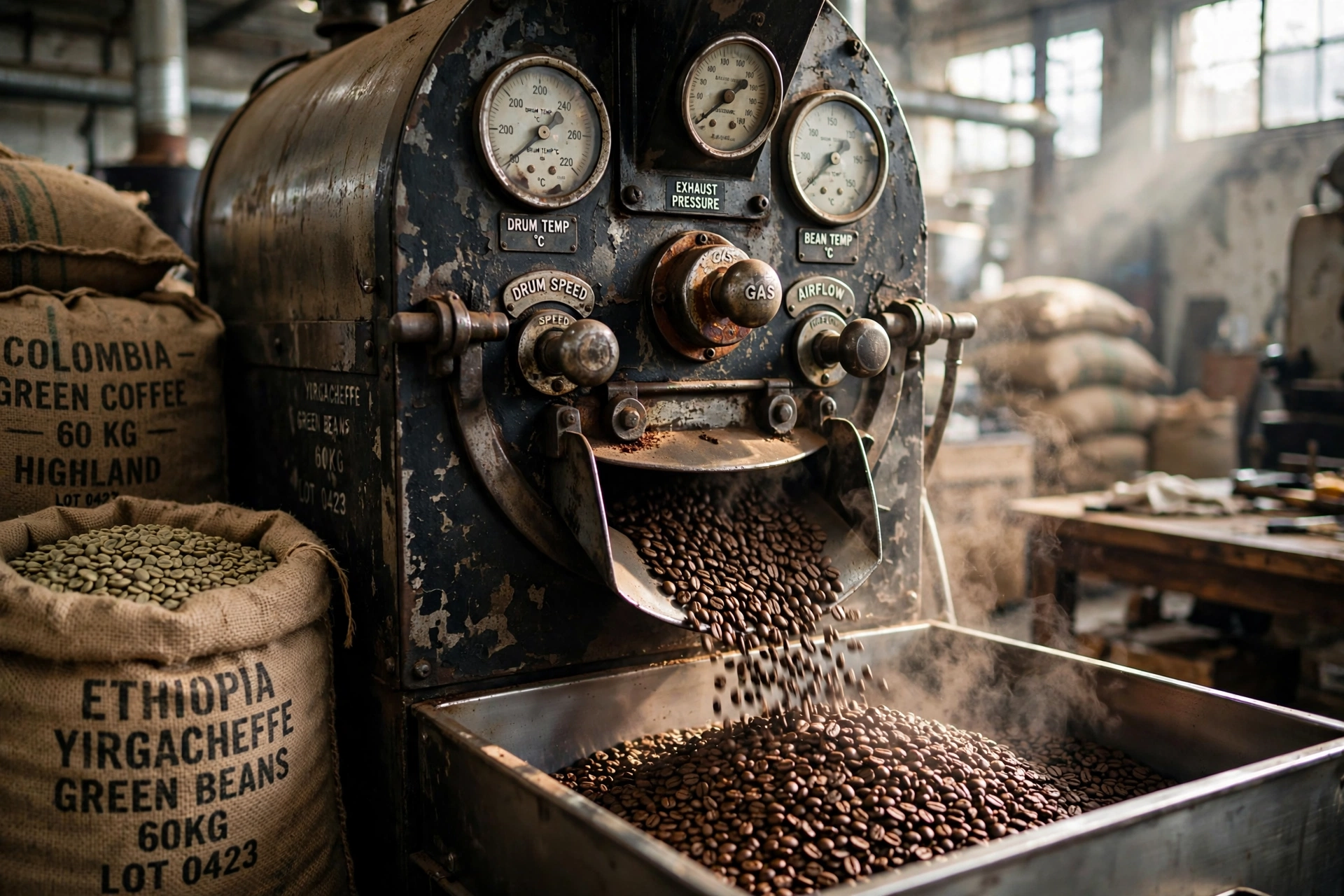
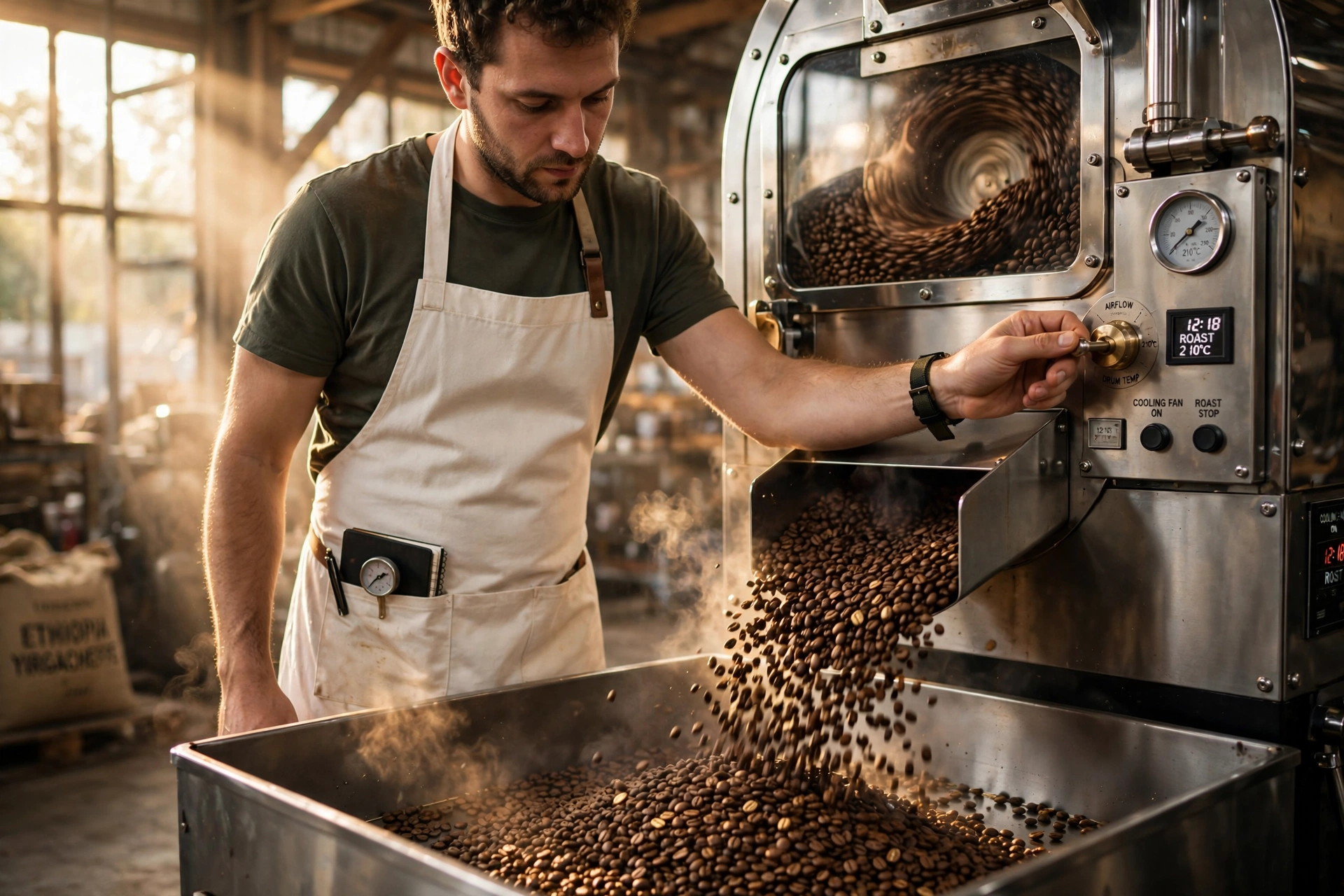
Once volume is established, the focus shifts to the "bean profile." This is where coffee roasting expertise becomes essential. Not every office wants a dark, smoky roast; many modern teams prefer a medium-light roast that highlights the acidity and floral notes of high-altitude Arabica beans. At Busy Bean Coffee, we guide clients through this selection process to ensure the flavor profile matches the demographic of their workforce.
The technical implementation involves three core phases:
- Infrastructure Setup: Ensuring the location has the necessary water filtration and electrical capacity. Without professional filtration, scale buildup will destroy a high-end espresso machine in months.
- Calibration: Setting the precise grind size and water temperature. In my experience, a 2-degree difference in water temperature can be the difference between a sweet espresso and a bitter one.
- Staff Training: Even the best machines require basic knowledge. We provide training on how to froth milk and maintain the machine's cleanliness to ensure longevity.
💡
Key Takeaway
The most successful office coffee programs focus on "zero-friction" access. This means the machine is intuitive, the beans are always fresh, and the maintenance is invisible to the end-user.
For those in fast-paced environments, such as a Sensa Coffee Service in Raleigh NC (2026 Overview), the integration of automated "one-touch" technology is the gold standard. This allows an employee to get a café-quality cappuccino in 40 seconds without needing to be a trained barista, keeping the line moving and the productivity high.
Comparing Coffee Solution Models: Which is Right for Your Office?
Most businesses start by choosing between three primary models. The "Traditional" approach is the most common but the least efficient. The "Generic AI/Pod" approach offers speed but lacks quality and creates massive environmental waste. The "Modern Managed" approach, like the one provided by Busy Bean Coffee, balances quality, sustainability, and operational ease.
| Feature | Traditional (Drip/Pot) | Generic Pod/Capsule | Modern Managed (Sensa) |
|---|---|---|---|
| Taste Quality | Low to Medium (Often burnt) | Medium (Consistent but flat) | High (Specialty Grade) |
| Waste Level | Medium (Leftover pots) | High (Single-use plastic) | Low (Compostable grounds) |
| Maintenance | Manual/Intermittent | Minimal (until it breaks) | Professional/Proactive |
| Employee Satisfaction | Low | Moderate | Very High |
| Cost Predictability | Variable | High (Expensive pods) | Fixed Monthly Fee |
| Best For | Small, low-budget offices | Very small teams (<10) | Growth-oriented businesses |
Now, here's where it gets interesting: many companies assume the "Generic Pod" approach is the cheapest. However, when you calculate the cost per cup of a high-end pod versus the bulk price of specialty beans in a managed membership, the pod system is often significantly more expensive per ounce. Moreover, the lack of a professional service means that when a pod machine fails, it is usually thrown away, contributing to electronic waste.
If you are operating in a high-traffic area, such as a Sensa Coffee Service in Savannah GA: Complete Guide | Busy Bean Coffee, the managed model is the only way to maintain quality. The sheer volume of drinks means that equipment wear and tear is accelerated. Having a dedicated partner who handles the descaling and part replacement prevents the inevitable "down-time" that plagues unmanaged offices.
Common Misconceptions About Office Coffee Solutions
There are several myths that lead businesses to settle for mediocre coffee. Most guides will tell you that "any automatic machine is fine as long as it's fast." This is fundamentally wrong. Speed without quality is simply a faster way to serve bad coffee. The real goal is "quality at scale."
Myth 1: "Specialty coffee is too expensive for a general office."
The reality is that the cost difference between commodity coffee and specialty coffee is negligible when viewed as a percentage of the total operational budget. When compared to the cost of employee turnover or the loss of productivity from "coffee runs," specialty coffee is actually a cost-saving measure.
Myth 2: "Pods are the most convenient option."
While pods are easy to insert, the "hidden" work involves managing the inventory of various pods and the constant disposal of plastic. A bean-to-cup system is actually more convenient because the "pod" is simply the bean hopper, which requires refills once every few days rather than once every single cup.
Myth 3: "We don't need a service contract; we can just call a repairman."
This is the mistake I see constantly. By the time you call a repairman, your machine has been down for two days. A managed solution provides proactive maintenance. We don't wait for the machine to break; we service it based on usage cycles. This is the difference between "repair" and "reliability."
Myth 4: "All espresso machines are the same."
Absolutely not. There is a massive gulf between a consumer-grade machine and a commercial-grade system. Commercial machines are built with boilers and pumps designed for 100+ cycles a day. Using a home machine in a corporate environment is a recipe for a breakdown within six months. This is why we recommend automatic coffee machines for hotels and hospitality in 2026 or corporate offices that prioritize longevity.
Frequently Asked Questions
How do managed coffee memberships actually save a company money?
Managed memberships shift the financial burden from a Capital Expenditure (CapEx) to an Operating Expenditure (OpEx). Instead of spending thousands of dollars upfront on a high-end espresso machine and paying for separate repair visits, the company pays one predictable monthly fee. This fee covers the equipment, the beans, and the maintenance. According to standard accounting principles, this improves cash flow and eliminates the risk of unexpected "emergency" repair costs. Furthermore, by reducing the time employees spend leaving the office for premium coffee, the company recaptures lost billable hours, which often offsets the cost of the membership entirely.
What is the difference between "Specialty Coffee" and "Premium Coffee" in an office setting?
"Premium" is often a marketing term used by large brands to describe a slightly better-than-average blend. "Specialty Coffee," however, is a technical classification. As defined by the Specialty Coffee Association (SCA), specialty coffee must score 80+ points on a rigorous quality scale. This means the beans are sourced from specific altitudes, processed with care, and roasted to highlight their unique terroir. In an office, this translates to a drink that tastes like a professional café beverage rather than a generic "office brew," which significantly boosts the perceived value of the employee benefit.
Can a professional coffee solution help with employee recruitment and retention?
Yes, it acts as a tangible signal of company culture. In a competitive job market, candidates look for "quality of life" indicators. A high-end coffee station—especially one featuring specialty coffee and professional equipment—suggests that the company cares about the details and the well-being of its staff. It creates a "third space" within the office where employees from different departments can interact. This social cohesion is essential for retention, as it fosters a sense of community and belonging that goes beyond the specific tasks of a job description.
How does water filtration impact the quality and lifespan of office coffee machines?
Water is the primary ingredient in every cup of coffee, and in most cities, tap water contains minerals like calcium and magnesium that cause "scale" buildup. This scale acts as an insulator in the boiler, forcing the machine to work harder and eventually causing the heating element to fail. Professional solutions include industrial-grade filtration that removes these minerals while retaining the essential taste profile. Without this, even the most expensive machine will produce "flat" tasting coffee and will likely suffer a catastrophic failure long before its intended lifespan.
Is a bean-to-cup machine better than a pod machine for a mid-sized office?
For any office with more than 15 employees, a bean-to-cup machine is vastly superior. First, the cost per cup is significantly lower because you are buying whole beans rather than expensive, pre-packaged pods. Second, the quality is incomparable; grinding the beans seconds before brewing preserves the volatile aromatic oils that pods lose over time. Third, the environmental impact is drastically reduced. A bean-to-cup system produces only organic compostable waste, whereas pod systems generate thousands of non-biodegradable plastic capsules per year, which clashes with most modern corporate sustainability goals.
Final Thoughts on Office Coffee Solutions
Investing in professional office coffee solutions is not about luxury; it is about optimizing the environment where your team spends the majority of their waking hours. By removing the friction of poor-quality caffeine and the inefficiency of external coffee runs, you create a more focused, energized, and satisfied workforce. The transition from a "breakroom pot" to a managed specialty program is one of the fastest ways to improve the daily experience of your employees.
Whether you are looking for a Sensa Coffee Service in Mount Pleasant SC: Complete Guide or a comprehensive setup in a major city, the goal remains the same: consistency, quality, and reliability. When the coffee is excellent, the breakroom becomes a catalyst for innovation rather than just a place to wait for the microwave.
To elevate your workplace experience and eliminate the hassle of equipment maintenance, explore the all-inclusive managed solutions at Busy Bean Coffee. We provide the equipment, the expertise, and the specialty roasts needed to turn your office coffee into a competitive advantage.
Free Coffee Pairing Guide & Specialty Roast Cheat Sheet
Unlock the secrets of perfect brewing ratios, water temperatures, and specialty roast profiles. Download the guide.