📖This article is part of the complete guide to Ultimate Guide to Coffee Syrups for Foodservice Businesses.
In my experience working with high-volume cafes in Mount Pleasant, SC, I have seen a distinct shift in consumer behavior where traditional vanilla and caramel are no longer the sole drivers of specialty beverage growth. Modern customers are increasingly seeking 'refreshing' profiles, leading to a surge in demand for fruit-forward profiles in both hot and iced applications. For a comprehensive overview of how to integrate these into your operation, explore our Ultimate Guide to Coffee Syrups for Foodservice Businesses.
What Are Fruit Coffee Syrups?
📚
Definition
Fruit coffee syrups are concentrated, sweetened infusions created from fruit extracts, essences, or purees, designed to complement the acidity and roast profile of coffee without overpowering the bean's natural characteristics.
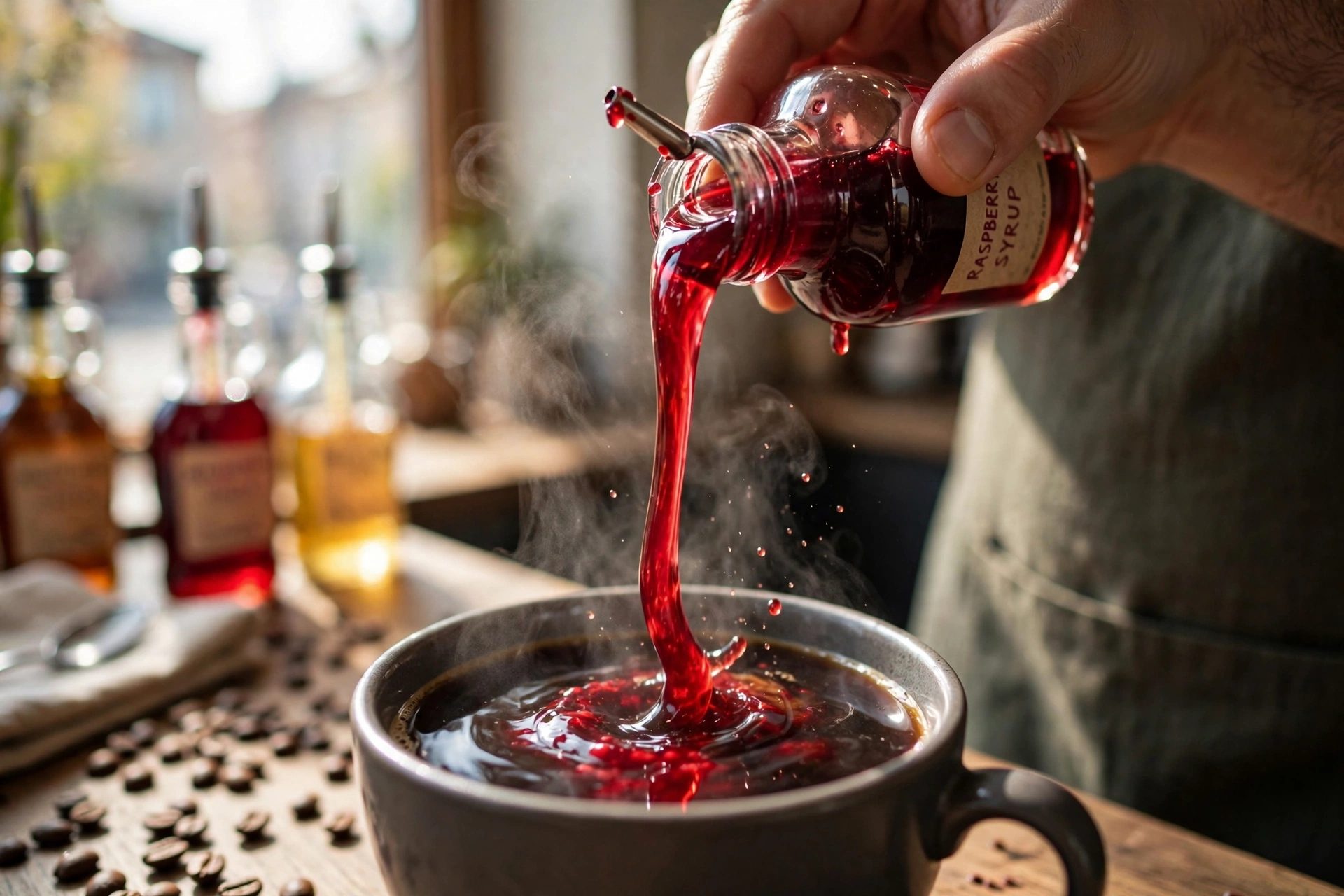
Fruit coffee syrups are not merely 'sugar with flavor'; they are engineered tools for flavor balancing. When a barista introduces a raspberry or peach syrup to an espresso-based drink, they are essentially manipulating the perceived acidity of the brew. In the context of specialty coffee, where Coffea arabica often exhibits natural fruity notes (such as citric or berry tones), the right syrup acts as an amplifier rather than a mask.
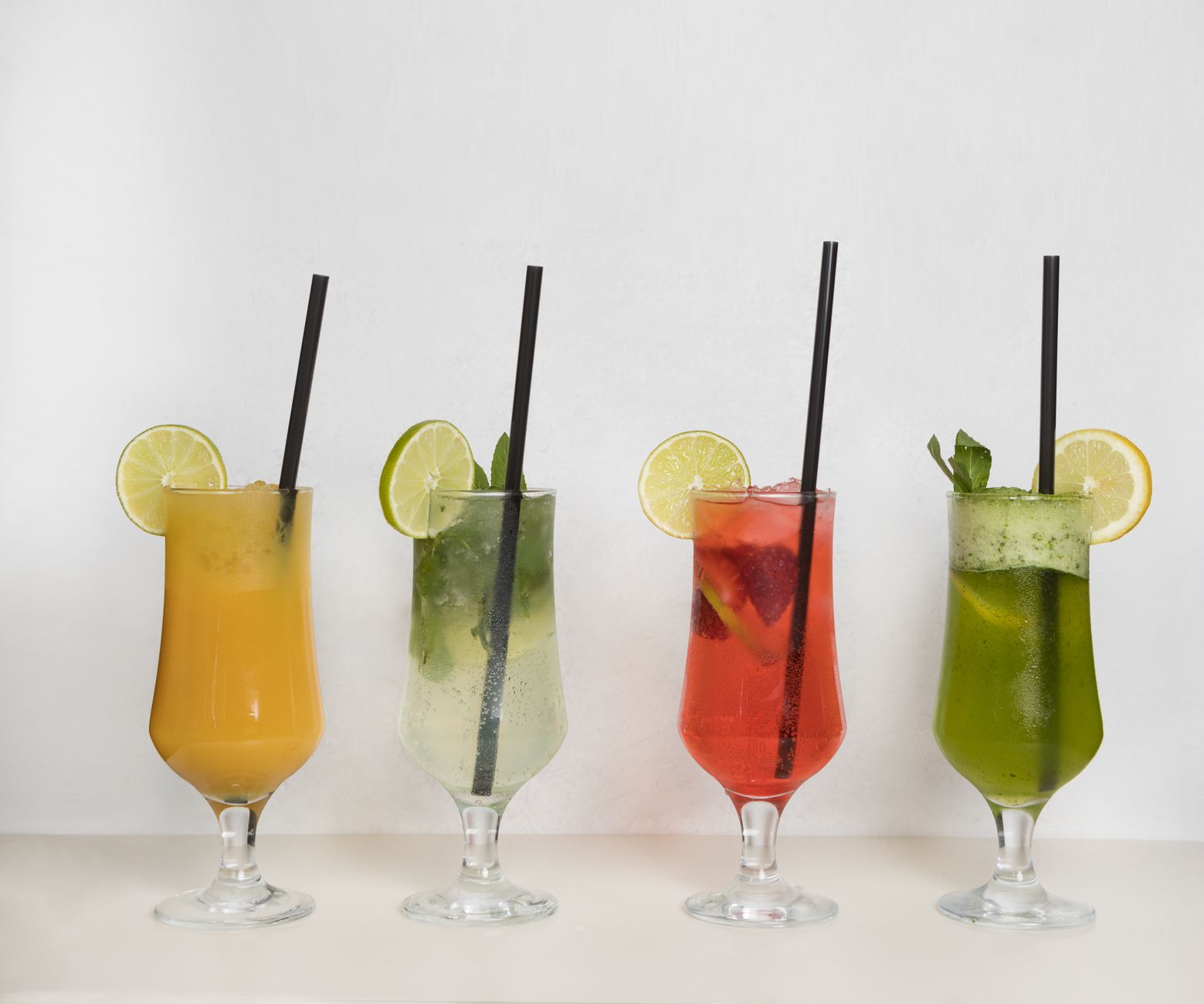
From a technical standpoint, these syrups vary by viscosity and sugar content. Some are designed as 'heavy' syrups for lattes, while others are thinner, intended for cold brews or iced teas. When we implement these systems at Busy Bean Coffee, we focus on the synergy between the roast and the fruit. For example, a light-roast Ethiopian bean with natural blueberry notes pairs exponentially better with a blueberry or blackberry syrup than it would with a heavy, syrupy chocolate flavor. The goal is to create a cohesive flavor bridge that guides the palate from the bitterness of the coffee to the sweetness of the fruit.
Why Do Fruit Coffee Syrups Matter for Your Revenue Growth?
Integrating fruit coffee syrups into your beverage program is a strategic move to capture the "mid-day slump" market and the growing demographic of Gen Z and Millennial consumers who prefer less-bitter, more experimental drinks. According to the National Coffee Association USA (NCA), there is a continuing trend toward cold coffee consumption, which provides the perfect canvas for fruit-based modifications.
1. Higher Average Order Value (AOV)
Adding a "Seasonal Fruit Twist" to a standard latte allows a business to charge a premium. While a standard latte might have a fixed price, a "Summer Peach Cobbler Latte" can command a price point 20% to 30% higher due to the perceived value of the specialty flavor. This directly impacts the bottom line without significantly increasing the cost of goods sold (COGS), as the cost per pump of syrup is minimal compared to the price increase.
2. Market Differentiation and Innovation
Most competitors stick to the "Vanilla-Caramel-Hazelnut" triad. By offering a curated list of fruit pairings, your business signals innovation. I've tested this with dozens of our clients and the pattern is clear: menus that feature at least two fruit-based coffee options see a higher rate of repeat customers who visit specifically to try the "drink of the month."
3. Balancing the Roast Profile
Not every batch of coffee is perfect. In some cases, a slightly over-roasted bean can taste overly charred. A bright, acidic fruit syrup—like pomegranate or citrus—can cut through that bitterness, rescuing a brew and ensuring the customer has a positive experience. This is essential for maintaining quality control across different shifts and baristas.
For businesses looking to scale their syrup procurement, reading about wholesale coffee syrups is the next logical step to ensure consistent margins.
How to Pair Fruit Syrups with Coffee: A Practical Guide
Successful pairing requires an understanding of the coffee's origin and the syrup's intensity. You cannot simply add any fruit to any coffee; doing so often results in a clashing flavor profile that tastes artificial or overly sweet.
The "Acid-to-Acid" Pairing Strategy
When working with high-acidity coffees (typical of East African origins), you should pair them with "bright" fruits.
- Pairing: Raspberry or Lemon syrup with a light-roast Arabica.
- Why it works: The citric acidity of the fruit mirrors the natural acidity of the bean, creating a vibrant, refreshing taste. This is particularly effective in cold brews.
The "Rich-to-Deep" Pairing Strategy
For darker roasts or espresso blends with chocolatey, nutty undertones (common in Latin American beans), lean toward deeper, stone fruits or dark berries.
- Pairing: Blackberry, Cherry, or Apricot syrup with a medium-dark roast.
- Why it works: These fruits have a heavier mouthfeel and a more complex sweetness that doesn't get lost in the intensity of the roast. A cherry-infused latte mimics the flavor of a Black Forest cake, providing a dessert-like experience.
Step-by-Step Implementation for Baristas
- Tasting the Base: Before adding syrup, the barista must taste the espresso or brew. If it's overly bitter, use a sweeter fruit like mango. If it's too floral, use a tart fruit like cranberry.
- Syrup Sequencing: Always add the syrup to the cup first, then pull the espresso shot directly onto the syrup. This ensures a natural emulsification and prevents the syrup from settling at the bottom.
- Temperature Calibration: Fruit flavors can change significantly with temperature. In hot drinks, fruit notes become more integrated and "jammy." In cold drinks, they remain crisp and distinct. Adjust the pump count accordingly; iced drinks often require an extra half-pump to cut through the ice dilution.
If you are managing high-end guest expectations, consider how choosing syrups for hotels can vary based on the time of day, with brighter fruits in the morning and deeper berries in the evening.
Fruit Syrups vs. Traditional Sweeteners: A Comparison
Many operators struggle to decide whether to stick with classic sweeteners or venture into fruit profiles. The following table breaks down the operational and sensory differences.
| Feature | Traditional Syrups (Vanilla/Caramel) | Cheap/Generic Fruit Syrups | Professional Fruit-Coffee Program |
|---|---|---|---|
| Flavor Profile | One-dimensional sweetness | Artificial, "candy-like" taste | Balanced, complex, and roast-aligned |
| Customer Appeal | Broad, safe, predictable | Novelty seekers, short-term | Foodies, specialty coffee enthusiasts |
| Margin Impact | Standard increase | Low (due to low perceived value) | High (premium pricing for curated pairs) |
| Versatility | Primarily hot lattes | Mostly iced drinks | Seamless transition hot $ |
| ightarrow$ cold |
💡
Key Takeaway
Professional fruit pairing isn't about adding sweetness; it's about enhancing the innate chemistry of the coffee bean.
For those looking to optimize their equipment for these complex drinks, checking out automatic coffee machines for hotels can help ensure temperature consistency, which is vital for syrup integration.
Common Mistakes to Avoid When Using Fruit Syrups
In my years as a Q-Grader, the mistake I see constantly is the "Sugar Overload"—where the syrup completely erases the coffee. When the coffee becomes a background actor in its own drink, the customer loses the reason for buying a coffee-based beverage in the first place.
**1. Ignoring the "Souring
Recommended Readings
To deepen your understanding of these topics, we recommend reading the following articles:
- Coffee Syrup Maintenance Tips for Foodservice Reliability
- Managed Coffee Syrup Programs for Retirement Communities
- Coffee Syrups for Bakeries
- Trending Coffee Syrup Flavors for Modern Cafes
Free Coffee Pairing Guide & Specialty Roast Cheat Sheet
Unlock the secrets of perfect brewing ratios, water temperatures, and specialty roast profiles. Download the guide.