📖This article is part of the complete guide to Ultimate Guide to Outfitting a Coffee Shop with Equipment.
In my experience working with dozens of high-volume cafes, the biggest mistake I see owners make is investing $20,000 in a top-tier espresso machine while settling for a mediocre grinder. I have seen perfectly roasted specialty coffee ruined by uneven particle distribution, leading to channeling and sour shots that no amount of barista skill can fix. If the grind isn't uniform, your extraction will be inconsistent, and your customers will notice the difference in every single cup.
For a comprehensive overview of how these components fit into your wider strategy, explore our Ultimate Guide to Outfitting a Coffee Shop with Equipment.
What are Coffee Grinders for Coffee Shops and How Do They Work?
📚
Definition
A coffee grinder for a coffee shop is a professional-grade piece of equipment designed to reduce whole coffee beans into a specific particle size, ensuring a uniform surface area for water to extract flavor during the brewing process.
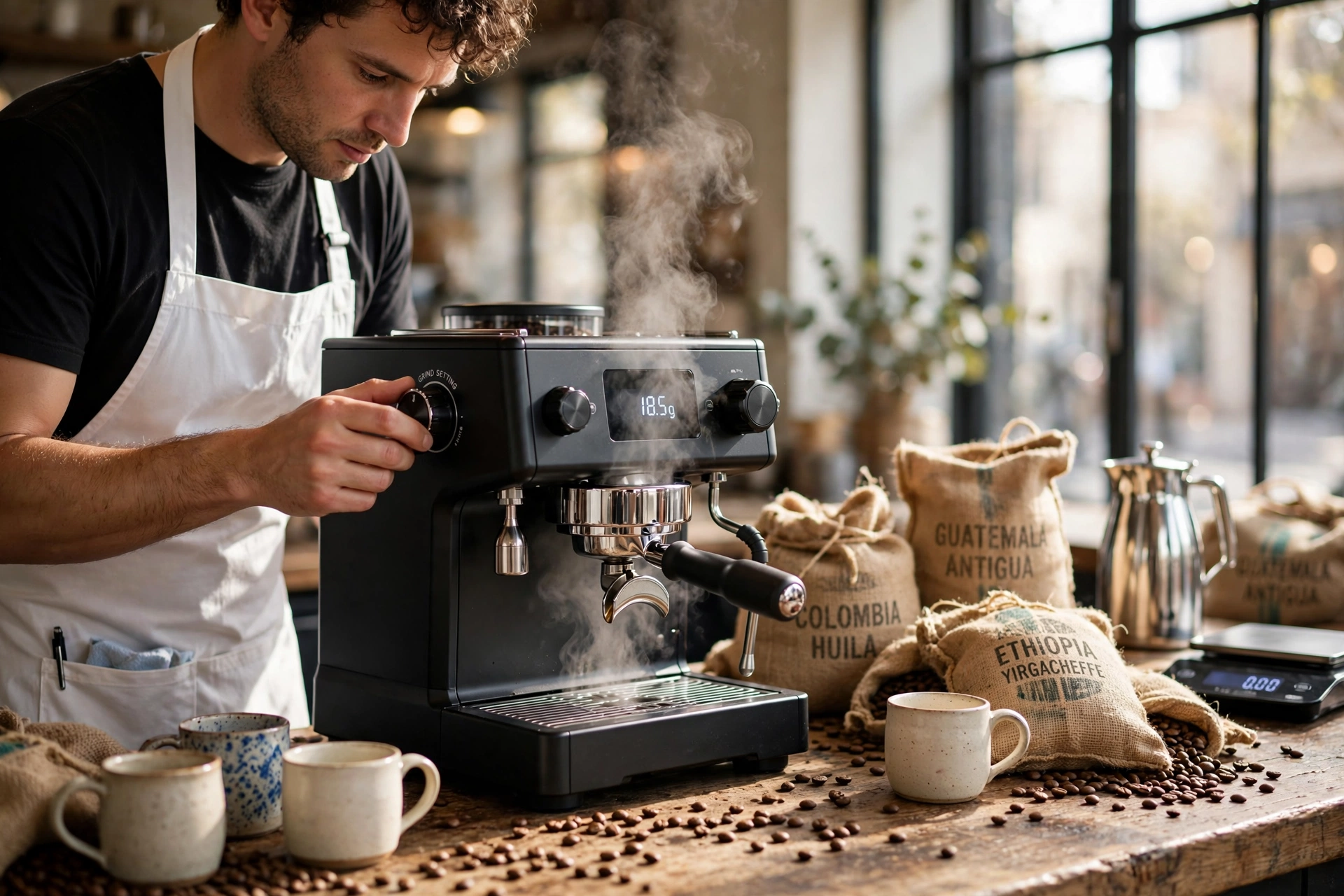
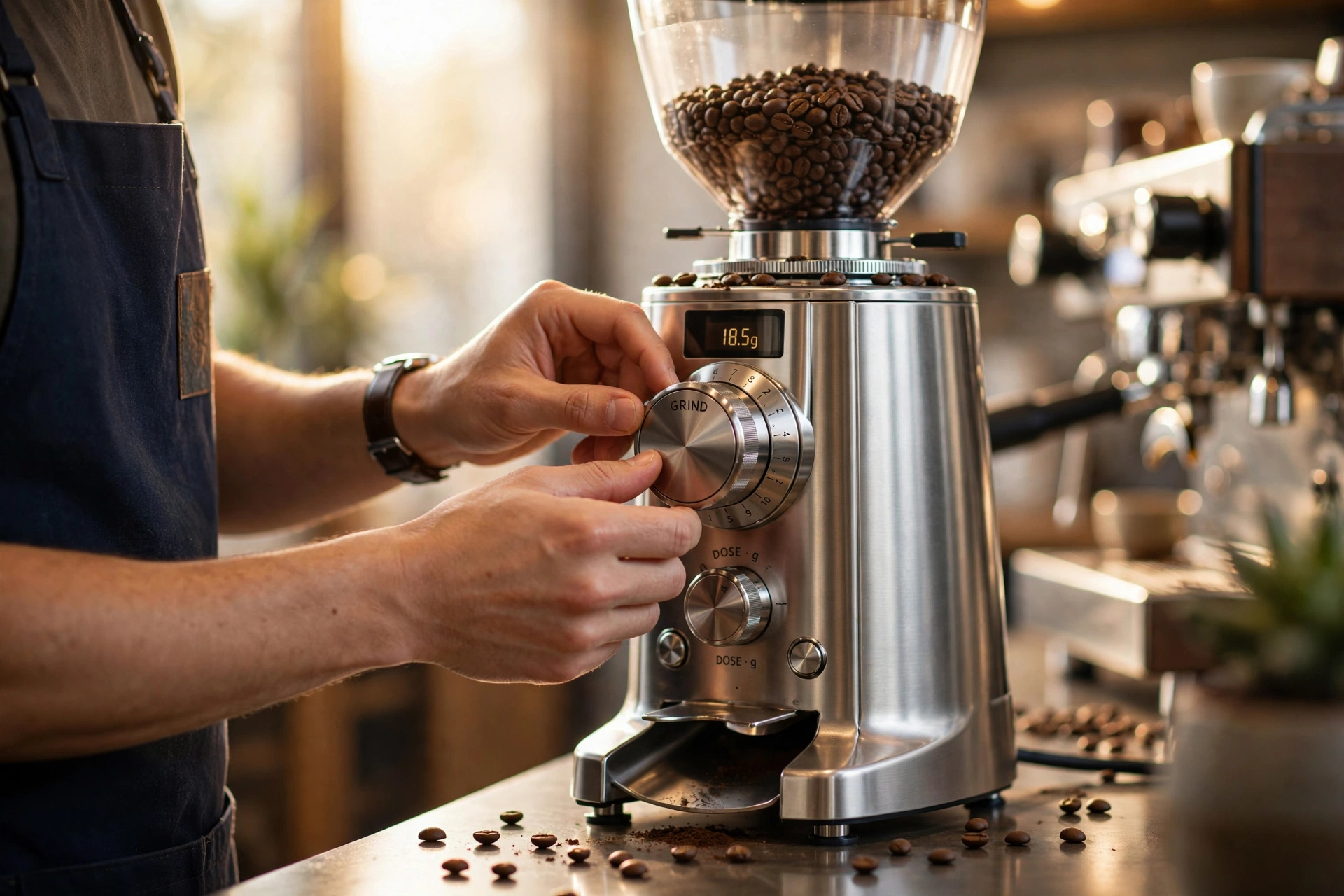
Choosing the right coffee grinders for your coffee shop is not about finding the most expensive model, but about matching the burr geometry and motor power to your specific volume and menu. At its core, a commercial grinder uses a set of rotating burrs—either flat or conical—to crush the coffee bean. Unlike home grinders that often use blades to chop beans (creating uneven chunks), commercial burrs shear the bean to a precise micron level. This precision is essential for specialty coffee, where a difference of 10 microns can be the gap between a balanced espresso and an over-extracted, bitter mess.
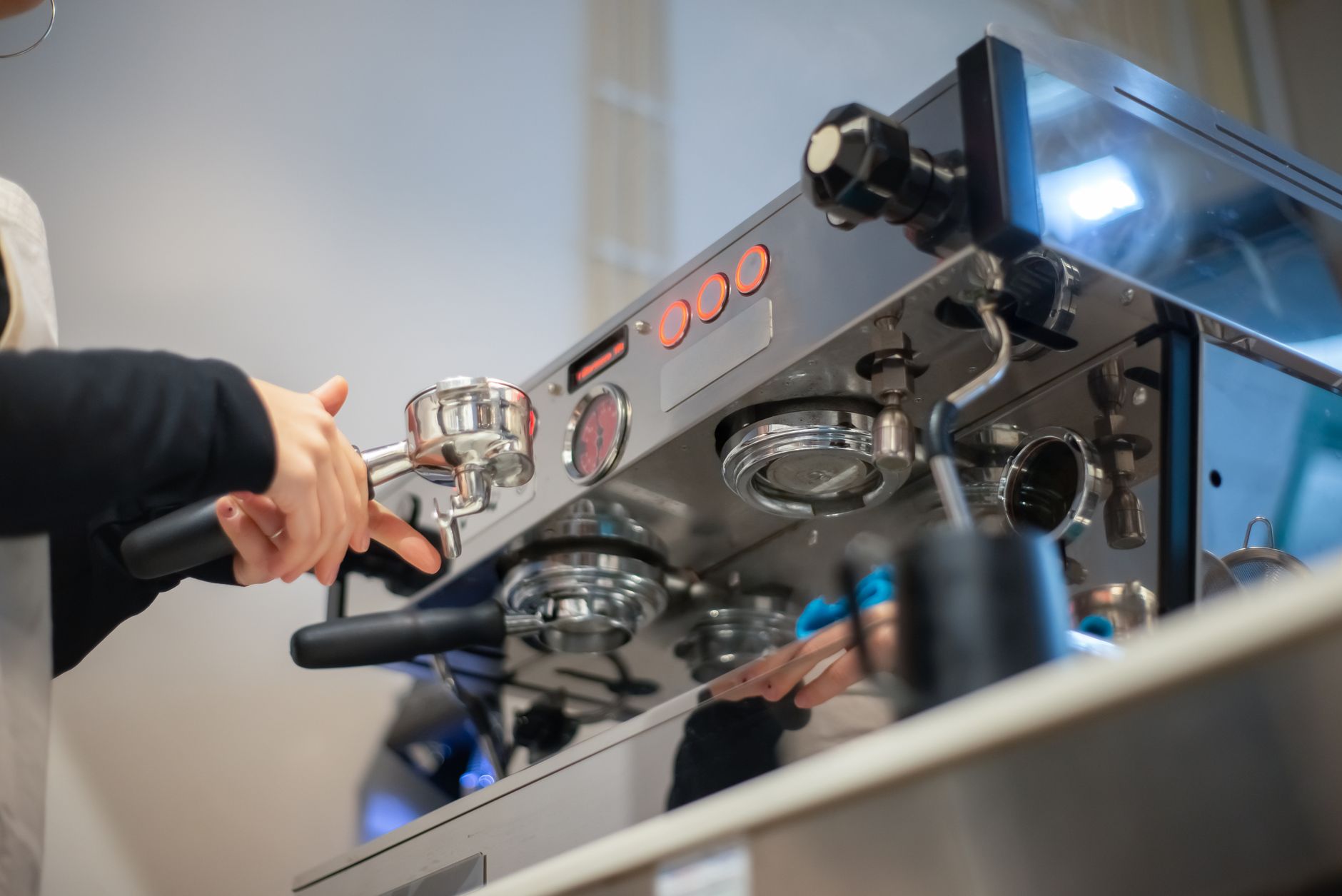
In a professional setting, the grinder must handle high thermal stability. When you grind hundreds of pounds of Coffea arabica per week, the friction creates heat. If the burrs overheat, they can "toast" the beans before they even hit the water, destroying the delicate aromatic oils. This is why high-end commercial grinders often feature cooling systems or heat-dissipating materials. When we help businesses implement their beverage programs, we always emphasize that the grinder is the actual "engine" of flavor, while the espresso machine is simply the delivery vehicle.
Why Does Grinder Precision Matter for Your Business ROI?
Precision in your coffee grinders for your coffee shop directly impacts your bottom line through waste reduction and consistency. According to the Specialty Coffee Association (SCA), the uniformity of the grind is the single most important variable in achieving a consistent extraction ratio. If your grinder produces "fines" (tiny dust-like particles) and "boulders" (large chunks), the water will take the path of least resistance, leading to channeling. This results in a shot that is simultaneously under-extracted and over-extracted.
From a financial perspective, inconsistent grinding leads to significant waste. In many shops I've audited, baristas end up "dialing in" the grinder multiple times a day, wasting 2-5 pounds of premium beans per week just to find a stable setting. Over a year, this can cost a small business thousands of dollars in lost inventory. Furthermore, the labor cost of a barista spending ten minutes every hour adjusting a drifting grinder is a hidden drain on productivity.
Moreover, consumer expectations in 2026 have shifted. Customers are more educated about specialty coffee and can detect a lack of clarity in a cup. A high-precision grinder ensures that the unique origin notes of your beans—whether they are fruity Ethiopian or chocolatey Brazilian—are clearly expressed. This allows you to justify a premium price point for your beverages. If you are integrating these into a larger setup, you might also consider Best Commercial Espresso Machines for Coffee Shops to ensure your hardware matches your grind quality.
How to Select the Best Grinder for Your Specific Use Case
Selecting the right equipment requires a deep dive into your projected volume and the variety of your menu. I've tested this with dozens of our clients, and the pattern is clear: trying to use one "all-purpose" grinder for both espresso and drip coffee is a recipe for operational failure.
1. The Espresso Workhorse (On-Demand Grinders)
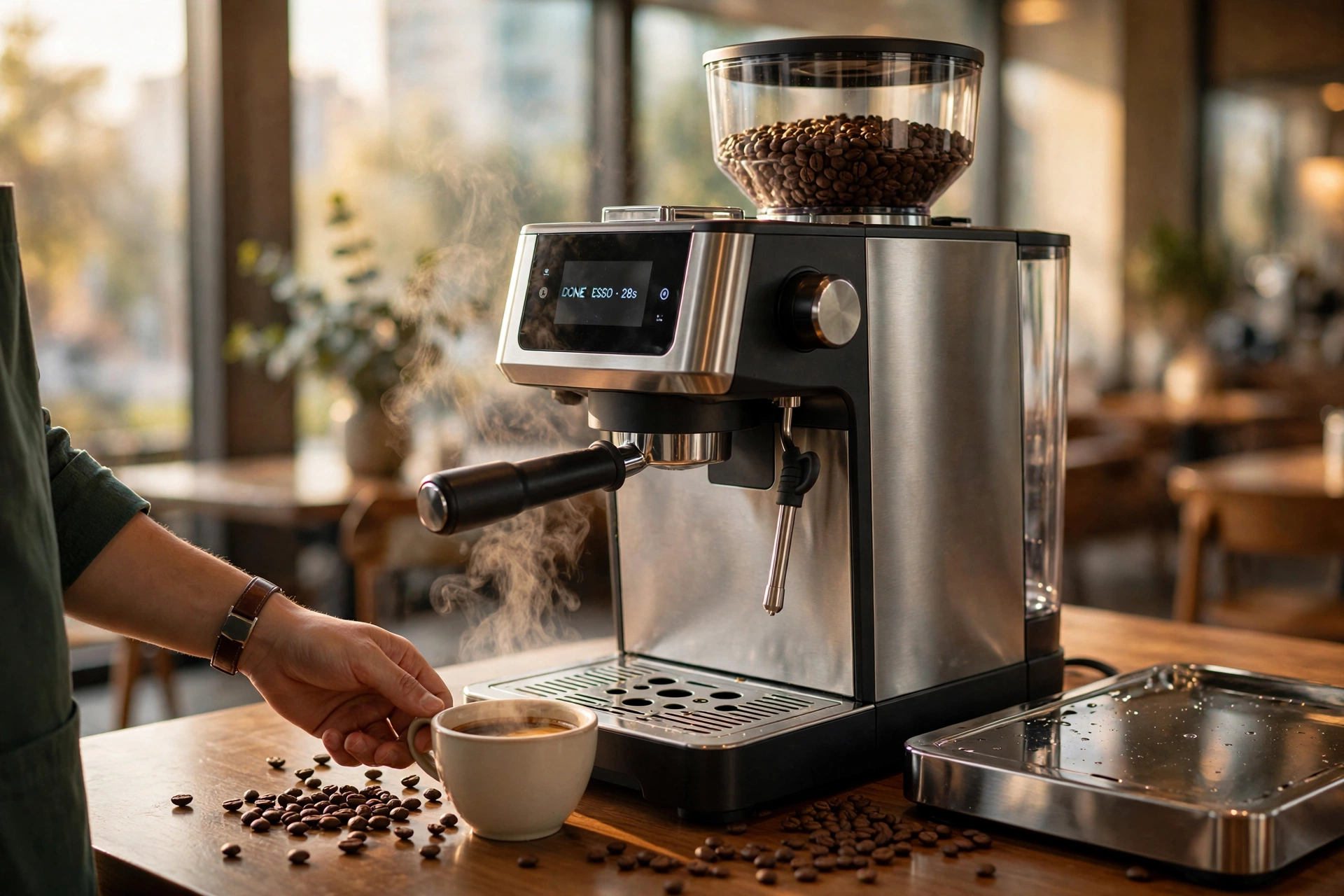
For your main espresso station, you need an on-demand grinder. These machines grind only what is needed for the current dose, minimizing oxidation. Look for grinders with "stepless" adjustment, which allows for infinite precision. This is essential for baristas who need to make micro-adjustments to account for humidity changes throughout the day. If you are running a high-traffic location, you should look into Top Bean-to-Cup Coffee Machines for Businesses as a complementary solution for slower periods.
2. The Bulk Brewer Grinder
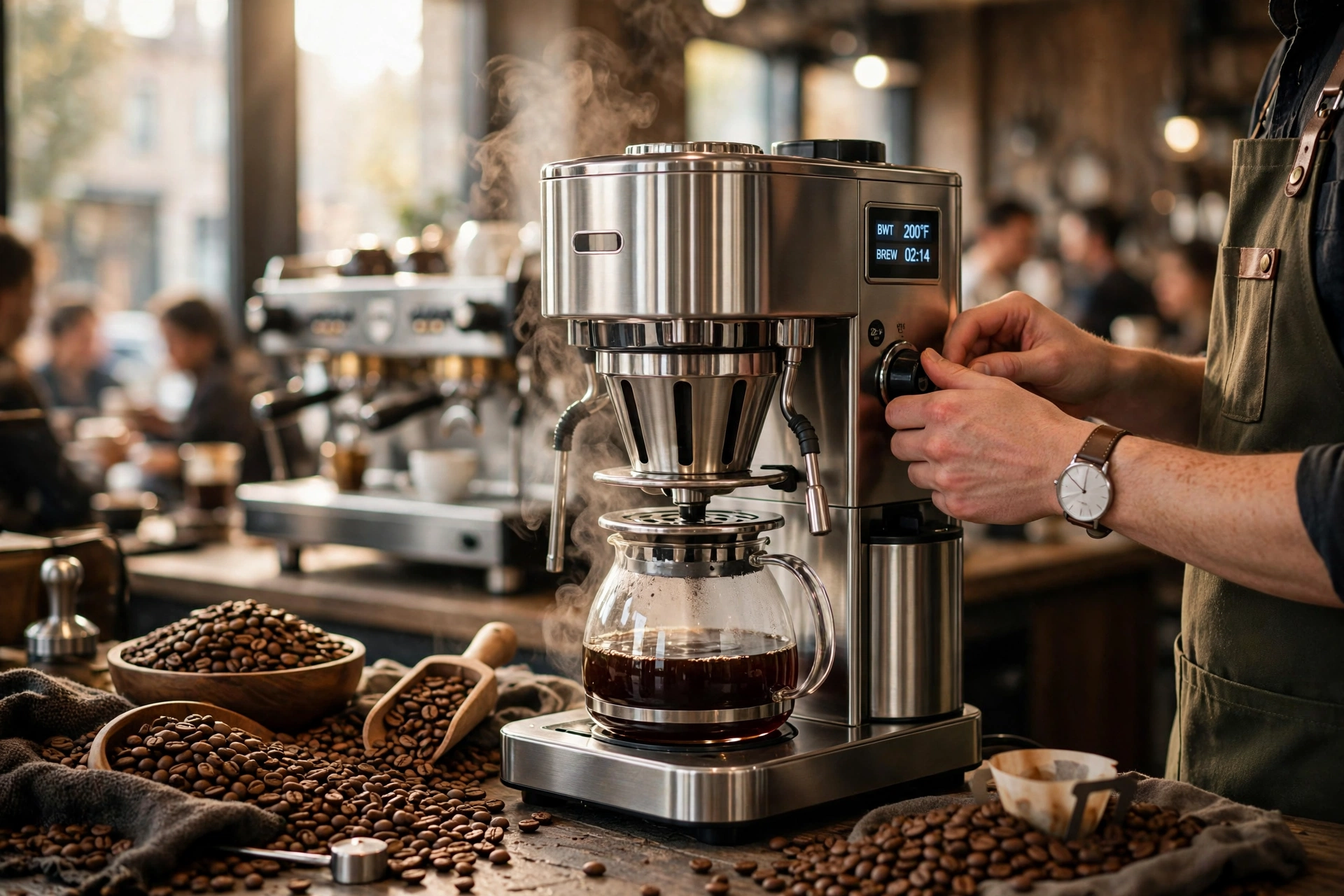
If you are offering batch brew, you need a grinder capable of producing a coarser, more uniform particle size without clogging. These grinders often have larger hoppers and higher-capacity motors. The focus here is on consistency across a large volume of coffee. Many shops pair these with Essential Commercial Drip Coffee Brewers to maintain a steady flow of high-quality black coffee.
3. The Retail/Single-Origin Grinder
If you sell bags of coffee beans and offer a "grind for home" service, a separate retail grinder is necessary. Using your main espresso grinder for retail leads to cross-contamination of flavors and disrupts your dial-in process.
Implementation Steps for Setup:
- Audit Your Menu: Determine if you need separate grinders for espresso, pour-over, and batch brew.
- Evaluate Your Volume: Calculate your peak-hour shots per hour to determine if you need a grinder with a cooling fan or a larger dosing chamber.
- Check for Certification: Ensure the equipment meets NSF International standards for sanitation and safety, specifically the NSF/ANSI 4 standard for food equipment.
- Plan the Layout: Integrate the grinder placement to minimize the distance the barista has to move. For more on this, check our Coffee Shop Layout and Design Planning Guide.
Comparing Grinding Strategies: The Professional Perspective
When choosing between different approaches, it's easy to be swayed by price tags. However, the long-term cost of ownership is what matters.
Recommended Readings
To deepen your understanding of these topics, we recommend reading the following articles:
- Coffee Shop Equipment Costs and Budget Breakdown
- Benefits of Soluble Coffee Systems in Shops
- Water Filtration Systems for Better Coffee
- Essential Furniture for Coffee Shops
Free Coffee Pairing Guide & Specialty Roast Cheat Sheet
Unlock the secrets of perfect brewing ratios, water temperatures, and specialty roast profiles. Download the guide.