📖This article is part of the complete guide to Ultimate Guide to Outfitting a Coffee Shop with Equipment.
I once watched a high-traffic cafe in Mount Pleasant, SC, lose nearly 20% of its morning queue because their single drip brewer couldn't keep up with a sudden rush of commuters. In the specialty coffee world, speed is a luxury, but consistency is a requirement. When your volume spikes, a residential machine or a low-end commercial brewer isn't just slow; it's a liability to your brand's quality. For a comprehensive overview, explore our guide on coffee shop equipment.
What are Commercial Drip Coffee Makers?
📚
Definition
Commercial drip coffee makers are high-capacity brewing systems engineered to produce large volumes of coffee while maintaining precise temperature control and saturation, ensuring consistency across multiple gallons of brew.
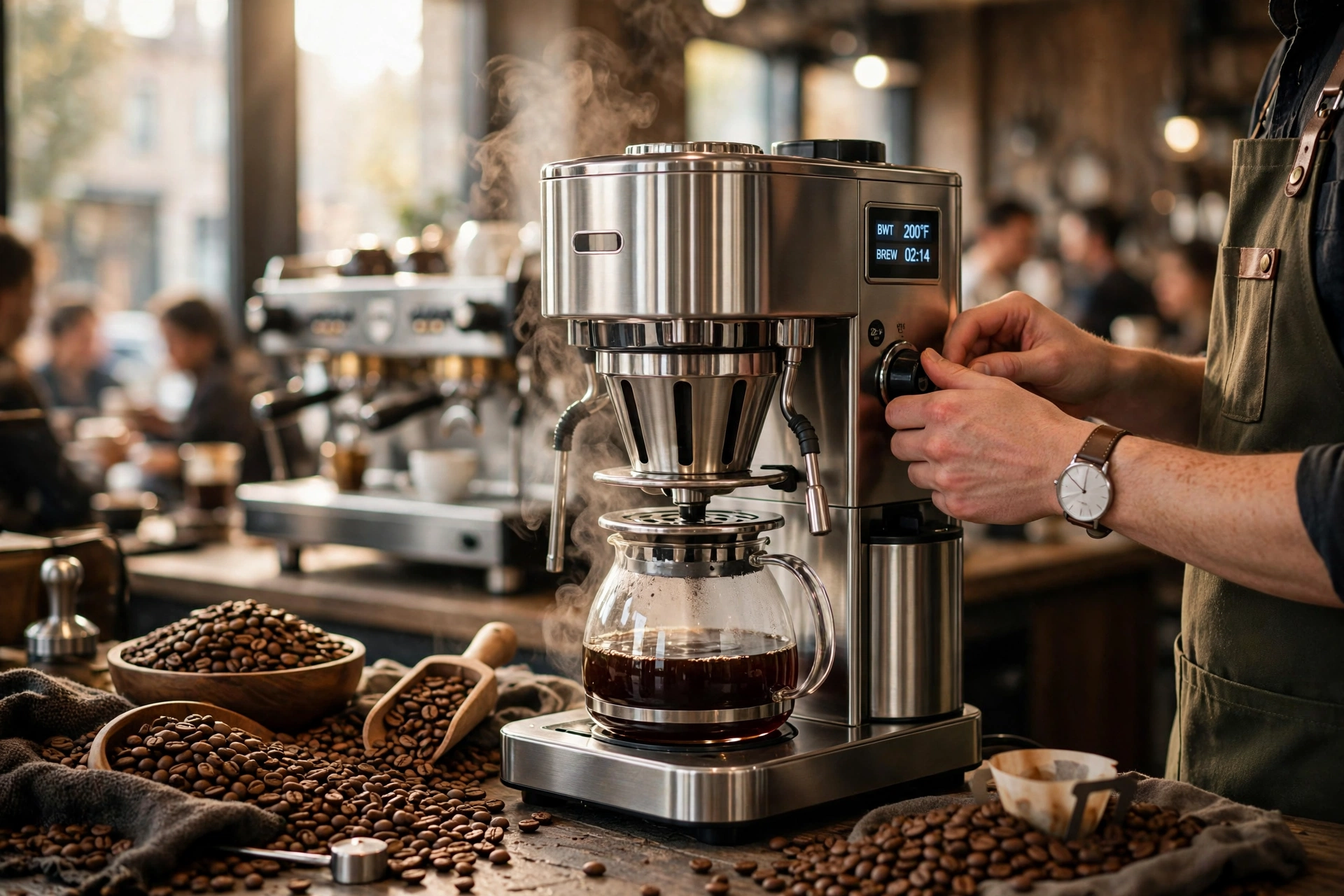
Commercial drip coffee makers differ from home brewers primarily in their heating elements and water distribution systems. While a home machine might simply drip water over a filter, professional units utilize spray heads and precision thermal carafes to prevent the coffee from scorching or tasting flat. In my experience working with dozens of high-volume foodservice businesses, the most critical factor is the "brew-to-serve" ratio. If you can't brew 1.5 gallons of specialty coffee in under six minutes without sacrificing the flavor profile of the Coffea arabica beans, your equipment is bottlenecking your revenue.
Modern commercial brewers in 2026 are focusing heavily on pulse-brewing technology. This process involves intermittent water delivery, which allows the coffee bed to bloom and degas, preventing the "channeling" that often leads to bitter, unevenly extracted coffee. When we integrate these systems at Busy Bean Coffee, we prioritize machines that offer programmable brew cycles, allowing a barista to set the exact water volume and temperature for different roast profiles.

Why Does the Right Drip System Matter for Your Business?
Choosing the right commercial drip coffee makers is not about buying the most expensive machine; it is about matching your equipment to your hourly peak volume. According to the Specialty Coffee Association (SCA), maintaining a brewing temperature between 195°F and 205°F is fundamental for extracting the complex acids and sugars in specialty coffee. A cheap brewer fluctuates in temperature, which means your first pot tastes great, but the third pot tastes like burnt rubber.
High-efficiency brewers directly impact your bottom line through waste reduction. Inaccurate dosing or poor saturation leads to "spent" grounds that still contain usable flavor, forcing baristas to use more coffee than necessary. When the brew is precise, you maximize the yield of every pound of coffee bean you purchase. This is particularly important in 2026, as the cost of high-grade Arabica coffee continues to be influenced by volatile global climate patterns, as noted in the International Coffee Organization (ICO) reports.
Furthermore, drip coffee serves as the reliable anchor of your menu. While customers love the novelty of bean-to-cup machines, the vast majority of morning regulars want a consistent, hot cup of filter coffee. If that consistency wavers, you lose the "habitual customer"—the person who visits 22 days a month. A professional setup ensures that whether it is 6:00 AM or 11:00 AM, the flavor profile remains identical.
How to Implement a High-Volume Drip Program
Implementing a professional drip program requires more than just plugging in a machine. You must synchronize your brewing schedule with your customer traffic data. Start by analyzing your peak hours; if your rush is concentrated between 7:00 AM and 9:00 AM, you need a system capable of "batch brewing" that doesn't degrade in quality over a two-hour window.
- Water Filtration Setup: Never connect a commercial brewer directly to a city water line without a professional filtration system. Minerals like calcium and magnesium build up in the heating element, leading to scale and eventual machine failure. This is a common point of failure I see in many Mount Pleasant businesses that ignore water chemistry.
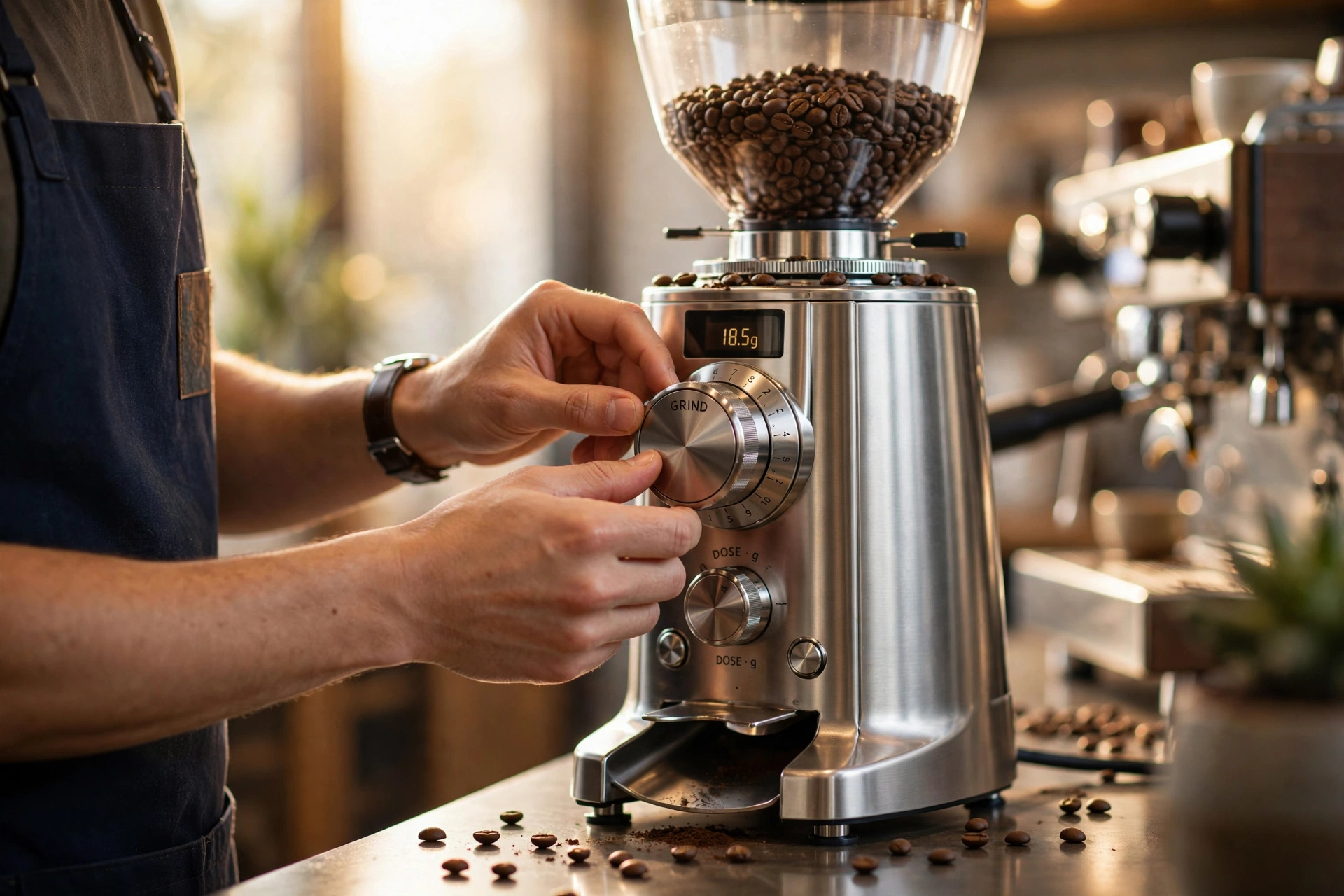
- Calibration of Grind Size: Drip coffee requires a coarser grind than espresso. If you use the wrong setting on your coffee grinders for shops, the water will flow too slowly, causing over-extraction and bitterness. You must calibrate the grind specifically for the filter paper you are using.
- The "Brew-and-Hold" Strategy: Use insulated thermal servers rather than hot plates. Hot plates continue to cook the coffee, destroying the delicate aromatics of specialty coffee. Thermal carafes keep the coffee hot through vacuum insulation, preserving the flavor for hours.
Recommended Readings
To deepen your understanding of these topics, we recommend reading the following articles:
- Coffee Shop Equipment Costs and Budget Breakdown
- Benefits of Soluble Coffee Systems in Shops
- Water Filtration Systems for Better Coffee
- Instant Coffee Dispensers for Busy Cafes
Free Coffee Pairing Guide & Specialty Roast Cheat Sheet
Unlock the secrets of perfect brewing ratios, water temperatures, and specialty roast profiles. Download the guide.