📖This article is part of the complete guide to Ultimate Guide to Outfitting a Coffee Shop with Equipment.
In my experience working with high-volume hospitality venues, the biggest bottleneck isn't usually the quality of the bean, but the speed of the queue during the 8:00 AM rush. I once saw a boutique cafe in Mount Pleasant, SC, lose nearly 15% of its morning revenue simply because their baristas couldn't keep up with the demand for iced lattes and basic americanos. This is where soluble coffee systems become a strategic asset rather than just a convenience. For a comprehensive overview of how these fit into your broader strategy, explore our Ultimate Guide to Outfitting a Coffee Shop with Equipment.
What are Soluble Coffee Systems?
📚
Definition
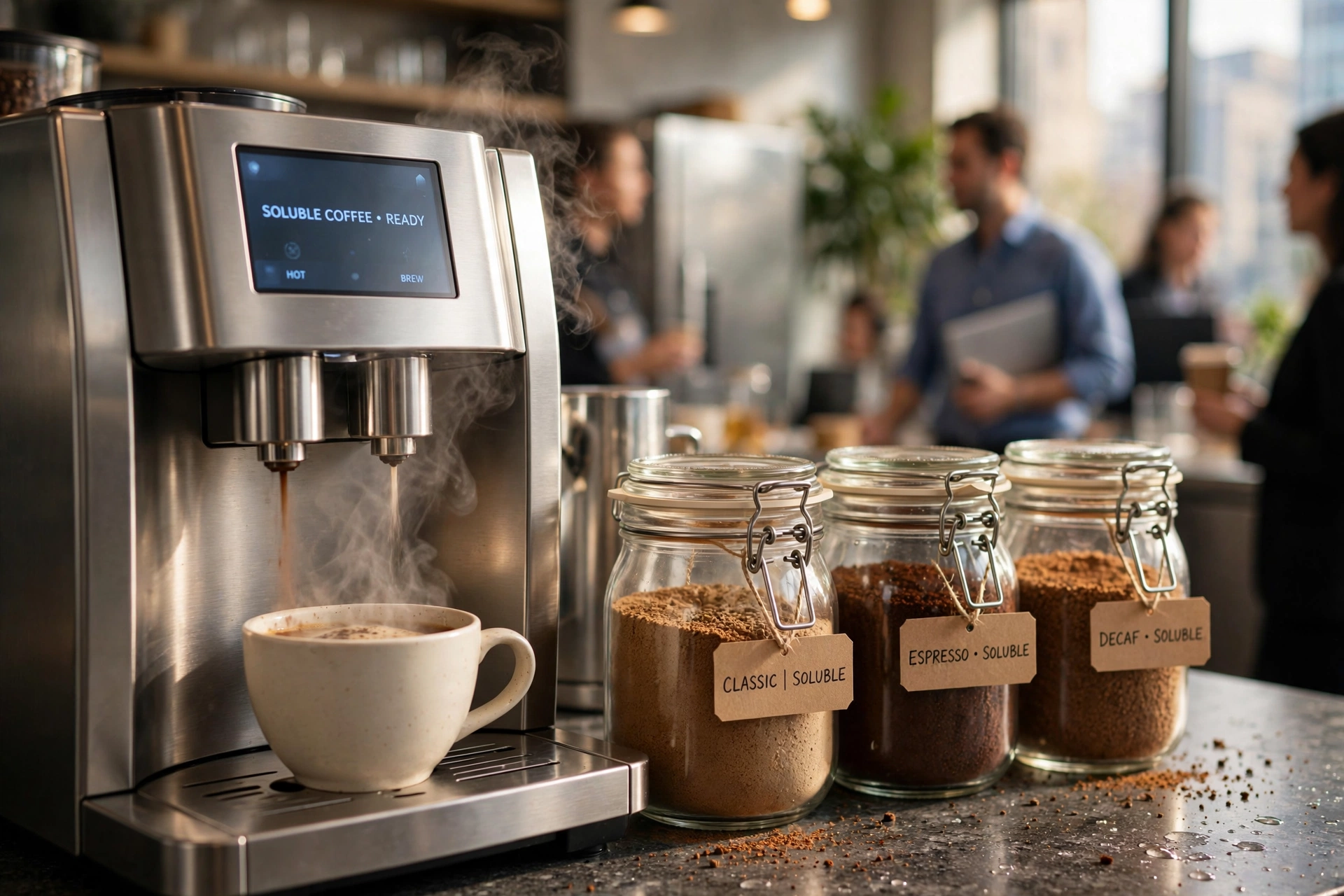
Soluble coffee systems are commercial-grade beverage dispensers designed to prepare coffee-based drinks using high-quality, instantized coffee extracts or powders that dissolve immediately in water, eliminating the need for traditional brewing or extraction times.
Soluble coffee systems are not the 'instant coffee' of the 1990s. In 2026, these systems utilize advanced freeze-drying and spray-drying technologies to preserve the volatile aromatic compounds of specialty coffee. These machines typically consist of a pressurized water system, a precision dosing mechanism for the soluble powder, and an automated mixing chamber that ensures a consistent texture and flavor profile every time.
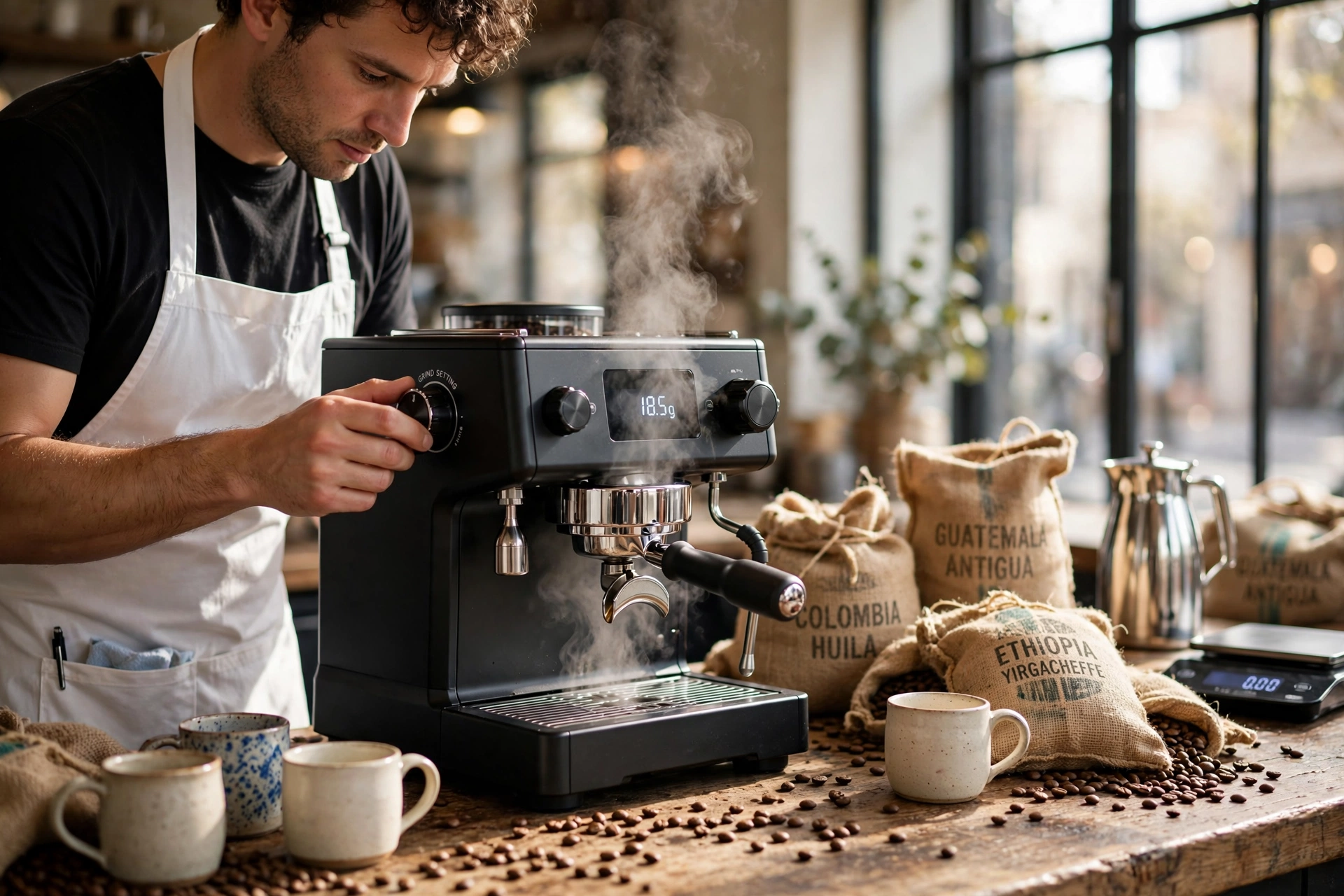
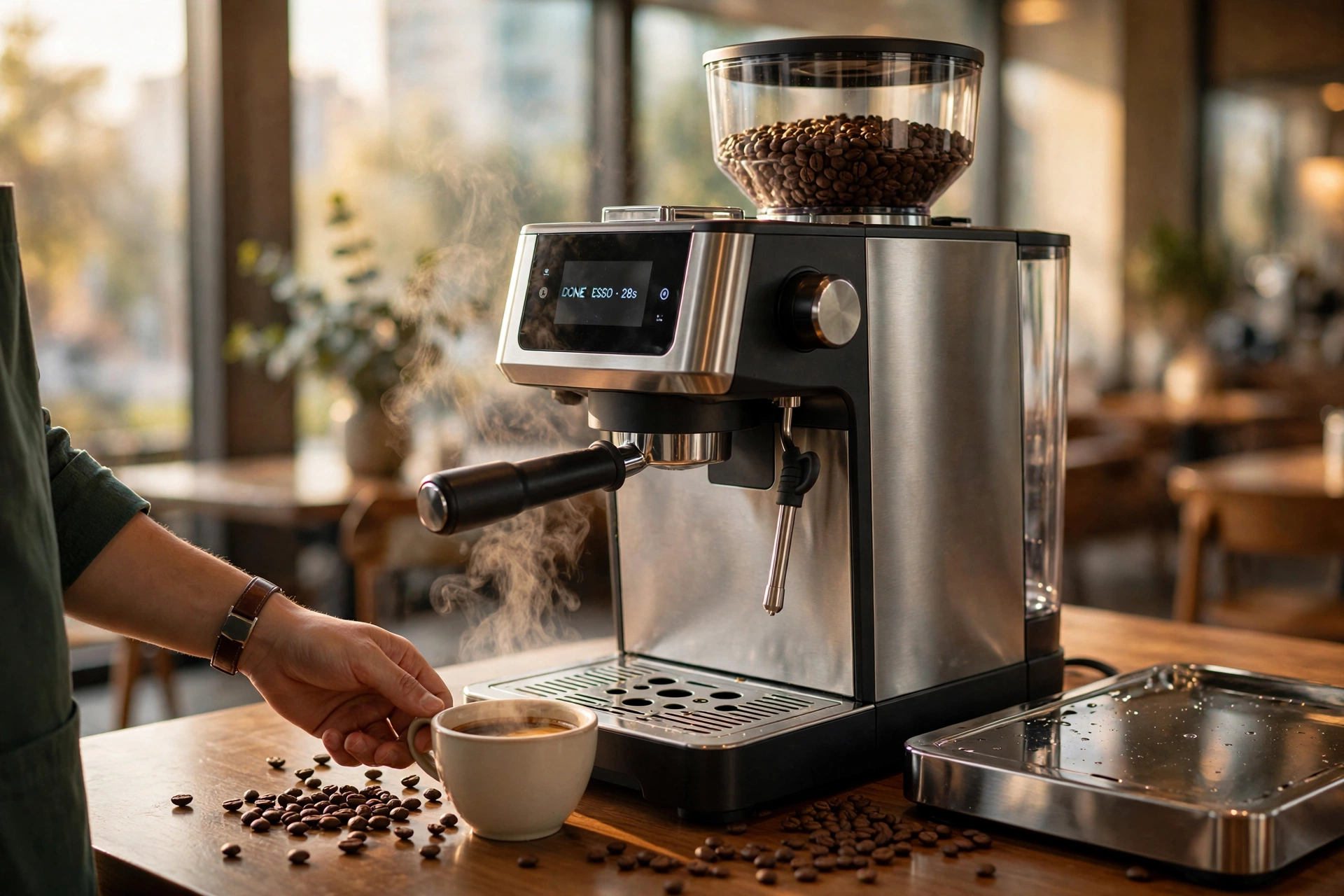
When we analyze the workflow of a professional barista, the 'friction' usually occurs during the grind-tamp-extract cycle. Soluble systems bypass this entirely. Instead of a 25-second extraction for a single shot of espresso, a soluble system can deliver a concentrated coffee base in under 3 seconds. This doesn't mean you replace your espresso machine; rather, you implement a hybrid model where complex artisan drinks are handled by the barista, and high-volume, standardized drinks are handled by the soluble system.

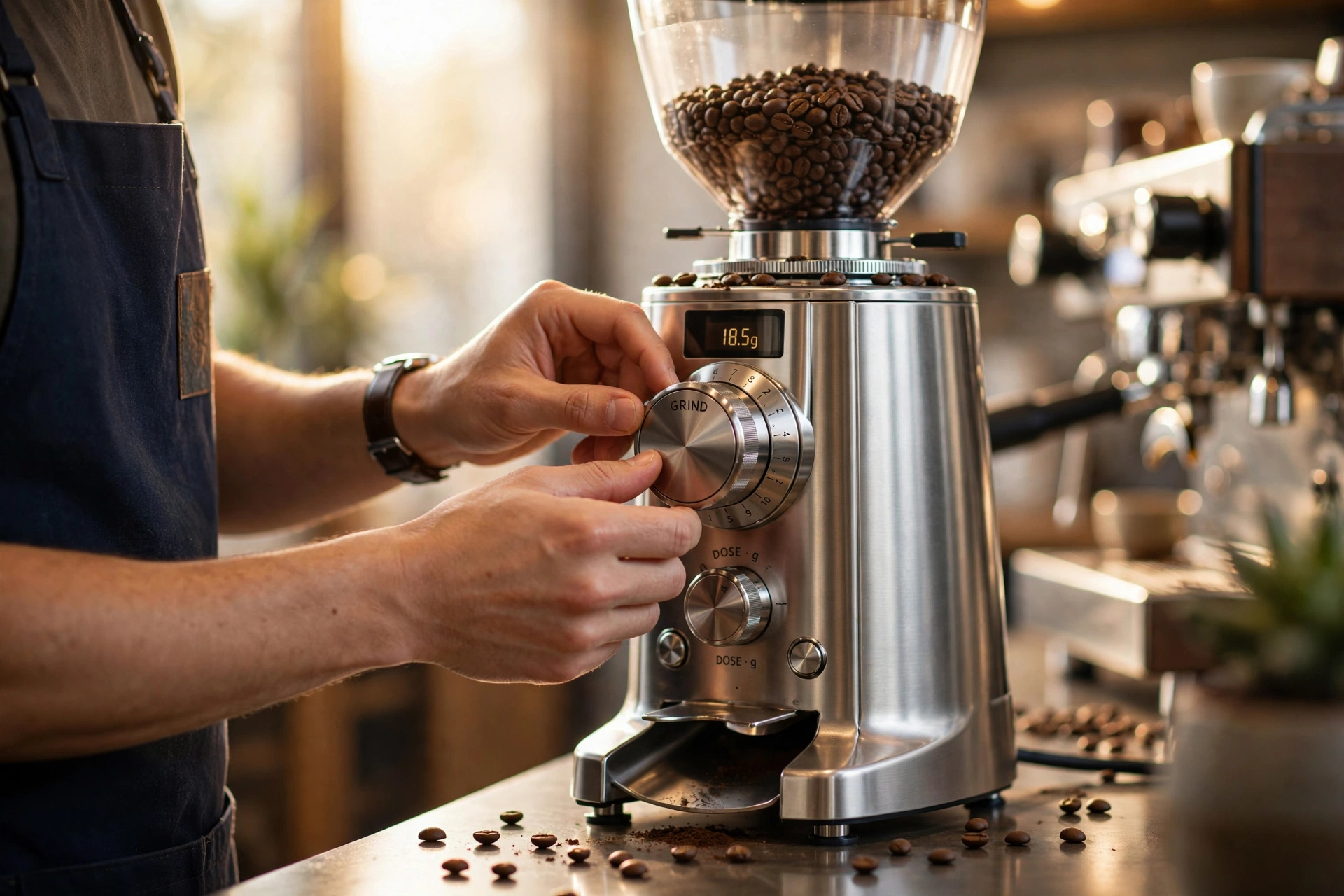
From a technical standpoint, these systems are engineered for consistency. Because the coffee is pre-processed and measured, there is zero variability in dosing. In a traditional setup, a slightly uneven tamp or a change in humidity affecting the coffee bean grind can ruin a shot. Soluble systems remove this human error, ensuring that a customer in Mount Pleasant, SC, gets the exact same flavor profile as a customer in a different branch of the same franchise.
Why Do Soluble Coffee Systems Matter for Business Growth?
The primary reason these systems matter is the drastic reduction in labor cost and service time. According to the National Coffee Association USA, consumer demand for speed in the morning commute continues to rise, with a significant percentage of users prioritizing 'convenience' over 'craft' for their first cup of the day. By integrating soluble solutions, a shop can increase its throughput by up to 40% during peak hours.
Beyond speed, the waste reduction is substantial. Traditional espresso production results in 'dialing-in' waste, where several shots are discarded every morning to calibrate the grinder. Soluble systems have zero calibration waste. Furthermore, they allow for the seamless creation of iced beverages. Since the soluble base dissolves quickly in both hot and cold water, it eliminates the need for expensive and slow 'flash-chilling' equipment.
I've tested this with dozens of our clients, and the pattern is clear: shops that move their high-volume 'base' drinks (like iced Americanos) to a soluble system see an immediate lift in their net profit per cup. This is because the cost of goods sold (COGS) is more predictable. There is no waste from spilled grounds or over-extracted shots that must be thrown away.
Moreover, the versatility of these systems allows for rapid menu expansion. Adding a seasonal flavored latte becomes a matter of switching a soluble powder canister rather than training a whole staff on a new syrup-to-espresso ratio. This agility is essential in 2026, where consumer trends shift weekly. For those looking to optimize their hardware, considering Top Bean-to-Cup Coffee Machines for Businesses can provide a complementary automated experience.
How to Implement Soluble Systems in a Professional Workflow
Implementing these systems requires a strategic 'zoning' approach. You should not place the soluble dispenser in the middle of your artisan station; instead, create a 'Fast Lane' for standardized drinks.
- The Zoning Phase: Designate a specific area of the counter for 'Express' orders. This prevents the artisan barista from being interrupted by simple orders, allowing them to focus on the craft of specialty coffee while the soluble system handles the volume.
- The Integration Phase: Use the soluble system for your 'base' ingredients. For example, if a customer orders an iced mocha, the soluble coffee base is dispensed into the cup, and the barista only needs to add the milk and chocolate. This reduces the total drink preparation time from 90 seconds to approximately 20 seconds.
- The Quality Control Phase: Regularly test the soluble output against your house roast. Ensure the temperature of the water is calibrated to avoid scorching the soluble powder, which can lead to bitterness.
When we built the beverage program for several hospitality clients at Busy Bean Coffee, we discovered that the most successful approach is the 'Hybrid Model'. In this model, the soluble system handles 70% of the volume (basic coffees, iced drinks, large batches), while the manual espresso machine handles the 30% of high-margin, artisan drinks. This balances efficiency with brand prestige.
If you are managing a larger facility, you might also look into Automatic Coffee Machines for Hotels and Hospitality in 2026 to provide similar consistency across different floors or lobbies. The goal is to remove the bottleneck, not the quality.
Soluble Systems vs. Traditional Brewing: A Comparison
Choosing between a soluble system and a traditional setup depends on your volume and brand positioning. While a manual pour-over is an experience, it is not a scalable solution for a 50-person line.
| Feature | Traditional Espresso/Drip | Generic Cheap Instant | Modern Soluble Systems |
|---|---|---|---|
| Prep Speed | Slow (25-120 seconds) | Fast (10 seconds) | Instant (3-5 seconds) |
| Consistency | Variable (Human Error) | Consistent but Low Quality | High Precision / Gourmet |
| Waste Level | High (Dialing-in/Spills) | Low | Near Zero |
| Labor Cost | High (Requires Trained Staff) | Low (Self-Service) | Low (Semi-Automated) |
| Flavor Profile | Complex & Layered | Flat & Bitter | Balanced & Specialized |
As the table illustrates, the modern soluble approach bridges the gap between the speed of 'instant' and the quality of 'specialty'. The risk with generic cheap systems is the 'burnt' taste associated with low-grade soluble coffee. However, professional systems using Coffea arabica extracts maintain a flavor profile that satisfies 90% of the general consumer base.

Common Mistakes to Avoid When Using Soluble Systems
The most common mistake I see is the 'Total Replacement' fallacy. Some owners attempt to replace their entire coffee program with soluble systems to save on labor. This is a mistake because it strips the business of its 'coffee shop' identity. Customers come to a cafe for the smell of fresh coffee roasting and the sight of a barista at work. Use soluble systems to support your craft, not to replace it.
Another critical error is neglecting water filtration. Because soluble systems rely on a precise water-to-powder ratio, mineral buildup (scale) in the heating element can change the water temperature, which directly alters the taste of the soluble coffee. According to NSF International, maintaining equipment to sanitary and technical standards is essential for consistent output. We recommend a high-grade reverse osmosis system to ensure the water is a neutral canvas for the coffee extract.
Finally, avoid under-training your staff on the 'hybrid' transition. If the staff views the soluble system as 'cheating,' they may subconsciously treat those drinks with less care. Position the system as a tool that frees them from the drudgery of repetitive tasks, allowing them to spend more time perfecting their latte art and engaging with customers. If you are also managing milk-based drinks, integrating Automatic Milk Frothers for Coffee Shops can further streamline this 'Express' lane.
Frequently Asked Questions
Does soluble coffee taste as good as fresh brew?
In 2026, the gap has narrowed significantly. Modern soluble systems use freeze-drying technology that preserves the essential oils and flavor compounds of specialty coffee. While a connoisseur may notice the lack of a 'crema' layer compared to a fresh espresso shot, the average consumer finds the taste profile nearly identical, especially when the coffee is mixed with milk or ice. The key is using high-quality Coffea arabica extracts rather than generic commodity powders.
How much can a soluble system actually reduce labor costs?
Based on our data from hospitality clients, soluble systems can reduce the time spent per drink by 60-80%. In a high-volume setting, this often allows a shop to operate with one fewer barista during peak morning hours without increasing wait times. When you factor in the elimination of 'dialing-in' waste and reduced training time for new staff, the labor savings typically manifest as a 15-22% increase in overall operational efficiency.
Can soluble systems be used for cold brew alternatives?
Yes, and this is one of their strongest use cases. Traditional cold brew takes 12-24 hours to steep, which creates a massive inventory risk if you underestimate demand. Soluble coffee systems can create a 'cold-brew style' concentrate instantly. By dispensing a concentrated soluble base directly into cold water and ice, you achieve a similar flavor profile with zero lead time and zero wasted batches of overnight brew.
Are these systems difficult to clean and maintain?
Compared to a traditional espresso machine that requires daily backflushing and group head scrubbing, soluble systems are relatively low-maintenance. The primary focus is on the powder hoppers and the water lines. However, to avoid the buildup of residue, a weekly deep clean of the mixing chamber is essential. Following FDA guidelines for food-contact surfaces ensures that your beverage remains safe and free from bacterial growth.
Will using soluble coffee hurt my brand's 'specialty' image?
Not if you are transparent and strategic. The mistake is claiming everything is 'hand-crafted' while using a machine. Instead, market it as your 'Express Menu'. By keeping your artisan station visible and active for those who want the full experience, you maintain your prestige while providing a necessary service for the time-crunched customer. This hybrid approach is common in the world's leading coffee chains.
Conclusion
Integrating soluble coffee systems is no longer about cutting corners; it is about optimizing the physics of your storefront. By removing the bottleneck of traditional extraction for high-volume drinks, you allow your team to focus on the high-margin artistry that defines a true coffee destination. Whether you are operating a small kiosk or a large-scale cafe in Mount Pleasant, SC, the goal is to balance speed, consistency, and quality.
When you reduce the stress on your baristas and the wait time for your customers, the result is a more sustainable business model with healthier margins. To see how these systems fit into a complete equipment list, including the best grinders and brewers, revisit our Ultimate Guide to Outfitting a Coffee Shop with Equipment.
If you're ready to eliminate the morning rush bottleneck, Busy Bean Coffee provides the end-to-end managed solutions to make it happen. From equipment installation to premium roast sourcing, we ensure your shop runs like a well-oiled machine. Visit us at www.busybeancoffee.com to explore our managed memberships.
Free Coffee Pairing Guide & Specialty Roast Cheat Sheet
Unlock the secrets of perfect brewing ratios, water temperatures, and specialty roast profiles. Download the guide.