📖This article is part of the complete guide to Ultimate Guide to Outfitting a Coffee Shop with Equipment.
I once saw a talented roastmaster lose their entire seed investment because they spent 80% of their budget on a flashy espresso machine and forgot to budget for a commercial-grade water filtration system and refrigeration. Within three months, the scale buildup ruined the boiler, and the lack of proper cooling led to health department warnings. In the specialty coffee world, your budget isn't just about the price tags; it is about the cost of ownership and the risk of failure. For a comprehensive overview of the gear itself, explore our Ultimate Guide to Outfitting a Coffee Shop with Equipment.
What is the Average Coffee Shop Equipment Cost in 2026?
📚
Definition
Coffee shop equipment cost refers to the total capital expenditure (CAPEX) required to purchase, install, and calibrate all hardware necessary to produce beverage and food items in a commercial setting.
When analyzing current market data for 2026, the total coffee shop equipment cost typically ranges from $15,000 for a minimalist kiosk to over $120,000 for a full-service specialty cafe. The variance depends heavily on whether you prioritize high-volume automation or artisanal manual control. For most independent operators, the 'sweet spot' for a quality setup lies between $35,000 and $60,000. This range allows for a professional-grade espresso machine, high-precision grinders, and necessary refrigeration without compromising on the quality of the extraction.
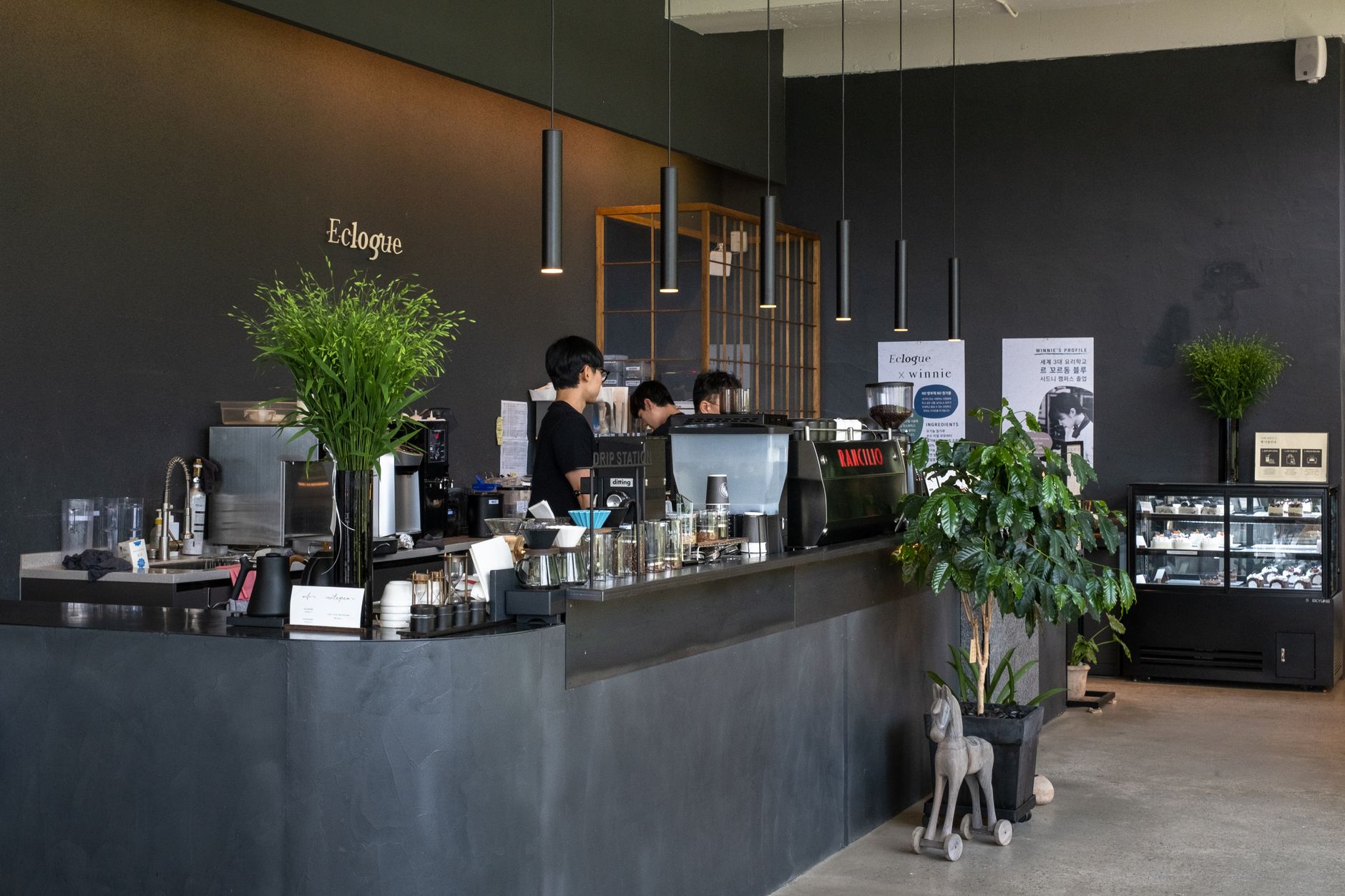
To understand these costs, we must categorize them. The 'Front of House' (FOH) equipment—espresso machines, grinders, and brewers—usually consumes 40% to 60% of the budget. The 'Back of House' (BOH) equipment—dishwashers, ice machines, and refrigerators—accounts for another 30%. The remaining 10% to 20% often disappears into 'hidden' costs: plumbing, electrical upgrades, and the installation of water filtration systems. In my experience working with new cafe owners in Mount Pleasant, SC, the most frequent budgeting error is failing to account for the 220V electrical requirements of high-end machines, which can add thousands to the initial build-out cost.
Why Does a Detailed Budget Breakdown Matter for Your Business?
Precise budgeting is the only way to ensure your cash flow remains positive during the volatile first six months of operation. According to the National Coffee Association USA (NCA), consumer preferences in 2026 are shifting toward highly specialized drinks, meaning your equipment must be versatile enough to handle various milk alternatives and specialty roasts without requiring a total hardware overhaul every two years.
First, it prevents the 'Equipment Gap'—the dangerous scenario where you have a $20,000 espresso machine but a $200 home-grade grinder. This creates a bottleneck in production and ruins the flavor profile of your Coffea arabica. Second, it allows you to calculate your exact Break-Even Point (BEP). If you spend $50,000 on equipment with a projected monthly revenue of $10,000, your equipment ROI timeline is fundamentally different than if you leased the gear.
Furthermore, sticking to a rigorous budget ensures compliance with safety standards. Equipment certified by NSF International typically costs more upfront but is essential for passing health inspections. Choosing a cheaper, non-certified alternative may save $1,000 today but could cost you $5,000 in fines or forced replacements later. As we've seen in dozens of our clients' setups, the cost of downtime for a broken, budget-brand machine far outweighs the monthly cost of a premium managed service.
How to Allocate Your Coffee Shop Equipment Budget Step-by-Step
The most effective way to allocate your budget is through a tiered priority system. You should focus on the 'Engine' of your business first—the items that directly impact the taste of the coffee and the speed of the queue.
-
The Extraction Core (High Priority): This includes your espresso machine and grinders. If you are targeting a high-volume market, look into our Best Commercial Espresso Machines for Coffee Shops. A dual-boiler machine is standard for 2026 to ensure temperature stability. Budget between $5,000 and $15,000 here. Do not skimp on the grinder; a professional burr grinder is what actually determines the consistency of your shots. For more on this, check our guide on choosing coffee grinders.
-
The Volume Support (Medium Priority): These are your batch brewers and milk systems. If your menu relies on drip coffee, investing in Essential Commercial Drip Coffee Brewers is non-negotiable. If you want to reduce labor costs, Automatic Milk Frothers for Coffee Shops can save you 30 seconds per drink. For those who prefer a streamlined, all-in-one approach, Top Bean-to-Cup Coffee Machines for Businesses can replace several pieces of equipment, though they trade off some artisanal control.
-
The Infrastructure (Critical Priority): Water filtration. According to the Specialty Coffee Association (SCA), water chemistry is the most overlooked variable in coffee quality. A reverse osmosis system or a high-end carbon filter costs between $500 and $2,000 but protects your $10,000 machine from lime scale. This is a non-negotiable line item.
-
The Storage and Sanitation (Operational Priority): Under-counter refrigeration, ice machines, and three-compartment sinks. Budget roughly $4,000 to $8,000 for these. Ensure your refrigeration is Energy Star rated to keep monthly utility bills manageable.
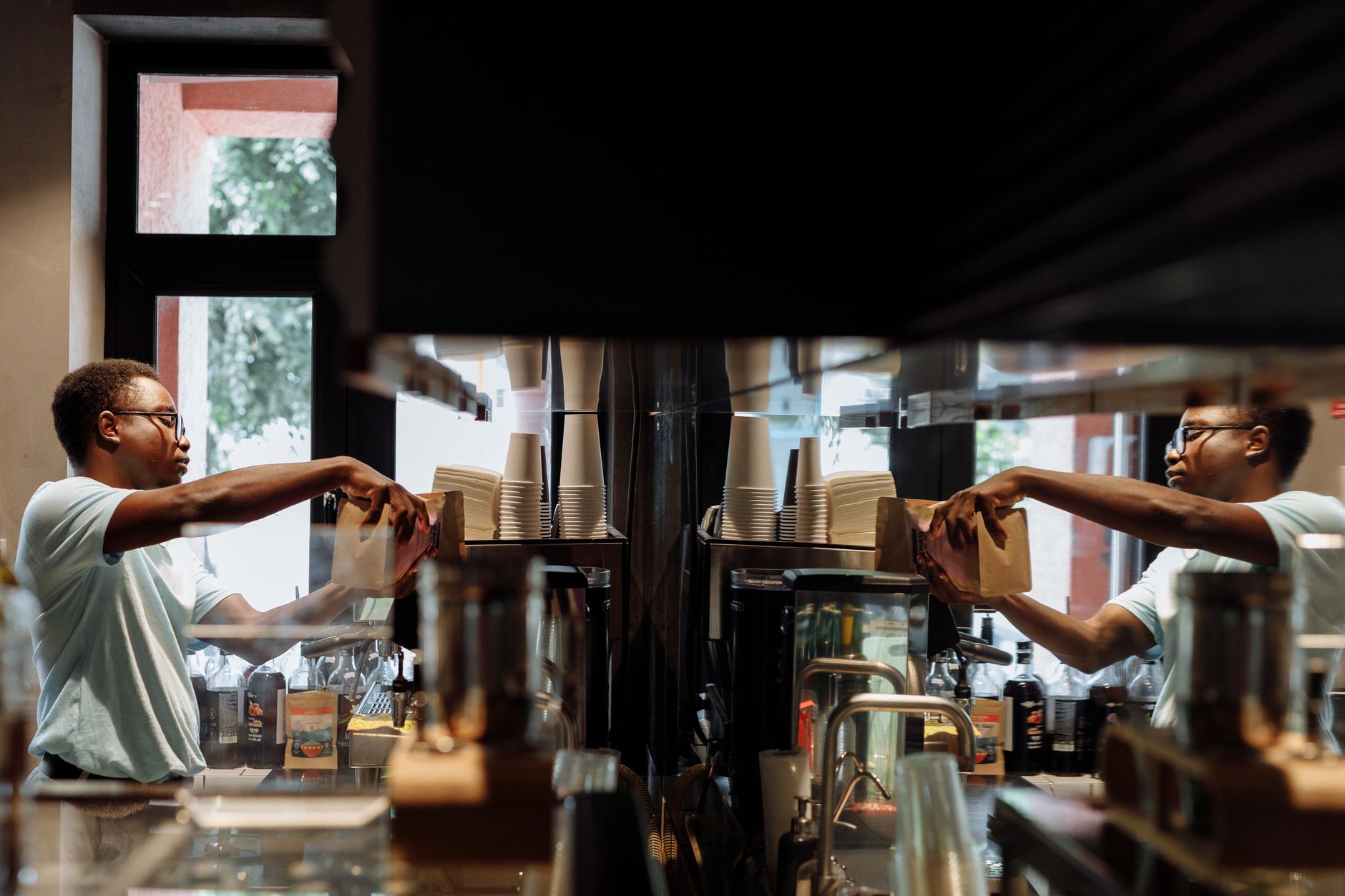
At Busy Bean Coffee, we recommend the '80/20 Rule' for equipment: spend 80% of your budget on the 20% of gear that touches the coffee bean. Everything else can be sourced as high-quality used gear or leased to preserve your capital.
Traditional Purchasing vs. Managed Coffee Services
Many owners struggle to decide between buying everything outright or using a managed membership. The traditional route offers total ownership but carries immense risk and high upfront costs. A managed approach, like the one we provide at Busy Bean Coffee, transforms a massive capital expense into a predictable monthly operational expense (OPEX).
| Feature | Traditional Purchase | Cheap/Used AI Gear | Busy Bean Managed Service |
|---|---|---|---|
| Upfront Cost | Extremely High ($30k+) | Low ($5k - $10k) | Low to Zero |
| Maintenance | Owner's Responsibility | Frequent Breakdowns | Full Coverage Included |
| Quality Control | Variable (depends on skill) | Poor/Inconsistent | Professional Q-Grader Support |
| Scalability | Slow (requires more capital) | Risky | Fast and Flexible |
| Equipment Age | Depreciates Quickly | Outdated/Obsolete | Always Modern (SENSA) |
💡
Key Takeaway
While purchasing equipment gives you an asset on the balance sheet, a managed service eliminates the 'Technical Debt' of maintenance and repairs, which typically cost 5-10% of the machine's value annually.
Common Budgeting Mistakes to Avoid
In my years as a Q-Grader, I've seen the same three financial traps ruin promising cafes. Avoiding these will save you thousands of dollars in the first year of operation.
The 'Pretty Machine' Trap: This happens when an owner buys a machine based on aesthetics rather than throughput. A beautiful, small-footprint machine might look great on Instagram, but if it can't handle 40 lattes per hour during a morning rush, it is a liability, not an asset. Always calculate your 'Peak Hour Volume' before selecting a machine. If you expect 100 customers an hour, you need a multi-group head machine, regardless of the cost.
Underestimating the 'Last Mile' Costs: I've seen budgets that list 'Espresso Machine: $8,000' but forget the $1,200 for a licensed electrician to run a dedicated circuit, the $600 for specialized plumbing, and the $300 for a professional calibration session. These 'last mile' costs can easily add 15% to your total equipment spend. Always add a 10% contingency buffer to your total budget for these unforeseen installation requirements.
Neglecting Ergonomics: Buying the cheapest stainless steel tables or placing the grinder too far from the machine sounds like a minor detail, but it creates 'Barista Fatigue'. According to industry ergonomics studies, an inefficient layout can slow down drink production by up to 20%. Spending an extra $1,000 on a properly designed workstation pays for itself in labor efficiency within the first three months.
Ignoring the Cost of Consumables: Your equipment budget should include the first three months of consumables. This includes professional-grade cleaning tablets, milk frother solution, and high-quality filters. Many owners forget to budget for the $500/month in cleaning supplies required to maintain FDA sanitary standards.
Buying Home-Prosumer Gear for Commercial Use: This is the most expensive mistake a beginner can make. A 'prosumer' machine might look professional, but it is not built for 8 hours of continuous heat. These machines lack the thermal stability required for specialty coffee and often void their warranties the moment they are placed in a commercial environment. Only invest in NSF-certified commercial hardware.
Frequently Asked Questions
How much should I budget for a small coffee kiosk?
A minimalist kiosk focusing on espresso and drip coffee typically requires a budget between $15,000 and $25,000. This includes a single-group espresso machine, one high-quality grinder, a small batch brewer, and basic refrigeration. To keep costs low, I recommend focusing on high-efficiency, compact gear that maximizes your limited counter space. Remember that even in a kiosk, water filtration is non-negotiable to prevent equipment failure.
Can I save money by buying used coffee equipment?
Yes, you can save 30% to 50% by buying used, but it is a high-risk strategy. The danger is 'hidden wear'—scale buildup in the boiler or worn-out burrs in the grinder. If you go this route, only buy from reputable refurbishers who provide a minimum 90-day warranty. Never buy a used espresso machine without seeing it run a full cycle and checking the pressure gauges. Often, the cost of repairing a cheap used machine exceeds the price of a new one.
What is the most expensive piece of equipment I'll need?
The commercial espresso machine is almost always the largest single expense, often ranging from $6,000 to $25,000. However, the total 'Coffee Station' (Machine + Grinder + Filtration) is the real cost center. In 2026, many operators are opting for managed services to avoid this massive upfront hit, allowing them to allocate that capital toward marketing and high-quality Arabica coffee beans instead of hardware.
Do I really need a professional water filtration system?
Absolutely. Water makes up 98% of your coffee. Without professional filtration, minerals like calcium and magnesium will create scale in your boiler, which reduces heating efficiency and eventually causes the machine to fail. According to the SCA, inconsistent water chemistry also destroys the flavor profile of specialty coffee. A $1,000 filtration system is essentially an insurance policy for your $10,000 espresso machine.
How often does coffee shop equipment need to be replaced?
High-quality commercial equipment typically has a lifespan of 5 to 10 years if maintained correctly. However, technology moves fast. In 2026, we are seeing a shift toward more automated temperature profiling and energy-efficient heating elements. This is why many businesses prefer a membership model; it allows them to upgrade to the latest technology without having to sell old, depreciated equipment at a loss.
Conclusion
Calculating your coffee shop equipment cost is not about finding the lowest price, but about maximizing the value per cup produced. Whether you are budgeting $20,000 or $100,000, the priority must always be the quality of the extraction and the reliability of the hardware. Underestimating your costs—especially the hidden installation and maintenance fees—is the fastest way to drain your operating capital before you've even served your first customer.
If the idea of managing thousands of dollars in fragile hardware and unpredictable repair bills feels overwhelming, there is a better way. At Busy Bean Coffee, we provide an all-inclusive managed coffee membership that gives you premium SENSA equipment and full maintenance for one predictable monthly fee. You get the top-tier gear without the crushing CAPEX.
For those who are still in the planning phase, make sure you have a complete map of your needs. For a comprehensive roadmap on every piece of gear you'll need, return to our Ultimate Guide to Outfitting a Coffee Shop with Equipment. Start your journey with a budget that supports growth, not one that creates stress.
[Link to www.busybeancoffee.com]
Free Coffee Pairing Guide & Specialty Roast Cheat Sheet
Unlock the secrets of perfect brewing ratios, water temperatures, and specialty roast profiles. Download the guide.