📖This article is part of the complete guide to Ultimate Guide to Coffee Syrups for Foodservice Businesses.
In my experience managing specialty coffee programs, the choice between Torani and Monin is rarely about taste alone; it is about the operational trade-off between accessibility and precision. I have seen cafe owners in Mount Pleasant, SC, struggle with inconsistency when using lower-grade syrups, only to find that the right choice in syrup brand can swing their beverage margins by 3% to 5% annually.
For a comprehensive overview of optimizing your beverage menu, explore our Ultimate Guide to Coffee Syrups for Foodservice Businesses.
What is the Core Difference Between Torani and Monin?
📚
Definition
Coffee syrups are concentrated liquid flavorings, typically sugar-based, used to modify the taste profile of espresso-based drinks without altering the texture as significantly as a heavy cream or powder.
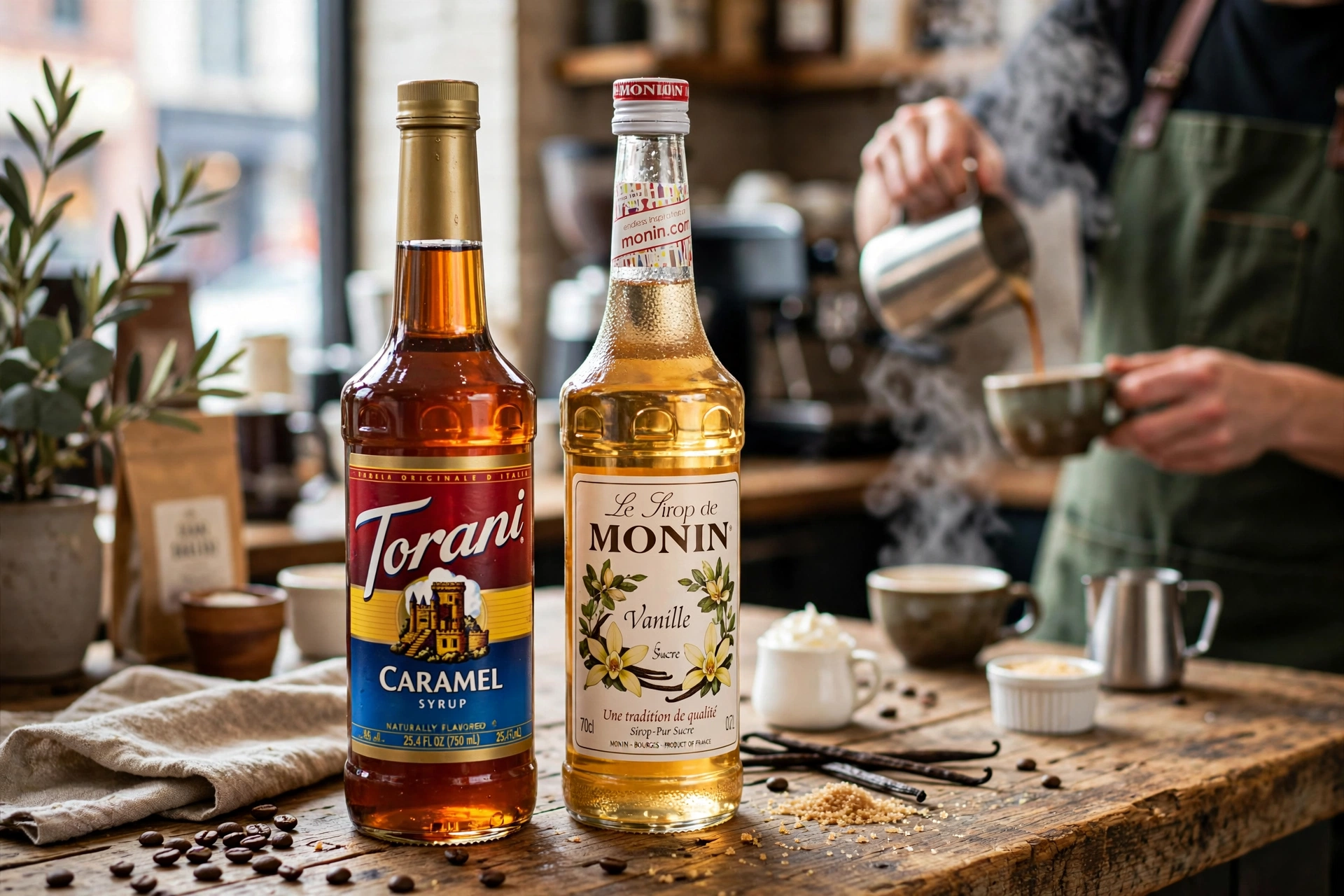
When analyzing Torani vs Monin, the fundamental difference lies in the formulation philosophy. Torani is widely regarded as the "industry standard" for American cafes, focusing on bold, recognizable, and sweet flavor profiles that pair well with high-volume service. Monin, a French heritage brand, tends to lean toward a more refined, "gourmet" approach, utilizing a higher concentration of natural extracts that results in a less sugary and more nuanced taste.
From a technical standpoint, Monin syrups often exhibit a slightly higher viscosity. In a professional setting, this means the syrup integrates more seamlessly into the milk foam of a latte. Torani, conversely, provides a punchier sweetness that is highly effective for customers who prefer their coffee to taste like a dessert. In the world of specialty coffee, where the quality of the Coffea arabica bean is paramount, the goal is to complement the bean, not mask it.
When I test these side-by-side in a blind tasting, Monin typically wins on the "natural" front—their vanilla, for instance, tastes less like candy and more like a bean pod. Torani wins on "impact," providing that nostalgic, sweet-shop flavor that drives repeat business in high-traffic breakfast spots. For businesses looking to scale, understanding these nuances is the difference between a generic menu and a signature beverage program.

Why Does the Syrup Choice Matter for Your Business Bottom Line?
Choosing between Torani and Monin directly impacts your cost of goods sold (COGS) and your customer retention rates. Because syrups are additive, their cost per ounce must be precisely tracked. If a barista over-pumps a more expensive gourmet syrup, your profit margin on a 16oz latte can evaporate quickly.
According to the Specialty Coffee Association (SCA), consistency in beverage preparation is the primary driver of customer loyalty in the specialty sector. If your syrup isn't consistent across batches, the customer experience fluctuates. Monin's tighter quality control on natural extracts often provides a more stable flavor profile across different shipments, whereas Torani's widespread availability means you can source it from multiple distributors, though slight variations in sweetness can occur.
Furthermore, the perception of "premium" allows for higher pricing. A cafe using a gourmet brand like Monin can often justify a $0.25 to $0.50 price increase per drink by marketing it as a "premium artisan syrup." In the competitive landscape of 2026, where consumers are increasingly wary of artificial additives, the transparency of ingredients becomes a selling point. For those managing large-scale operations, integrating these into a wholesale coffee syrups bulk buying strategy is essential to maintain a lean inventory while ensuring quality.
Moreover, the interaction between the syrup and the espresso machine is a factor. Sugary residues from lower-quality syrups can lead to faster buildup on steam wands if not cleaned meticulously. High-density syrups that integrate better into the milk, such as those from Monin, can sometimes reduce the "sticky" residue left on the counter during the pumping process, which marginally improves the speed of service during a morning rush.
How to Implement Syrups for Maximum Profitability?
To successfully implement a syrup program, you must move beyond simply placing bottles on a counter. The process requires a mathematical approach to dosing and a culinary approach to pairing. In my experience working with high-volume cafes, the most successful operators use a "Tiered Flavor Strategy."
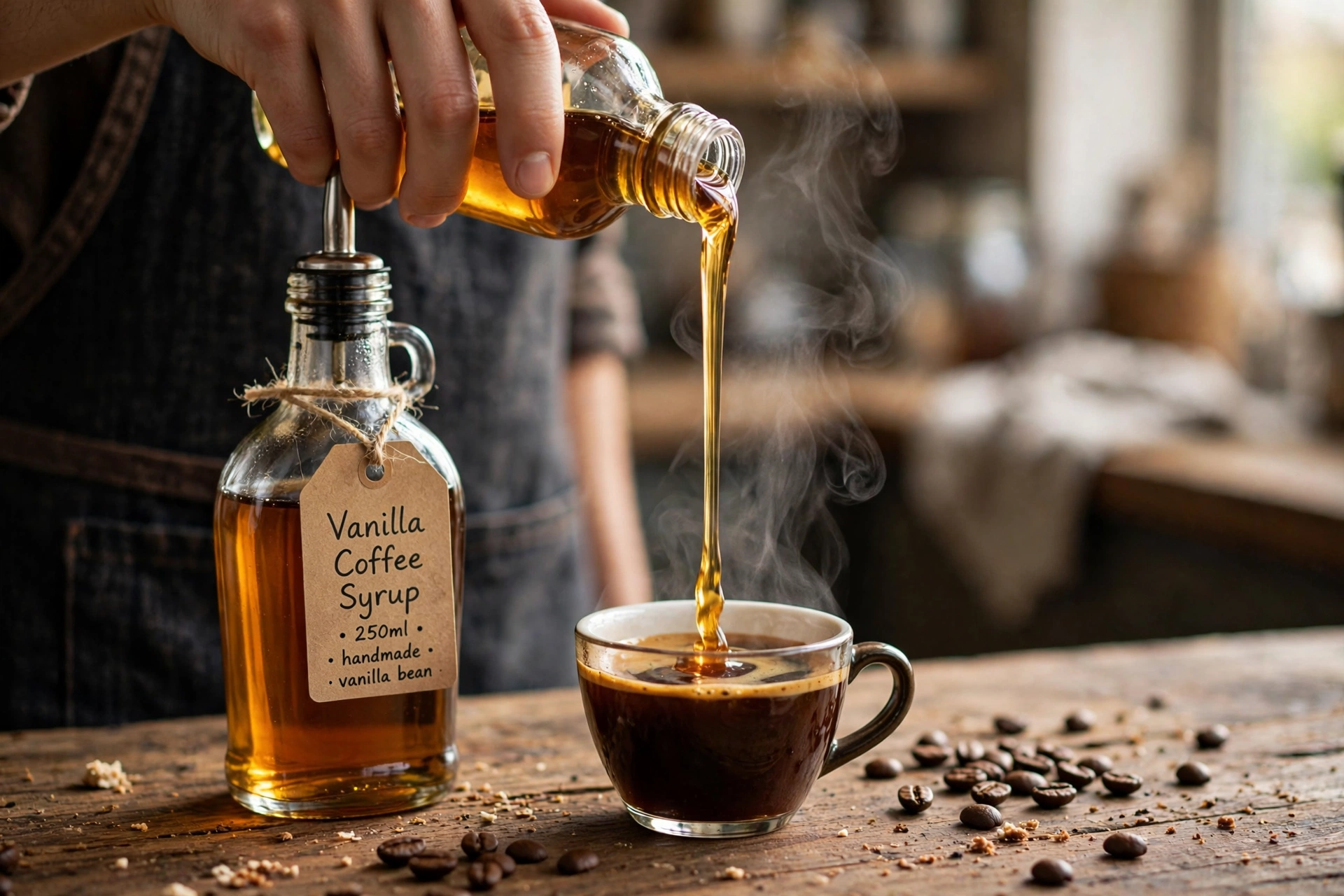
First, establish your core flavors. These are the non-negotiables that drive 80% of your volume. You should utilize a vanilla coffee syrup for commercial use as your baseline, as vanilla is globally the most requested additive. For this core tier, Torani is often the better choice due to its cost-effectiveness and mass appeal. Second, introduce a "Seasonal Artisan" tier. This is where Monin shines. Using a more complex, natural flavor for a limited-time offer (LTO) allows you to charge a premium price point while introducing customers to a more sophisticated palate.
Here is a practical step-by-step guide for implementation:
- Calibrate Your Pumps: Ensure every pump delivers the exact same amount of syrup (typically 0.25oz to 0.5oz). Inconsistent dosing is the fastest way to kill your margins.
- Develop a Pairing Matrix: Not every syrup works with every roast. A light-roast Ethiopian bean may be overwhelmed by a heavy Torani caramel, but it might dance beautifully with a Monin hazelnut. Experiment with caramel syrup for lattes in foodservice settings to find the sweet spot between the bean's acidity and the syrup's sugar.
- Standardize the Pour: Train your baristas to add syrup to the cup before the espresso shot. This ensures the syrup is heated by the coffee and mixes thoroughly, preventing the "syrup sludge" at the bottom of the cup.
- Implement a Rotation Schedule: Use a First-In, First-Out (FIFO) system. While syrups have a long shelf life, the flavor profiles of natural extracts (like those in Monin) can degrade faster than artificial ones if exposed to direct sunlight.
For those in the hospitality sector, the stakes are even higher. Choosing coffee syrups to elevate hotel guest experiences requires a balance between variety and waste. A hotel lobby might benefit from a Monin-heavy selection to signal luxury, while a quick-service breakfast nook is better served by Torani's reliability.
Torani vs Monin: The Professional Comparison
To truly understand which brand fits your specific business model, you need to look at the operational data. A high-volume cafe in a busy transit hub has different needs than a boutique coffee shop in a quiet neighborhood.
| Feature | Traditional Approach (Generic/Budget Syrups) | Generic AI/Cheap Bulk approach | Modern Professional Approach (Busy Bean) |
|---|---|---|---|
| Flavor Profile | One-dimensional, overly sweet, artificial aftertaste. | Inconsistent, often tastes like chemicals or "fake fruit". | Balanced, bean-complementary, high-quality extracts. |
| Operational Cost | Low upfront cost, but high waste due to over-pouring. | Unpredictable quality leads to drink remakes and waste. | Optimized COGS with precise dosing and brand layering. |
| Customer Perception | "Standard coffee shop" experience; no brand loyalty. | Low quality; customers notice the "cheap" taste. | Premium artisan experience; justifies higher price points. |
As noted by the National Coffee Association USA (NCA), consumer preferences are shifting toward "functional" and "premiumized" beverages. This means the generic, sugar-heavy approach is losing ground to the nuanced, flavor-forward approach. If you are still using budget syrups that mask the taste of your espresso, you are leaving money on the table.

Common Mistakes to Avoid in Syrup Programs
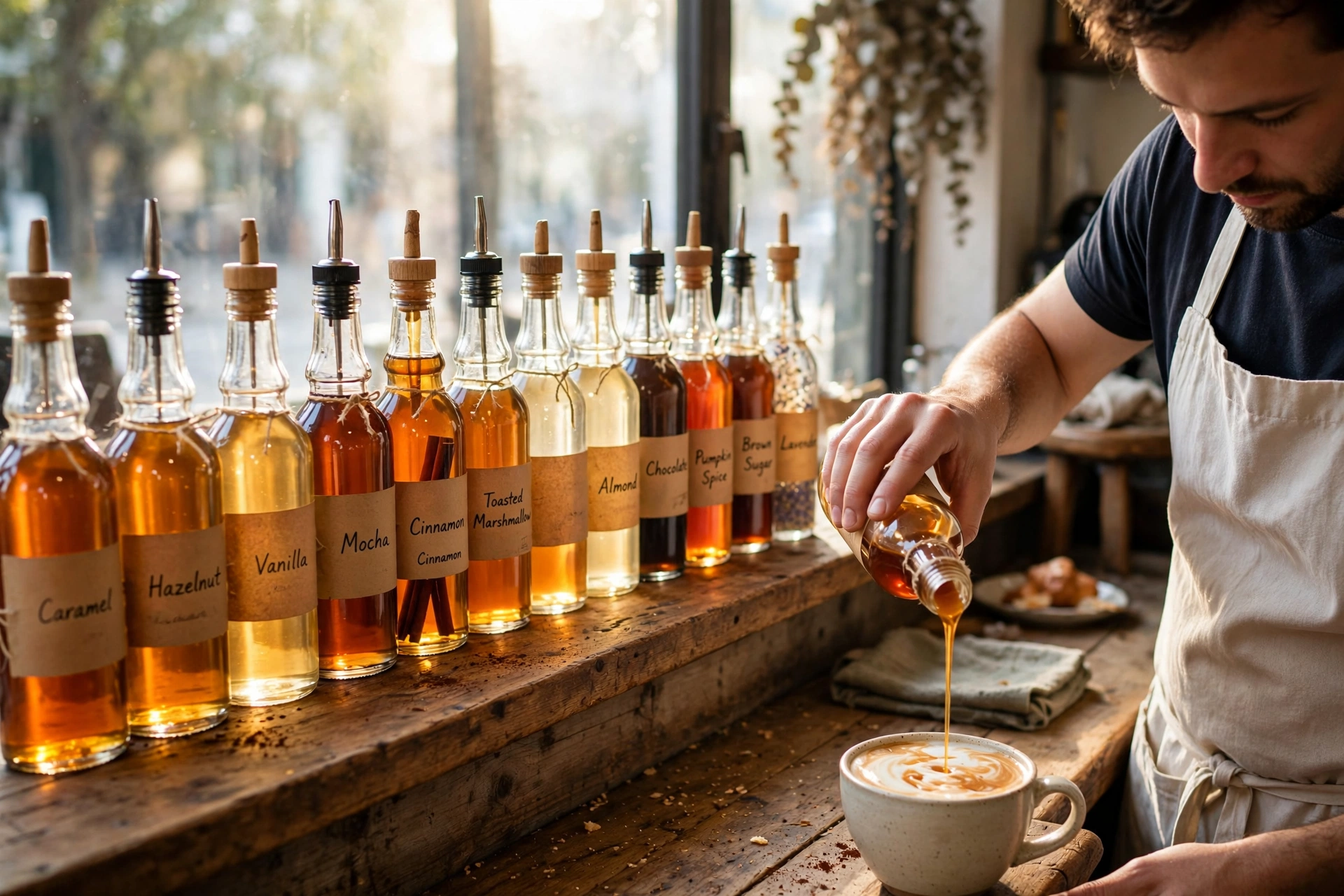
The most frequent error I see is "Flavor Fatigue." This happens when a business offers 20 different syrups, thinking variety equals value. In reality, too many options lead to decision paralysis for the customer and a logistical nightmare for the barista. It also leads to significant waste, as niche flavors expire before they are finished.
Another critical mistake is ignoring the sugar-free transition. As health consciousness grows in 2026, the demand for sugar-free alternatives has spiked. However, not all sugar-free syrups are created equal. Many budget brands use sweeteners that leave a bitter, metallic aftertaste. If you are offering sugar-free options, test them against your most acidic roast. A poor sugar-free syrup can make a high-quality Arabica coffee taste like medicine.
Furthermore, many owners neglect the cleaning of their syrup pumps. Sugar buildup creates a breeding ground for bacteria and can clog the mechanism, leading to inconsistent dosing. According to NSF International, proper sanitation of food-contact surfaces is non-negotiable. I recommend a weekly deep-clean of all pump heads and nozzles to ensure food safety and operational consistency.
Finally, avoid the "One Brand Only" trap. While it simplifies ordering, it limits your ability to optimize. Use Torani for your high-volume, low-margin basics and Monin for your high-margin, signature drinks. This hybrid approach allows you to capture both the "sweet-tooth" crowd and the "connoisseur" crowd without sacrificing your budget.
Frequently Asked Questions
Which brand is better for high-volume cafes?
For high-volume environments, Torani is generally the more practical choice. Its flavor profiles are widely accepted and its cost-per-ounce is typically lower, which is essential when you are moving hundreds of lattes per day. Its bold sweetness cuts through milk and espresso effectively, ensuring that the customer gets a consistent "sweet" experience every time. However, if your brand identity is centered on "luxury" or "artisan" coffee, the slightly higher cost of Monin is a worthwhile investment to justify premium pricing.
Do Monin syrups contain more natural ingredients than Torani?
Generally, yes. Monin focuses heavily on natural extracts and authentic flavor profiles, which results in a taste that is closer to the original ingredient (e.g., real vanilla beans or real hazelnuts). Torani uses a blend of natural and artificial flavors to achieve a more consistent, punchy sweetness. For the average consumer, the difference is subtle, but for a seasoned barista or a specialty coffee enthusiast, Monin's profile is noticeably more refined and less "syrupy."
How do I prevent syrup waste in my coffee shop?
Preventing waste starts with precise dosing. Use calibrated pumps rather than free-pouring. Additionally, implement a strict FIFO (First-In, First-Out) inventory system and limit your menu to 5-8 high-performing flavors rather than an exhaustive list. I also recommend tracking "syrup-to-drink" ratios in your POS system to identify if baristas are over-pouring. If you find your syrup usage is significantly higher than your sales volume suggests, it is time for a staff retraining session on dosing.
Can I mix Torani and Monin in the same drink?
Technically, yes, but it is rarely advisable from a flavor-balance perspective. Because they have different viscosities and sweetness levels, mixing them can create an inconsistent taste profile. It is better to choose one brand per beverage. For example, use Torani for a standard caramel macchiato but switch to Monin for a signature "Honey Lavender Latte." This keeps your flavor profiles intentional rather than accidental.
How long do these syrups last after opening?
Most professional syrups are shelf-stable for several months if kept in a cool, dry place away from direct sunlight. However, natural extracts—especially those found in Monin—can oxidize over time, leading to a loss of flavor intensity. I recommend labeling every bottle with the date it was opened. If a syrup has been open for more than three months and is not being used daily, taste-test it before serving to ensure the quality hasn't degraded.
Conclusion
Choosing between Torani and Monin is not about finding the "best" brand, but about finding the right tool for your specific business objective. If your goal is mass-market appeal and maximum efficiency, Torani is your powerhouse. If your goal is to position your brand as a gourmet destination with a sophisticated palate, Monin is the superior choice. In the evolving landscape of 2026, the most successful foodservice operators are those who blend the two: using the reliability of one for volume and the artistry of the other for signature experiences.
Managing a beverage program requires a balance of technical precision and culinary creativity. From the quality of the coffee bean to the precision of the syrup pump, every detail affects your margin and your customer's loyalty. To ensure your equipment is as refined as your flavors, we recommend integrating an all-inclusive managed solution that removes the stress of maintenance and capital expense.
For more professional insights on scaling your beverage menu, return to our Ultimate Guide to Coffee Syrups for Foodservice Businesses or explore our specialized Sensa Coffee Service in Mount Pleasant SC: Complete Guide to see how we can transform your operation. For immediate assistance with your coffee program, visit www.busybeancoffee.com.
Free Coffee Pairing Guide & Specialty Roast Cheat Sheet
Unlock the secrets of perfect brewing ratios, water temperatures, and specialty roast profiles. Download the guide.