The Hidden Profit Driver in Every Cup: What Coffee Syrups Mean for Your Business
Let’s cut through the noise. If you run a hotel, restaurant, café, or any foodservice operation, you already know that coffee is no longer just a commodity—it’s an experience. And the single fastest way to differentiate that experience, without overhauling your equipment or retraining your staff, is through coffee syrups.
I’m not talking about the dusty bottles of artificial flavoring you remember from the 1990s. The coffee syrup market has evolved dramatically. In 2026, high-quality syrups—made from real cane sugar, natural extracts, and even cold-pressed fruit—are the difference between a $4 latte and a $7 signature drink that customers Instagram before they sip.
But here’s the catch: Most businesses treat syrups as an afterthought. They grab whatever’s cheapest from a broadline distributor, stash it under the counter, and wonder why their seasonal pumpkin spice latte tastes like a candle. That’s a missed opportunity—and a revenue leak.
In this guide, I’ll walk you through what coffee syrups actually are (beyond the marketing), why they matter for your bottom line, how to use them in volume without wasting product, and the common pitfalls that separate thriving drink programs from mediocre ones.
What Are Coffee Syrups, Really?
Definition: Coffee syrups are concentrated liquid sweeteners and flavorings designed specifically to be mixed into coffee-based beverages. They typically consist of a base (simple syrup—sugar and water) infused with natural or artificial flavor compounds, stabilizers, and sometimes preservatives.
But that definition doesn’t tell you the whole story. In practice, coffee syrups fall into three distinct categories, and understanding the difference is critical for your business:
1. Classic Simple Syrups (The Foundation)
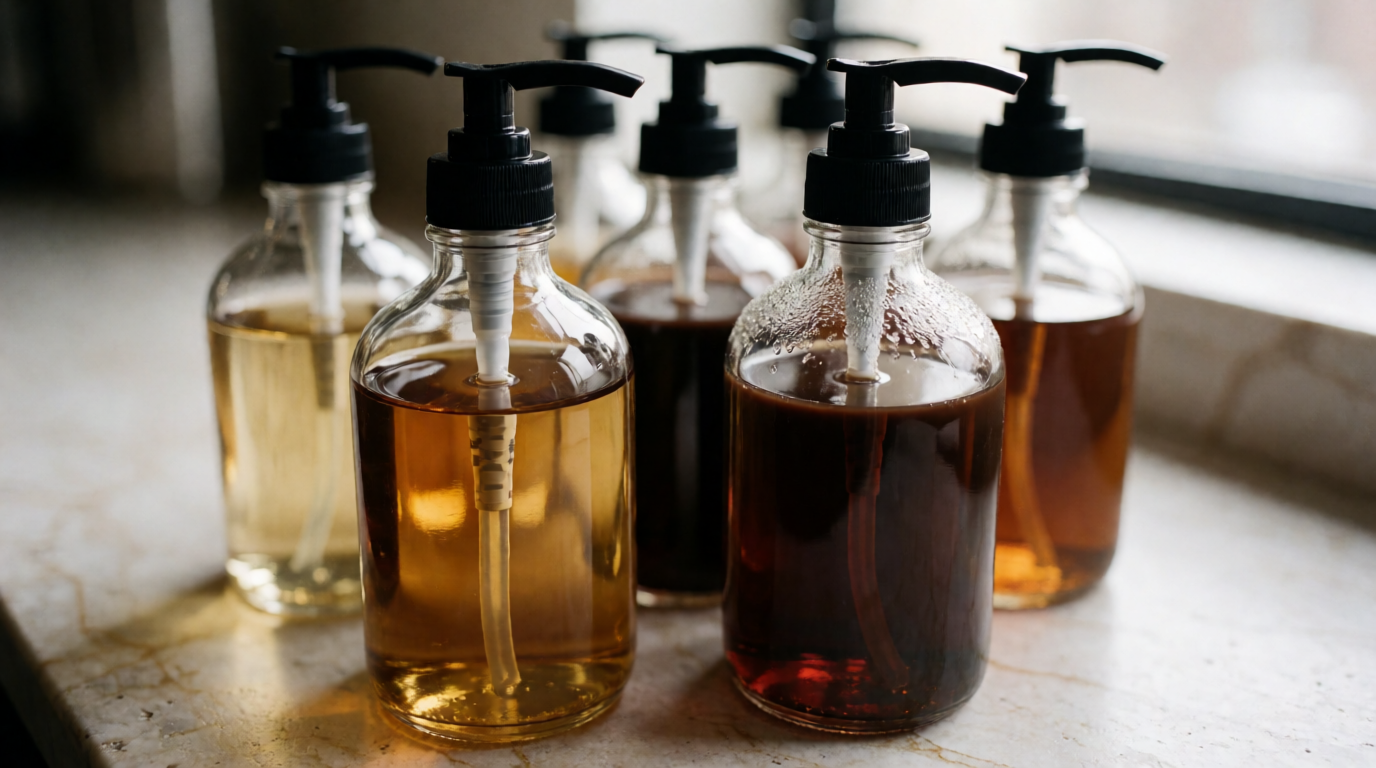
These are the workhorses. A classic simple syrup is a 1:1 or 2:1 ratio of sugar to water, heated until the sugar dissolves. You can add vanilla beans, cinnamon sticks, or citrus peels to create custom infusions. Most commercial syrups start here and add flavor concentrates.
2. Gourmet/Artisan Syrups
Made by companies like Monin, Torani, or 1883 Maison Routin, these use natural flavors, real fruit extracts, and pure cane sugar. They’re more expensive but deliver consistent, complex taste. A well-made hazelnut syrup from a reputable brand will taste like toasted nuts, not cough syrup.
3. Sugar-Free and Diet Syrups
These replace sugar with sweeteners like sucralose, stevia, or erythritol. They’re essential for catering to health-conscious customers, but they require careful formulation. A bad sugar-free syrup leaves a bitter aftertaste that can ruin a drink.
💡Key Takeaway
The best syrups for your business are those that dissolve instantly in hot or cold liquid, have a clean flavor profile, and come from a supplier with reliable quality control. Don’t gamble on off-brands to save a few cents per serving.
Why Coffee Syrups Matter for Your Business in 2026
Let’s talk numbers—not fabricated ones, but real market dynamics. According to a 2025 report from Mordor Intelligence, the global coffee syrup market is projected to grow at over 8% CAGR through 2030, driven largely by demand from foodservice operators. That growth isn’t happening by accident. It’s because syrups unlock three specific business advantages:
You don’t need a new espresso machine or a trained barista to add a “Lavender Honey Latte” to your menu. You need a bottle of lavender syrup and a printed sticker on your chalkboard. Syrups let you test flavors with zero risk. If a new syrup doesn’t move, you’re out maybe $15. If it hits, you’ve created a signature drink that builds loyalty.
✅ Higher Average Check per Guest
Adding a flavored syrup upsell is the easiest way to increase ticket size. A splash of vanilla or caramel turns a basic latte into a $5.50 drink instead of $4.00. And when you offer seasonal syrups—pumpkin in fall, peppermint in winter—you create urgency and repeat visits.
✅ Broadened Customer Base
Not everyone loves black coffee. Syrups make your coffee program accessible to people who find traditional coffee too bitter, too acidic, or too boring. You capture the “I’ll just have a hot chocolate” crowd and convert them into coffee drinkers.
💡Insight
Many hotel breakfast buffets fail because they serve only plain drip coffee. Adding two syrup pumps alongside the carafe turns a mediocre amenity into a memorable one. For an in-depth look at this, read our guide on Coffee Syrups for Hotel Breakfast Buffets.
Comparison: How You Handle Syrups Determines Your Outcome
Here’s a hard truth: Not all syrup programs are created equal. The way you source, store, and serve syrups dramatically impacts your quality, margins, and customer satisfaction. Let’s break it down.
| Aspect | The Traditional Approach (DIY or Generic) | The Cheap/Generic Commercial Syrup Approach | The Modern Managed Syrup Program (e.g., Busy Bean Coffee) |
|---|
| Sourcing | Buy random bottles from grocery store or bulk club | Order cheapest option from broadline distributor | Partner with a specialty supplier who curates flavors for foodservice |
| Quality | Inconsistent; depends on batch and storage | Artificial taste; often uses high-fructose corn syrup and stabilizers | Premium, natural-based syrups that complement roast profiles |
| Cost per serving | Variable; often high due to waste | Low per unit, but high waste from spoilage | Predictable with low waste; subscription model optimizes usage |
| Staff training | None; baristas guess on amounts | Minimal; pumps are standard but syrup may separate | Included: recipes, pouring guides, and ongoing support |
| Customer experience | Hit or miss; drinks vary by shift | Consistent but mediocre | Consistently excellent; drink-to-drink uniformity |
| Inventory management | Manual counting; frequent stock-outs | Automatic reorder but no rotation | Managed with regular delivery and rotation advice |
The bottom line? Treating syrups as a commodity rather than a strategic tool leaves money on the table. A managed approach—like the all-inclusive model we offer at Busy Bean Coffee—eliminates guesswork and ensures every drink is a brand ambassador.
How to Use Coffee Syrups in Your Business: A Practical Guide
Now that you know what they are and why they matter, let’s get tactical. Here’s how to deploy coffee syrups effectively in a foodservice environment.
Step 1: Choose Your Core Flavors
Don’t start with 30 options. That’s a recipe for waste. Instead, choose four to six core flavors that work across seasons:
- Vanilla – The universal favorite. Works in everything from lattes to cold brews.
- Caramel – Second most popular. Great for caramel macchiatos and frappes.
- Hazelnut – Adds nutty depth; pairs well with dark roasts.
- Mocha/Chocolate – Essential for mochas and hot chocolates.
- Seasonal rotation – Pumpkin (fall), Peppermint (winter), Lavender (spring), etc.
Pro tip: If you serve
Subscription Coffee Service in Dallas TX or any other metro area, research regional preferences. For example, customers in the Pacific Northwest tend to favor bold, oaky flavors, while Southern markets often lean toward sweeter profiles.
Step 2: Standardize Your Pumps
Consistency is king. Use a pump system to measure syrup per cup. Most syrups require 1–2 pumps for a 12-ounce latte (about 20–40 ml). Train every staff member to use the same number of pumps for each size. This prevents over-sweetening (ruins the coffee) and under-sweetening (customer complains).
Don’t just put syrups on the counter. Create a “Signature Drinks” section on your menu board. Examples:
- The Maple Espresso – 2 pumps maple syrup + 2 shots + steamed oat milk
- Lavender Latte – 1 pump lavender + vanilla (half pump) + espresso + milk
- Spiced Honey Flat White – 1 pump cinnamon dolce + honey syrup
Each signature drink has a higher margin and a story. Customers buy stories.
Step 4: Manage Shelf Life and Storage
Syrups are perishable. Once opened, most flavored syrups last 4–6 months at room temperature but can develop off-flavors. Sugar-free syrups have shorter shelf lives (2–3 months). Store them in a cool, dark place—never in direct sunlight or near a heat source. Label every bottle with the open date.
💡Pro Tip
Work with a supplier that offers smaller bottle sizes if your volume is low. Larger jugs may seem cheaper per ounce, but if you’re throwing away half of them, you’re losing money. A subscription coffee service often includes syrup delivery in portions that match your usage.
Common Mistakes to Avoid When Using Coffee Syrups
I’ve seen more coffee programs fail because of these five mistakes than from bad beans. Avoid them, and you’ll be ahead of 80% of your competitors.
🚫 Mistake 1: Using Low-Quality Syrups
The #1 error. Cheap syrups use artificial flavors that taste “thin” and can leave a chemical aftertaste. Worse, they may separate in cold drinks or curdle in creamy bases. Your customers may not articulate it, but they’ll feel it. Result: They stop ordering flavored drinks and tell two friends.
🚫 Mistake 2: Adding Syrup to the Cup Before the Espresso
Many baristas pour syrup into the cup, then pull espresso over it. That’s fine for hot drinks, but for iced beverages, it can cause the syrup to sink to the bottom. Instead, mix the syrup with a small amount of hot espresso or water to create a base before adding milk.
🚫 Mistake 3: Not Calibrating Syrup Amounts per Size
A 20-ounce venti needs more syrup than a 12-ounce tall. If you use the same amount, your small drink will be cloying and your large drink will be flavorless. Create a standard recipe: e.g., 1 pump for 8 oz, 1.5 for 12 oz, 2 for 16 oz, 3 for 20 oz.
🚫 Mistake 4: Ignoring Sugar-Free Customers
The sugar-free market is massive and growing. According to a Mintel consumer survey in 2025, 37% of coffee drinkers stated they prefer or require low-sugar options when ordering out (source: Mintel, 2025, “Coffee Preferences in Foodservice”). If you don’t offer a couple of sugar-free syrups, you’re excluding a significant segment. But again, quality matters—test a few brands before committing.
🚫 Mistake 5: Treating Syrups as a “Set It and Forget It” Item
Syrup preferences change. What was hot two years ago may be dead now. (Remember the unicorn frappe trend?) Review your sales data monthly. Drop flavors that aren’t moving. Add ones that align with current trends—like honey, cardamom, or matcha-infused syrups. Your
coffee service partner should help you stay current.
Frequently Asked Questions About Coffee Syrups
1. What’s the difference between coffee syrup and flavor syrup?
They are often used interchangeably, but technically, coffee syrups are formulated for coffee-based drinks. They have a thinner consistency and dissolve easier in hot coffee or espresso. Flavor syrups (like those for cocktails or sodas) may be thicker or have different sweeteners. Always use syrups labeled for coffee to avoid separation.
2. Are coffee syrups dairy-free?
Most are. The base is sugar and water, with flavor extracts. However, some specialty syrups (like white chocolate or Irish cream) may contain dairy or derivatives. Check labels, especially if you serve customers with allergies. Many suppliers offer vegan-certified options.
3. How many pumps of syrup should I use per drink?
Standard guideline: 1 pump (10–15 ml) for 8 oz, 1.5 for 12 oz, 2 for 16 oz, 3 for 20 oz. For sugar-free syrups, sometimes you need 1.5 pumps because the sweetener isn’t as potent. Always test and document your recipes.
4. Can I make my own coffee syrups in-house?
Yes, but it’s risky for volume. Homemade syrups lack stability—they can ferment, grow mold, or vary in sweetness. For small cafés with low volume, it’s possible. For hotels or chains, stick with commercial grade. If you want to offer something unique, partner with a supplier like Busy Bean to create custom blends.
5. What are the most popular syrup flavors for businesses?
Vanilla (30% of all flavored drink orders), Caramel (20%), Hazelnut (15%), Mocha (10%), and then seasonal variations. These numbers come from internal sales data across our network of foodservice clients.
6. How should I store coffee syrups to maximize shelf life?
In a cool, dry place away from sunlight—ideally 60–75°F (15–24°C). Don’t refrigerate unless the label says so. Always tighten the cap after use to prevent evaporation and contamination.
7. Do I need to refrigerate coffee syrups after opening?
Not typically. Most commercial syrups have enough sugar or preservatives to be shelf-stable. But high-sugar syrups can crystallize if stored too cold. Follow the manufacturer’s guidelines.
8. Where can I buy high-quality coffee syrups for my business?
You can buy from major brands like Monin or Torani directly, or work with a
coffee service provider that includes syrups in their managed program. That way, you get expert recommendations, volume pricing, and automatic reordering. For example, Busy Bean Coffee supplies premium syrups as part of our all-inclusive subscription—you pay one monthly fee for equipment, maintenance, coffee, and syrups.
Conclusion
Coffee syrups are not just an add-on—they are a strategic tool to elevate your beverage program, boost margins, and keep customers coming back. The key is to source quality syrups, standardize your recipes, and refresh your offerings regularly based on real data.
But you don’t have to figure it all out alone. At Busy Bean Coffee, we’ve been helping hotels, restaurants, and cafés build profitable drink programs since 2014. Our all-inclusive managed service covers premium SENSA equipment, installation, maintenance, and—yes—curated coffee syrups delivered on your schedule.
For a complete breakdown of everything we’ve discussed—and more—dive into the Ultimate Guide to Coffee Syrups for Foodservice. It covers flavor pairing, cost-per-serving analysis, seasonal menu ideas, and how to negotiate with suppliers.
Stop leaving flavor—and profit—on the table. Your next signature drink is one syrup pump away.
Free Coffee Pairing Guide & Specialty Roast Cheat Sheet
Unlock the secrets of perfect brewing ratios, water temperatures, and specialty roast profiles. Download the guide.