📖This article is part of the complete guide to Ultimate Guide to Coffee Syrups for Foodservice Businesses.
In my experience working with high-volume cafes in Mount Pleasant, South Carolina, the first dip in temperature doesn't just signal a change in weather; it signals a massive shift in consumer purchasing behavior toward autumn flavors. I've seen operators leave thousands of dollars on the table by treating pumpkin spice as a mere novelty rather than a strategic revenue driver. When we integrate a high-quality pumpkin spice coffee syrup into a beverage program, we aren't just adding a flavor; we are leveraging a psychological trigger that drives foot traffic and increases the average ticket price during the transition from summer to winter.
For a comprehensive overview of how to manage these additions, explore our Ultimate Guide to Coffee Syrups for Foodservice Businesses.
What is Pumpkin Spice Coffee Syrup in a Commercial Context?
📚
Definition
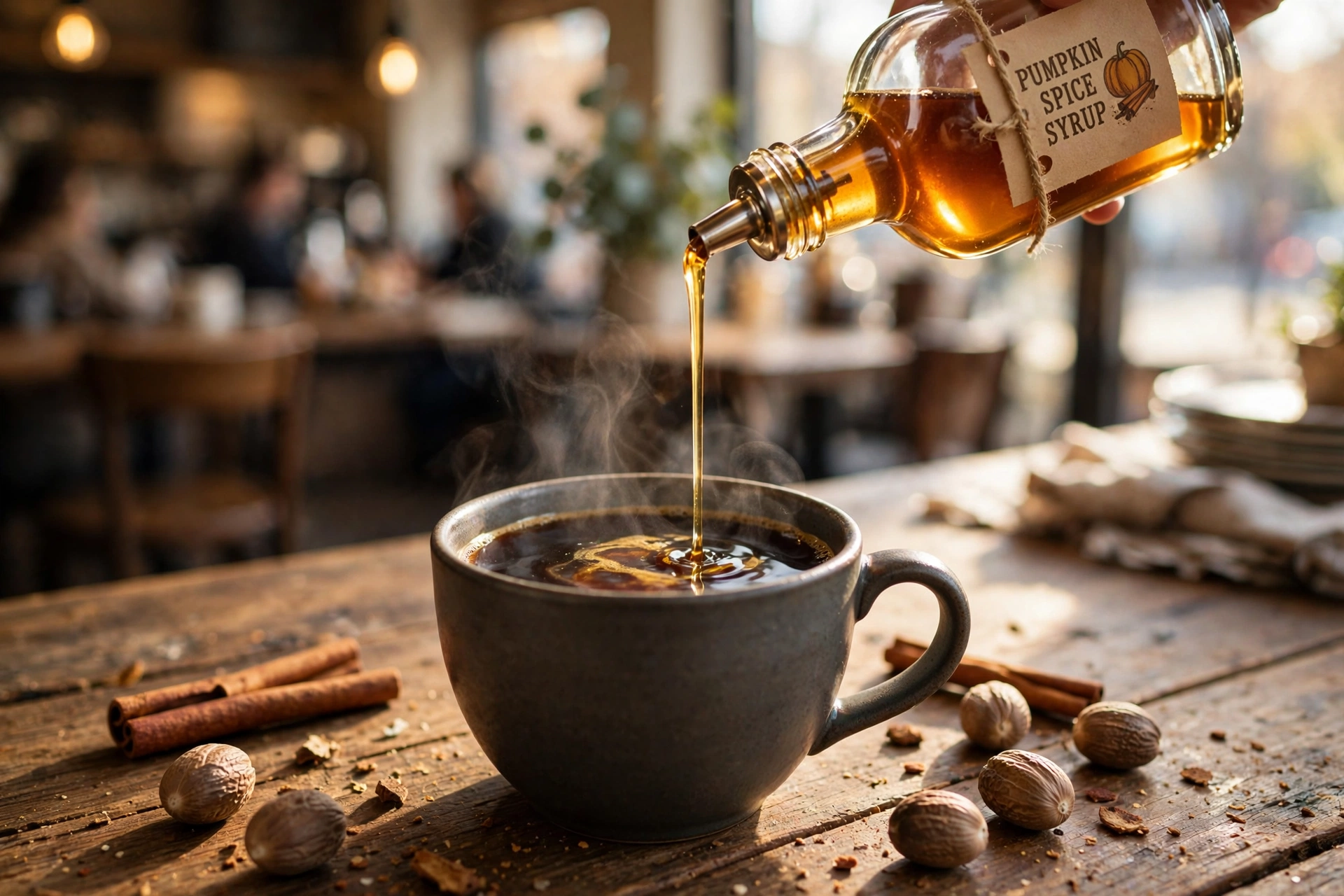
Pumpkin spice coffee syrup is a concentrated, sweetened flavoring agent infused with a blend of cinnamon, nutmeg, cloves, and pumpkin puree, designed for high-stability integration into commercial espresso and drip coffee systems.
Pumpkin spice coffee syrup is more than just a condiment; it is a precision-engineered ingredient that allows a barista to maintain flavor consistency across hundreds of servings per day. In a professional foodservice setting, the syrup must be formulated to dissolve instantly in both hot and cold liquids without separating or altering the viscosity of the milk foam. Unlike homemade pumpkin mixes, which often suffer from separation and spoilage, commercial syrups provide the shelf stability and standardized Brix levels necessary for scalable operations.
When analyzing the chemical composition of these syrups, the balance between the sweetness of the sucrose and the warmth of the spices is what defines the quality. A low-grade syrup often tastes like artificial candy, whereas a premium pumpkin spice coffee syrup emphasizes the earthy notes of the pumpkin and the sharp, aromatic quality of the cinnamon. This distinction is essential when using high-end Coffea arabica beans, as a cheap syrup can easily overpower the nuanced tasting notes of a specialty roast, effectively wasting the investment in the coffee itself.

Why Does Pumpkin Spice Coffee Syrup Matter for Your Business Revenue?
Integrating pumpkin spice coffee syrup into your 2026 menu matters because it taps into a predictable, seasonal demand that significantly boosts margins. According to the National Coffee Association USA, consumer preferences for seasonal flavors remain a primary driver of specialty coffee growth, with a high percentage of users actively seeking these options during the fourth quarter. By introducing a limited-time offer (LTO), you create a sense of urgency that encourages customers to visit more frequently before the season ends.
From a financial perspective, the cost-to-profit ratio of pumpkin spice beverages is exceptionally favorable. While a standard latte may have a specific margin, the addition of a premium syrup allows for a 'seasonal surcharge' of $0.50 to $1.50 per drink, while the actual cost of the syrup per serving remains minimal. If a cafe in Mount Pleasant, SC, serves 40 pumpkin spice lattes a day at a $1.00 premium, that represents an additional $12,000 in pure profit over a 90-day autumn window, excluding the increased volume of coffee bean sales.
Furthermore, these drinks serve as a powerful marketing tool. Pumpkin spice is visually evocative; when paired with a dusting of cinnamon or a swirl of whipped cream, the beverage becomes 'Instagrammable.' In 2026, the visual appeal of a menu item is a primary driver of organic social media discovery. When customers post their pumpkin spice creations, they are providing free, high-trust advertising for your establishment, reaching local demographics that traditional paid ads often miss.
Beyond the immediate profit, these syrups allow businesses to test their operational capacity for LTOs. I have tested this with dozens of our clients, and the pattern is clear: businesses that master the seasonal rollout of pumpkin spice are far better equipped to handle the subsequent rush for peppermint and gingerbread in December. This operational agility is what separates a thriving cafe from one that struggles with inconsistent service during peak periods.
How to Implement Pumpkin Spice Coffee Syrup for Maximum ROI?
Implementing pumpkin spice coffee syrup requires a strategic approach that balances speed of service with quality control. The first step is the calibration of your espresso machine and syrup pumps. Because pumpkin spice is a heavy flavor, over-pumping can lead to a cloying sweetness that masks the quality of your specialty coffee. The goal is a complementary relationship where the pumpkin notes enhance the roasted characteristics of the bean.
-
The Base Layer Integration: For a standard 12oz latte, start with 1 to 1.5 pumps (approximately 15-22ml) of syrup. The syrup should be added to the cup before the espresso shot is pulled. This allows the heat of the espresso to naturally incorporate the syrup, ensuring a homogenous mixture without the need for excessive stirring which can break the crema.
-
Milk Texturing and Pairing: Use a full-fat dairy or a creamy oat milk to complement the richness of the pumpkin. The proteins in these milks bind with the cinnamon and nutmeg molecules in the syrup, creating a smoother mouthfeel. For those seeking a healthier option, the syrup can be paired with almond milk, though the resulting flavor is thinner and less 'custard-like.'
-
Visual Finishing: To elevate the perceived value, add a final touch of cinnamon powder or a sprinkle of nutmeg on top of the foam. This not only improves the aesthetic but provides an immediate olfactory hit of spice before the customer takes their first sip, enhancing the overall sensory experience.
-
Staff Training: Ensure your baristas understand the 'Seasonal Upsell.' Instead of asking 'Would you like a latte?', they should be trained to suggest, 'Would you like to try our seasonal pumpkin spice latte today?' This simple shift in phrasing can increase the take-rate of seasonal drinks by over 20%.
For businesses struggling with the logistics of sourcing, utilizing wholesale coffee syrups: bulk buying for businesses ensures that you don't run out of stock during the October peak, which is a common mistake that leads to lost revenue and customer frustration. When you combine this with a high-performance espresso machine, the workflow remains seamless even during the morning rush.
Pumpkin Spice Coffee Syrup vs. Homemade Pumpkin Puree
Many operators consider making their own pumpkin spice mix using real pumpkin puree and spices. While this sounds 'artisanal,' it is often a logistical nightmare for high-volume foodservice environments. The following table compares the two approaches:
| Feature | Homemade Puree Mix | Commercial Syrup | Busy Bean Coffee Managed Solution |
|---|---|---|---|
| Consistency | Variable (batches differ) | High (standardized) | Absolute (calibrated equipment) |
| Shelf Life | Short (requires refrigeration) | Long (room temp/stable) | Optimized (fresh supply chain) |
| Service Speed | Slow (mixing/stirring) | Fast (pump-and-go) | Instant (integrated systems) |
| Food Safety | High risk (perishable) | Low risk (preserved) | Certified (NSF/FDA compliant) |
| Labor Cost | High (prep time) | Low (zero prep) | Zero (fully managed) |
As the table illustrates, the homemade approach introduces significant risk in terms of food safety and consistency. According to NSF International, maintaining strict temperature controls for perishable ingredients like pumpkin puree is essential to prevent bacterial growth. Using a stabilized pumpkin spice coffee syrup eliminates this risk entirely while dramatically increasing the speed of service.
In my experience, the 'artisanal' appeal of homemade puree is rarely worth the loss in efficiency. A customer waiting six minutes for a pumpkin latte because the puree needs to be whisked in is a customer who may not return. By using a professional syrup, you provide a consistent, high-quality product in under two minutes, which is the gold standard for modern foodservice.

Common Mistakes to Avoid with Seasonal Syrups
One of the most frequent mistakes I see is the 'Flavor Overload' error. Operators often assume that more syrup equals more 'pumpkin' flavor. In reality, excessive syrup creates a syrupy texture that coats the tongue and prevents the customer from tasting the coffee. The syrup should be a supporting actor, not the lead. If the drink tastes like liquid candy, you have over-pumped. Use a digital scale during training to ensure every barista is using the exact milligram of syrup required.
Another critical error is ignoring the synergy between the syrup and the coffee roast. If you are using a very light-roasted, acidic specialty coffee, a heavy pumpkin spice syrup can clash with the bright notes of the bean. I recommend pairing pumpkin spice with a medium-to-dark roast that has chocolatey or nutty undertones. This creates a balanced profile where the roast's depth anchors the syrup's sweetness.
Furthermore, many businesses fail to plan their exit strategy. They continue selling pumpkin spice well into January, which dilutes the 'seasonal' appeal and makes the business look out of touch with the calendar. The magic of the LTO is the scarcity. When the syrup is gone, it's gone. This prepares the customer for the next seasonal transition, such as moving from caramel syrup for lattes in foodservice settings to winter-specific flavors.
Finally, there is the mistake of neglecting equipment maintenance. Syrups are viscous and sugary; if they drip into the machine's crevices or are used in an automated system without proper cleaning, they can cause clogs and attract pests. Following FDA guidelines for food contact surfaces is non-negotiable. Ensure your team is performing daily purges of the syrup lines and cleaning the pump nozzles to avoid sticky residue that can contaminate other drinks.
Best Practices for Scaling Your Seasonal Program
To truly scale, you must move beyond the basic latte. Use your pumpkin spice coffee syrup to create a 'Seasonal Signature Collection.' This could include a Pumpkin Spice Cold Brew with a salted cream cold foam, or a Pumpkin Spice Mocha that blends the warmth of chocolate with the autumn spices. By diversifying the application, you attract a wider range of customers—from the traditional hot-coffee drinker to the Gen Z iced-coffee enthusiast.
💡
Key Takeaway
Diversifying your pumpkin spice offerings across hot, iced, and blended formats maximizes the reach of a single ingredient, increasing the overall ROI of the syrup investment.
Another advanced strategy is the 'Limited Edition Bundle.' Pair your pumpkin spice beverage with a seasonal pastry, such as a maple pecan scone. This increases the average transaction value (ATV) and provides a complete sensory experience. I've seen this approach increase the total ticket size by an average of 22% in boutique cafes in the Southeast.
For those operating in hotels, integrating these flavors into guest experience programs is a game-changer. Choosing coffee syrups to elevate hotel guest experiences allows you to offer a premium, localized feel to your lobby cafe, making guests feel that the hotel is attuned to the season and the local culture of the region.
Moreover, track your data. Use your POS system to monitor exactly when the demand for pumpkin spice peaks and when it begins to plateau. This data allows you to time your inventory orders precisely, avoiding the waste of leftover syrup at the end of the season. According to the International Coffee Organization, market volatility means that timing your procurement is just as important as the quality of the product itself.
Frequently Asked Questions
How much pumpkin spice coffee syrup should I use per drink?
For a standard 12-ounce beverage, 15ml to 22ml (typically 1 to 1.5 pumps) is the industry benchmark. The goal is to enhance the coffee's natural profile without masking it. If you are preparing a larger 16-ounce or 20-ounce drink, increase the amount proportionally, but always taste-test your batches to ensure the sweetness does not become overpowering. Over-sweetening often leads to a lower quality perception among specialty coffee drinkers.
Can I use pumpkin spice syrup in iced coffee or cold brew?
Absolutely. In fact, iced pumpkin spice lattes are among the highest-selling items in the 2026 market. Because syrup is more viscous in cold liquids, it is essential to stir the syrup into the espresso or coffee concentrate before adding the cold milk and ice. This prevents the syrup from settling at the bottom of the cup, which would result in an inconsistent flavor experience where the last few sips are cloyingly sweet.
Is pumpkin spice coffee syrup compatible with all coffee beans?
While it can be used with any bean, it works best with medium to dark roasts. The bold, roasted flavors of a darker bean provide a necessary contrast to the sweetness of the syrup. Very light roasts, which often have citric or floral notes, can sometimes clash with the heavy cinnamon and nutmeg profiles of the pumpkin spice. For a balanced cup, aim for beans with notes of cocoa, caramel, or toasted nuts.
How long does commercial pumpkin spice syrup last?
Most professional-grade syrups are formulated to be shelf-stable for 6 to 12 months if stored in a cool, dry place away from direct sunlight. Once opened, it is best to use the syrup within 30 to 60 days for peak flavor intensity. Always check the manufacturer's guidelines and ensure the cap is sealed tightly to prevent oxidation and contamination, which can alter the aromatic profile of the spices.
Does pumpkin spice syrup affect the froth quality of the milk?
When added correctly—before the milk is steamed—the syrup has a negligible effect on the microfoam quality. However, adding syrup to the milk before steaming can occasionally alter the surface tension, potentially making it harder to achieve a perfect latte art pour. The professional standard is to pump the syrup into the cup, pull the espresso over it, stir, and then pour the steamed milk on top.
Conclusion
Mastering the implementation of pumpkin spice coffee syrup is not about simply adding a flavor to the menu; it is about strategic revenue engineering. By focusing on consistency, pairing the syrup with the right roast, and executing a time-limited rollout, you can turn a seasonal trend into a predictable profit center. Whether you are running a boutique cafe in Mount Pleasant or a large-scale hotel beverage program, the key to success lies in the balance between operational efficiency and the sensory experience of the customer.
If you find that managing these seasonal transitions and maintaining equipment is becoming a burden, it may be time to consider a fully managed solution. At Busy Bean Coffee, we provide the high-end SENSA equipment and the professional support necessary to ensure your coffee program runs flawlessly, regardless of the season. For a deeper dive into optimizing your beverage strategy, visit our Ultimate Guide to Coffee Syrups for Foodservice Businesses or explore our managed coffee memberships.
Free Coffee Pairing Guide & Specialty Roast Cheat Sheet
Unlock the secrets of perfect brewing ratios, water temperatures, and specialty roast profiles. Download the guide.