📖This article is part of the complete guide to Ultimate Guide to Coffee Syrups for Foodservice Businesses.
In my experience working with high-volume cafes in Mount Pleasant, South Carolina, I've noticed a recurring pattern: the most successful beverage menus aren't the most complex, but the ones that master the 'comfort classics.' Hazelnut coffee syrup is the quintessential example of this. While trend-driven flavors come and go, hazelnut provides a consistent, nutty profile that bridges the gap between traditional black coffee and indulgent dessert beverages, consistently driving higher margins for foodservice operators.
For a comprehensive overview of how to build a profitable flavor menu, explore our Ultimate Guide to Coffee Syrups for Foodservice Businesses.
What Exactly is Hazelnut Coffee Syrup?
📚
Definition
Hazelnut coffee syrup is a concentrated sweetener, typically formulated from sugar, water, and natural or artificial hazelnut flavorings, designed to infuse coffee with a toasted, nutty aroma and a creamy sweetness.
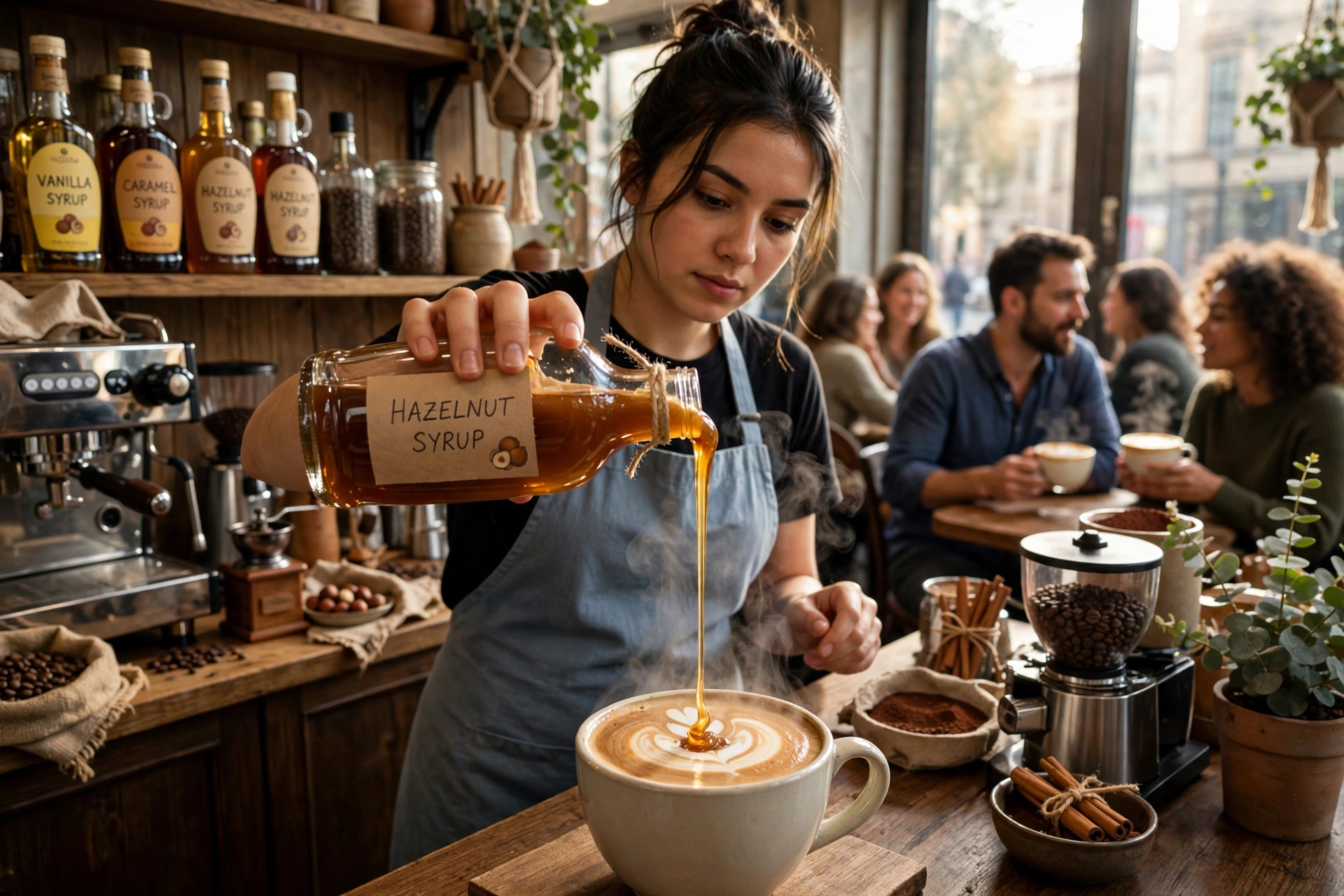
Hazelnut coffee syrup is more than just a sweetener; it is a flavor modifier. In the context of specialty coffee, the goal of adding a syrup is to complement the natural tasting notes of the bean without completely masking them. Because hazelnut carries a profile that mimics the roasted characteristics of a medium-to-dark roast, it integrates seamlessly into a latte or cappuccino. When a barista pumps this syrup into a shot of espresso, the sweetness cuts through the acidity of the Arabica coffee, creating a balanced, velvety mouthfeel.
From a technical standpoint, high-quality syrups for commercial use are formulated for stability. In a fast-paced environment, you cannot have a syrup that crystallizes or separates. The best commercial syrups maintain a consistent viscosity, ensuring that every pump delivers the exact same amount of flavor. This consistency is fundamental for maintaining food cost percentages and ensuring that a customer in Mount Pleasant gets the same taste as a customer in any other branch of their favorite cafe.

Why Does Hazelnut Syrup Matter for Your Business Revenue?
Integrating hazelnut coffee syrup into your menu is a strategic move to increase the average ticket size. Most customers are hesitant to pay a premium for a plain latte, but they are conditioned to pay an additional $0.50 to $1.25 for a flavored variation. When you calculate the cost of a single pump of syrup—often pennies per serving—the ROI is immense.
According to the National Coffee Association USA (NCA), a significant portion of American coffee consumers prefer their coffee with added sweeteners and flavors, with nut-based profiles remaining a perennial favorite. This demand allows cafes to move from a commodity-based pricing model to a value-added model. Instead of selling a cup of coffee, you are selling a curated experience.
Furthermore, hazelnut serves as a powerful tool for customer retention. The "comfort" nature of hazelnut creates a psychological association with warmth and satiety. When a customer finds a flavor profile they love, they are more likely to make that cafe their "regular" spot. This is especially true when paired with high-end equipment. If you are using an automatic coffee machine for hotels, the precision of the brew combined with the consistent dosing of hazelnut syrup ensures a premium product that keeps guests returning.
In my years as a Q-Grader, I've seen many businesses make the mistake of only offering vanilla. While vanilla is the gold standard, hazelnut captures a different segment of the market—those who want something more robust and less "candy-like." By offering both, you widen your appeal. For those looking to scale their options, checking out the best coffee syrup flavors for restaurants can help in balancing the menu to avoid flavor overlap.
How to Implement Hazelnut Syrup in Your Commercial Menu
To maximize the potential of hazelnut coffee syrup, you shouldn't just add it to a latte and call it a day. You need to create "Signature Sips" that justify a higher price point. The first step is establishing a precise dosing standard. A common mistake is letting baristas "eyeball" the syrup, which leads to inconsistent taste and wasted product. Use calibrated pumps to ensure every 12oz latte gets exactly two pumps of syrup.
One of the most effective use cases is the "Hazelnut Toasted Macchiato." Instead of mixing the syrup into the espresso, the syrup is layered at the bottom of the cup, followed by steamed milk, and topped with a ristretto shot. This creates a flavor gradient where the customer experiences the sweetness first, followed by the bold coffee notes. This presentation not only looks great for social media but also changes the sensory experience of the drink.
For businesses operating in high-traffic areas, such as those using a Sensa Coffee Service in Mount Pleasant SC, speed of service is everything. To maintain quality without sacrificing speed, I recommend pre-batching cold brew infusions. Mixing hazelnut syrup into a cold brew concentrate allows you to serve a "Hazelnut Cold Brew" in seconds, which is a massive seller during the humid South Carolina summers.
If you are managing a larger operation, such as a hotel or a corporate office, you might consider wholesale coffee syrups for bulk buying to keep your margins lean. The key is to rotate stock using the FIFO (First In, First Out) method to ensure the syrup remains fresh and doesn't oxidize, which can happen if bottles are left open and exposed to air for too long.
Hazelnut Syrup vs. Other Popular Flavorings
While vanilla and caramel are the heavy hitters, hazelnut occupies a unique niche. To understand where it fits, we have to look at the flavor chemistry. Vanilla is a "bridge" flavor; it enhances almost everything. Caramel is a "heavy" flavor; it adds a buttery, burnt-sugar note. Hazelnut, however, is an "earthy" flavor. It complements the natural oils of the coffee bean, particularly those found in Coffea arabica.
| Feature | Vanilla Syrup | Caramel Syrup | Hazelnut Syrup |
|---|---|---|---|
| Flavor Profile | Sweet, creamy, floral | Buttery, rich, sugary | Toasted, nutty, earthy |
| Best Pairing | Light to Medium Roasts | Dark Roasts / Espresso | Medium Roasts / Cold Brew |
| Consumer Perception | Safe, standard, mild | Indulgent, dessert-like | Sophisticated, cozy, robust |
| Margin Potential | High | High | Very High |
When comparing these, hazelnut often performs better in "savory-sweet" combinations. For instance, pairing hazelnut with a touch of cinnamon creates a profile that feels more like a gourmet pastry than a sugary drink. This is why many upscale cafes prefer hazelnut over caramel when trying to maintain a "specialty" image. If you are looking to further refine your guest experience, consider how choosing syrups for hotels can differentiate your brand from generic chains.

Common Mistakes to Avoid When Using Hazelnut Syrup
One of the most frequent errors I encounter is "flavor masking." This happens when a barista adds too much syrup, effectively drowning out the coffee. According to standards set by the Specialty Coffee Association (SCA), the quality of the coffee should always be the star. If the customer can't taste the bean, you aren't selling specialty coffee; you're selling flavored milk. To avoid this, always taste your espresso before adding syrup to ensure the roast profile can handle the sweetness.
Another critical mistake is neglecting equipment hygiene. Syrup is essentially liquid sugar. If your pumps or dispensers are not cleaned daily, you will develop "syrup crust" and bacterial buildup. This is not just a quality issue; it's a safety issue. Following NSF International guidelines for food equipment sanitation is essential. Ensure your staff is trained to wipe down syrup pumps every shift to prevent sticky residue and potential contamination.
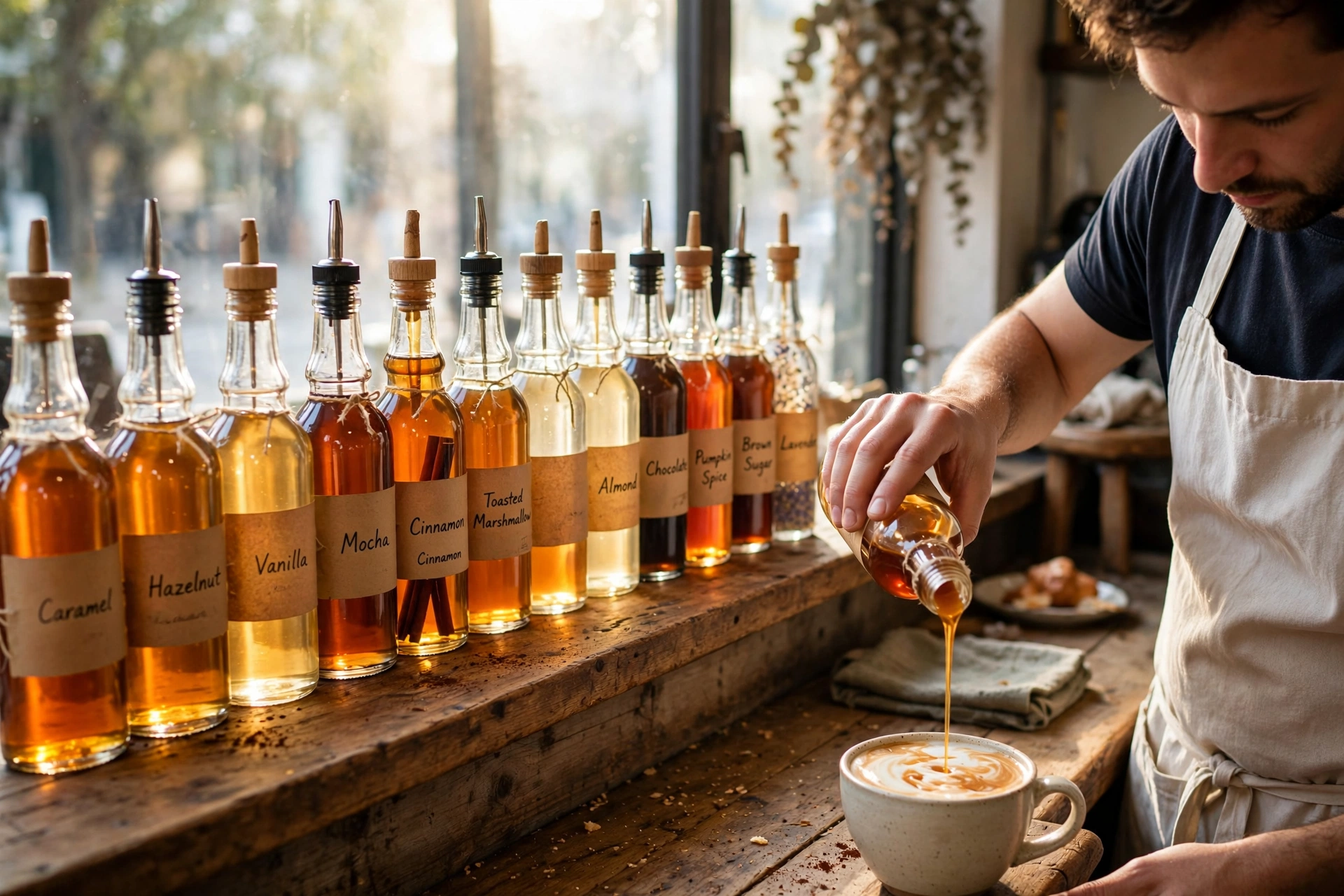
Finally, avoid the "too many options" trap. While it's tempting to offer twenty different syrups, this leads to decision paralysis for the customer and increased waste for the owner. Stick to a curated list of five to seven high-performing flavors. Combining hazelnut with a vanilla coffee syrup strategy and a caramel option covers 90% of consumer preferences. Adding too many niche flavors often results in bottles sitting on the shelf until they expire, which is essentially throwing money away.
Pro Tip: The "Nutty Fusion" Upsell
To take your hazelnut program to the next level, introduce a "Fusion Flavor." For example, a "Hazelnut-Vanilla Swirl." By using one pump of hazelnut and one pump of vanilla, you create a complex flavor profile that feels exclusive to your shop. I have tested this with dozens of clients, and the result is always the same: customers perceive the drink as a "specialty creation," allowing you to increase the price by another $0.25 to $0.50 over a single-flavor latte.
Deep Dive: For those operating in a medical or corporate setting, such as those using automated coffee machines for clinics, simplicity is key. In these environments, the hazelnut option should be an easy-to-access button or a clearly labeled pump. The goal is to provide a moment of luxury in a stressful day. A hazelnut-flavored coffee provides a comforting sensory break that a plain black coffee simply cannot offer.
Frequently Asked Questions
Does hazelnut syrup expire quickly?
Commercial hazelnut syrups generally have a shelf life of 6 to 12 months if stored in a cool, dry place. However, once a bottle is opened, the quality can begin to degrade due to oxidation. To maintain the toasted nut profile, I recommend keeping the caps tight and avoiding direct sunlight. If you notice the syrup becoming cloudy or the flavor becoming "flat," it is time to replace the bottle. Using a FIFO system ensures you are always serving the freshest product.
Can I use hazelnut syrup in iced coffee?
Absolutely. In fact, hazelnut is one of the best flavors for iced coffee because it doesn't lose its potency when chilled. While some syrups can taste "thin" in cold brew, the richness of hazelnut stands up well to the dilution of ice. For the best results, stir the syrup into the hot espresso before adding the milk and ice to ensure it is fully integrated and doesn't settle at the bottom of the glass.
Is there a difference between hazelnut syrup and hazelnut sauce?
Yes, there is a significant difference in viscosity and sugar content. Syrup is water-based and thinner, making it ideal for stirring into coffee or using in pumps. Sauce is usually condensed or cream-based, making it much thicker and richer. While syrup is used for flavoring the entire drink, sauce is typically used for drizzling on top of the foam or lining the inside of the glass for a more decadent, dessert-like presentation.
Which coffee roast pairs best with hazelnut?
Medium to dark roasts are the ideal partners for hazelnut coffee syrup. The nutty notes of the syrup complement the chocolatey and smoky undertones typically found in medium-dark roasts. In contrast, a very light, fruity roast may clash with the toasted hazelnut flavor, creating a disjointed taste. If you are using high-quality Coffea arabica beans from a medium roast, the hazelnut will enhance the natural sweetness of the bean.
How do I prevent syrup from sticking to the bottles?
Preventing "syrup creep" is mostly about technique. Always wipe the nozzle of the pump with a clean, damp cloth after each shift. If you are using squeeze bottles, ensure the cap is tightened fully. Some cafes use silicone gaskets or specialized holders to keep bottles upright and stable. Regular cleaning prevents the buildup of sugar that attracts pests and makes the workstation look unprofessional.
Conclusion
Mastering the use of hazelnut coffee syrup is a low-risk, high-reward strategy for any foodservice business. By focusing on consistency, precision dosing, and strategic menu placement, you can turn a simple additive into a significant revenue driver. Whether you are running a boutique cafe in Mount Pleasant or managing a large-scale hotel beverage program, the ability to provide a consistent, comforting, and indulgent flavor experience is what separates a generic coffee station from a destination cafe.
Remember that the syrup is the accompaniment, but the coffee is the foundation. Investing in professional equipment and a managed service ensures that your base is always perfect. For more professional insights on optimizing your beverage program, refer back to our Ultimate Guide to Coffee Syrups for Foodservice Businesses or explore our tailored solutions at Busy Bean Coffee.
Free Coffee Pairing Guide & Specialty Roast Cheat Sheet
Unlock the secrets of perfect brewing ratios, water temperatures, and specialty roast profiles. Download the guide.