📖This article is part of the complete guide to Ultimate Guide to Coffee Syrups for Foodservice Businesses.
In my experience working with high-volume cafes, the difference between a standard latte and a signature drink that drives repeat traffic is often a matter of 30 milliliters of the right syrup. I have seen businesses lose thousands in potential revenue simply because they treated flavored coffee syrups as an afterthought rather than a strategic profit lever. When a customer pays a premium for a flavored espresso beverage, they aren't just paying for sugar; they are paying for a consistent, curated sensory experience that balances the acidity of the coffee with a precise sweetness profile.
For a comprehensive overview of how to integrate these products into your operation, explore our Ultimate Guide to Coffee Syrups for Foodservice Businesses.
What are Flavored Coffee Syrups in the Context of Espresso?
📚
Definition
Flavored coffee syrups are concentrated liquid sweeteners infused with natural or artificial flavorings, designed to integrate seamlessly into hot and cold espresso-based beverages without curdling the milk or overpowering the coffee's origin notes.
Flavored coffee syrups are more than just additives; they are chemical stabilizers for the flavor profile of a drink. In a professional cafe setting, these syrups must be formulated to withstand the high temperatures of steamed milk and the intense pressure of a high-end espresso machine. Unlike homemade syrups, which often separate or crystallize, commercial-grade syrups maintain a consistent viscosity that ensures every shot of espresso is flavored identically, regardless of who is behind the bar.
When we analyze the chemistry of a flavored latte, we are looking at the interaction between the lipids in the milk, the oils in the coffee bean, and the sucrose in the syrup. A high-quality syrup enhances the natural sweetness of Coffea arabica without masking the nuanced tasting notes—such as citrus or chocolate—that a Q-Grader looks for. For businesses in high-traffic areas like Mount Pleasant, SC, offering a curated menu of flavors is essential to compete with larger chains that have perfected the science of drink customization.

Why Does Using Professional Syrups Matter for Your Business?
Using professional flavored coffee syrups is a direct strategy for increasing the Average Order Value (AOV). According to the National Coffee Association USA, consumer demand for customized beverage options continues to grow, with a significant percentage of drinkers preferring flavored additions over black coffee. By adding a "signature flavor" option to your menu, you can typically increase the price of a beverage by $0.50 to $1.25, while the cost of the syrup itself remains only a few cents per serving.
Beyond the margins, consistency is the primary driver of customer retention. In my time as a Roastmaster, I've noticed that the biggest complaint from customers isn't that a drink is too sweet or not sweet enough, but that it tastes different every time they visit. Professional syrups provide a standardized dosing system. When you combine a precision espresso machine with a calibrated pump system, you remove the human error that leads to inconsistent taste profiles.
Furthermore, the use of NSF-certified equipment and food-grade syrups ensures compliance with health standards. The NSF International provides the gold standard for food equipment safety, and ensuring your syrup dispensers and storage units meet these criteria prevents contamination and spoilage. This is particularly important for businesses scaling their operations, such as those implementing a Sensa Coffee Service in Charleston SC, where health inspections are rigorous and operational efficiency is paramount.
How to Implement Flavored Syrups in Your Espresso Workflow
Implementing a syrup program requires a balance between creativity and operational speed. The goal is to provide a variety of flavors without slowing down the barista's workflow during the morning rush. The first step is the establishment of a "Flavor Matrix," where you determine which syrups pair best with your specific roast profile. If you are using a light-roast specialty coffee, a subtle vanilla or almond may be better than a heavy chocolate or caramel, which could completely drown out the bean's origin.
Step-by-Step Implementation Guide:
- Calibration of Dosage: Determine the exact milliliter count per drink size (e.g., 15ml for 8oz, 30ml for 16oz). Use calibrated pumps rather than free-pouring to ensure margin protection.
- Sourcing the Right Base: Choose between simple syrups, concentrated sauces, and infused syrups. For espresso drinks, a syrup with a lower viscosity usually blends more easily into the crema of the espresso shot.
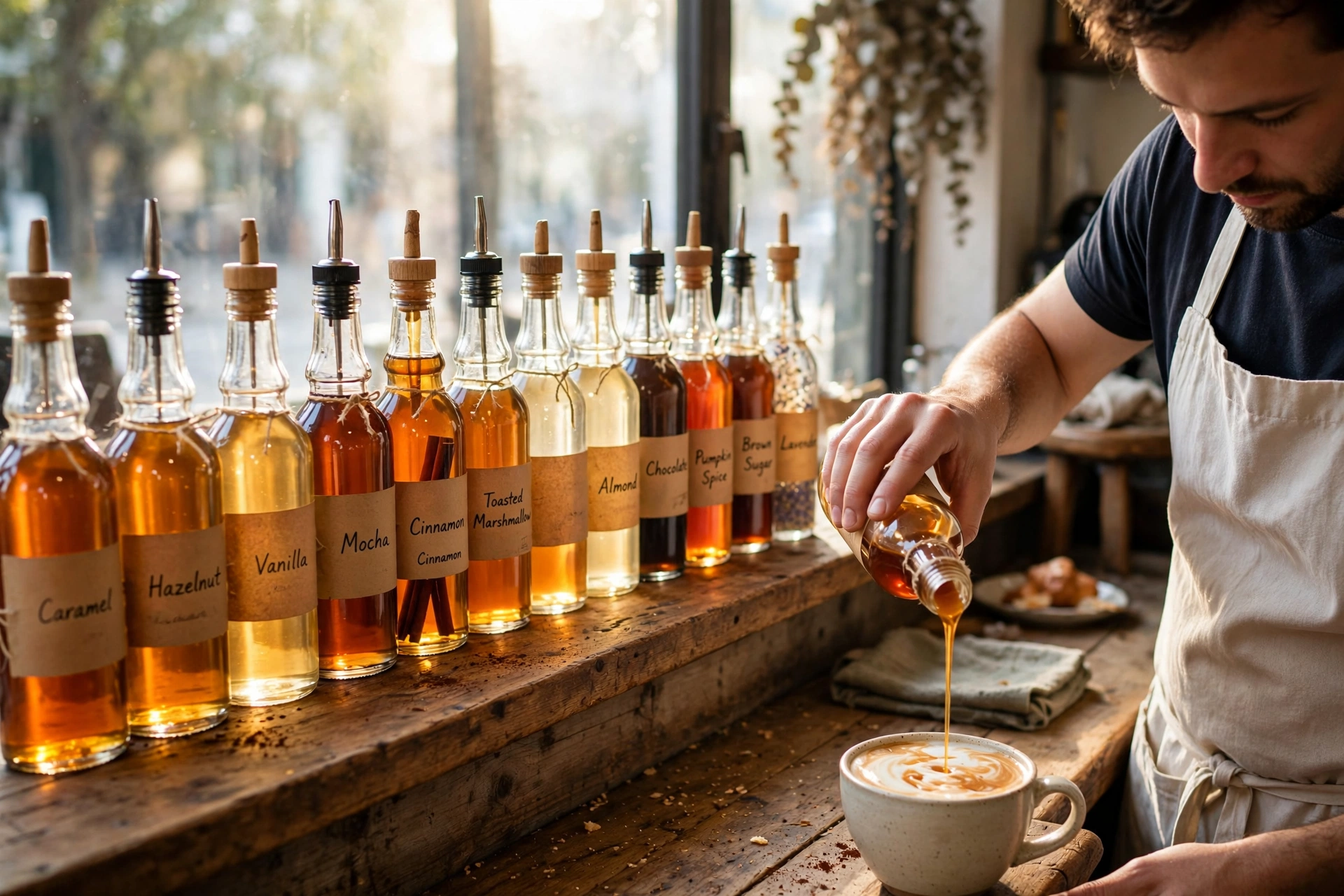
- Station Organization: Place the most popular flavors (like vanilla) in the most accessible positions. For a detailed look at high-demand options, check our guide on Vanilla Coffee Syrup: Enhancing Commercial Coffee Programs.
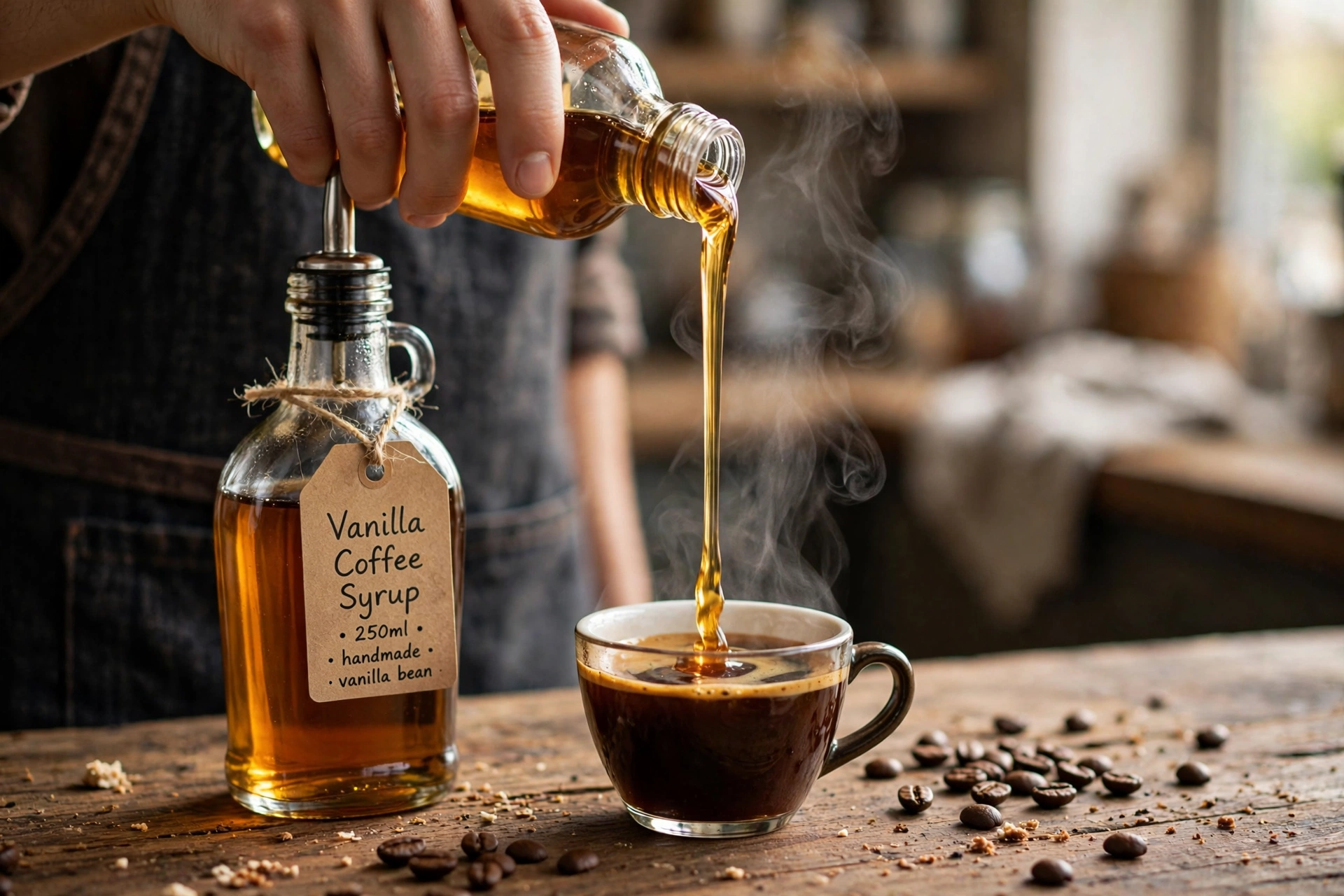
- Training the Barista: Teach staff to add the syrup to the cup before the espresso shot is pulled. This allows the heat of the espresso to naturally incorporate the syrup, avoiding the need for excessive stirring.
- Menu Integration: Create "Signature Lattes" that combine two flavors (e.g., salted caramel and hazelnut). This allows you to charge a higher premium for a "curated experience" rather than just a "flavored drink."
For those managing larger hospitality environments, such as those utilizing Automatic Coffee Machines for Hotels and Hospitality in 2026, the integration should be automated via the machine's interface to ensure that flavor ratios remain perfect even during peak check-in hours.
Professional Approach vs. Common Alternatives
Many small cafe owners make the mistake of trying to make their own syrups or buying low-grade supermarket brands to save money. However, the long-term cost of inconsistency and labor usually outweighs the initial savings.
| Feature | Traditional Homemade Approach | Cheap Supermarket Syrups | Professional Sensa-Grade Approach |
|---|---|---|---|
| Consistency | Variable; batches differ in sweetness | High consistency, low flavor depth | Absolute consistency across all batches |
| Labor Cost | High; requires staff time to boil/store | Low; pour and serve | Very Low; integrated pump systems |
| Shelf Life | Short; requires refrigeration | Moderate; contains preservatives | Long; stabilized for commercial use |
| Taste Profile | Often too sugary; lacks complexity | Artificial "chemical" aftertaste | Balanced; complements specialty coffee |
| Scalability | Impossible to scale across locations | Easy but low-quality | Highly scalable with managed service |
💡
Key Takeaway
While homemade syrups offer a "craft" feel, the professional approach minimizes waste and maximizes throughput, which is essential for any business operating in a competitive market like Sensa Coffee Service in Raleigh NC.
Common Mistakes to Avoid When Using Coffee Syrups
One of the most frequent errors I see in the industry is "Over-Syruping." In an attempt to make the drink taste "premium," baristas often add too much syrup, which masks the expensive specialty coffee and creates a cloying taste. The syrup should act as a supporting actor to the coffee, not the lead role. To avoid this, always taste your espresso base first and add syrup in increments.
Another critical mistake is ignoring the temperature of the syrup. If a syrup is kept in a cold environment and then added to a boiling hot espresso shot, it can occasionally cause the milk to foam unevenly or the syrup to clump. Keeping syrups at a stable room temperature is the best way to ensure seamless integration.
Finally, many cafes fail to rotate their stock. While commercial syrups have a long shelf life, they can still oxidize or develop a "dusty" taste if left in the sun. I always recommend a First-In, First-Out (FIFO) system. If you are buying in bulk, it is essential to understand the logistics of Wholesale Coffee Syrups: Bulk Buying for Businesses to avoid overstocking and waste.

Deep Dive: Pairing Syrups with Coffee Roasts
As a Q-Grader, I approach flavor pairing as a science. The chemical compounds in the coffee bean dictate which syrup will enhance the drink. For example, a coffee bean from Ethiopia often has floral and citrusy notes. Pairing this with a heavy Caramel Syrup for Lattes in Foodservice Settings can create a flavor clash. Instead, a hint of honey or a light vanilla complements the natural acidity of the bean.
Conversely, a Brazilian bean with chocolatey, nutty undertones is the perfect canvas for richer flavors. A salted caramel or a hazelnut syrup will amplify those earthy notes, creating a deeper, more resonant flavor profile. This is why we encourage our clients in Sensa Coffee Service in Charlotte, NC to rotate their syrup offerings based on the seasonal beans they are roasting.
For those operating in the hospitality sector, the goals are slightly different. Hotel guests often look for comfort and familiarity. This is why Choosing Coffee Syrups to Elevate Hotel Guest Experiences usually involves a focus on the "top three" classics: vanilla, caramel, and mocha. Providing these options ensures that the guest feels at home regardless of where they are from in the world.
Frequently Asked Questions
How much syrup should I use for a standard 12oz latte?
For a balanced flavor that doesn't overpower the espresso, the industry standard is typically 30ml (approximately 1 ounce) of syrup for a 12oz drink. However, this can vary based on the sweetness of the syrup itself. I recommend starting with 20ml and offering the customer a "half-sweet" or "extra-sweet" option to cater to individual preferences and reduce waste.
Do flavored syrups expire or go bad?
Yes, although they have a longer shelf life than fresh ingredients due to their high sugar content. Most professional syrups are stable for 6 to 12 months if stored in a cool, dry place away from direct sunlight. Always check for crystallization around the cap or a change in color, which indicates the syrup is beginning to degrade and should be replaced to maintain quality.
Can I use the same syrups for iced coffee and hot lattes?
Absolutely, but the perception of sweetness changes with temperature. Cold beverages generally mute the perception of sweetness, meaning you may need to increase the syrup dosage by 10-15% for an iced latte to achieve the same taste profile as a hot one. This is a common adjustment we implement for our clients using Sensa Coffee Service in Jacksonville, FL.
Will adding syrup affect the crema of my espresso?
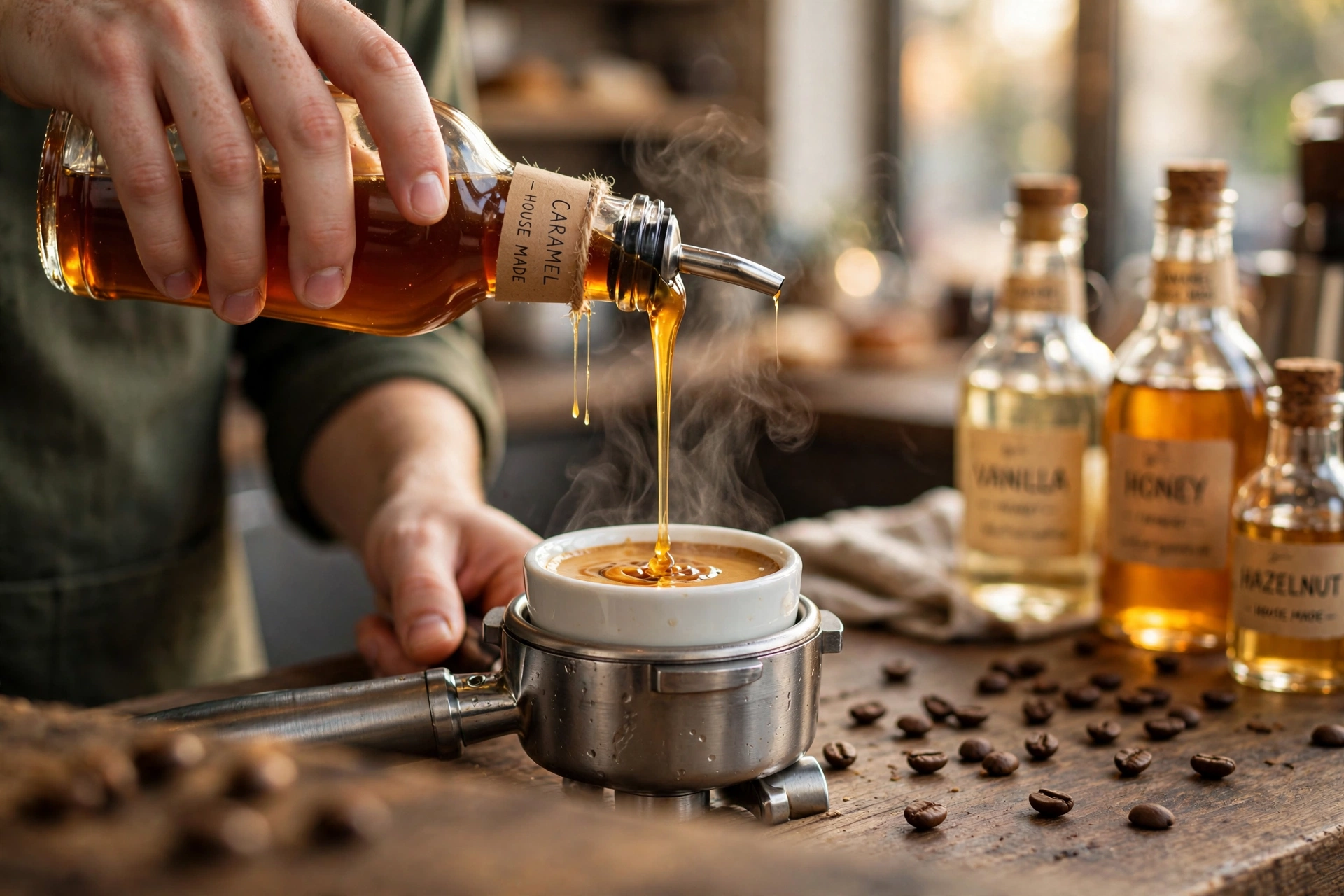
If added correctly, syrup will not destroy the crema, but it will change its color and consistency. The best practice is to pump the syrup into the cup first, then pull the espresso shot directly onto it. The force of the espresso extraction naturally mixes the syrup, preserving as much of the crema's structure as possible and creating a beautiful, marbled effect.
Are sugar-free syrups as effective as regular syrups in espresso?
Sugar-free syrups use artificial sweeteners which have a different viscosity and a different "finish" on the palate. They can sometimes leave a lingering metallic aftertaste. To combat this, I suggest pairing sugar-free syrups with a slightly bolder roast of coffee to balance the artificial sweetness with more intense bitter notes, ensuring the drink remains satisfying.
Conclusion
Integrating professional flavored coffee syrups into your espresso program is one of the fastest ways to increase your cafe's profitability without requiring a massive capital investment. By focusing on precision dosing, strategic pairing with your coffee roasts, and maintaining a clean, NSF-compliant environment, you can transform a simple coffee service into a destination experience. The key is to treat the syrup as an enhancement to the specialty coffee, not a replacement for it.
Whether you are operating a small boutique cafe or managing a large-scale hospitality program, consistency is your most valuable asset. From the quality of the coffee bean to the precision of the syrup pump, every detail matters. If you are ready to professionalize your beverage program and eliminate the hassle of equipment maintenance and sourcing, we invite you to explore the managed solutions at Busy Bean Coffee.
For a complete deep dive into selecting the right products and managing your costs, return to our Ultimate Guide to Coffee Syrups for Foodservice Businesses.
Free Coffee Pairing Guide & Specialty Roast Cheat Sheet
Unlock the secrets of perfect brewing ratios, water temperatures, and specialty roast profiles. Download the guide.