Introduction
Walk into any coffee shop in 2026 and you'll likely see a sign claiming "fair trade coffee." But peek behind the counter. Do you know where those beans actually came from? How much the farmer got paid? Most restaurateurs don't. They slap a logo on the menu and call it a day.
That's the problem. Offering fair trade coffee isn't a sticker. It's a supply chain decision that affects everything from your profit margins to your brand reputation. Get it right and you build loyalty with increasingly conscious customers. Get it wrong and you're greenwashing — and your guests will notice.
I've spent over a decade helping cafes, hotels, and restaurants across the country navigate this stuff. Most guides focus on the feel-good story. I'm going to show you the practical mechanics: certification types, sourcing strategies, equipment choices, and how to actually market it without sounding like a corporate brochure.
What Is Fair Trade Coffee Really?
💡Key Takeaway
Fair trade isn't a single label — it's a system of third-party certifications that guarantee minimum prices, better working conditions, and environmental standards for smallholder farmers. You need to choose which certification fits your business model.
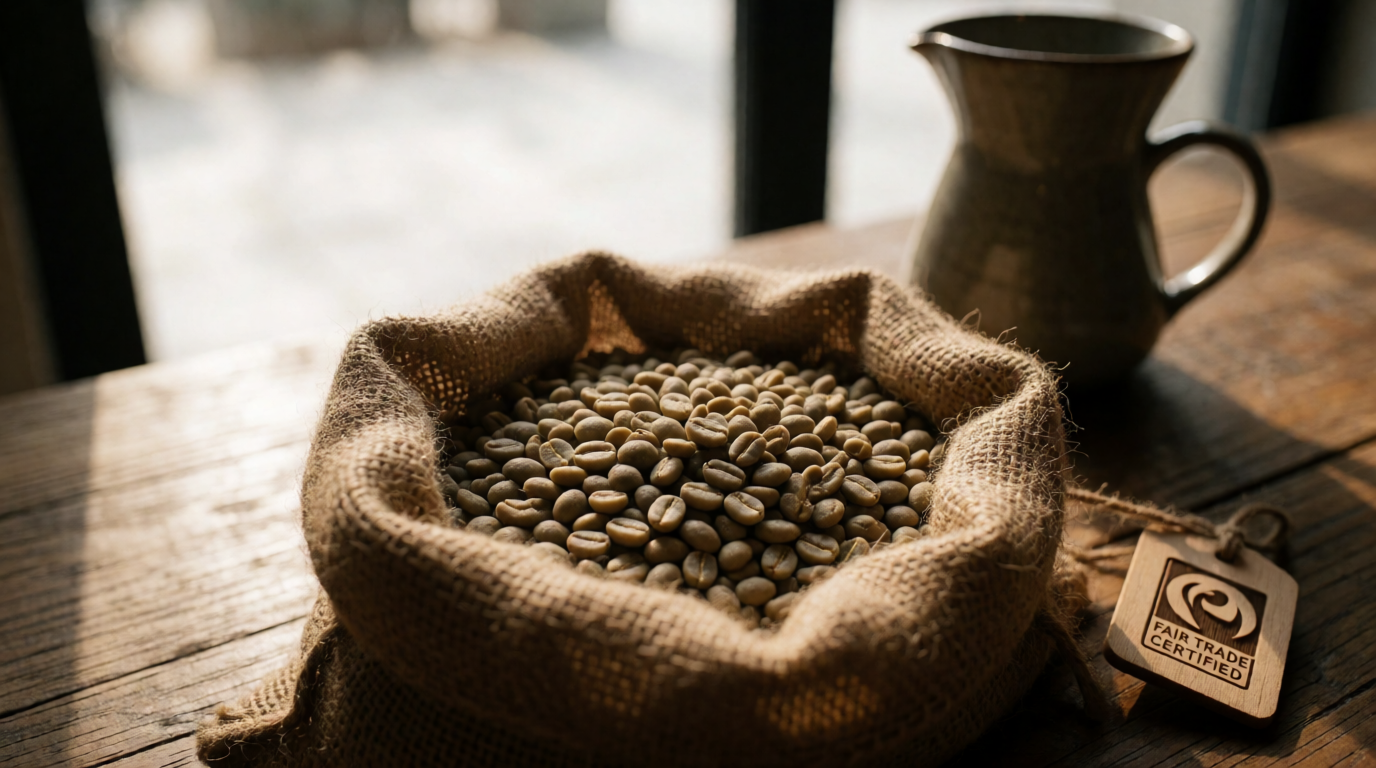
Fair trade coffee is coffee purchased directly from farmers or cooperatives at a guaranteed minimum price — typically $1.80–$2.20 per pound for Arabica, well above the volatile commodity market. That price floor protects farmers when global prices crash. On top of that, buyers pay a "fair trade premium" (often $0.20–$0.30 per pound) that goes into community development: schools, healthcare, infrastructure.
But here's where it gets nuanced. There are multiple certification bodies, each with different rules and costs. The two biggest are Fair Trade USA and Fairtrade International (the one with the black-and-green label). Fair Trade USA allows plantation models; Fairtrade International focuses on smallholder cooperatives. Then there are direct trade relationships, which aren't exactly fair trade but often pay even higher prices.
For a restaurant or café, the key is verifying that your supplier actually holds a valid certification — not just claims it. Many roasters will say "we source fair trade" but only a fraction of their volume is certified.
Why Fair Trade Coffee Matters for Cafes and Restaurants
Your customers care. Data from a 2025 survey by the National Coffee Association showed that 63% of specialty coffee drinkers consider sustainability certifications when choosing where to buy. And that number grows every year.
But it's not just consumer demand. Offering certified fair trade coffee differentiates you in an increasingly crowded market. Competitors down the street can undercut you on price, but they can't copy your supply chain story if you're the one genuinely supporting farmers.
There's also a financial angle. Fair trade coffee typically costs 15–30% more than conventional. But you can justify that premium on your menu. Customers will pay $4.50 for a latte they know is ethical versus $4.00 for an unknown one. The trick is communicating the value.
Let's look at how the sourcing approaches compare:
| Aspect | Traditional Approach | Generic "Ethical" Approach | Busy Bean Managed Service |
|---|
| Sourcing | You buy from multiple distributors; no consistent certification. | A roaster claims "fair trade" without third-party verification. | We source only certified fair trade coffee from verified cooperatives. |
| Equipment | You buy your own espresso machine, grinder, brewer — capital expense. | You lease a generic machine with no maintenance included. | Premium SENSA equipment installed and maintained by us for one monthly fee. |
| Quality Control | You rely on staff training; inconsistent shot quality. | No oversight; hallmarks of stale beans or poor grind. | Regular calibration and support from our technicians. |
| Cost Predictability | Fluctuating wholesale prices; surprise breakdown costs. | Low upfront but hidden service fees. | All-inclusive predictable monthly payment covers coffee, machine, service. |
| Certification Guarantee | You must audit every shipment. | Often misleading marketing. | We guarantee all coffee meets Fair Trade USA or equivalent certification. |
This is why
subscription coffee services in Seattle WA and other cities are growing — they remove the headache while maintaining ethical integrity.
How to Choose the Right Fair Trade Coffee Supplier
1. Verify the Certification Chain
Don't just take the roaster's word. Ask for a copy of their current Fair Trade USA or Fairtrade International certificate. Then look at the batch you're buying — does it have a traceability code? Many large roasters blend certified and non-certified beans. If you want 100% fair trade, specify it in your contract.
2. Understand the Cost Structure
Fair trade premium is not the only cost. You'll also pay for shipping, roasting, and the roaster's margin. Expect to spend $8–$12 per pound for single-origin fair trade roasted coffee from a quality roaster. That's about double commodity Colombian. If you're a high-volume café, that adds up. But if you charge $4.50 for a 12-ounce drip cup, your coffee cost per cup is about $0.35–$0.50 — still a healthy margin.
3. Consider Direct Trade as an Alternative
Many specialty roasters like Counter Culture and Intelligentsia bypass fair trade labels and go straight to cooperatives, often paying even higher prices. Direct trade isn't certified, but it can be more transparent. If you want the highest quality and strongest story, direct trade might beat fair trade. But if you need a recognizable certification to market to guests, stick with a certified label.
4. Match Your Volume to the Roaster
A micro-roaster might source one container per year. If you're a large hotel, you need consistent supply. Bigger roasters like Green Mountain or Starbucks (yes, they do some fair trade) have larger volumes. The risk: they may blend beans. Ask about traceability.
5. Test Taste Blind
Don't assume fair trade tastes worse or better. Top-quality fair trade beans can score 85+ on the SCA cupping scale. Blind taste-test three roasters before committing. Your customers will come back for flavor, not just ethics.
Equipment Essentials for Serving Fair Trade Coffee
Great beans need great gear. If you're brewing fair trade, you owe it to the farmer and your customer to extract every bit of flavor.
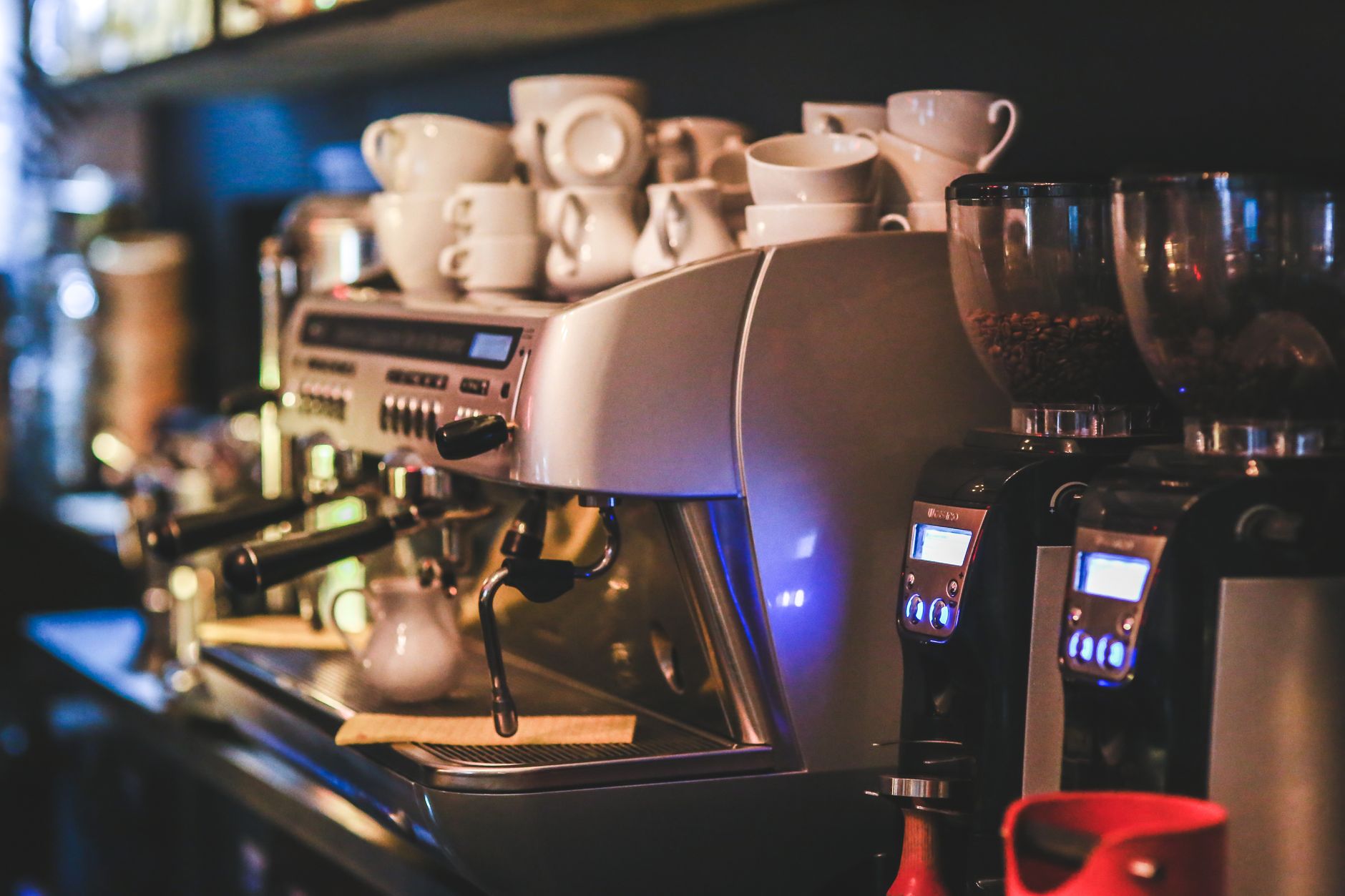
For espresso, invest in a dual-boiler espresso machine with PID temperature control (like the SENSA models Busy Bean supplies) and a high-quality burr grinder. Fair trade beans are often lighter roasted, which requires precise grind adjustment.
For batch brew, use a brewer that meets Specialty Coffee Association (SCA) standards — water temperature between 195°F and 205°F, contact time 4–6 minutes. Many cafes use Fetco or Curtis brewers.
The key: maintenance. Fair trade beans are often denser and produce more fines. If you don't clean your grinder burrs weekly, your shots will taste ashy. That's where a managed service like
automated coffee service in Houston TX can be a lifesaver — they handle all calibration and cleaning.
💡Pro Tip
Don't skimp on water filtration. Bad water makes even the best fair trade coffee taste flat. Install a reverse osmosis system with remineralization — it's non-negotiable.
Marketing Your Fair Trade Coffee Program
Your certification is a story. Tell it everywhere.
Don't just write "Fair Trade Coffee $3.50." Write: "Single-origin Fair Trade Colombian from the Huila Cooperative — every cup supports 200 farming families."
In-Store Signage
Place a small card next to the register: "Our coffee is Fair Trade Certified. Learn more at [your website]." Or display a poster with a photo of the farmer cooperative.
Post about your supplier. Show a video of the roasting process. Interview your roaster. Use hashtags like #FairTrade #CoffeeFarmers #SustainableCafe. Tag your roaster and the certification body.
Staff Training
Train your baristas to answer two questions: "What makes this coffee fair trade?" and "How does it taste different?" If they can't, you're missing a sales opportunity.
Loyalty Program Tie-In
Offer a "Fair Trade Club" — 10 cups gets a free drip. But tie it to education: include a card about the farmer with each reward.
Common Mistakes When Offering Fair Trade Coffee
Mistake 1: Choosing the Wrong Certification
Not all fair trade is equal. Fair Trade USA allows plantations; Fairtrade International prohibits them. If your brand values smallholder farmers, the wrong label can hurt credibility.
Mistake 2: Overpaying Without Verification
Some roasters charge a premium for "fair trade" but don't actually buy certified beans. Always ask for certificates. If they can't produce one, walk away.
Mistake 3: Neglecting Staff Buy-In
If your team doesn't care about the story, they won't sell it. Train them on why fair trade matters. Make it part of your culture.
Mistake 4: Inconsistent Supply
Fair trade supply chains can be volatile. If you commit to a single-origin, have a backup plan. Otherwise, you'll run out and have to substitute conventional coffee — and customers will notice.
Mistake 5: Not Adjusting Your Price
You can't sell fair trade coffee at the same price as Folgers. But you also can't gouge. Price it 10–20% above conventional single-origin. Most customers will pay.
Mistake 6: Ignoring Brewing Method
Fair trade coffee is often lighter roasted. If you brew it like a dark roast — too long, too hot — it will taste sour. Dial in your recipe.
Mistake 7: Forgetting the Waste Factor
Ethical sourcing doesn't stop at the beans. Compost your coffee grounds. Use biodegradable cups. Your entire operation should align with your messaging.
Mistake 8: Thinking You Have to Do It Alone
Managed coffee services like
subscription coffee service in New York NY exist exactly for this reason. They handle sourcing, equipment, maintenance, and certification — you just pour.
Frequently Asked Questions
What does "fair trade" actually guarantee for coffee farmers?
Fair trade guarantees a minimum price per pound (currently around $1.80 for Arabica), plus an additional premium of $0.20–$0.30 that goes to community projects. It also prohibits forced labor and child labor, and requires environmental protections. However, it doesn't guarantee a living wage — that's a separate, higher standard.
How much more does fair trade coffee cost for a restaurant?
Expect to pay 15–30% more than conventional single-origin coffee. For a high-volume café doing 200 cups a day, that could mean an extra $100–$200 per week in coffee cost. But the price increase on the menu can cover it — plus it often boosts average ticket size.
Can I call my coffee "fair trade" if only part of the blend is certified?
No. Unless 100% of the beans in that specific batch are certified, you cannot legally use the label on the menu or packaging. Some roasters use "contains fair trade certified beans," but that's weak. Better to offer one fully certified blend and clearly mark it.
How do I verify my supplier's fair trade certification?
Ask for their current Fair Trade USA or Fairtrade International certificate. It should list the product, volume, and validity dates. You can also verify through the certification body's website. If they can't provide documentation, do not trust the claim.
Does fair trade coffee taste different?
It can, but not because of the label. Many fair trade beans are high-quality Arabicas grown at altitude. But some certified beans are lower-grade if the cooperative lacks processing infrastructure. Taste test before buying. Many top roasters now source fair trade beans that score 84+ on the 100-point cupping scale.
What's better: fair trade or direct trade?
Direct trade often pays farmers more because it cuts out the certifier's overhead. But it lacks third-party verification. If your brand needs a recognizable seal (e.g., to use in marketing), fair trade wins. If you want maximum transparency and quality, direct trade is stronger. Many forward-thinking cafes do both: direct trade for single-origin offerings, fair trade for their house blend.
How can I market fair trade coffee without sounding preachy?
Focus on the farmers, not yourself. Share specific stories: "This coffee comes from the Huila Cooperative in Colombia, where 200 families use the premium to build a school." Avoid corporate-speak like "we are committed to sustainability." Instead, show: "Every cup you buy sends $0.15 back to the farmer's community."
Is there a simpler way to offer fair trade coffee without managing it all in-house?
Yes — partner with a managed service like Busy Bean Coffee. We provide certified fair trade coffee, premium SENSA equipment, installation, maintenance, and ongoing support for one monthly fee. No capital expense, no certification headaches. We handle the roaster relationships and quality control. You just serve great coffee.
Recommended Readings
To deepen your understanding of these topics, we recommend reading the following articles:
Conclusion
Offering fair trade coffee isn't a checkbox. It's a commitment to a specific supply chain, a price structure, and a story your customers will buy into. But you don't have to do it alone — and you shouldn't try to reinvent the wheel.
Start small: pick one coffee you'll switch to fair trade. Test it with customers. Train your staff on the story. Then expand.
If you want a turnkey solution that removes all the complexity — sourcing, equipment, maintenance, certification — check out the Ultimate Guide to Fair Trade Coffee for Foodservice Businesses for a deeper dive, or talk to Busy Bean Coffee. We make it easy to serve ethical coffee that tastes great and keeps your margins healthy.
💡Insight
In 2026, consumers are more skeptical than ever. They can spot greenwashing from across the room. A genuine fair trade program — verified, transparent, and well-brewed — is one of the strongest competitive moats you can build. Don't just sell coffee. Sell trust.
Free Coffee Pairing Guide & Specialty Roast Cheat Sheet
Unlock the secrets of perfect brewing ratios, water temperatures, and specialty roast profiles. Download the guide.