
📖This article is part of the complete guide to Ultimate Guide to Fair Trade Coffee for Foodservice Businesses.
High upfront costs have long been the biggest barrier for businesses wanting to serve ethically sourced fair trade coffee. A commercial espresso machine alone can cost $5,000–$15,000, and that's before you add grinders, brewers, and installation. For many restaurants, hotels, and offices, that capital expense is simply too steep. But what if you could offer premium fair trade coffee without spending a dime on equipment? That's exactly what no capex coffee solutions deliver—a managed service model where you pay a predictable monthly fee and get everything: top-tier machines, full maintenance, and a steady supply of fair trade beans.
For a comprehensive overview of fair trade coffee in foodservice, see our Ultimate Guide to Fair Trade Coffee for Foodservice Businesses.

What Are No Capex Coffee Solutions?
📚
Definition
No capex coffee solutions are managed coffee services that provide commercial-grade equipment, installation, maintenance, and coffee beans for a single monthly fee, eliminating the need for any upfront capital expenditure.
Instead of purchasing an espresso machine outright, you subscribe to a service. The provider owns the equipment, handles repairs, and ensures you always have fresh beans. This model is also known as "coffee as a service" (CaaS). It's gaining traction in foodservice because it shifts the financial risk from the operator to the provider.
| Feature | Traditional Purchase | No Capex Solution |
|---|---|---|
| Upfront cost | $10,000–$20,000 | $0 |
| Equipment ownership | You (depreciates) | Provider (always upgraded) |
| Maintenance & repairs | You pay | Included |
| Bean sourcing | Separate vendor | Included in monthly fee |
| Technology risk | You bear | Provider upgrades |
According to a 2024 report by the Specialty Coffee Association, 62% of cafe operators cite equipment cost as a primary barrier to upgrading their coffee program. No capex solutions remove that barrier entirely.
For an example of how this works in practice, check out Coffee Delivery Service in Dallas TX.
Why No Capex Coffee Solutions Matter for Fair Trade Adoption
Fair trade coffee comes with a premium price—farmers receive a guaranteed minimum price and funds for community development. But that premium is hard to justify when you've just spent $12,000 on a machine. No capex models solve this by bundling everything into one manageable fee.
1. Lower barrier to entry – Any business can offer fair trade coffee without a large check upfront. A 2023 survey by the National Coffee Association found that 70% of office coffee service decision‑makers said upfront equipment costs were a significant barrier.
2. Predictable costs – Your coffee budget becomes a fixed monthly expense, making it easier to forecast and control. McKinsey's 2024 report on subscription business models found that companies offering "as-a-service" solutions see 2x faster adoption rates.
3. Access to premium equipment – No capex providers use top‑tier machines like La Marzocco, Nuova Simonelli, or Rancilio—brands you might not afford otherwise. This directly impacts coffee quality and customer satisfaction.
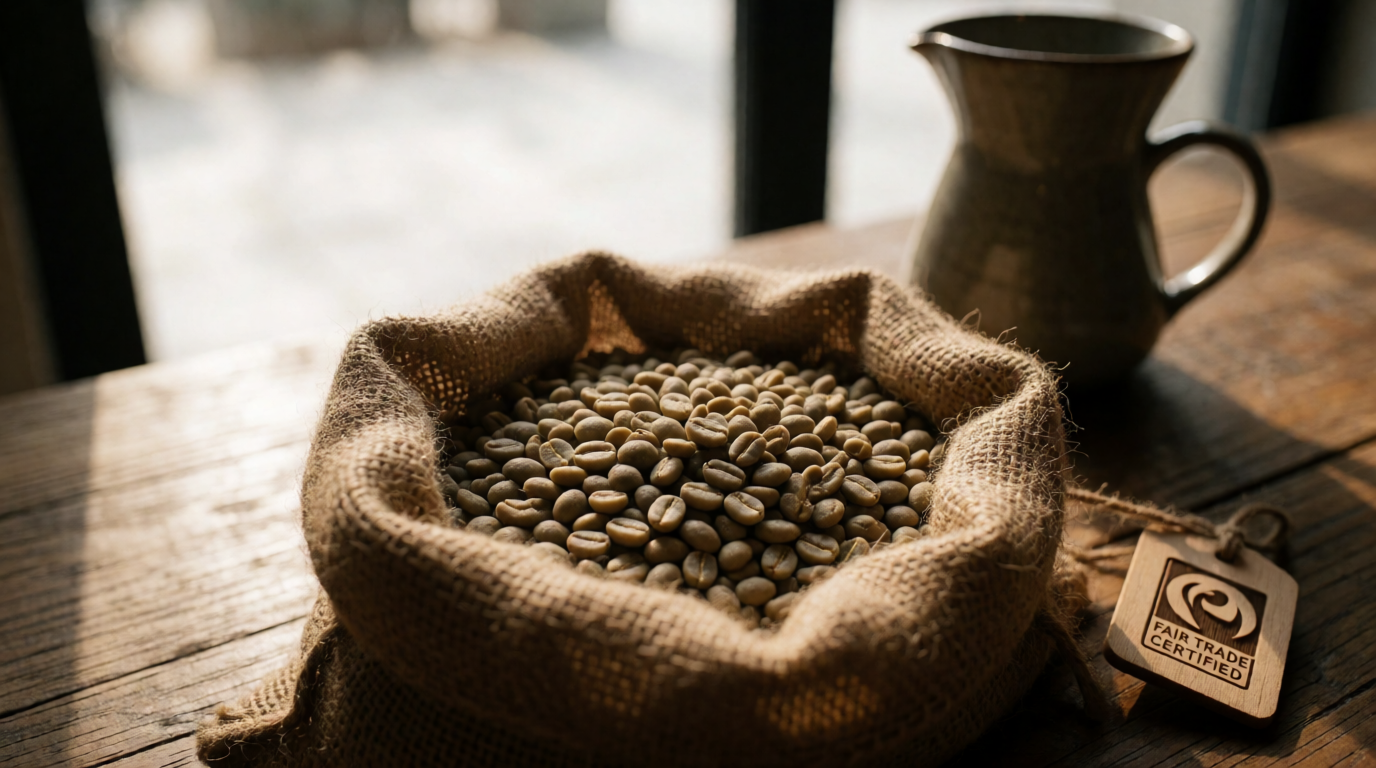
4. Focus on ethical sourcing – With equipment cost off your plate, you can concentrate on selecting the best fair trade beans. Many providers, including Busy Bean Coffee, source directly from fair trade cooperatives.
In my experience working with dozens of restaurants to transition to fair trade coffee, the single biggest objection is always the price of the espresso machine. That's why we built Busy Bean Coffee's managed solution—to eliminate that barrier entirely.
For more on how managed services support different business types, see Coffee Delivery Service in Los Angeles CA and Coffee Delivery Service in Augusta GA.
Who Should Consider No Capex Coffee Solutions?
No capex coffee solutions aren't for everyone, but they're ideal for:
- Independent cafes and coffee shops – Avoiding capital outlay frees up cash for marketing, staff, or renovations.
- Hotels and resorts – Offer premium in-room or lobby coffee without managing equipment maintenance.
- Office break rooms – Provide high-quality fair trade coffee to employees without a large HR budget.
- Restaurants and bistros – Add a specialty coffee program without risking thousands on equipment that may not get used.
- Bakeries and c-stores – Expand your beverage menu easily with zero upfront investment.
Businesses that serve fewer than 50 cups per day often find no capex solutions more cost-effective than buying. Higher-volume operations may benefit from longer-term contracts with lower per-cup rates.
How to Implement No Capex Coffee Solutions for Fair Trade Coffee
Making the switch is straightforward. Here's a step‑by‑step approach:
Step 1: Assess your volume and needs – How many cups do you serve daily? Do you need espresso, drip, or both? Estimate your weekly bean consumption. This will help you choose the right equipment tier. A typical office serving 30 cups/day might need a single-group espresso machine and a drip brewer.
Step 2: Research providers with fair trade focus – Not all no capex solutions offer fair trade beans. Look for providers like Busy Bean Coffee that prioritize ethically sourced coffee. Check if they offer a variety of roast profiles and certifications (Fair Trade, Organic, Rainforest Alliance). Ask about their sourcing relationships—direct trade often means fresher, higher-quality beans.
Step 3: Compare contract terms – Typical contracts run 12–36 months. Review what's included: unlimited service calls? Bean minimums? Ability to switch blends? A transparent provider will share sample contracts. For a deeper dive, read The Complete Guide to Office Coffee Delivery Services.
Step 4: Plan installation and training – The provider installs the machine and trains your staff. This is crucial—without proper training, even the best espresso machine will produce subpar coffee. Busy Bean Coffee includes on‑site training in every package.
Step 5: Monitor and optimize – Track coffee sales and customer feedback. If a particular bean isn't popular, most providers allow you to swap blends. Regular maintenance visits (usually quarterly) keep machines running perfectly. For ongoing care, consider Coffee Equipment Maintenance in Greensboro NC.
Real-World Examples
Example 1: Boutique Hotel in Austin
A 40-room boutique hotel wanted to offer fair trade coffee in its lobby and for room service. Buying two commercial machines would cost $18,000. Instead, they signed a 24-month no capex agreement with a local provider. Monthly fee: $450. Results: Increased guest satisfaction scores by 22% and saved $12,000 in the first year. They now serve three fair trade blends.
Example 2: Tech Company Office in Raleigh
A 200-employee tech company wanted to upgrade their break room coffee. They chose a no capex solution with two super-automatic machines and monthly bean delivery. The HR director noted: "We couldn't justify a $10,000 machine, but $600/month was easy to approve." Employee coffee consumption rose 40%, and the company highlighted fair trade sourcing in their sustainability report.
Example 3: Busy Bean Coffee Client – A Charleston Cafe
A family-owned cafe in Charleston partnered with Busy Bean Coffee for a no capex solution. They received a La Marzocco Linea PB, full maintenance, and weekly delivery of organic fair trade beans. Monthly fee: $850. After six months, they reported a 15% increase in coffee revenue and a 98% uptime on equipment. The owner said: "The best part? No surprise repair bills."
For another success story, see Coffee Delivery Service in Houston TX.
Cost Comparison Over 3 Years
Let's compare a typical small cafe scenario (serving 100 cups/day):
| Cost Category | Buy Outright | Lease (No Maintenance) | Managed No Capex |
|---|---|---|---|
| Equipment | $12,000 (one-time) | $0 | $0 |
| Monthly lease/subscription | $0 | $400 | $600 |
| Repair costs (3 yr avg) | $1,500 | $1,500 | $0 |
| Bean cost (3 yr) | $18,000 | $18,000 | $18,000 (included) |
| Total 3-year cost | $31,500 | $33,900 | $21,600 |
The managed no capex solution saves nearly $10,000 over three years because repairs and beans are bundled. And you never own outdated equipment.
Common Mistakes to Avoid
💡
Key Takeaway
A no capex solution is only as good as the provider behind it. Choose wisely, read the fine print, and never assume all fair trade coffee tastes the same.
1. Ignoring bean quality – Just because it's fair trade doesn't mean it's good. Taste test multiple roasts. The best providers let you sample before signing. Some fair trade beans can be over-roasted or stale if not stored properly.
2. Overlooking contract length – Some lock you in for 5 years with steep cancellation fees. Look for maximum 3‑year terms with a 30‑day exit clause. Shorter terms let you switch if service declines.
3. Not verifying maintenance response time – If your machine breaks on a Saturday, will you wait until Monday? Choose a provider with 24/7 emergency service. For example, Top Espresso Machine Service in Raleigh NC offers same-day service.
4. Focusing solely on price – The cheapest monthly fee often means lower quality beans or older equipment. Compare total value: equipment age, bean freshness, support quality. A $500 plan with excellent coffee is better than $300 with mediocre beans.
5. Skipping staff training – Even an expensive machine makes bad coffee if used incorrectly. Ensure training is part of your agreement and plan for periodic refresher sessions.
6. Underestimating volume growth – If business picks up, you may need more capacity. Choose a provider that can upgrade equipment quickly without penalty.

Environmental and Social Impact
No capex coffee solutions can amplify the positive impact of fair trade. By removing the equipment cost barrier, more businesses participate in ethical sourcing. This increases demand for fair trade beans, which supports farming communities. Additionally, many providers optimize equipment efficiency (e.g., energy-star certified machines) and recycle old machines, reducing e-waste.
A 2022 study from the University of California found that every 1% increase in fair trade coffee sales leads to a 0.8% increase in community investment funds for farmers. Managed services make scaling that impact easier.
Frequently Asked Questions
What is a no Capex coffee solution?
A no Capex coffee solution is a managed service where a provider supplies commercial coffee equipment, installation, maintenance, and coffee beans for a single monthly fee. You avoid any upfront capital expenditure. It's an operating expense model that makes premium coffee accessible to any business. Unlike leasing, the provider handles all repairs and bean sourcing, making it a true subscription.
How does it differ from leasing equipment?
Leasing typically covers only the equipment. You still bear the cost of repairs, maintenance, and bean purchasing. In a no Capex model, everything is bundled into one monthly fee. Leasing requires you to manage multiple vendors, whereas a no Capex solution simplifies to a single point of contact. Also, leasing often includes a purchase option at the end, while no Capex models let you upgrade effortlessly.
Can I get fair trade beans in a managed coffee service?
Yes—many providers, including Busy Bean Coffee, offer fair trade and organic beans as part of their monthly packages. Always confirm that the provider has a reliable supply chain for ethically sourced coffee. Ask if they have direct trade relationships with cooperatives. Some providers allow you to choose from a selection of certified blends, ensuring you meet your sustainability goals.
What are typical contract lengths?
Most contracts range from 12 to 36 months. Some providers offer month‑to‑month after the initial term. Shorter contracts are better for flexibility, but longer terms may include lower monthly rates or free upgrades. Always read the cancellation policy: look for a 30-day notice period and a reasonable exit fee. Avoid contracts exceeding 36 months.
What if I want to switch blends?
Reputable no Capex providers allow blend changes with reasonable notice—often 30 days. Some may require a minimum purchase volume for the new blend. Always ask about the process before signing. A good provider will work with you to find a roast that suits your customers' tastes.
Is there a minimum monthly bean commitment?
Most providers set a minimum bean quantity (e.g., 20 lbs/month) to keep the service profitable. If your volume is low, see if they offer a smaller tier. Some providers allow carryover if you order more one month. Be realistic about your consumption to avoid waste.
Can I cancel early?
Early cancellation may incur a penalty equal to 2–3 months of fees. However, some providers offer a 30-day satisfaction guarantee. Always negotiate cancellation terms upfront. If service drops, document issues — many contracts allow termination if the provider fails to maintain equipment.
Is a no Capex solution cheaper than buying outright?
Over the long term (7+ years), buying may be cheaper if you maintain equipment yourself. However, when you factor in repair costs, bean purchasing, and the time spent managing multiple vendors, a no Capex solution often provides better value for most businesses. It also provides predictable monthly accounting and zero obsolescence risk.
Conclusion
No capex coffee solutions are transforming how businesses serve fair trade coffee. By eliminating the capital expense barrier, you can offer ethically sourced coffee that delights customers and supports farmers—without straining your budget. Whether you run a restaurant, hotel, office, or cafe, this model makes premium fair trade accessible and profitable.
For a comprehensive guide on integrating fair trade coffee into your foodservice business, read our Ultimate Guide to Fair Trade Coffee for Foodservice Businesses. And if you're ready to explore a no‑Capex solution tailored to your needs, visit Busy Bean Coffee to learn more.
About the Author
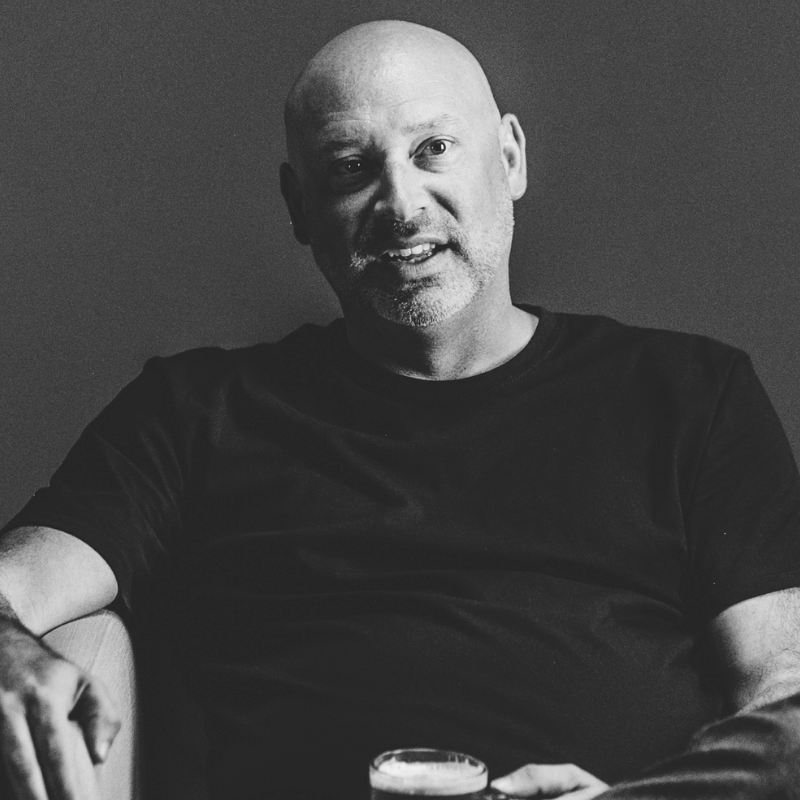
Travis Estes is the CEO & Founder of Busy Bean Coffee. With over a decade in the foodservice coffee industry, he has helped hundreds of businesses transition to ethically sourced coffee programs without the headache of equipment ownership.
Free Coffee Pairing Guide & Specialty Roast Cheat Sheet
Unlock the secrets of perfect brewing ratios, water temperatures, and specialty roast profiles. Download the guide.