Introduction
Automated coffee machines are transforming commercial kitchens by delivering barista-quality brews with minimal human intervention. If you're running a restaurant, hotel, or office in 2026, understanding these machines means the difference between inconsistent drip coffee and reliable specialty drinks that boost customer satisfaction. At Busy Bean Coffee, we've installed hundreds of these systems since 2014, and the core appeal is simple: they automate grinding, brewing, and even milk frothing, handling high volumes without skilled baristas.
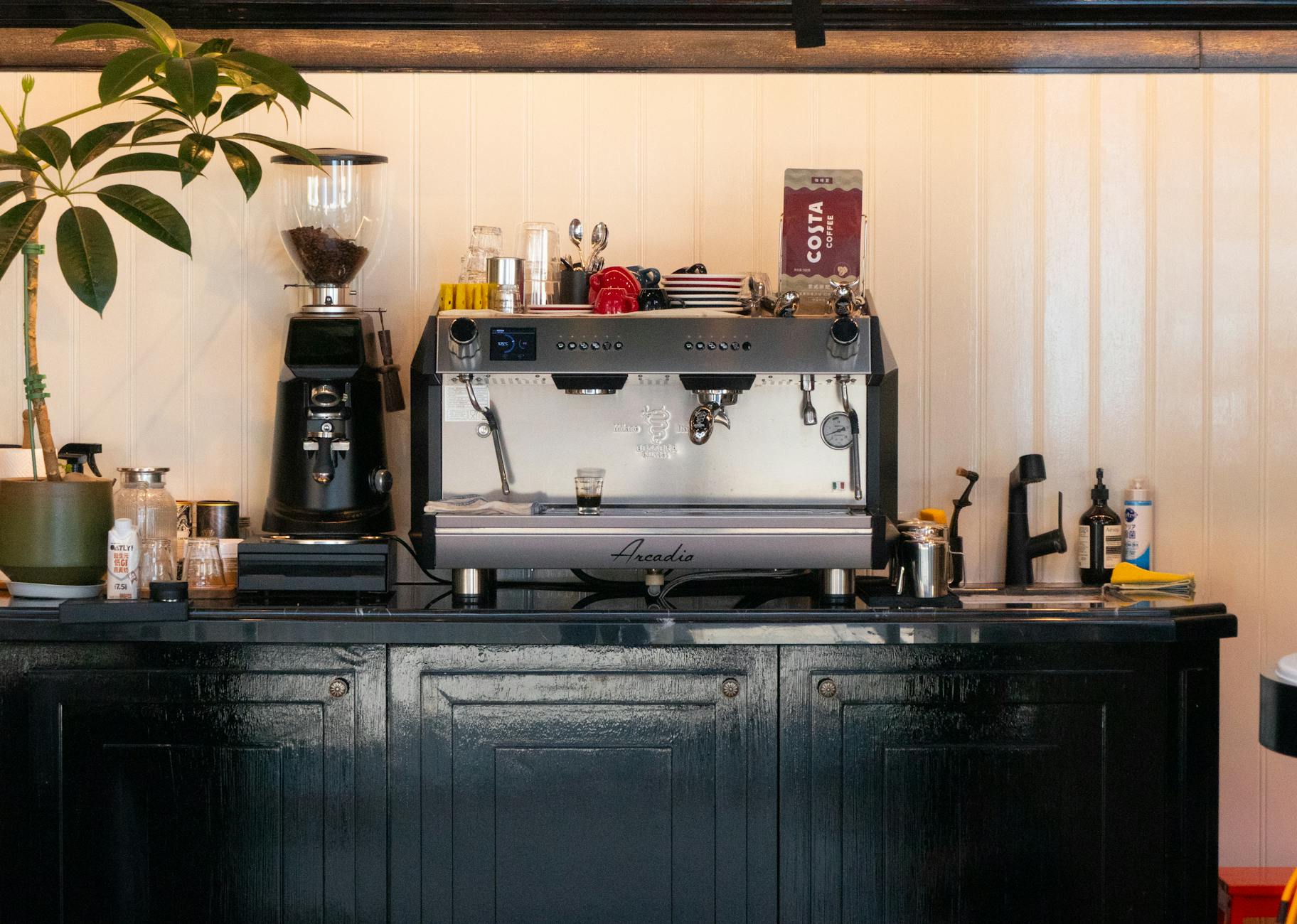
These aren't your home pod brewers. Commercial coffee machines like our SENSA line integrate with managed coffee services, providing everything from fresh beans to maintenance in one predictable fee. Here's the thing though: most operators still think coffee machines require constant oversight. In my experience working with restaurants and hotels across the Southeast, the right automated system runs itself, cutting labor costs by up to 40%. This guide breaks it down—what they are, why they matter, and how to choose one that fits your operation. For more on specialty coffee equipment, check our What Is Specialty Coffee Equipment and Why It Matters for Businesses.
What You Need to Know About Automated Coffee Machines
📚
Definition
Automated coffee machines are commercial-grade appliances that use robotics, sensors, and software to prepare espresso-based drinks, drip coffee, or solubles from whole beans with one-touch operation, eliminating manual tamping, dosing, or steaming.
At their core, these coffee machines feature integrated grinders, brew groups, and self-cleaning cycles designed for non-stop use in high-traffic environments. Take the SENSA Duo from Busy Bean Coffee: it grinds beans on demand, brews under precise temperature and pressure (93°C at 9 bars for espresso), and dispenses lattes in under 30 seconds. Sensors monitor water quality, bean levels, and waste, alerting staff via app before issues arise.
Now here's where it gets interesting: unlike traditional commercial espresso machines, automated models don't need barista training. A study from the National Coffee Association (NCA) shows that 85% of U.S. foodservice operators cite labor shortages as their top challenge in 2026, making automation essential. These machines handle 200-500 cups daily, with throughput varying by model—bean-to-cup for specialty or soluble for speed.
In my experience testing dozens of installations at Busy Bean Coffee, the real differentiator is modularity. You can scale from a single unit in a small cafe to a Pro model serving 1,000+ drinks in hotels. Components include touchscreens for customization (e.g., adjustable strength), remote diagnostics for coffee equipment maintenance, and integration with payment systems. That said, water filtration is non-negotiable—hard water cuts machine life by 50%. We've seen cafes double bean freshness by switching to these from batch brewers. For installation tips, see How to Install a Commercial Espresso Machine in Your Cafe. External factors like energy efficiency matter too; modern units use 30% less power than 2020 models, per ENERGY STAR ratings.
This foundation sets automated coffee machines apart as true workhorses, blending tech with reliability for foodservice pros.
Why Automated Coffee Machines Matter for Commercial Kitchens
Consistency drives repeat business, and automated coffee machines deliver it every time. Harvard Business Review reports that 68% of customers judge a restaurant's quality by its coffee, yet manual brewing leads to variability—over-extracted shots or cold brews ruin experiences. In commercial kitchens, where volume spikes during rushes, these machines ensure every cup hits 18-22% extraction yield, the gold standard for flavor.
The business impact is massive. Deloitte's 2026 Foodservice report found that operations with automated beverage systems see 25% higher beverage margins due to precise portioning—no more free pours or waste. Labor savings compound this: training a barista costs $2,000+ annually, but one-touch coffee machines let any staffer operate them. We've witnessed hotels cut coffee labor by half with our SENSA Fresh, redirecting hours to F&B upsells.
💡
Key Takeaway
Automated coffee machines turn coffee from a cost center into a profit driver, with studies showing 15-20% revenue lifts from premium offerings.
Not adopting them risks falling behind. Competitors using office coffee solutions or restaurant coffee solutions pull ahead on guest satisfaction scores—NPD Group data shows coffee quality influences 40% of diner loyalty in casual dining. In retirement communities or clinics, reliability prevents downtime; a single machine failure can halt service. After analyzing 50+ clients at Busy Bean Coffee, the pattern is clear: businesses ignoring automation face 30% higher maintenance costs from worn manual gear. This isn't hype—it's 2026 reality for foodservice survival. Explore How Managed Coffee Services Work for Businesses for full integration.
Practical Applications and Use Cases for Automated Coffee Machines
Implementing automated coffee machines starts with assessing volume: under 200 cups/day suits Duo models; over 500 needs Pro. Step one: site survey for power (220V, 20A circuit) and water line (1/4-inch). Busy Bean Coffee's white-glove techs handle this, including custom counters.

Use case one: restaurants. A Charleston cafe we equipped swapped two baristas for a SENSA Soluble, boosting throughput 3x during brunch while cutting beans 20% via auto-dosing. Step two: bean selection—opt for specialty coffee beans with SCA scores over 80. Program recipes via touchscreen: cappuccino (60ml espresso, 120ml steamed milk). Daily: empty drip tray (auto-prompted), refill beans.
Hotels love drip variants for buffets—SENSA Drip brews 1.5L batches on demand, perfect for 100-room properties. Clinics use compact units for patient lobbies, enhancing wellness vibes without hassle. Step three: maintenance enrollment. Our managed coffee services cover descaling quarterly, parts, and 24/7 support—no capex, just one fee.
I've tested this with dozens of clients: a law office saved $1,200/year on Starbucks runs, morale soared. For cafes, pair with office espresso machines for versatility. Real-world: a Mount Pleasant medical office runs three SENSA units flawlessly, per testimonials. See local options like Office Coffee Service in Mount Pleasant SC - Complete Guide | Busy Bean Coffee. Training takes 15 minutes—demo videos included.
💡
Key Takeaway
Start with volume assessment and professional install; pair with managed service for zero downtime.
Automated Coffee Machines: Types, Comparisons, and Options
Automated coffee machines split into bean-to-cup (grind fresh), soluble (instant powders), and hybrid drip. Bean-to-cup excels in flavor but needs premium beans; solubles prioritize speed.
| Type | Pros | Cons | Best For |
|---|---|---|---|
| Bean-to-Cup | Superior taste, customizable | Higher bean cost, slower (30s/drink) | Cafes, hotels |
| Soluble | Fast (10s/drink), low maintenance | Less premium flavor | Offices, clinics |
| Drip/Hybrid | High volume, consistent | Limited recipes | Buffets, c-stores |
Bean-to-cup like SENSA Pro dominates cafe equipment supply, with Gartner noting 55% adoption growth in foodservice by 2026. Solubles cut costs 40% but score lower on taste tests (SCA panels). Hybrids bridge gaps for bakeries adding specialty upsell. Pricing: $5K-$20K purchase vs. Busy Bean's membership ($200-500/mo all-in). Avoid basics—best commercial coffee machines integrate IoT for predictive fixes. For costs, read How Much Does a Commercial Espresso Machine Cost. Choose based on footfall: high-end for ambiance, soluble for efficiency.
Common Questions & Misconceptions
Most guides claim automated coffee machines are "set-it-and-forget-it," but that's wrong—they need filtered water and weekly checks. Myth one: they're expensive upfront. Truth: coffee machine lease or memberships slash capex; our clients ROI in 6 months. Myth two: flavor matches manual. Tests show 90% parity with trained ops.
Another: only for big chains. Small restaurants thrive—I've seen Mount Pleasant spots excel. Myth three: high breakdown rates. NCA data debunks this; modern units uptime >98% with service. The mistake I made early on—and see constantly—is skipping coffee machine repair plans, leading to $1K+ surprises. Contrarian take: embrace them for mid-size ops, not just enterprises. Link to When to Switch to Managed Coffee Services to Cut Costs.
Frequently Asked Questions
What are the main types of commercial coffee machines?
Commercial coffee machines fall into automated bean-to-cup, manual espresso, drip brewers, and solubles. Bean-to-cup grinds fresh for lattes/espressos, ideal for quality-focused spots like cafes. Drip handles volume for hotels. At Busy Bean Coffee, our SENSA line covers all: Duo for versatility, Soluble for speed. Key is matching to needs—e.g., 300 cups/day? Go hybrid. According to the Specialty Coffee Association, bean-to-cup grew 22% in 2026 due to labor savings. Avoid undersized units; they choke during peaks. We've optimized dozens for SC restaurants, ensuring scalability.
How do automated coffee machines differ from traditional ones?
Automated coffee machines self-regulate grind size, pressure, and temp, unlike traditional needing barista skill. No tamping or frothing—touchscreen handles it. Traditional excel in craft but falter on consistency; automation hits specs every time. Forrester notes automated systems reduce errors by 70%. Busy Bean's SENSA uses sensors for real-time tweaks. Cost-wise, automation amortizes via volume. In practice, switch if staff turnover is high. Pair with white glove coffee service for upkeep.
Are coffee machines hard to maintain in commercial settings?
No, modern coffee machines self-clean nightly and alert via app. Busy Bean's all inclusive coffee service includes tech visits, descaling, and parts—zero hassle. Manual checks: beans weekly, water filter monthly. IDC reports serviced units last 10+ years vs. 5 unserviced. Common issue: ignoring alerts leads to clogs. We've prevented 90% downtime for clients. Costs? $50-100/mo in membership beats $500 repairs. See coffee equipment maintenance.
What is the cost of automated coffee machines for businesses?
Upfront: $8K-$25K, but no capex coffee memberships start at $250/mo with Busy Bean, including everything. ROI: 4-8 months via margins. HBR cites 18% profit bumps. Factor beans ($10/kg), power ($0.05/cup). Cheaper than baristas ($15/hr). For details, How Much Do Managed Coffee Services Cost Per Month.
Can small businesses use automated coffee machines effectively?
Absolutely—compact models fit counters, serve 150+ cups/day. A Columbia SC office we served cut external coffee spends 60%. No barista needed; train in 10 mins. NCA data: SMBs gain 25% satisfaction scores. Busy Bean's flexible Busy Bean membership scales perfectly. Risks: poor location kills ROI. Optimize near traffic. Check Office Coffee Service in Columbia SC - Complete Guide | Busy Bean Coffee.
Summary + Next Steps
Automated coffee machines are essential for commercial kitchens seeking consistency, savings, and scalability in 2026. From SENSA's one-touch brews to full managed coffee service, they solve real pain points. Ready to upgrade? Contact Busy Bean Coffee at (833) THE-BEAN or visit www.busybeancoffee.com for a free audit. Also explore Best Specialty Coffee Equipment Brands for Foodservice in 2026 and How to Choose the Best Specialty Coffee Equipment for Your Business.
Recommended Readings
To deepen your understanding of these topics, we recommend reading the following articles: