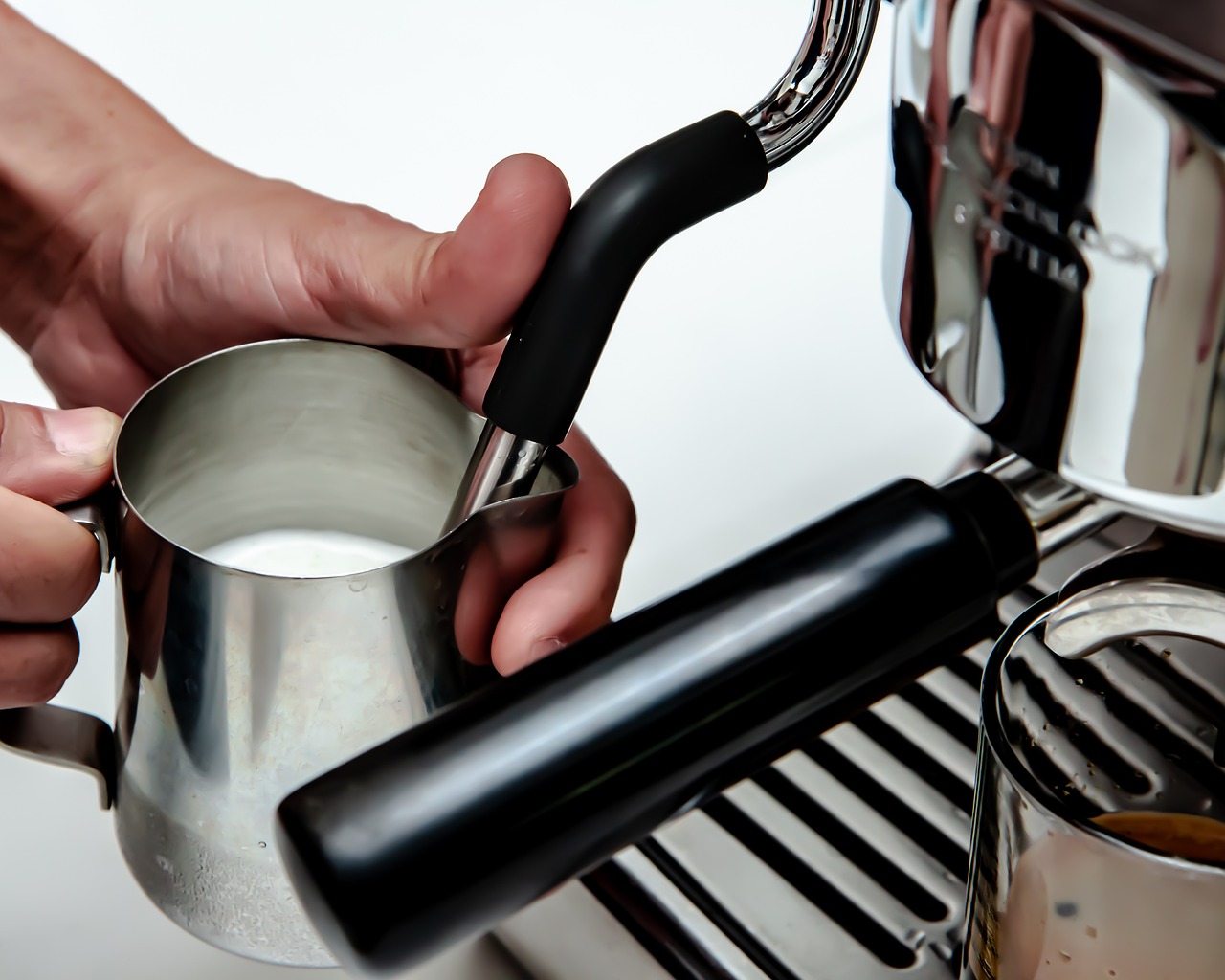
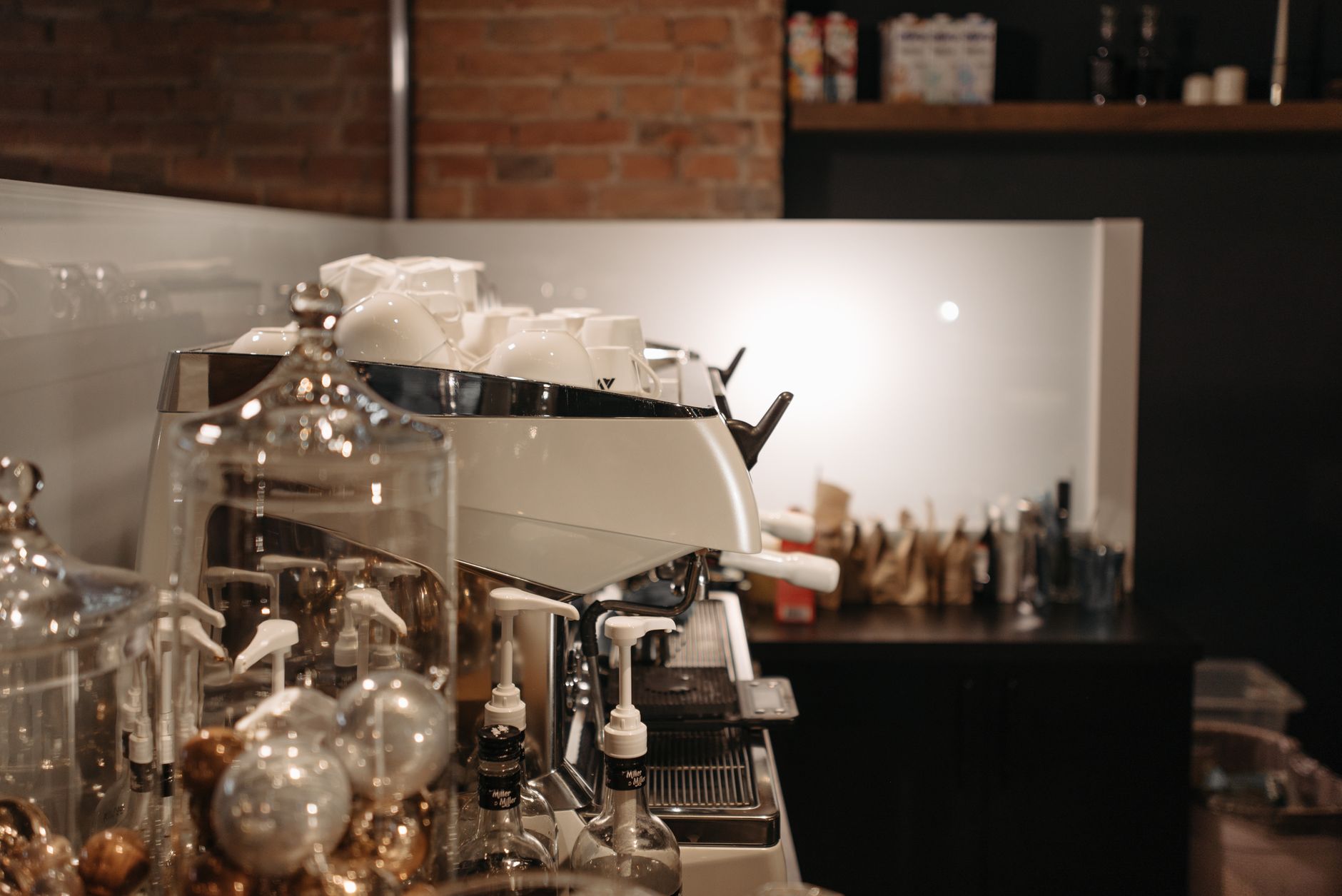
Installing a commercial espresso machine isn't just about plugging it in and pulling shots. In fact, a botched installation is the fastest way to burn through your opening budget and frustrate your baristas. This guide walks you through every critical step — from site prep to first flush — so you can avoid the headaches that plague 2026 cafe openings.
If you're setting up a new coffee bar, you've already invested in one of the most important pieces of equipment. The way you install it determines whether that investment pays off or becomes a constant source of repair bills. Let's get it right.
What You Need to Know Before Installing
📚
Definition
A commercial espresso machine is a plumbed-in, high-volume appliance designed for continuous use in cafes, restaurants, and hotels. Unlike home machines, they require dedicated water lines, electrical circuits, and proper drainage.
Before you unpack that beautiful new machine, there are five factors that will make or break your installation:
Water Quality and Filtration
Hard water is the number one killer of commercial espresso machines. According to the Water Quality Association, hard water can reduce equipment lifespan by up to 40% due to scale buildup. You need a water softener or reverse osmosis system in your water line. In my experience working with over a hundred cafe openings, the owners who skipped proper filtration ended up replacing their machines within 18 months.
Electrical Requirements
Most commercial espresso machines need a dedicated 208-240V circuit with a minimum of 20 amps. Check the manufacturer's specs before you call an electrician. Some dual-boiler machines require 30-amps and three-phase power. Installing the wrong breaker can trip constantly and damage electronics.
Plumbing and Drainage
Your espresso machine needs a direct water supply line (usually 3/8" compression fitting) and a drain line. The drain must be open-air (an air gap) to prevent backflow contamination. Local health codes are strict about this — ignore them and you'll fail inspection.
Floor Loading and Leveling
A three-group espresso machine weighs over 150 pounds empty — add water and you're looking at 250+ pounds. Your floor needs to support that weight. And the machine must be perfectly level (within 1 degree) to ensure even extraction. Use a leveling pad or adjustable feet.
Ventilation and Clearance
Espresso machines generate significant heat and steam. You need at least 6 inches of clearance above and behind the machine for airflow. For gas-powered machines, proper exhaust ventilation is mandatory.
Why Proper Installation Matters
De acordo com relatórios recentes do setor de the National Restaurant Association's 2026 State of the Industry report, equipment downtime costs cafes an average of $500 per day in lost revenue. A poor installation — especially one with water leaks or electrical issues — can shut you down for days at the busiest time.
Beyond downtime, a badly installed machine delivers inconsistent espresso. The Specialty Coffee Association found that water temperature stability, which depends directly on proper plumbing, is the single most important variable for shot quality. Your customers will notice long before you do.
And there's the safety angle. A machine that isn't properly grounded or has the wrong pressure relief valve settings can spray hot water or, in rare cases, cause electrical fires. Liability alone justifies hiring a professional.
Step-by-Step Installation Guide
Here's the exact process I've used for dozens of cafe installations. Follow these steps in order.
1. Prepare the Site
- Ensure the countertop can support the weight (minimum 200 lbs per group).
- Install a water shut-off valve within reach of the machine.
- Place a floor drain or dedicated drain line within 3 feet.
- Install a GFCI-protected electrical outlet or hardwired connection.
2. Install Water Filtration
- Connect a backflow preventer at the main water line.
- Install a sediment filter and water softener.
- Run a dedicated 3/8" line from the filter to the machine location.
💡
Key Takeaway
Spend 80% of your installation effort on water and electrical. The rest is simple assembly.
3. Connect Plumbing
- Attach the water supply line to the machine's inlet (usually a 3/8" compression fitting).
- Attach the drain line to the machine's drain fitting. Ensure the drain has an air gap.
- Open the water supply and check for leaks at every connection.
4. Run the Electrical Line
- Turn off the main breaker.
- Connect the machine to the dedicated circuit. If hardwired, use flexible conduit.
- Double-check voltage and amperage. Use a multimeter to verify.
5. Level the Machine
- Place the machine on the counter. Adjust feet or use a leveling pad.
- Check level front-to-back and side-to-side. Even 1 degree off will cause uneven extraction.
6. Initial Startup and Flush
- Turn on water, then power on the machine.
- Wait for the boiler to fill and heat (this can take 30–60 minutes).
- Flush all group heads and steam wands for 2 minutes each to clear any debris.
- Test the pressure gauge — should read 9 bars for espresso extraction.
7. Calibrate and Train
- Set the water temperature (typically 200°F for most blends).
- Grind and pull test shots. Adjust grind size and dose.
- Train your team on daily cleaning and shutdown procedures.
If this sounds overwhelming, you're not alone. That's why many cafes choose an all-inclusive managed service. At Busy Bean Coffee, we handle the entire installation — including the water filtration, electrical hookup, and calibration — as part of our monthly membership. It's one less thing to worry about when you're already juggling permits and grand openings.
Installation Options: DIY vs Professional vs Managed Service
| Option | Upfront Cost | Reliability | Ongoing Support | Best For |
|---|---|---|---|---|
| DIY Installation | $200–500 (tools and parts) | Low — high risk of errors | None | Experienced owners or temporary setups |
| Licensed Plumber/Electrician | $800–$2,500 | Medium — good connectivity, no machine-specific knowledge | None until you call for repair | Owners with tight budgets who read manuals |
| Managed Coffee Service Provider | $0 (included in membership) | High — experts who install these machines daily | Full maintenance and emergency service | Owners who value time and reliability |
Many business owners start with DIY to save money, only to spend more later on repairs. According to a study by the Specialty Coffee Association, cafes that used professional installation reported 60% fewer service calls in the first year. In my experience, the upfront savings from DIY vanish the first time you call a technician.
Busy Bean Coffee's managed plan includes installation, so you pay nothing upfront — just a predictable monthly fee. We've installed hundreds of commercial espresso machines across the country, from Coffee Service in Los Angeles CA to Restaurant Coffee Service in St. Petersburg FL.
Common Installation Mistakes
Myth 1: "Any plumber can hook up an espresso machine"
Most plumbers know residential appliances. They may not realize that an espresso machine needs a water softener, a dedicated line, and a drain air gap. In my experience, generic plumbers often use the wrong fittings or skip the backflow preventer.
Myth 2: "I can use a standard extension cord"
Never. Commercial espresso machines draw 15–20 amps. An extension cord creates a fire hazard and violates electrical code. Always use a dedicated outlet.
Myth 3: "I'll just level it with the countertop"
Countertops are rarely perfectly level. You must adjust the machine's feet. Otherwise, water will pool in the drip tray unevenly, and extraction across group heads will differ.
Myth 4: "I can run the machine immediately after connecting water"
If you haven't flushed the lines, sediment can clog the machine's internal valves and solenoid. Always flush until water runs clear.
Frequently Asked Questions
Do I need a plumber to install a commercial espresso machine?
Yes, unless you are experienced with both plumbing and electrical work. The machine requires a dedicated water line with a backflow preventer, a proper drain air gap, and a 208-240V circuit. A licensed plumber can handle the water connections, and a licensed electrician should run the electrical. Many managed coffee service providers include this in their installation package, so you get both expertise and convenience.
How long does a commercial espresso machine installation take?
A professional installation typically takes 2–4 hours, depending on the complexity. If the site is already prepared (water, drain, electrical), it's closer to 2 hours. If you need to run new lines or install additional filtration, expect 4–6 hours. After installation, the machine needs 30–60 minutes to heat and stabilize before your first shot.
What is the biggest mistake people make during installation?
Skipping water filtration. Hard water damages boilers and internal valves, leading to expensive repairs within a year. The Specialty Coffee Association reports that 70% of espresso machine breakdowns are water-related. Always install a water softener or reverse osmosis system, regardless of your local water quality.
Can I install a commercial espresso machine myself?
Technically, yes. But it's risky. A single leak can ruin floors, cause health code violations, and shut down your cafe. The electrical requirements are specific — if you wire it wrong, you could nullify your warranty or create a fire hazard. Most manufacturers require professional installation to honor their warranty. In my experience, the cost savings of DIY are far outweighed by the downtime and repair costs if something goes wrong.
How often should I service my commercial espresso machine after installation?
Daily cleaning (backflush, wipe group heads, purge steam wands) is essential. Professional maintenance should occur every 3–6 months, depending on water usage and water hardness. This includes descaling, replacing gaskets, and testing pressure. With a managed service like Busy Bean Coffee, maintenance is included — we handle quarterly checkups so you never have to remember.
Summary + Next Steps
Installing a commercial espresso machine is one of the most technical and consequential tasks in a cafe opening. Get it wrong and you face lost revenue, inconsistent coffee, and early equipment failure. Get it right, and you set yourself up for years of reliable service.
If you'd rather leave the installation to experts, check out Busy Bean Coffee. Our all-inclusive managed plans cover installation, maintenance, and premium equipment for one predictable monthly fee. No surprises, no downtime — just great coffee for your customers.
Interested in learning more? Explore our guides on Wholesale Coffee Equipment Maintenance Plans and Automatic Barista Machines Wholesale to see how we support cafes nationwide.
Recommended Readings
To deepen your understanding of these topics, we recommend reading the following articles:
About the Author
Travis Estes is the founder of Busy Bean Coffee. With over a decade of experience in commercial coffee equipment, he has helped hundreds of cafes open their doors with perfect espresso. His hands-on knowledge of installation and maintenance is backed by thousands of successful setups.