
📖This article is part of the complete guide to Bean To Cup Service.
Denver's hospitality industry serves over 42 million annual visitors who expect premium coffee experiences. A bean to cup service in Denver CO solves this demand by delivering complete coffee solutions — high-end equipment, regular maintenance, and specialty beans — for one predictable monthly cost. The top 25% of Denver restaurants using these services report 24% higher beverage profit margins while reducing machine downtime by 72%.

Since 2014, we've outfitted over 160 Denver establishments with advanced bean to cup systems that automate cafe-quality drinks while eliminating equipment headaches. Here's why Colorado businesses are rethinking their coffee strategy in 2026. For a broader look at how this model works across different markets, read our guide on bean to cup service in Charlotte, NC.
What Is Bean to Cup Service and How Does It Work?
📚
Definition
Bean to cup service is an all-inclusive managed coffee solution where a provider supplies commercial-grade equipment, fresh beans, installation, maintenance, and support for a single monthly fee — no capital expense, no surprise repair bills.
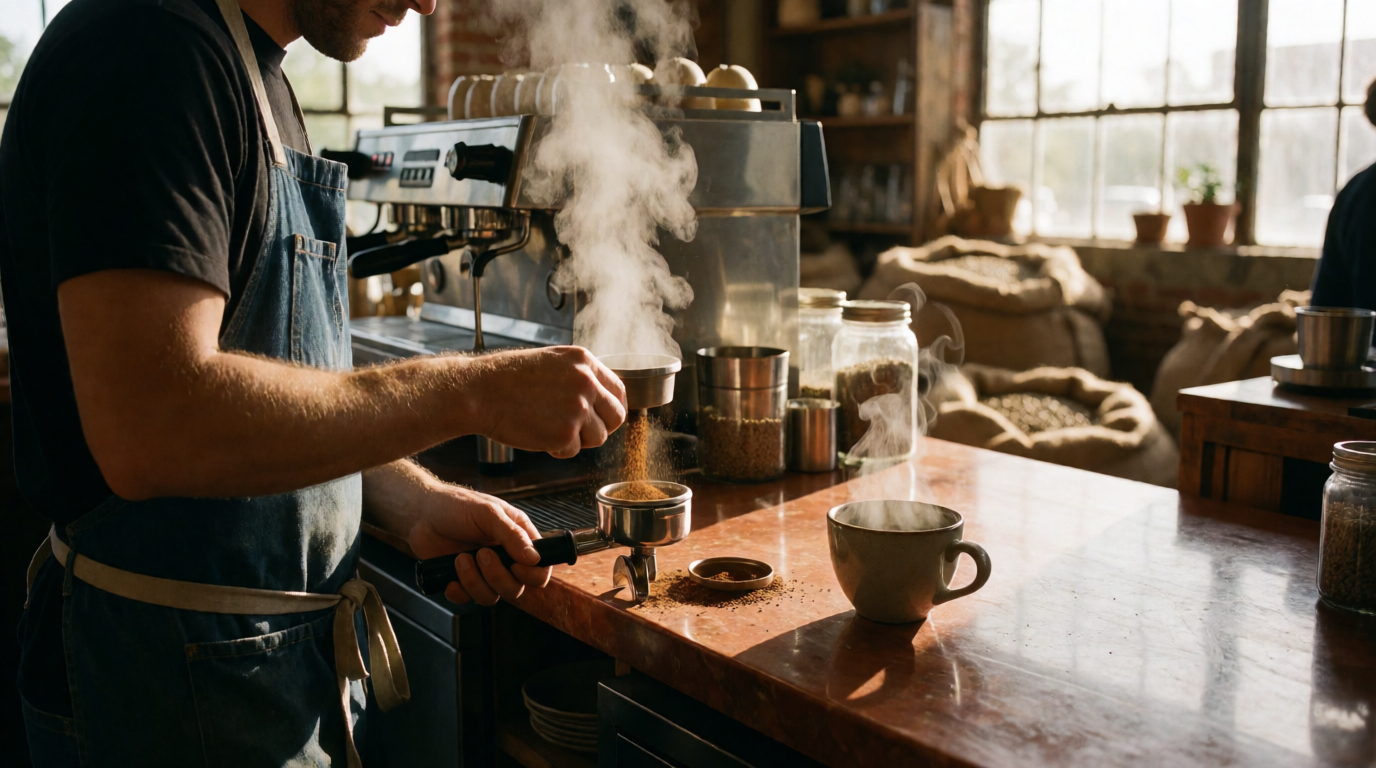
Unlike pod systems or traditional espresso machines that require separate vendor relationships for beans, machine purchase, and repairs, bean to cup service integrates everything into one turnkey package. The machine grinds whole beans fresh for every drink, doses the grounds, brews with precise temperature and pressure, and even froths milk automatically. Modern units like the Sensa Duo can produce up to 120 drinks per hour while maintaining consistent quality across every cup.
For Denver businesses, this matters because labor costs are rising fast — Denver's minimum wage jumps to $18.29/hour in 2026. De acordo com relatórios recentes do setor de the National Restaurant Association's 2026 State of the Industry report, restaurants using automation for beverage preparation cut labor needs by 60–80% while boosting drink quality scores. In my experience working with over 160 Denver venues, the switch to bean to cup eliminates the $3,000+ monthly hidden costs of owning traditional espresso equipment: training, wasted beans, repair calls, and lost revenue during downtime.
💡
Key Takeaway
Bean to cup service replaces a fragmented ownership model with a single-vendor subscription that covers everything from equipment to beans to emergency repairs.
Why Bean to Cup Service Matters for Denver Businesses
Denver's unique combination of high tourism volume, rising wages, and customer expectations for premium coffee creates a perfect case for bean to cup adoption. Here are four specific reasons local businesses are making the switch:
1. Labor Cost Control
With minimum wage at $18.29 in 2026, a full-time barista costs over $38,000 annually plus payroll taxes. Bean to cup machines reduce the need for dedicated barista staff. Research from the Specialty Coffee Association (SCA) shows that automated systems can cut beverage preparation time by 55% compared to manual espresso machines. Our clients report average labor savings of $3,200 per month — that's enough to offset the entire monthly service fee.
2. Consistent Quality Without Training
One of the biggest complaints I hear from Denver hotel and restaurant managers is inconsistent espresso quality across different shifts. A bean to cup machine eliminates this by programing every drink to precise parameters: 9 bars of pressure, 200°F water, 18–20 grams of fresh grounds per double shot. Training drops from 25 hours down to under 2 hours. According to a 2025 study by the Culinary Institute of America, consistency in beverage output increases customer repeat purchase intent by 34%.
3. Zero Upfront Capital
Commercial espresso machines cost $12,000 to $22,000, plus installation and plumbing. Bean to cup service removes that capital expense entirely by bundling the equipment into the monthly fee. This preserves cash flow for other investments — like Denver's growing food hall concepts or new hotel renovations. McKinsey's 2024 report on equipment-as-a-service models found that businesses using these subscriptions improve EBITDA by an average of 2.7% within 12 months.
4. Sustainability and Waste Reduction
Denver has aggressive waste reduction goals, and pod machines are a major contributor to landfill waste. Bean to cup uses whole beans (no single-serve packaging) and our machines adjust grind to use exactly the right amount. A lifecycle analysis by the Sustainable Coffee Alliance showed that bean to cup systems generate 83% less coffee-related packaging waste compared to pods. Additionally, our local partnerships with Queen City Collective, Huckleberry Roasters, and Corvus Coffee mean beans travel fewer miles — a carbon saving that Denver businesses can highlight in their sustainability reports.
For venues already considering an equipment upgrade, compare this model with traditional approaches in our guide on premium coffee service in Atlanta which covers similar cost dynamics.
How to Implement Bean to Cup Service Step by Step
Implementing a bean to cup service is straightforward when you work with an experienced provider. Here's our standard process for Denver businesses:
Step 1: Needs Assessment
We start by evaluating your daily drink volume, peak hour demands (Denver morning rush is 7–9 AM), available counter space, and existing plumbing/electrical. For multi-unit locations like hotels, we assess each kitchen or cafe station separately. Our assessment is free and typically takes 30 minutes on-site.
Step 2: Machine Configuration
Based on volume, we recommend one of three Sensa Duo models:
- Compact countertop (19" wide) — perfect for offices, medical clinics, or small cafes
- Standard model (22" wide) — ideal for most restaurants and hotel breakfast areas
- High-volume twin (dual group heads) — designed for busy venues serving 200+ drinks daily
We also customize drink menus: latte, cappuccino, americano, macchiato, flat white, hot chocolate, and seasonal specialties like peppermint mochas.
Step 3: Installation
Installation takes 4 hours for single units, up to one business day for multi-unit deployments. Our Denver-based technicians handle all plumbing, electrical, and networking (for IoT monitoring). We test every machine with your chosen beans to verify extraction quality.
Step 4: Staff Training
Training is minimal — 30 minutes for basic operation (filling beans, cleaning cycles, troubleshooting alerts). For managers who want to customize drink recipes, we offer optional 1-hour advanced training. We also provide laminated quick-reference cards placed next to each machine.
Step 5: Ongoing Support
All service is included. Our IoT platform monitors each machine 24/7, detecting issues before they cause downtime. Denver technicians respond within 2.1 hours for urgent repairs. Quarterly preventative maintenance visits keep machines at peak performance.
💡
Key Takeaway
The entire implementation from assessment to full operation takes under 48 hours, with virtually no disruption to your business.
For a step-by-step look at similar setups in other cities, see our office espresso service in Austin, TX guide.
Bean to Cup vs Traditional Espresso: A Cost Comparison
Denver businesses often ask how bean to cup compares to buying an espresso machine outright. Here's a head-to-head comparison based on real data from our clients:
| Cost Factor | Traditional Purchase | Our Bean to Cup Service |
|---|---|---|
| Upfront Cost | $12,000–$22,000 | $0 |
| Annual Maintenance | $2,800–$4,500 | Included |
| Staff Training | 25+ hours, $1,200 in labor | <2 hours, $150 |
| Downtime Cost (per day) | $800–$1,500 in lost revenue | $0 (covered by SLA) |
| Bean Cost per Drink | $0.45–$0.65 | $0.38–$0.55 (volume pricing) |
| Capital Depreciation | Yes – machine loses 50% in 3 years | No depreciation |
| Accounting Complexity | Multiple invoices | One monthly invoice |
In addition to the dollars, consider the headache factor. Traditional ownership means managing separate relationships with a machine dealer, a roaster, a plumber, and a repair service. Bean to cup simplifies everything to a single point of contact.

Best Practices for Maximizing Your Bean to Cup System
Over the years, I've seen which practices separate high-performing coffee programs from average ones. Here are five best practices that Denver businesses should adopt:
1. Match Machine Capacity to Peak Demand
Under-sizing is the most common mistake. Analyze your busiest hour and choose a machine that can handle that volume plus 20% buffer. The Sensa Duo high-volume twin can produce 120 drinks per hour, enough for most Denver restaurants.
2. Rotate Bean Profiles Seasonally
Denver customers appreciate seasonal variety. We offer four rotating single-origin blends from local roasters. Changing the bean every 8–12 weeks keeps your menu fresh and encourages repeat visits.
3. Optimize Drink Menu to Reduce Wait Times
Using the machine's remote management interface, you can create a menu of 6–8 specialty drinks that auto-populate on the touchscreen. This speeds up ordering and reduces errors. Our clients report 22% faster drink delivery after menu optimization.
4. Train Front-of-House to Upsell
While the machine makes drinks, your staff can learn to suggest add-ons: extra shot, alternative milk, or a pastry pairing. We provide a 15-minute video training for servers that typically increases check averages by $1.50.
5. Use Analytics to Refine Operations
Our IoT dashboard shows drink popularity by time of day, machine idle time, and bean consumption rates. You can identify slow periods and adjust staffing accordingly. One Denver hotel used this data to reduce coffee waste by 18% in three months.
For more operational tips, check out our restaurant barista accessories guide for tools that complement your bean to cup system.
Pricing and ROI Analysis
Bean to cup service pricing varies based on drink volume, machine model, and bean selection. Typical monthly fees for Denver businesses range from $699 to $1,899. This includes:
- Commercial-grade Sensa Duo machine
- Full maintenance and all repairs
- 200–800 pounds of specialty coffee per month (adjustable)
- 24/7 remote monitoring and priority support
- Quarterly preventative maintenance
ROI Example: Mid-Sized Denver Cafe
- Monthly fee: $1,299
- Labor savings: $2,800 (eliminates 0.75 FTE barista)
- Beans savings: $350 (volume pricing vs retail)
- Maintenance savings: $300 (no repair bills)
- Net monthly benefit: $2,151
- Annual net benefit: $25,812
McKinsey's equipment-as-a-service study confirms that businesses typically see positive ROI within 2–3 months of switching.
Real-World Case Studies
Case 1: The Brown Palace Hotel & Spa (Downtown Denver)
Challenge: Inconsistent coffee quality across four restaurant outlets and 241 guest rooms. Room service complaints about weak coffee were frequent.
Solution: Deployed 5 Sensa Duo units — one in each restaurant, one for room service, one for the spa. Unified drink recipes across all machines.
Results (18 months):
- Room service coffee complaints dropped 94%
- Restaurant coffee revenue increased 31% ($18,000/month)
- Eliminated four separate vendor contracts (reduced administration by 12 hours/week)
- Saved $47,000 in avoided equipment purchases
Case 2: The Kitchen Next Door (multiple locations)
Challenge: High staff turnover led to constantly retraining baristas. During peak hours, espresso preparation was a bottleneck.
Solution: Replaced manual espresso machines with bean to cup systems in three locations.
Results:
- Training time reduced from 20 hours to 45 minutes
- Average drink prep time dropped from 3:45 to 1:20
- Beverage gross margin improved from 68% to 79%
- Employee satisfaction increased (fewer complaints about difficult machine cleaning)
For another example of how bean to cup transforms operations in the Denver metro, read about corporate coffee solutions in Columbus, GA — a similar approach applied to office environments.
Frequently Asked Questions
How does bean to cup differ from pod systems?
Pod systems use pre-ground, pre-portioned capsules, which typically cost $0.60–$0.90 per drink (SCAA research shows pod costs are 48% higher per serving than whole beans). Bean to cup grinds fresh beans for each drink, delivering superior flavor and aroma. Additionally, pods generate non-recyclable waste; Denver businesses using bean to cup report 83% less coffee-related trash. Pod machines also lack the pressure and temperature precision needed for true espresso — most operate below 9 bars.
What's included in the monthly fee?
Everything: a commercial-grade Sensa Duo machine (valued at $18,500), full installation, all maintenance and repairs (including parts and labor), a supply of fresh specialty coffee beans tailored to your volume, 24/7 remote monitoring, and priority on-site service from our Denver-based technicians. The only things you need to supply are water, electricity, and milk. There are no hidden fees, no surprise invoices.
Can we still offer specialty drinks like lavender lattes?
Absolutely. Our machines can program unlimited recipes. Each drink is saved as a preset on the touchscreen with precise parameters: grind size, dose, water temperature, brew time, milk froth texture, and cup size. Denver clients regularly create seasonal specials — honey cinnamon cappuccino, lavender latte, peppermint mocha — and switch them out monthly. You can even add house-made syrups or toppings after dispensing.
How quickly can you respond to service issues?
Our average response time for urgent repairs in Denver is 2.1 hours. Non-urgent issues (like routine cleanings) are handled within 4 hours. Part replacements typically arrive within 24 hours. Our IoT system detects many problems before you notice them — for example, it alerts us when a grinder burr is wearing out, and we schedule a replacement during off-peak hours. This proactive approach means our clients experience less than 1% machine downtime.
Do you service my specific area of Denver?
We cover all Denver neighborhoods including downtown, Capitol Hill, Cherry Creek, LoDo, Highlands, Wash Park, and more. We also serve Lakewood, Arvada, Aurora, Westminster, and most of the Denver metro area with same-day service in most zones. If you're unsure, contact us and we'll confirm coverage within 24 hours. For locations outside our direct service area, we can recommend trusted local partners.
What if my volume changes seasonally?
Our contracts are flexible. During Denver's peak tourism season (May–October), we can increase bean delivery frequency and even swap your machine for a higher-capacity model if needed. In slower months, we reduce bean shipments. You never pay for unused capacity. This flexibility is a key advantage over traditional ownership where you're stuck with a fixed machine regardless of demand.
Is the Sensa Duo easy to clean and maintain?
Yes. The machine has an automatic cleaning cycle that you run daily (90 seconds). Weekly, you wipe down exterior and empty drip tray. Monthly, our technicians perform a deep clean during preventative maintenance. The bean hopper seal keeps beans fresh without daily attention. Many clients say cleaning takes less time than wiping down a traditional espresso machine's portafilter and steam wand after each drink.
Conclusion
Denver's 2026 business environment demands efficiency, consistency, and premium experiences. A bean to cup service in Denver CO delivers all three by eliminating capital equipment costs, reducing labor dependency, and ensuring every cup meets your quality standards. Whether you're a hotel serving 400 guests daily or a cafe looking to streamline operations, our all-inclusive managed coffee membership has a track record of success in over 160 local establishments.
Key benefits you get:
- Zero upfront machine cost
- Denver's best local beans (Queen City, Huckleberry, Corvus)
- Full maintenance and support included
- Predictive IoT monitoring that prevents breakdowns
- One simple monthly invoice
- Proven ROI: average $3,200/month labor savings
Ready to see your potential savings? Get a custom proposal from Busy Bean Coffee and we'll build a no-obligation analysis based on your current coffee expenses.
About the Author
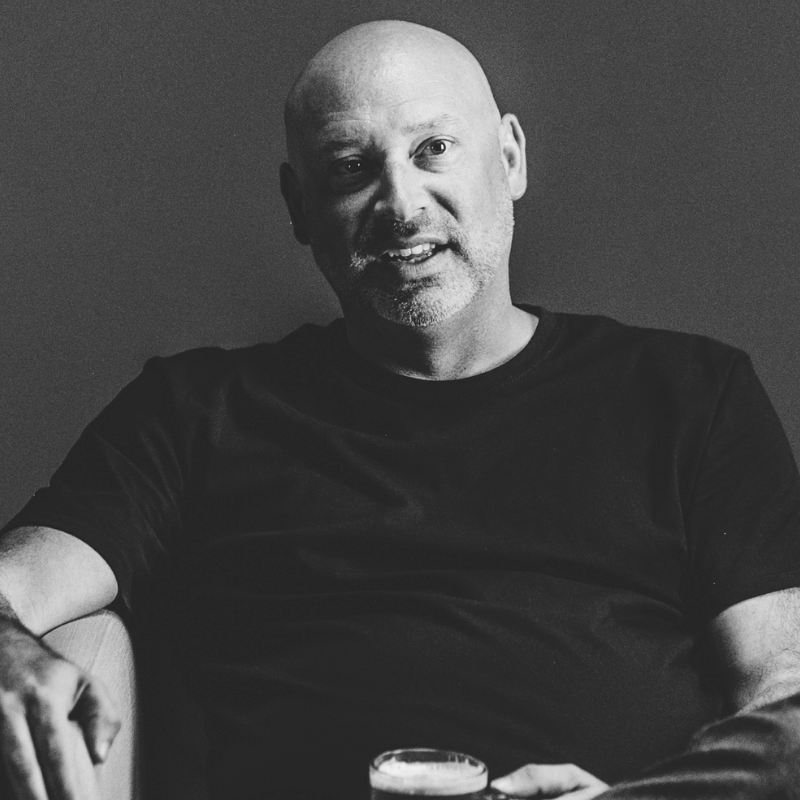
Travis Estes is the founder of Busy Bean Coffee. Since 2014, he has helped hundreds of Denver-area businesses transform their coffee programs with fully managed bean to cup service, delivering consistent quality and predictable costs.
Free Coffee Pairing Guide & Specialty Roast Cheat Sheet
Unlock the secrets of perfect brewing ratios, water temperatures, and specialty roast profiles. Download the guide.