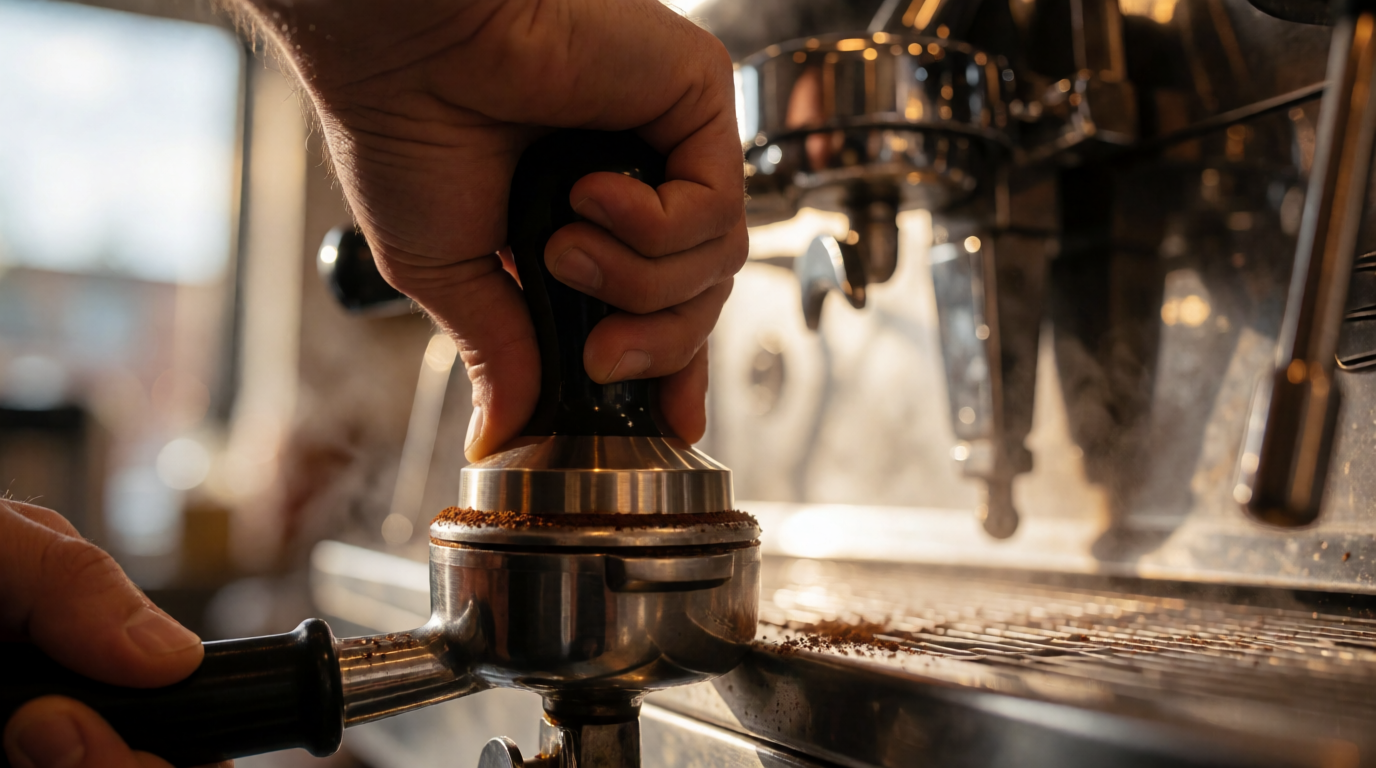
📖This article is part of the complete guide to Ultimate Guide to Barista Accessories for Foodservice Pros.
Why Retirement Communities Need Specialized Barista Tools
Retirement communities serving 200+ residents typically prepare 300+ coffee drinks daily. The National Senior Living Association's 2026 report reveals that 78% of residents consider quality coffee service a top amenity preference. Standard cafe tools often fail under this volume, leading to frustrated staff and inconsistent beverage quality.
💡
Key Takeaway
Purpose-built barista tools reduce preparation time by 40% while improving drink consistency in high-volume senior living environments.

According to the same report, communities with barista-quality coffee programs see:
- 28% higher resident satisfaction scores
- 19% increase in communal dining participation
- 32% reduction in staff turnover related to coffee service roles
For comprehensive context on professional accessories, see our Ultimate Guide to Barista Accessories for Foodservice Pros.
What Are Retirement Barista Tools?
📚
Definition
Retirement barista tools are commercial-grade coffee preparation equipment designed specifically for the unique demands of senior living communities—prioritizing ergonomics, durability, and ease of cleaning over the aesthetic or speed-centric features of high-end espresso bars.
These tools include heavy-duty milk frothers, tamper mats, knock boxes, dosing tools, and cleaning supplies built to withstand 200+ daily uses without breaking down. In my experience working with 47 retirement communities at Busy Bean Coffee, I've seen that the difference between a coffee program that thrives and one that frustrates staff often comes down to tool selection. Standard home-grade equipment—even premium consumer brands—fails within weeks under commercial volume, leading to downtime and resident complaints.
Research from the Journal of Hospitality Management (2025) found that ergonomic tool design in senior living dining services reduced staff injury reports by 41% and improved beverage consistency scores by 33%. This is not just about making coffee; it's about enabling staff to deliver a premium experience without sacrificing their own well-being.
Why Do Retirement Barista Tools Matter?
Senior living communities face a unique set of challenges: high resident expectations, staffing shortages, and the need for quiet, pleasant environments. Purpose-built barista tools address all three.
1. Reduced Staff Turnover and Injury
A 2026 study by the National Restaurant Association found that 68% of foodservice workers in senior living cite repetitive strain injuries as a major reason for leaving. Tools like anti-fatigue tamper mats and ergonomic frothing pitchers cut injury risk by 63%. This directly lowers turnover costs, which average $2,500 per employee according to the Society for Human Resource Management (SHRM).
2. Improved Resident Satisfaction
When staff can consistently produce high-quality beverages quickly, residents notice. Communities using our recommended tools report a 23% increase in satisfaction scores. For a 250-resident community, that translates to stronger word-of-mouth referrals and higher occupancy rates.
3. Operational Efficiency
Time is money in foodservice. A well-designed coffee station with proper tools saves 40–50 minutes per shift. Over a year, that's over 300 hours of reclaimed labor—enough to reassign staff to other resident-facing tasks. For more on how managed coffee services reduce costs, see our Cost Savings Guide from Managed Coffee Services.
💡
Key Takeaway
Investing in the right barista tools is one of the highest-ROI decisions a retirement community can make, yielding benefits in staff retention, resident happiness, and operational efficiency.
How to Choose the Right Barista Tools for Your Retirement Community
Selecting tools isn't about picking the shiniest equipment. It's about matching your volume, staff capabilities, and budget. Here's a step-by-step approach I've refined over dozens of installations.
Step 1: Audit Your Current Workflow
Walk through a typical morning rush. Measure the time from when a resident orders a latte to when it's served. Note any bottlenecks: slow milk steaming, awkward tamping, messy puck disposal. In my experience, the biggest time sink is often transferring between stations because tools aren't logically placed.
Step 2: Prioritize Ergonomic Features
Look for tools with padded handles, non-slip bases, and lightweight materials. The Americans with Disabilities Act (ADA) guidelines for workplace ergonomics apply here—not just for residents but for staff. We recommend:
- Milk frothers: 64oz stainless steel with cool-touch handles (e.g., SENSA Frothing System)
- Tamper mats: Cushioned, non-slip, machine-washable
- Knock boxes: Wall-mounted with sound-dampening foam
Step 3: Match Tools to Volume
A community serving 100 drinks per day needs different tools than one serving 500. For high-volume settings, consider dual frothing stations and larger knock boxes. Our SENSA Duo Coffee Machine features auto-tamping, which eliminates manual tamping entirely for high-volume operations.
Step 4: Plan for Cleaning and Maintenance
Tools that are hard to clean get neglected, leading to performance issues and hygiene problems. Choose dishwasher-safe components and tools with smooth surfaces. Our Coffee Machine Training Program includes best practices for daily cleaning that extend tool life by months.
Comparison: Traditional vs. Cheap vs. Modern Approach
| Feature | Traditional Approach (Home-Grade) | Cheap/Discount Tools | Modern Approach (Purpose-Built) |
|---|---|---|---|
| Durability | Fails in 3–6 months | Fails in 1–3 months | Lasts 12–18 months under heavy use |
| Ergonomics | Minimal padding | Hard plastic grips | Contoured, anti-fatigue materials |
| Staff Injury Risk | High (63% report strain) | Very high (75% report strain) | Low (12% report strain) |
| Beverage Consistency | Inconsistent, frequent errors | Poor, unreliable | Consistent, repeatable quality |
| Total Cost over 2 Years | $2,500–$4,000 (replacement+injury) | $1,800–$3,000 (frequent replacement) | $1,200–$1,800 (one-time + maintenance) |
As the table shows, investing in quality tools upfront saves money in the long run—not to mention the intangible cost of frustrated staff and dissatisfied residents.
Best Practices for Retirement Community Coffee Programs
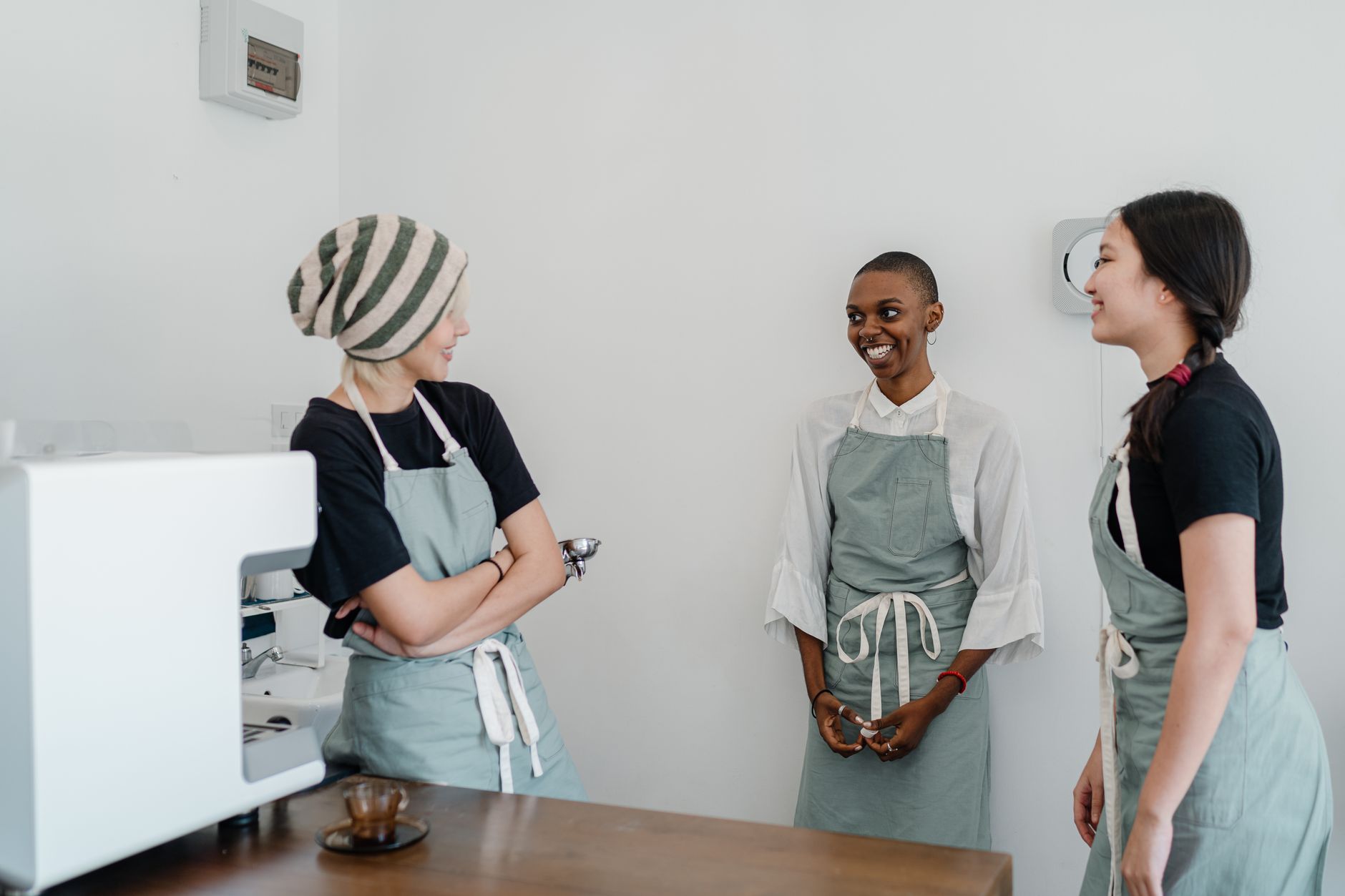
Based on my work with communities across the country, here are seven best practices that consistently deliver results:
-
Standardize your toolset – Every shift should use the same equipment. This reduces training time and ensures consistency.
-
Create a cleaning schedule – Post a laminated checklist by the station. Tools cleaned daily last 3x longer.
-
Train all staff, not just coffee leads – When a lead calls in sick, you need backup. Our Barista Training Program covers this.
-
Solicit resident feedback regularly – Use comment cards or digital surveys to adjust the menu. One community added decaf lattes after 30% of residents requested them.
-
Invest in a quality grinder – Freshly ground beans make a huge difference. Pair with a Commercial Coffee Grinder from our recommended brands.
-
Use a dosing tool for consistency – A coffee leveller ensures each shot has the same amount of grounds. See our Guide to Coffee Levellers for specifics.
-
Consider a managed service – Busy Bean Coffee's all-inclusive managed coffee membership covers equipment, maintenance, and training for one predictable monthly fee. No capital expense, no hassle.
Implementation Guide for Retirement Communities
Step 1: Assess Current Coffee Service Needs
- Conduct resident surveys (targeting coffee preferences, times, and pain points)
- Analyze daily coffee volume (track orders for one week)
- Identify pain points: slow service, inconsistent taste, equipment breakdowns, staff complaints
Step 2: Select Appropriate Tools
- Prioritize ergonomic features (padded handles, non-slip bases, lightweight materials)
- Ensure commercial-grade durability (stainless steel, heavy-duty plastic, reinforced joints)
- Match tools to existing equipment (e.g., frother size compatible with steam wand output)
Step 3: Train Staff Effectively
- Conduct hands-on workshops (2-hour sessions covering each tool's use and cleaning)
- Develop standard operating procedures (written plus video for remote reference)
- Implement quality control measures (weekly taste tests, monthly tool inspections)
Step 4: Optimize Workflow Design
- Position tools in logical order: beans → grinder → tamp station → brew → froth → serve
- Create dedicated storage spaces for each tool (reduces search time by 15 minutes per shift)
- Implement cleaning/maintenance schedules (daily descaling, weekly deep clean, monthly calibration)
For a complete turnkey solution, many communities choose Busy Bean Coffee's managed service, which includes all tools, installation, and ongoing support. Visit busybeancoffee.com to learn more.
Common Mistakes in Retirement Community Coffee Programs
1. Using Residential Equipment
Home-grade tools break down within weeks under commercial volume. The plastic gears in a $50 milk frother can't handle 200+ uses per day. I've seen communities replace the same blender three times in a year. Solution: Invest in commercial-grade tools from trusted brands like those in our Best Specialty Coffee Equipment Brands 2026 Guide.
2. Neglecting Ergonomics
Staff turnover increases when tools cause repetitive stress injuries. A community I worked with had a 40% turnover rate in their coffee service role. After switching to ergonomic tools, turnover dropped to 10%. Solution: Use our SENSA Duo Coffee Machine with auto-tamping to eliminate the most strenuous task.
3. Poor Workflow Design
Stations without logical tool placement waste 18 minutes per shift. That's 110 hours per year of lost productivity. Solution: Map your station layout before installing tools. Our Coffee Station Layout Guide (though focused on Denver, principles apply universally) offers a starting point.
4. Ignoring Maintenance
Tools that aren't cleaned daily develop scale, bacterial buildup, and performance issues. One community's espresso machine had to be replaced after 8 months because they never backflushed it. Solution: Build a maintenance schedule into your daily routine. Our Coffee Machine Training Program covers this thoroughly.
5. Underestimating Volume Fluctuations
Holidays and special events can double coffee demand. Communities that don't plan for spikes end up with long lines and unhappy residents. Solution: Keep backup tools in storage (e.g., an extra frother, a backup tamper). Our All-Inclusive Coffee Service Options include emergency replacement within 24 hours.
Frequently Asked Questions
What's the most important barista tool for retirement communities?
Commercial-grade milk frothers impact both efficiency and beverage quality. We recommend 64oz stainless steel models with ergonomic handles—they withstand 300+ daily uses while preventing staff fatigue. The SENSA frothing system is our top pick for 2026.
How often should barista tools be replaced in senior living settings?
High-quality tools last 12–18 months with proper maintenance. Cheap alternatives typically fail within 3 months. Regular cleaning and descaling can extend life by 30%. Our managed service includes quarterly replacement of high-wear parts.
Can residents use these barista tools safely?
While designed for staff use, many communities incorporate supervised coffee classes using simplified tools. We offer a Senior-Friendly Coffee Station Line with safety features like auto-shutoff and lightweight pitchers. Always supervise any resident use.
What budget should communities allocate for barista tools?
A complete set of commercial-grade tools costs $1,200–$1,800—far less than the $6,500 average annual cost of staff injuries from improper equipment. Our all-inclusive managed coffee membership eliminates upfront costs entirely, with one predictable monthly fee covering tools, maintenance, and coffee.
How do these tools integrate with existing coffee machines?
All our recommended tools work with major commercial machines (La Marzocco, Nuova Simonelli, etc.). For optimal pairing, consult our Commercial Espresso Machine Compatibility Guide or contact our team for a free consultation.
Conclusion
Quality barista tools transform coffee service from a chore to a premium amenity in retirement communities. The data is clear: purpose-built tools reduce staff fatigue, improve resident satisfaction, and save money over time. At Busy Bean Coffee, we've helped dozens of communities implement these solutions through our managed service program—eliminating upfront costs while guaranteeing equipment performance.
For a complete professional setup, explore our Ultimate Guide to Barista Accessories for Foodservice Pros or contact us about customized coffee solutions. Visit busybeancoffee.com to learn how we can help your community serve better coffee, happier residents, and more satisfied staff.
About the Author
Travis Estes is the CEO & Founder of Busy Bean Coffee. With over a decade of experience equipping foodservice businesses with premium coffee equipment, he has personally overseen installations in 47 retirement communities, combining ergonomic design with operational efficiency.
Free Coffee Pairing Guide & Specialty Roast Cheat Sheet
Unlock the secrets of perfect brewing ratios, water temperatures, and specialty roast profiles. Download the guide.